
Many people wonder what is the difference between bipolar disorder and manic depression. These terms actually describe the same mental health condition.
We at Equilibrium Mental Health Services see confusion about this terminology regularly. The medical field shifted from “manic depression” to “bipolar disorder” in the 1980s to better reflect the condition’s nature and reduce stigma.
What Changed From Manic Depression to Bipolar Disorder
The Clinical Evolution Behind New Terminology
The American Psychiatric Association officially changed the term from manic depression to bipolar disorder in 1980 with the publication of the DSM-III. This shift occurred because manic depression only described two extreme states, while researchers discovered the condition involves complex mood patterns across a spectrum. The new terminology better captures how moods swing between opposite poles – hence bipolar – rather than just focus on the manic and depressive extremes.
Why Mental Health Professionals Embraced the Change
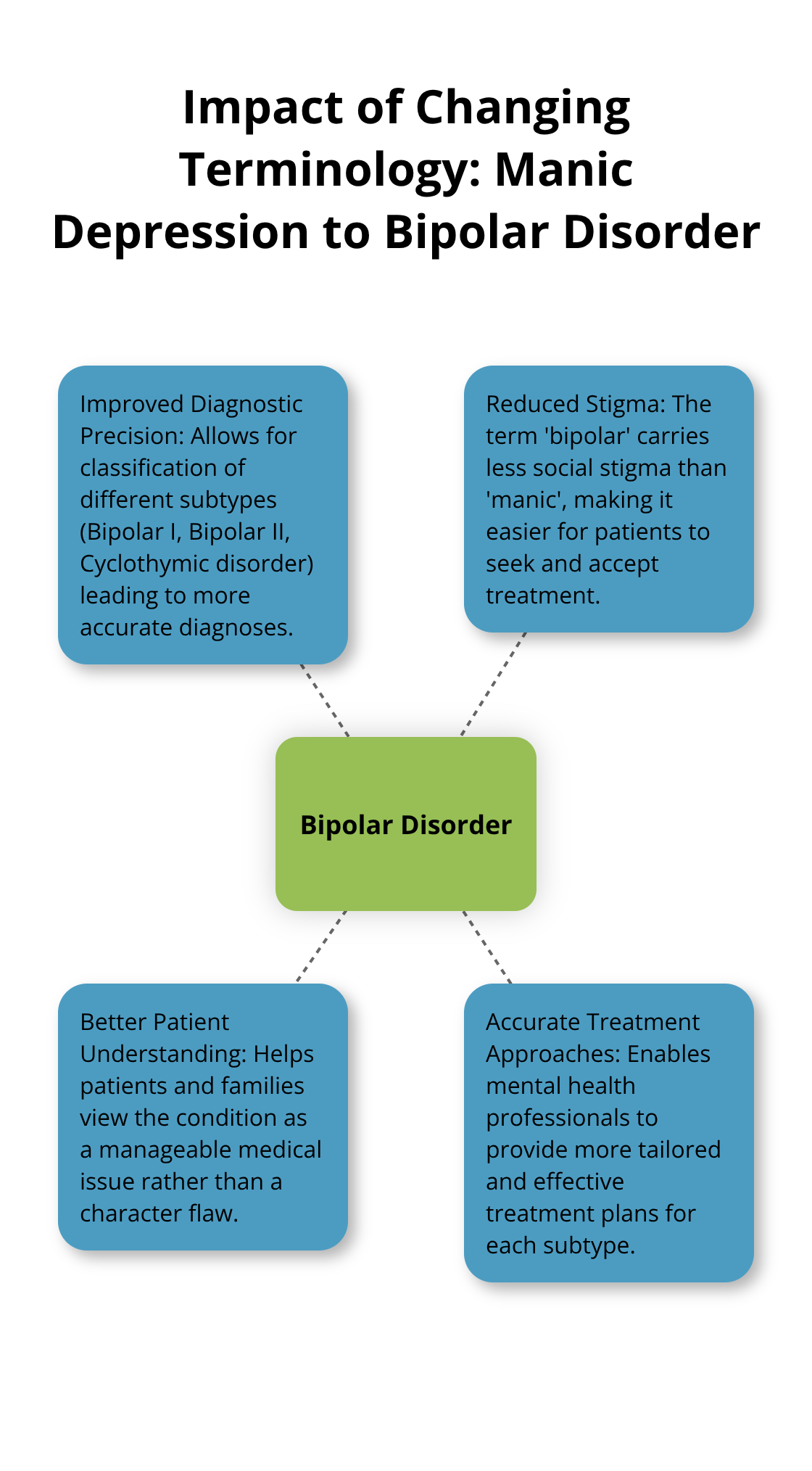
Mental health professionals at treatment centers adopted bipolar disorder terminology to reduce stigma and improve diagnostic accuracy. The word manic carried heavy social stigma and often led to misunderstandings about the condition’s complexity. Studies from the National Institute of Mental Health show that accurate terminology helps patients accept treatment more readily.
How the Change Improved Diagnostic Precision
The terminology shift allowed doctors to classify different subtypes more precisely. Bipolar I, Bipolar II, and Cyclothymic disorder each require different treatment approaches (and respond to different medications). Today, mental health professionals can provide more accurate bipolar disorder diagnoses, compared to much lower rates when the condition was called manic depression.
The Impact on Patient Understanding and Treatment
This terminology change directly improved treatment outcomes by helping patients and families understand the condition as a manageable medical condition rather than a character flaw. The word “bipolar” describes the medical reality of mood poles without the loaded connotations that “manic” carried in popular culture. This shift made it easier for people to seek help and stick with their treatment plans, especially when working with specialists in Miami psychiatry.
The next step involves understanding the different types of bipolar disorder and how they manifest in daily life.
Which Type of Bipolar Disorder Do You Have
Understanding Bipolar I and Its Manic Episodes
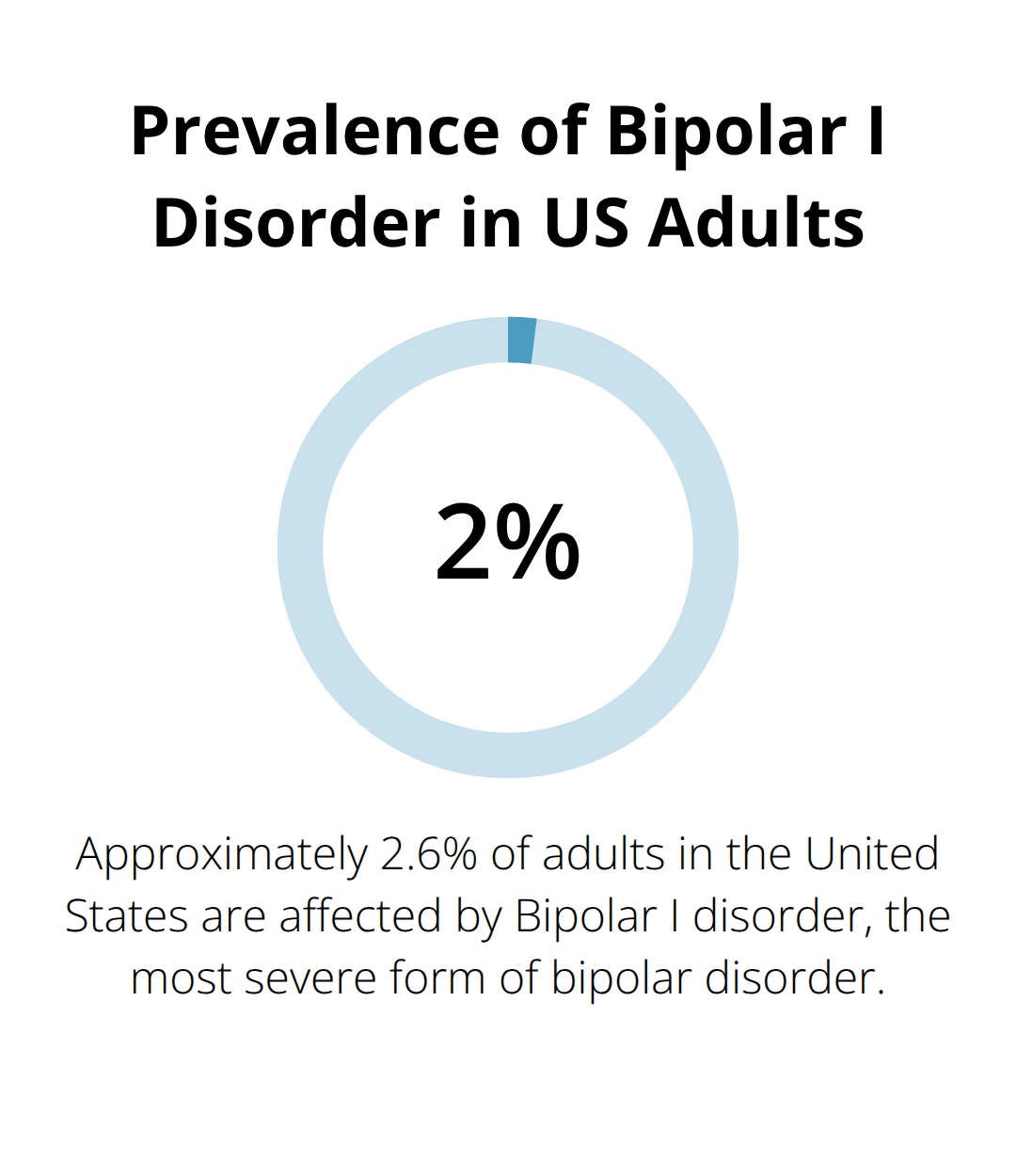
Bipolar I disorder affects approximately 2.6% of adults in the United States, which makes it the most severe form of bipolar disorder.
This condition requires at least one full manic episode that lasts seven days or becomes severe enough to need hospitalization. Manic episodes create extreme energy levels where patients need only three hours of sleep nightly, speak rapidly in pressured speech patterns, and engage in dangerous behaviors like spending thousands of dollars impulsively or driving recklessly. The severity sets Bipolar I apart from other types – these manic episodes often lead to job loss, relationship destruction, or legal problems because the person loses touch with reality.
Bipolar II Brings Different Challenges Through Hypomania
Bipolar II disorder presents with hypomanic episodes that last at least four days but never reach full mania intensity. These episodes involve increased productivity, elevated mood, and reduced sleep needs, but patients maintain some awareness of their behavior changes. The real danger in Bipolar II comes from longer, more frequent depressive episodes that can last months. Research shows that people with Bipolar II spend three times more days in depression than those with Bipolar I (making suicide risk significantly higher). Women experience Bipolar II at higher rates and often cycle between episodes more rapidly than men, particularly around hormonal changes.
Cyclothymic Disorder Creates Persistent Mood Instability
Cyclothymic disorder affects about 1% of the population and involves chronic mood fluctuations for at least two years in adults. Patients experience numerous hypomanic and depressive symptoms that never meet full episode criteria, which creates constant emotional instability. While symptoms appear milder than other types of bipolar disorder, the persistent nature severely impacts relationships and work performance. Many people with cyclothymic disorder develop full bipolar disorder within five to ten years, making early recognition and treatment vital for prevention of progression to more severe forms.
Rapid Cycling Complicates All Bipolar Types
Rapid cycling occurs when someone experiences four or more mood episodes within a year (affecting approximately 10-20% of people with bipolar disorder). This pattern can happen with any bipolar type and creates additional treatment challenges. Women face higher rates of rapid cycling, especially during perimenopause or after childbirth when hormonal changes trigger more frequent episodes. Mental health professionals specializing in Miami psychiatry often see rapid cycling patients who need specialized medication combinations and more frequent monitoring to achieve stability.
Each bipolar type requires different treatment approaches, which makes accurate diagnosis essential for effective care.
Which Treatment Works Best for Bipolar Disorder
Medication Management Forms the Treatment Foundation
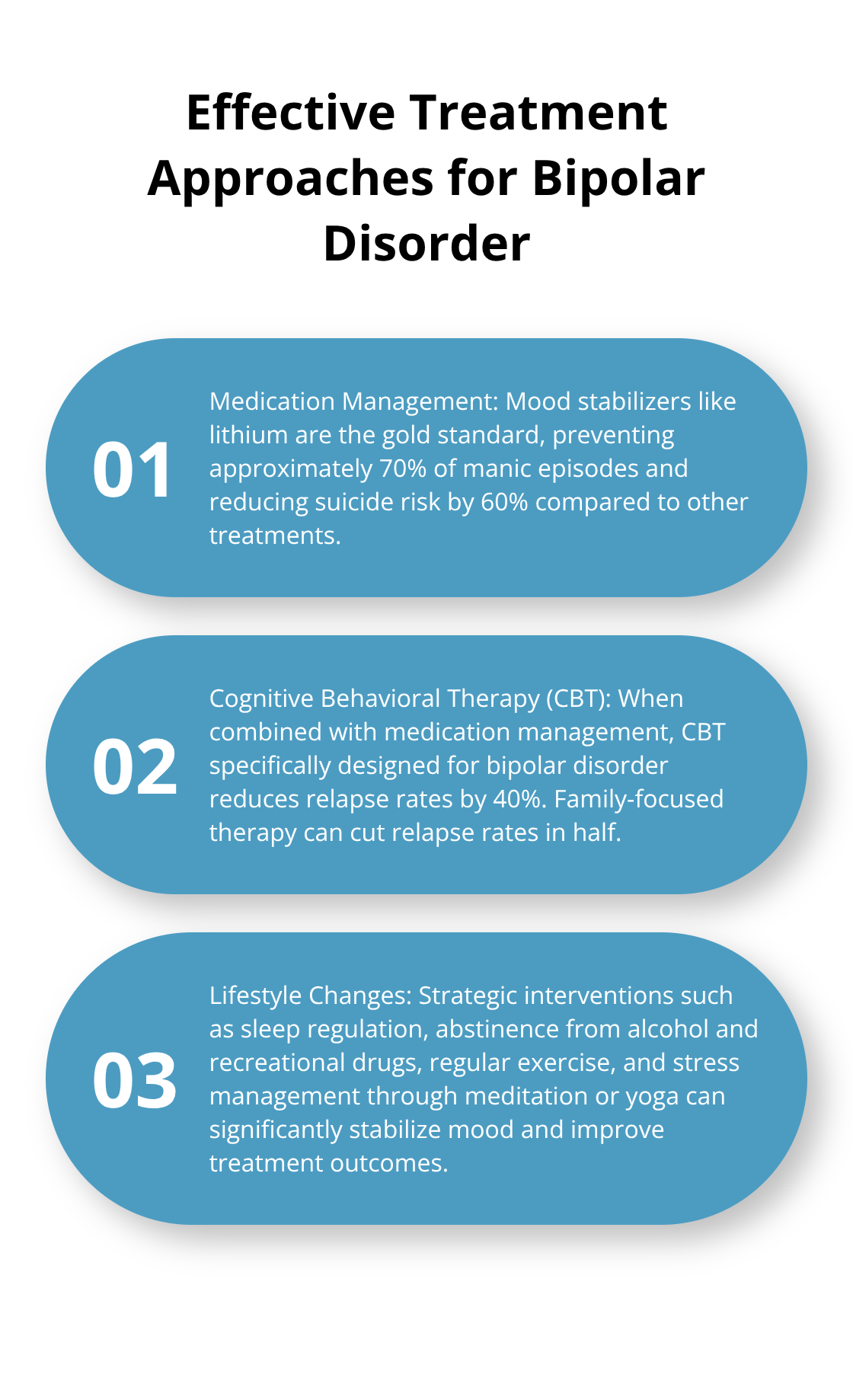
Mood stabilizers represent the gold standard for bipolar disorder treatment, with lithium showing the highest effectiveness rates according to the National Institute of Mental Health. Lithium prevents approximately 70% of manic episodes and reduces suicide risk by 60% compared to other treatments. However, lithium requires regular blood monitoring every three months to prevent kidney damage and thyroid problems. Anticonvulsants like valproate and lamotrigine work better for rapid cycling patients, while atypical antipsychotics such as quetiapine help during mixed episodes when depression and mania occur simultaneously. The key lies in finding the right medication combination within the first six months – patients who achieve stability during this window maintain remission rates above 80% over two years.
Cognitive Behavioral Therapy Prevents Episode Relapse
CBT specifically designed for bipolar disorder reduces relapse rates by 40% when combined with medication management. This therapy teaches patients to recognize early warning signs like decreased sleep or increased goal-directed activity before full episodes develop. Family-focused therapy shows even stronger results and cuts relapse rates in half by teaching family members how to identify triggers and support treatment adherence. Dialectical behavior therapy works particularly well for rapid cycling patients who struggle with emotional regulation between episodes. The most effective approach involves weekly therapy sessions for at least six months, followed by monthly maintenance sessions that continue indefinitely.
Strategic Lifestyle Changes Maximize Treatment Success
Sleep regulation stands as a powerful lifestyle intervention for bipolar disorder. Alcohol and recreational drugs trigger episodes in many cases, making complete abstinence important for stability. Regular exercise equivalent to 150 minutes of moderate activity weekly stabilizes mood through increased BDNF production in the brain. Stress management through meditation or yoga practice decreases cortisol levels that otherwise destabilize mood regulation. Support groups specifically for bipolar disorder provide accountability and practical strategies that medication alone cannot offer, with participants showing better medication adherence rates than those without peer support.
Professional Treatment Centers Provide Comprehensive Care
Specialized treatment centers in areas like Miami and Coral Gables offer integrated approaches that combine medication management with evidence-based therapy. These facilities provide regular monitoring and adjustment of treatment plans based on individual response patterns. Professional teams coordinate care between psychiatrists, therapists, and case managers to address all aspects of bipolar disorder management. Miami psychiatry centers also offer crisis intervention services when episodes occur despite preventive measures.
Final Thoughts
You should seek professional help when mood patterns disrupt your daily life for weeks at a time. Periods of unusually high energy followed by deep depression, sleep changes, impulsive spending, or thoughts of self-harm require immediate psychiatric evaluation. Mental health professionals use standardized assessments during 60-90 minute evaluations to distinguish bipolar disorder from other conditions through detailed questions about mood episodes, family history, and current symptoms.
Patients who understand what is the difference between bipolar disorder and manic depression communicate more effectively with their treatment teams. Both terms describe the same condition, but current terminology improves diagnostic accuracy and treatment outcomes. Mental health professionals can create more precise treatment plans when patients use proper clinical language (rather than outdated terms that carry stigma).
We at Equilibrium Mental Health Services provide comprehensive psychiatric evaluations and evidence-based treatment for mood disorders. Our team creates personalized treatment plans that combine medication management with psychotherapy tailored to individual needs. Contact Equilibrium Mental Health Services today to begin your path toward mood stability and improved quality of life.


