
Depression affects 21 million adults in the United States, with extreme fatigue depression being one of the most debilitating symptoms that patients face daily.
This overwhelming exhaustion goes far beyond normal tiredness and can make even simple tasks feel impossible to complete.
We at Equilibrium Mental Health Services understand how this crushing fatigue impacts every aspect of your life, from work performance to personal relationships.
What Makes Depression Fatigue So Different
Depression fatigue strikes a significant portion of individuals with major depressive disorder, with 41.2% experiencing fatigue according to clinical studies, and it creates a debilitating cycle that extends far beyond ordinary tiredness. Regular fatigue responds to rest, coffee, or quality sleep. Depression fatigue persists despite adequate sleep and actually intensifies with inactivity.
The Neurochemical Foundation of Exhaustion
This exhaustion originates from disrupted neurotransmitter function, particularly low dopamine levels that control motivation and energy regulation. Cleveland Clinic research demonstrates this neurochemical imbalance produces malaise, weakness, and muscle aches that feel like invisible weights throughout your day. Your brain chemistry literally works against energy production, making every task feel monumentally difficult.
Sleep Architecture Breakdown
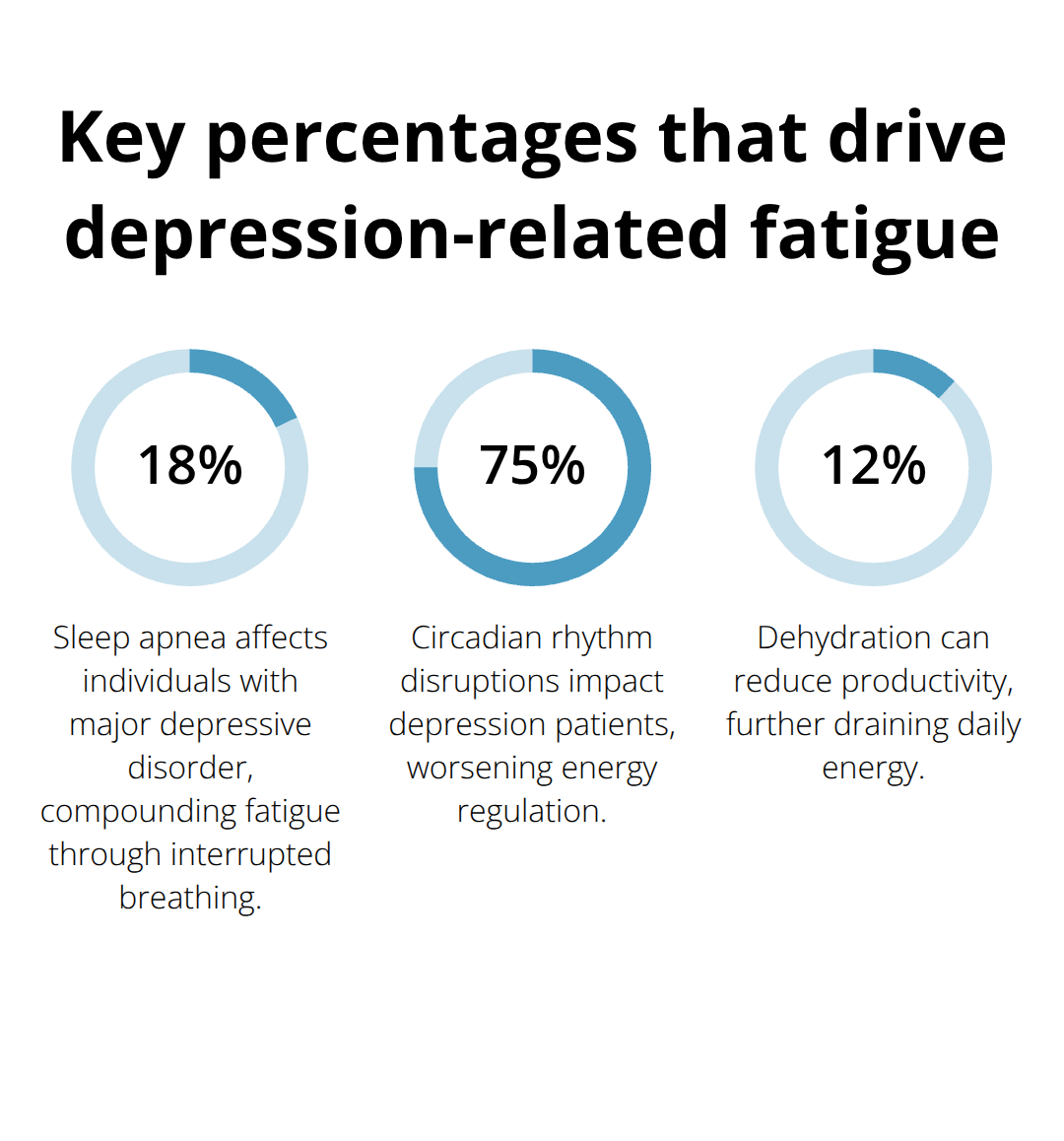
Research shows that people with depression experience significant sleep disturbances that fuel daytime exhaustion. Depression fragments your sleep architecture rather than simply making sleep difficult. Your brain cycles through REM sleep improperly, which prevents the restorative processes that rebuild energy reserves. Sleep apnea affects 18% of individuals with major depressive disorder (National Sleep Foundation), compounding fatigue through interrupted breathing patterns. You wake up more exhausted than when you went to bed, regardless of hours spent sleeping.
Physical Manifestation of Mental Drain
Your brain consumes 20% of your body’s total energy, which makes mental exhaustion a genuine physical drain. Chronic stress from depression elevates cortisol levels, disrupts cellular energy production, and creates inflammation throughout your body. This biological response manifests as heavy limbs, cognitive fog, and the sensation that simple tasks require superhuman effort. The mind-body connection means depression literally rewires your energy systems, creating physical symptoms that mirror the mental struggle.
These complex interactions between brain chemistry, sleep patterns, and physical energy systems require targeted treatment approaches that address multiple factors simultaneously. For comprehensive care, consider consulting with Miami psychiatry professionals who specialize in depression treatment.
What Daily Actions Actually Fight Depression Fatigue
Strategic Sleep Optimization
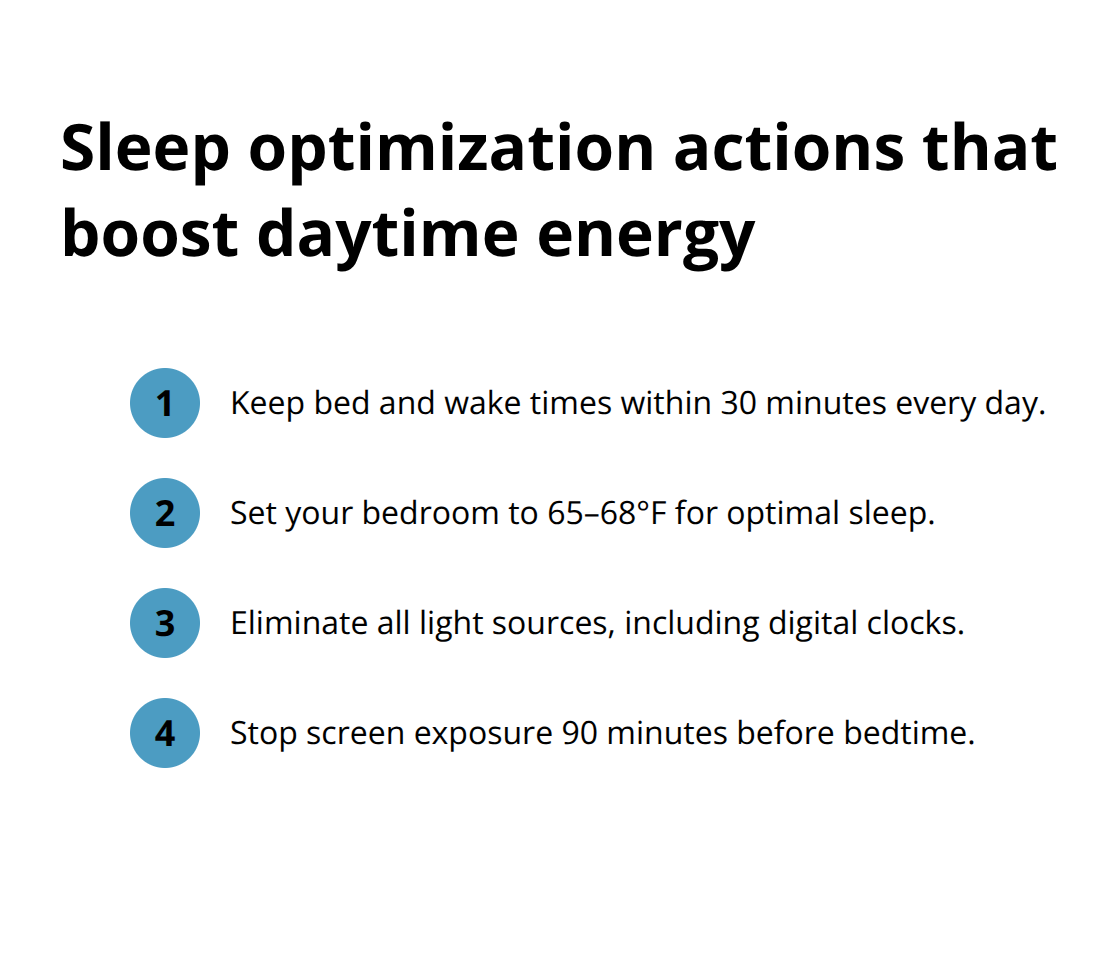
Sleep Foundation research confirms that you must maintain consistent bedtimes and wake times within 30 minutes daily to regulate disrupted circadian rhythms that affect 75% of depression patients. Set your bedroom temperature between 65-68 degrees Fahrenheit, eliminate all light sources including digital clocks, and stop screen exposure 90 minutes before bed. These specific changes address the fragmented REM sleep patterns that prevent energy restoration and help your brain complete necessary repair cycles.
Energy Management Through Smart Pacing
Energy management requires deliberate pacing that contradicts conventional productivity advice. Schedule your most demanding tasks during peak energy windows (typically 10 AM to 2 PM for most people with depression), and alternate high-energy activities with 15-minute rest periods. Start with 10-minute walks after meals to boost dopamine production without overwhelming your system, then gradually build toward the CDC’s recommendation of 150 minutes of moderate exercise weekly.
Targeted Nutrition for Neurotransmitter Support
Nutrition directly impacts neurotransmitter production and energy levels throughout your day. Consume omega-3 rich foods like salmon twice weekly, maintain stable blood sugar through protein at every meal, and drink 64 ounces of water daily since dehydration worsens cognitive performance and productivity by 12%. Anti-inflammatory foods including berries, leafy greens, and nuts support serotonin synthesis while processed foods and added sugars actively deplete energy reserves through inflammatory responses.
These lifestyle modifications work best when combined with professional treatment approaches that address the underlying neurochemical imbalances causing your fatigue. For comprehensive mental health support, consider consulting with specialists in Miami psychiatry who understand the complex relationship between lifestyle factors and depression management.
Which Treatments Actually Work for Depression Fatigue
Medication Strategies That Target Energy and Mood
Antidepressant medication requires strategic selection based on your specific fatigue patterns and energy deficits. SSRIs like sertraline may initially worsen fatigue, though many side effects may go away after the first few weeks of treatment, while SNRIs such as venlafaxine often provide better energy support because they target both serotonin and norepinephrine systems. Bupropion stands out as the most effective option for depression-related fatigue since it increases dopamine levels directly linked to motivation and energy production.
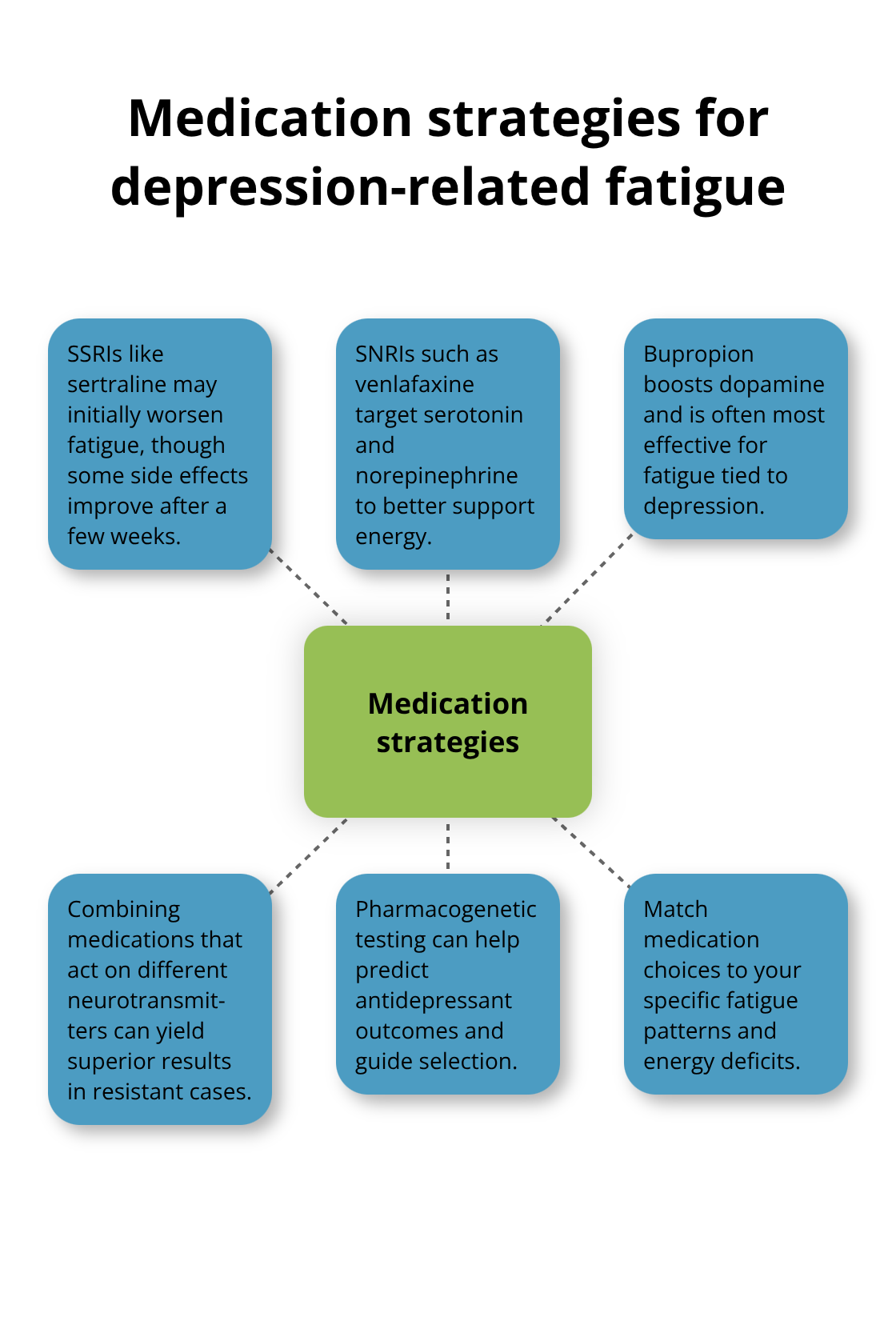
Mayo Clinic research shows that doctors achieve superior results for treatment-resistant cases when they combine medications that target different neurotransmitter systems. Pharmacogenetic tests can potentially optimize the treatment of neuropsychiatric disorders via the prediction of clinical outcomes of antidepressant medications, which eliminates months of trial-and-error approaches that prolong your symptoms.
Therapy Approaches That Build Energy and Motivation
Cognitive Behavioral Therapy addresses the negative thought patterns that drain mental energy and perpetuate fatigue cycles. Behavioral Activation Therapy specifically targets the withdrawal and inactivity that worsen depression fatigue when therapists schedule small, achievable activities that gradually rebuild your capacity for active participation.
Acceptance and Commitment Therapy helps you take positive actions despite persistent fatigue, which proves particularly valuable when energy levels fluctuate unpredictably. Group therapy provides peer support and shared strategies for daily energy challenges, while individual sessions offer personalized coping techniques.
Intensive Treatment Programs for Severe Cases
Intensive Outpatient Programs combine multiple therapeutic approaches with structured support, which creates comprehensive treatment plans that address both depression and fatigue simultaneously through coordinated care approaches. These programs typically meet 3-4 times per week and provide consistent professional guidance during your recovery process.
Electroconvulsive therapy can rapidly reverse severe depression symptoms when other treatments fail, though it may cause temporary memory loss. Vagus nerve stimulation offers another option for treatment-resistant depression through implanted devices that stimulate specific nerve pathways to improve mood regulation (particularly effective for patients seeking Miami psychiatry services in areas like Coral Gables).
Final Thoughts
Extreme fatigue depression responds best to comprehensive treatment that combines professional care with targeted lifestyle modifications. Consistent sleep schedules, strategic energy management, and proper nutrition support neurotransmitter function and restore daily energy levels. These evidence-based approaches work most effectively when paired with appropriate medication management and psychotherapy techniques like Cognitive Behavioral Therapy.
Professional intervention becomes necessary when fatigue persists despite self-care efforts or interferes with basic daily tasks. Warning signs include inability to complete routine activities, social withdrawal, or thoughts of self-harm (early intervention prevents symptom escalation and reduces recovery time). Persistent exhaustion that worsens over time requires immediate medical evaluation.
We at Equilibrium Mental Health Services provide specialized psychiatric care for adults who struggle with depression-related fatigue. Our team creates personalized treatment plans that address your unique symptoms through both medication management and therapeutic approaches. Contact our practice to begin your recovery from extreme fatigue depression and restore your energy levels.


