
Depression affects over 280 million people worldwide, yet many seek alternatives to medication-based treatments. Natural approaches can provide powerful pathways to mental wellness.
We at Equilibrium Mental Health Services understand that healing depression without drugs requires a comprehensive approach combining lifestyle changes, therapy, and social support.
This guide explores evidence-based natural methods that can help restore emotional balance and improve your quality of life.
Which Natural Methods Work Best for Depression?
Exercise Creates Real Chemical Changes
Physical activity triggers measurable improvements in brain chemistry that rival prescription medications. Research shows that exercise is effective for treating depression, with walking or jogging, yoga, and strength training being particularly beneficial. The mechanism works through increased endorphin production and enhanced neurotransmitter function.
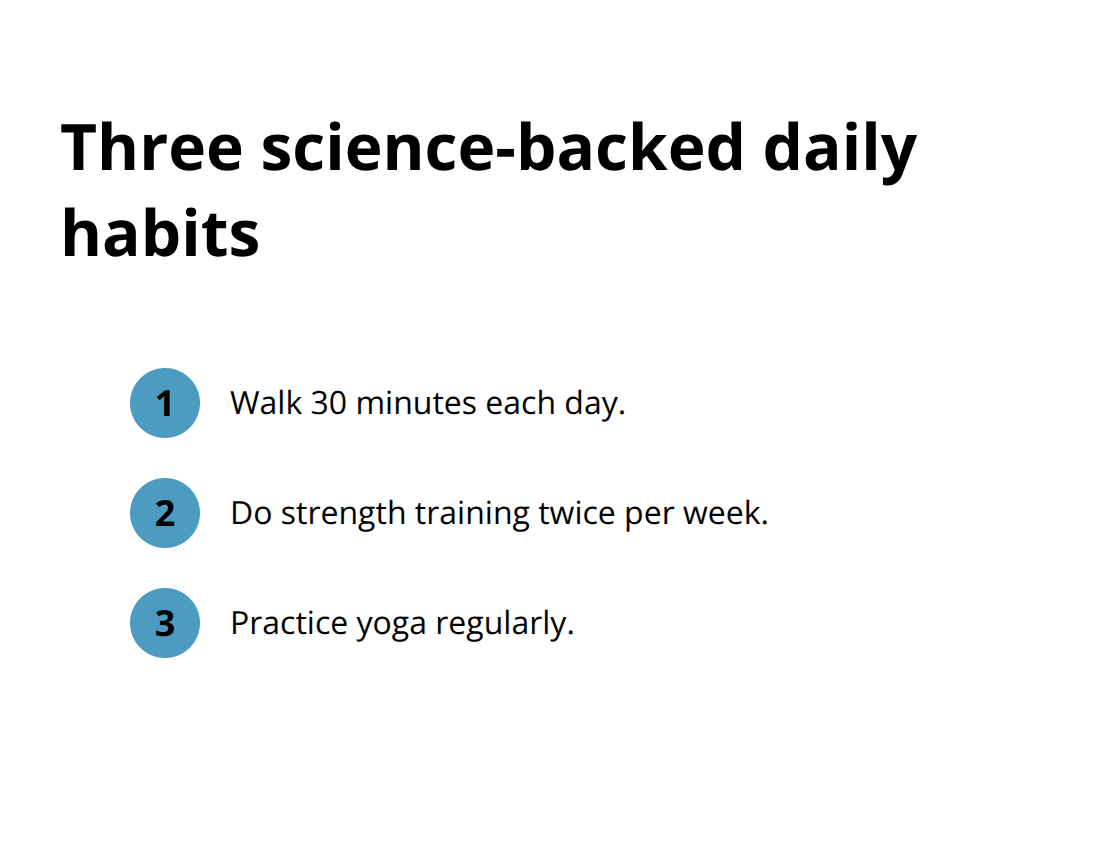
Walking for 30 minutes daily reduces depression symptoms according to research findings. Strength training twice weekly shows similar benefits, with participants experiencing greater mood improvements compared to cardio alone. These changes occur because exercise directly alters brain chemistry in ways that improve mood regulation.
Nutrition Directly Impacts Mood Regulation
Sugar consumption above 67 grams daily increases depression diagnosis risk by 23%. The Mediterranean diet reduces depression risk through omega-3 fatty acids found in fish, nuts, and olive oil. Processed foods containing artificial additives worsen depressive symptoms within hours of consumption.
Omega-3 supplements providing adequate EPA daily improve mood scores in clinical trials. Miami psychiatry professionals often recommend dietary changes as primary interventions because nutritional deficiencies directly affect serotonin production (the brain’s primary mood-regulating neurotransmitter).
Sleep Quality Determines Mental Health Outcomes
Getting 7-9 hours of quality sleep nightly reduces depression risk, while sleep disruption increases cortisol levels that worsen mood disorders within days. Sleep disorders may disrupt hormones and neurotransmitters that impact mood regulation. Poor sleep creates a cycle where depression symptoms worsen, making quality rest even more difficult to achieve.
Sleep hygiene practices like maintaining consistent bedtime schedules and limiting screen time before bed help break this destructive pattern. These foundational changes in exercise, nutrition, and sleep create the biological foundation that makes other therapeutic approaches more effective.
How Therapy Changes Your Brain Chemistry
Cognitive Behavioral Therapy Rewires Thought Patterns
Cognitive Behavioral Therapy produces lasting changes in brain patterns and helps 60-80% of patients with depression achieve significant improvement within 8-12 weeks according to neuroimaging studies. CBT targets the prefrontal cortex where negative thought loops form and teaches specific techniques to interrupt depressive thought patterns. The therapy works when therapists help clients identify distorted thoughts, challenge their accuracy, and replace them with balanced perspectives.
Research published in Depression and Anxiety shows CBT effectiveness matches antidepressant medications for moderate depression, with longer-lasting results that extend 6-12 months after treatment ends. Clients learn to recognize automatic negative thoughts and develop skills to counter them with evidence-based responses.
Mindfulness Meditation Alters Brain Structure
Daily mindfulness practice for 8 weeks increases gray matter density in the hippocampus (the brain region responsible for memory and emotional regulation). A study in NeuroImage found that gratitude journaling activates the medial prefrontal cortex and improves mood regulation within 3 weeks. Mindfulness meditation reduces cortisol levels by 23% and decreases activity in the amygdala, the brain’s fear center.
These structural changes occur through neuroplasticity, where repeated mental practices literally reshape neural pathways. Participants who practice mindfulness for just 10 minutes daily show measurable brain changes within one month of consistent practice.
Creative Expression Activates Healing Pathways
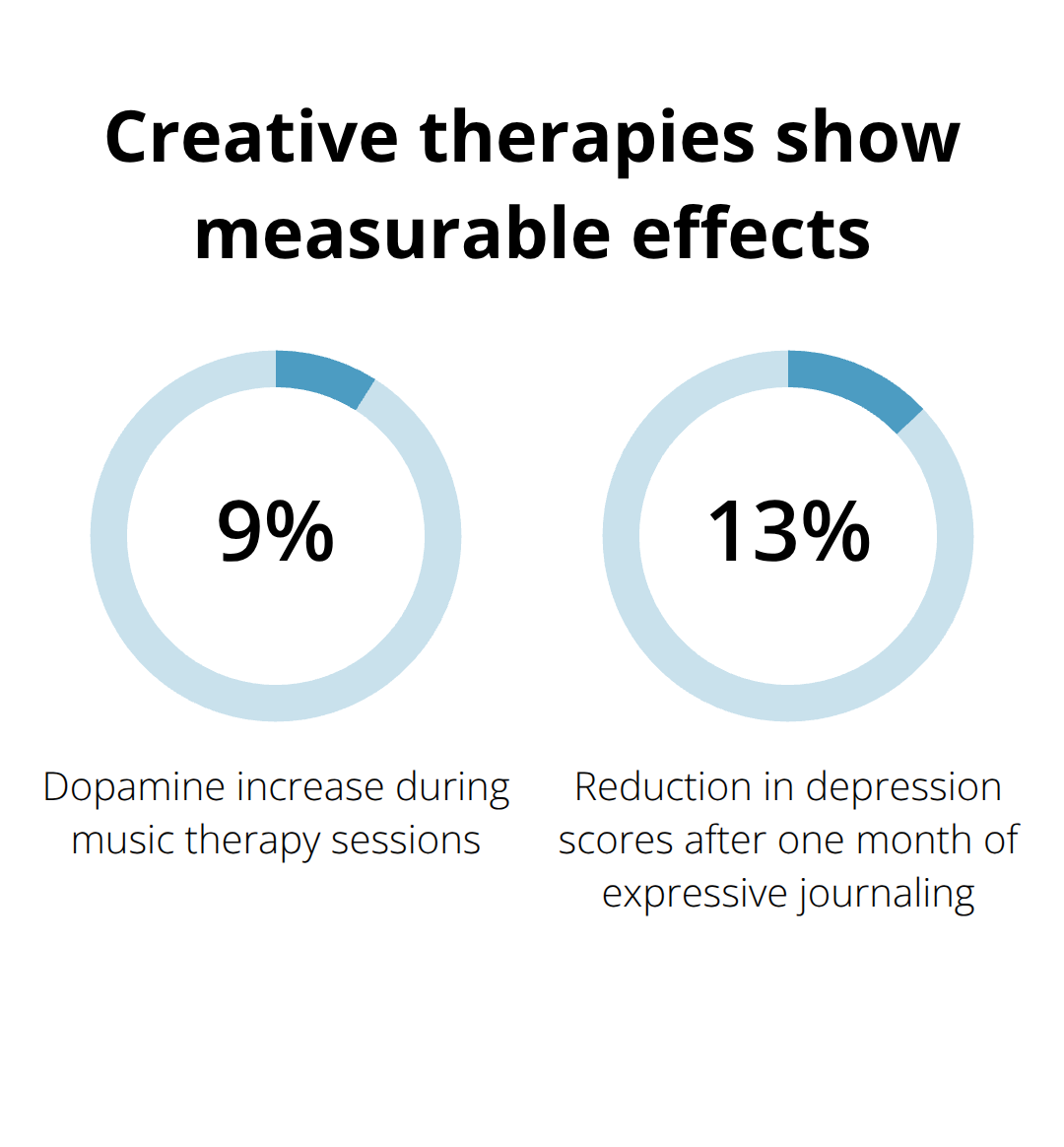
Art therapy engages the right hemisphere of the brain and bypasses verbal processing that often becomes stuck in depressive cycles. Music therapy produces a 9 percent increase in dopamine levels during sessions, with benefits that last 2-3 hours afterward. Writing therapy, particularly expressive journaling for 15 minutes daily, reduces depression scores by 13% within one month according to research in Journal of Clinical Psychology.
These creative interventions work because they access emotional processing through non-verbal channels and allow expression of feelings that cannot be easily verbalized. Art, music, and writing create new neural pathways that support emotional healing and provide alternative outlets for processing difficult emotions.
The brain changes that therapy creates work best when combined with strong social connections and structured daily routines that reinforce positive mental health practices. For comprehensive mental health support, consider consulting with Miami psychiatry professionals who specialize in evidence-based therapeutic approaches.
How Do Social Connections Impact Depression Recovery?
Strong Relationships Reduce Depression Risk by 18%
Strong social connections reduce depression risk according to research showing socially integrated older adults have lower depression rates. Social isolation acts as a significant risk factor for depression, which makes community engagement essential for recovery.
People with depression who maintain at least three close relationships show faster improvement rates and lower relapse rates compared to those who isolate themselves. Volunteering for causes you care about creates regular social interaction and motivates engagement despite depressive symptoms.
Community Activities Provide Essential Support
Sports teams like golf or tennis leagues enhance social connections and provide emotional support. These activities offer structured social interaction that combats the isolation depression often creates. Shared hobbies increase life satisfaction and lower depression rates according to research findings.
Community activities provide a sense of purpose that alleviates feelings of hopelessness. Group participation creates accountability that helps maintain consistent social engagement even when depression symptoms worsen.
Daily Structure Creates Mental Health Stability
Consistent daily routines provide structure that helps manage depression symptoms more effectively. Wake up at the same time each morning, eat meals at regular intervals, and maintain fixed bedtimes to regulate circadian rhythms (which directly affect mood stability).
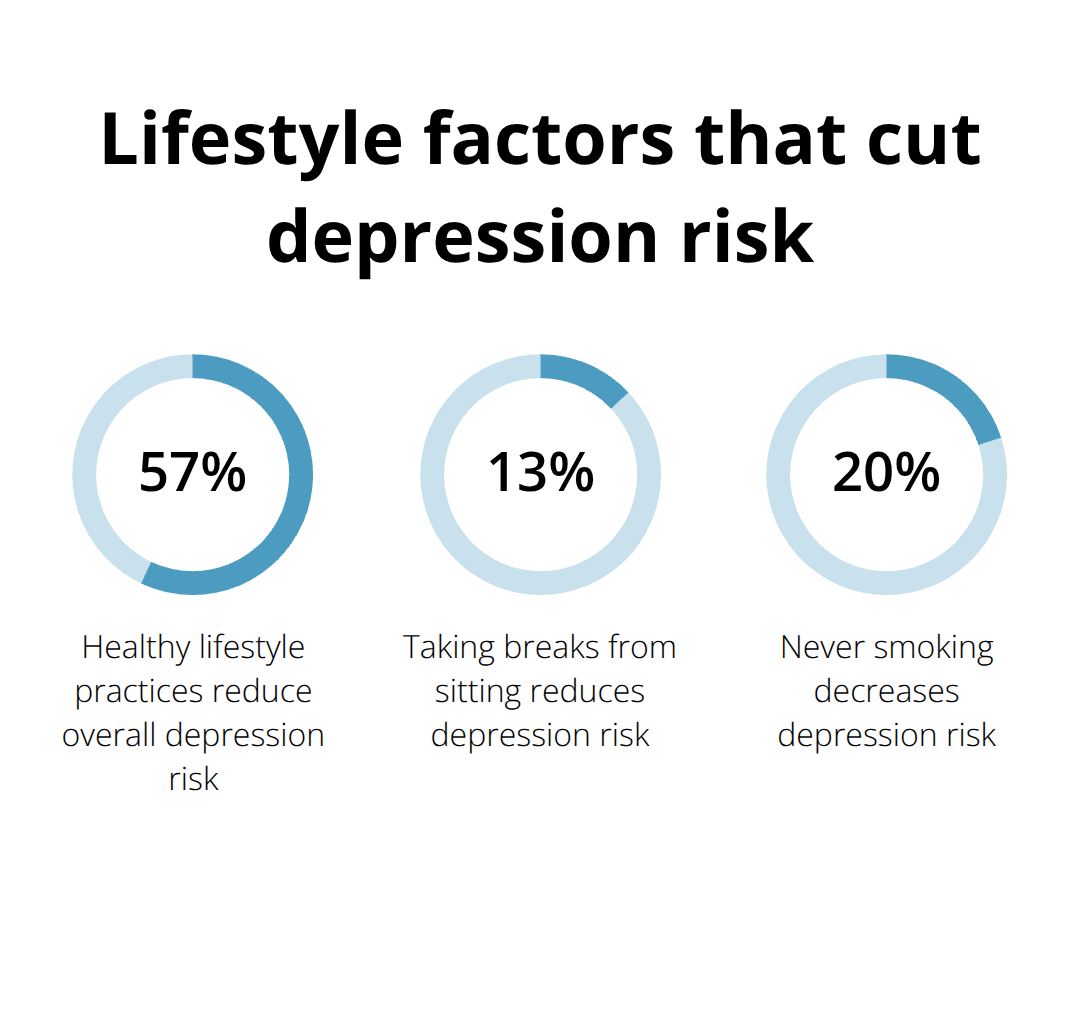
Research found that healthy lifestyle practices reduce depression risk by 57%. Taking breaks from sitting, including screen time, reduces depression risk by 13%. Never smoking decreases depression risk by 20%.
Environmental Changes Support Recovery
Stress management through specific environmental changes helps maintain emotional balance and supports long-term recovery from depression. Reduce clutter in living spaces, limit news consumption to 30 minutes daily, and create designated spaces for relaxation activities.
These environmental modifications work because they reduce external stressors that can trigger depressive episodes. A calm, organized environment supports the brain’s ability to regulate mood and process emotions effectively (particularly important during recovery phases). For professional support, consider consulting with Miami psychiatry specialists.
Final Thoughts
Natural methods for healing depression without drugs work best when you combine them with professional guidance. Research demonstrates that exercise, nutrition, sleep hygiene, therapy, and social connections create measurable improvements in brain chemistry and mood regulation. These approaches address the biological, psychological, and social factors that contribute to depression.
Professional mental health support becomes necessary when depression symptoms persist for more than two weeks, interfere with daily function, or include thoughts of self-harm. We at Equilibrium Mental Health Services recognize that each person’s path to recovery looks different. Our team provides evidence-based psychiatric care that integrates natural approaches with clinical expertise when needed.
The combination of lifestyle changes and professional care produces better outcomes than either approach alone (research consistently supports this integrated model). Take the first step toward healing by recognizing that depression is treatable and that multiple pathways to recovery exist. Contact Equilibrium Mental Health Services to speak with our caring professionals and begin your personalized journey toward mental wellness.


