
Women with ADHD often go undiagnosed for years because their symptoms look different from the hyperactive stereotype. Many struggle with internal challenges like racing thoughts and emotional overwhelm rather than obvious external behaviors.
At Equilibrium Mental Health Services, we see how the right female ADHD test can finally provide answers. Understanding your symptoms is the first step toward getting proper support and treatment.
Why Female ADHD Looks So Different
Women and girls with ADHD face a diagnostic crisis that stems from decades of male-centered research. Studies show that ADHD diagnoses in women aged 30 to 49 nearly doubled between 2020 and 2022, which reveals how many cases went unnoticed for years. The hyperactive boy who bounces off classroom walls became the standard, while girls who daydreamed, forgot assignments, or struggled with emotional regulation received labels as anxious, depressed, or simply difficult.
The Internal Pattern That Hides ADHD
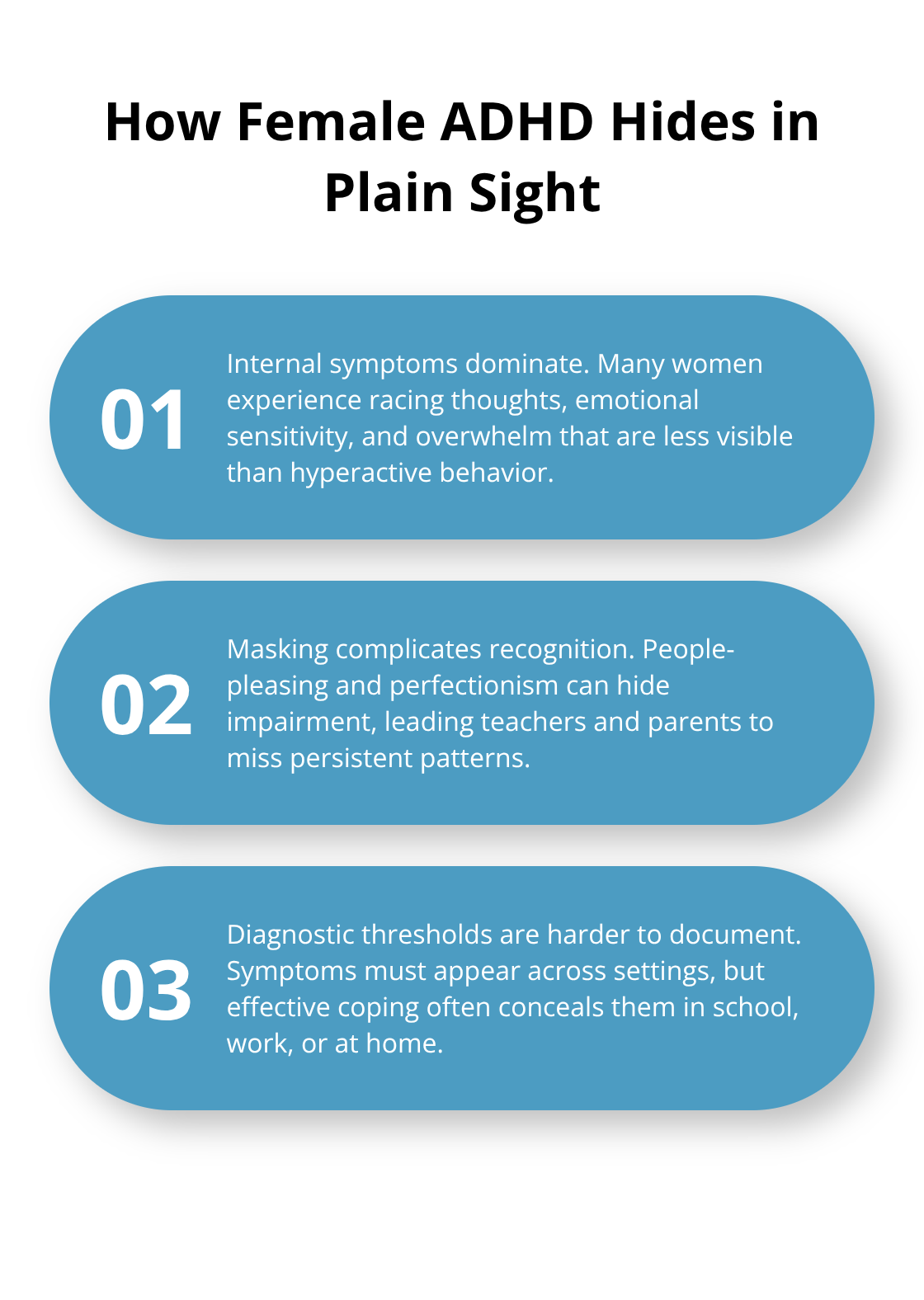
Female ADHD typically manifests through internal struggles rather than disruptive behaviors. Women report chronic overwhelm, racing thoughts, and emotional sensitivity that healthcare providers misinterpret as anxiety disorders. The CDC requires five ongoing symptoms in at least two settings for diagnosis, but women often mask their difficulties so well that teachers and parents miss the signs entirely. Girls with ADHD frequently become people-pleasers who internalize their struggles, which leads to late-night homework sessions and perfectionist tendencies that exhaust them mentally.
The Misdiagnosis Trap That Delays Treatment
Healthcare providers consistently misdiagnose women with anxiety, depression, or mood disorders when ADHD is the underlying issue. Research indicates that most women receive their ADHD diagnosis in their late 30s or 40s, often after their child’s diagnosis or major life transitions trigger recognition. Hormonal changes (particularly during menopause) can worsen ADHD symptoms, which makes proper evaluation through qualified specialists even more important. The American Psychological Association now advocates for understanding ADHD as a women’s issue, but many practitioners still lack training in female presentations.
The Assessment Challenge That Complicates Diagnosis
Traditional ADHD assessments focus on childhood behaviors that girls rarely display openly. Women often compensate for their symptoms through elaborate coping mechanisms that mask their true struggles from evaluators. Standard questionnaires ask about hyperactivity and disruption (behaviors more common in boys), while they overlook the internal chaos that defines female ADHD. This assessment gap explains why ADHD prevalence is estimated at 2.5-5% in adults without proper recognition or support.
Professional evaluation becomes essential when these assessment limitations create barriers to accurate diagnosis and appropriate treatment options. For comprehensive psychiatric care, consider consulting with Miami psychiatry specialists who understand the complexities of female ADHD presentations.
Which ADHD Test Should You Choose
Professional ADHD evaluation requires comprehensive assessment that goes far beyond online questionnaires. The DSM-5 diagnostic criteria often fail to give close attention to details or make careless mistakes in schoolwork, at work, or with other activities, but clinicians trained in adult ADHD recognize that women need specialized evaluation approaches. Recent research published in the Journal of Clinical Psychiatry measured the accuracy, reliability, and validity of online assessment for adult ADHD by comparing results with clinical interviews.
Self-Assessment Tools and Their Role
Self-assessment tools serve as helpful starting points, but they cannot replace thorough professional evaluation. These online questionnaires help you identify potential symptoms and prepare for clinical discussions. However, they often miss the subtle ways women mask their ADHD symptoms through years of compensation strategies. Online tools show varying accuracy rates when compared to clinical assessments, yet their limitations mean they frequently fail to identify true ADHD cases in women.
Professional Diagnostic Standards
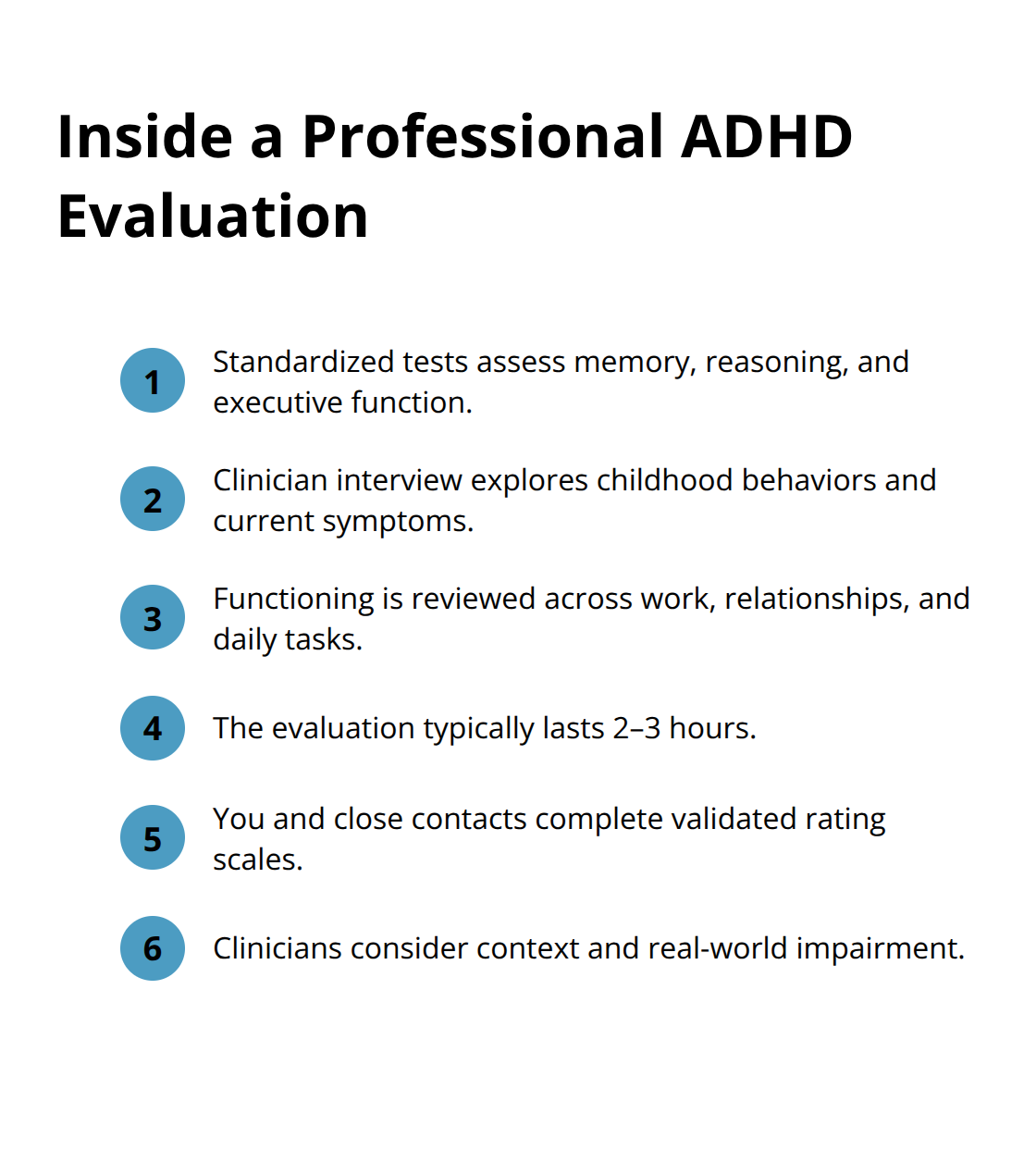
Comprehensive ADHD evaluation involves psychological testing that assesses memory, reasoning, and executive function through standardized measures. Qualified psychiatrists conduct detailed interviews about childhood behaviors, current symptoms, and functional impairments across work, relationships, and daily tasks. The evaluation process typically takes 2-3 hours and includes rating scales completed by you and close contacts who observe your behavior patterns.
For specialized care, consider consulting Miami psychiatry professionals who understand how hormonal changes affect symptoms, particularly during menstrual cycles or menopause when estrogen fluctuations worsen ADHD presentations.
What Happens During Your Assessment
Your ADHD assessment begins with extensive medical and psychiatric history review, focusing on childhood symptoms that may have been overlooked or misattributed to other causes. The clinician explores your coping mechanisms, academic performance patterns, and relationship difficulties that suggest underlying attention deficits. Psychological testing measures attention span, impulse control, and organizational skills through computer-based tasks and paper assessments. The evaluation includes screening for coexisting conditions like eating disorders or mood issues that commonly accompany female ADHD.
Results and Treatment Planning
Results provide specific treatment recommendations including medication options, therapy approaches, and lifestyle modifications tailored to your symptom profile and life circumstances. Educational testing may reveal accommodations needed for standardized exams, while cognitive assessments identify specific working memory deficits that respond to targeted interventions. Once you receive an accurate diagnosis, the focus shifts to creating an effective treatment plan that addresses your unique needs and goals.
How Should Women Treat ADHD
Treatment for women with ADHD requires a targeted approach that addresses both the neurological symptoms and the years of emotional burden from undiagnosed struggles. Stimulant medications like methylphenidate and amphetamines remain first-line treatments, though medication efficacy can vary based on hormonal, biological, and neurophysiological factors. However, hormonal fluctuations during menstrual cycles and menopause can affect medication effectiveness and require dose adjustments throughout the month.
Medication Options That Work for Women
Women often need lower starting doses than men due to differences in metabolism and body composition. Pregnancy considerations make medication planning more complex for women of childbearing age. Non-stimulant options like atomoxetine provide alternatives when stimulants cause side effects or interact with other medications. Healthcare providers must monitor blood pressure and heart rate more closely in women, as they show higher sensitivity to cardiovascular effects from ADHD medications.
Therapy Approaches That Address Female Patterns
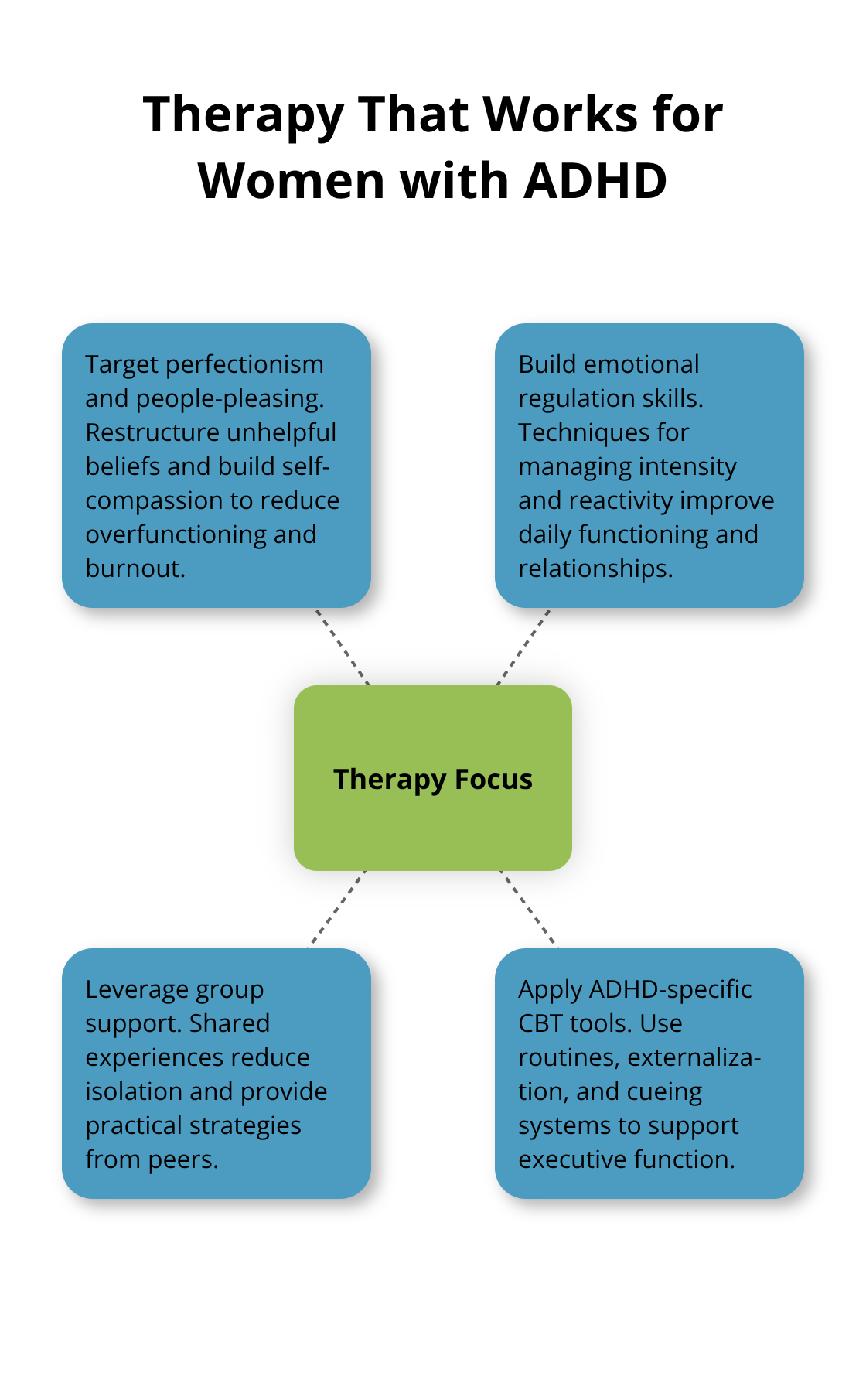
Cognitive Behavioral Therapy specifically designed for ADHD helps women identify and change negative thought patterns that developed from years of feeling different or inadequate. Women benefit most from therapy that addresses perfectionism, people-pleasing behaviors, and the emotional dysregulation that accompanies ADHD. Group therapy provides invaluable peer support, as many women report they feel understood for the first time when they connect with others who share similar experiences.
Support Systems That Create Real Change
Women with ADHD need structured support systems that accommodate their executive function challenges while they build on their strengths. Regular exercise improves attention and mood regulation more effectively than many realize (with just 20 minutes of moderate activity that produces benefits lasting 2-3 hours). Sleep hygiene becomes non-negotiable, as women with ADHD commonly experience sleep disorders including delayed sleep phase syndrome, insomnia, and restless leg syndrome that worsen their symptoms.
Lifestyle Strategies That Complement Treatment
Nutritional support through protein-rich meals and omega-3 supplements can stabilize mood and attention throughout the day. Mindfulness practices help manage the emotional intensity that characterizes female ADHD presentations. The combination of medication and therapy produces better long-term outcomes than either treatment alone, making comprehensive care essential for women seeking effective Miami psychiatry treatment options.
Final Thoughts
An accurate female ADHD test marks the start of your path toward better mental health, not the finish line. Women who receive proper diagnosis report significant improvements in self-esteem and life quality within months of treatment. The relief of finally understanding why daily tasks felt overwhelming can transform your relationship with yourself and others.
We at Equilibrium Mental Health Services understand the unique challenges women face when they seek ADHD evaluation and treatment. Our team provides comprehensive psychiatric care that addresses both ADHD symptoms and the emotional impact of years spent feeling different or misunderstood. We offer personalized treatment plans that combine medication management with evidence-based therapy tailored to your specific needs.
Professional support makes the difference between struggling alone and building effective coping strategies (especially when hormonal changes affect ADHD symptoms throughout different life stages). Whether you need initial evaluation, medication adjustments, or ongoing therapy support, we provide expert care in a supportive, confidential environment. Contact Equilibrium Mental Health Services to schedule your comprehensive ADHD evaluation and begin your path toward improved mental well-being.


