
Many women in their 40s and 50s experience mood changes that leave them wondering: is this depression or perimenopause? The symptoms often overlap significantly, making it difficult to identify the root cause.
At Equilibrium Mental Health Services, we see how hormonal fluctuations can mimic or trigger depressive episodes. Understanding the differences between these conditions is essential for getting the right treatment and feeling like yourself again.
Why Do Depression and Perimenopause Look So Similar?
Hormonal Impact on Brain Chemistry
Estrogen and progesterone control serotonin, dopamine, and GABA production in your brain. These hormones fluctuate wildly during perimenopause and disrupt the same neurotransmitter pathways that clinical depression affects. A Newson Health survey found that 84% of women reported feeling anxious or stressed since becoming perimenopausal or menopausal. Perimenopause is associated with the most elevated risks of depression according to data from over 9,000 women.
The Shared Symptom Challenge
Both conditions present with sleep disturbances, appetite changes, irritability, and concentration difficulties. The likelihood of experiencing depressed mood during perimenopause is approximately three times higher than in other life stages. However, perimenopausal women often maintain daily activities and appear well-presented, while severe clinical depression typically impairs basic functioning. This hormonal turbulence can mimic or intensify premenstrual mood symptoms, leading to prolonged sadness, irritability, or anxiety. Hormonal fluctuations during perimenopause can last up to a decade and often create more severe symptoms than menopause itself.
Age-Related Risk Factors
Women who enter their 40s face multiple stressors simultaneously: career pressures, aging parents, teenage children, and relationship changes. These life circumstances coincide with declining estrogen levels and create a perfect storm for mood disorders. Many perimenopausal women experience depressive symptoms, while fluctuating estradiol levels serve as key predictors of depression during this phase.
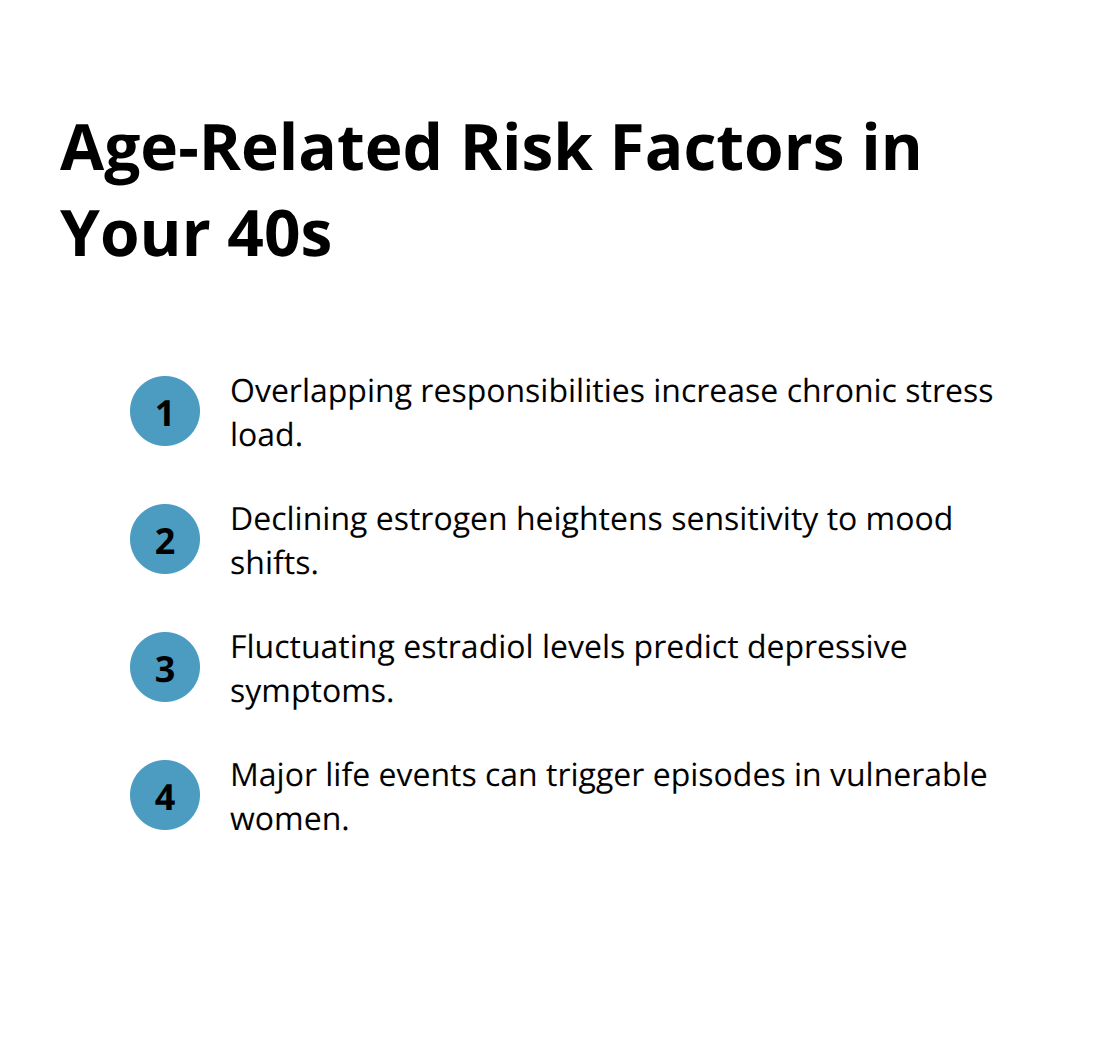
Stressful life events like divorce or parent loss can trigger depressive episodes in hormonally vulnerable women. For comprehensive mental health support during this transition, consider consulting with Miami psychiatry professionals.
Physical Symptoms That Confuse Diagnosis
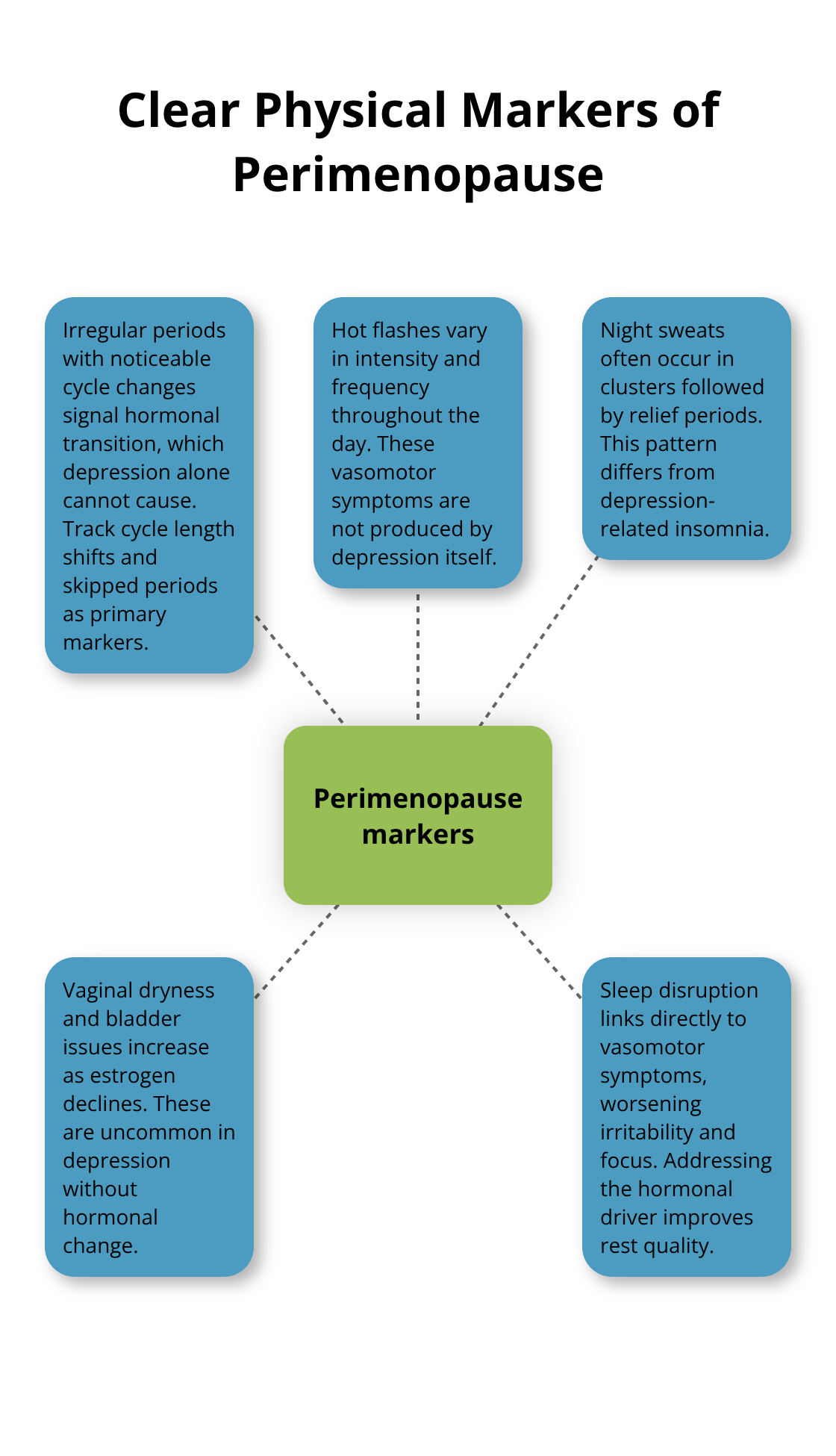
Hot flashes, night sweats, and irregular periods mark perimenopause clearly, but these physical changes often accompany mood symptoms that mirror depression. Sleep disruption from night sweats can worsen irritability and concentration problems. Joint aches and fatigue (common in perimenopause) can feel identical to the physical symptoms of depression.
This symptom overlap makes professional evaluation essential for accurate diagnosis and appropriate treatment planning.
How Can You Tell Them Apart?
Depression Without Hormonal Triggers
Depression that exists independently of hormonal changes follows predictable patterns that differ markedly from perimenopause. Classic depression symptoms persist regardless of menstrual cycle timing and typically worsen gradually over weeks or months. Women with standalone depression experience consistent low mood, loss of interest in previously enjoyed activities, and significant changes in sleep and appetite that don’t fluctuate with hormonal cycles.
These symptoms often begin without clear triggers and affect all areas of life equally. Research shows that women with no prior depression history are more likely to develop depression during perimenopause, but those who experience depression outside hormonal transitions show different symptom presentations.
Physical Markers That Signal Perimenopause
Perimenopause creates unmistakable physical markers that depression alone cannot produce. Irregular periods serve as the primary indicator, with cycle variations of seven days or more that signal early perimenopause. Hot flashes affect the majority of perimenopausal women and vary dramatically in intensity and frequency throughout the day.
Night sweats disrupt sleep patterns in ways that differ from depression-related insomnia, often occurring in clusters followed by periods of relief. Vaginal dryness and bladder issues become increasingly common as estrogen levels decline (symptoms rarely seen in depression alone). These physical changes provide clear diagnostic clues that help distinguish hormonal transitions from mood disorders.
Timeline Patterns That Reveal the Cause
The timeline provides major clues about the underlying condition. Perimenopausal symptoms typically begin in the late 30s to early 50s and coincide with menstrual irregularities, while depression can emerge at any age without connection to reproductive changes. Women who experience perimenopause often maintain their appearance and daily routines despite mood changes, contrasting with severe depression that typically impairs basic self-care and function.
Hormonal mood changes tend to fluctuate with monthly cycles and may improve during certain weeks, while clinical depression maintains consistent severity regardless of timing. Understanding these distinct patterns helps healthcare providers, including specialists in Miami psychiatry, develop targeted treatment approaches that address the specific underlying causes.
Which Treatment Actually Works
Depression Treatment That Gets Results
Antidepressants work effectively for moderate to severe depression, with SSRIs like sertraline and SNRIs like venlafaxine showing strong success rates in clinical trials. Research demonstrates that these medications can also reduce hot flashes by 50-65%, making them particularly useful when depression coincides with perimenopausal symptoms. Cognitive Behavioral Therapy produces lasting changes in brain patterns and helps 60-80% of patients with depression achieve significant improvement within 12-16 weeks.
Hormone Replacement Therapy Changes Everything
The NICE menopause guidelines recommend HRT as the first-line treatment for perimenopausal mood symptoms. Many women report dramatic relief within just a few weeks of starting the correct dosage. HRT addresses the root hormonal cause rather than masks symptoms, making it far more effective than antidepressants for hormone-related mood changes. However, over one-third of women receive antidepressant prescriptions instead of HRT when they seek help for menopause symptoms (a concerning trend that delays proper treatment).
Lifestyle Interventions That Support Recovery
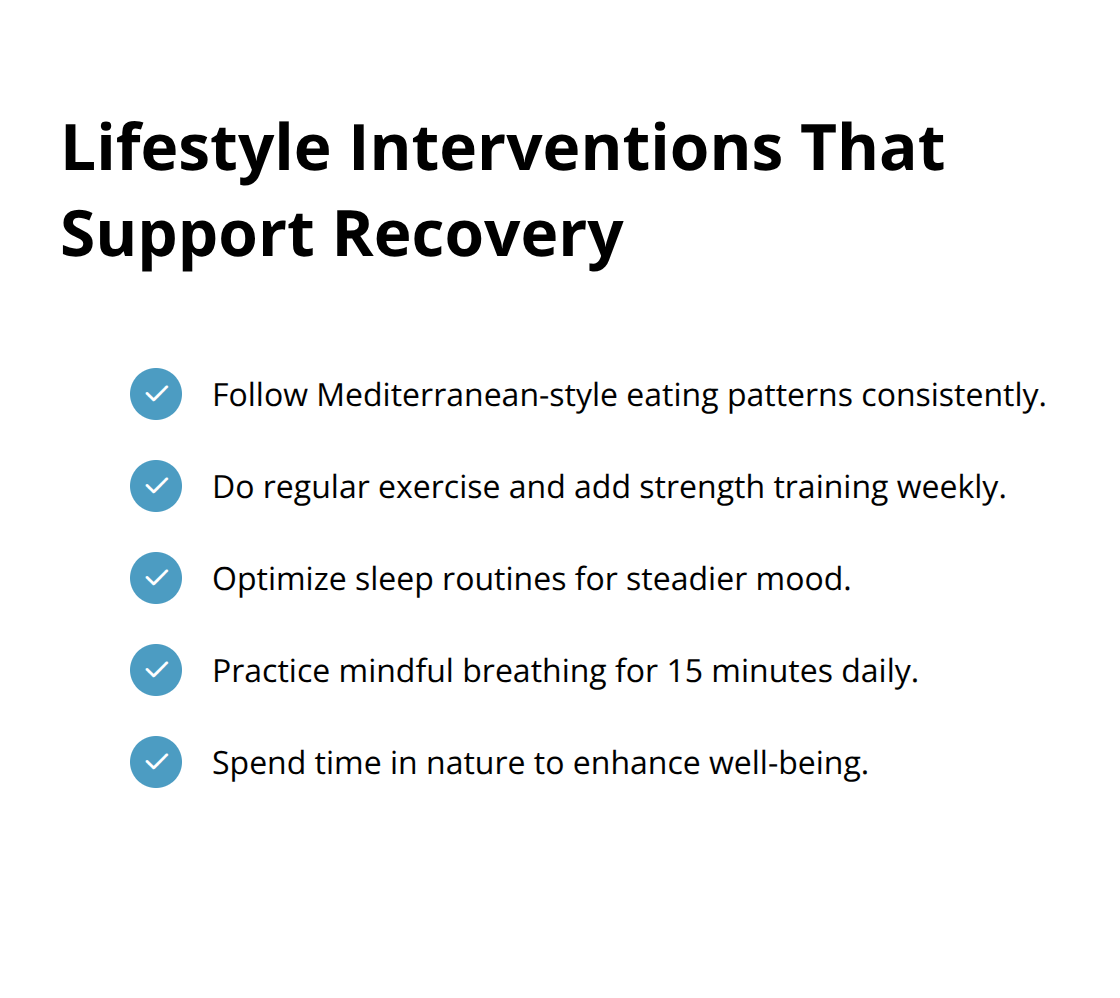
Mediterranean diet patterns reduce both depressive symptoms and menopausal severity significantly. Regular exercise improves serotonin levels and bone density simultaneously, with strength training particularly beneficial during perimenopause. Sleep optimization techniques help stabilize mood fluctuations, while mindful breathing for 15 minutes daily provides additional mood stabilization during this transition. Quality sleep and time spent in nature can improve mood alongside these dietary changes.
Combined Treatment for Maximum Impact
When both depression and perimenopause occur together, integrated treatment produces the best outcomes. This approach might include low-dose HRT to stabilize hormonal fluctuations combined with targeted psychotherapy to address depressive thought patterns and coping strategies. Some women benefit from temporary antidepressant support during the most challenging phases of hormonal transition, then taper off as HRT takes full effect. For comprehensive mental health support, consider consulting with Miami psychiatry professionals who understand the complex relationship between hormones and mood. Medical supervision remains essential when anyone discontinues psychiatric medications to manage withdrawal symptoms safely and effectively.
Final Thoughts
Professional expertise goes beyond symptom checklists when you need to determine depression or perimenopause. Hormonal fluctuations can trigger genuine depressive episodes, while existing depression often worsens during this transition. Self-diagnosis leads to inappropriate treatment and prolonged suffering.
We at Equilibrium Mental Health Services understand the complex relationship between hormones and mental health. Our team provides comprehensive psychiatric care that addresses both conditions when they occur together. We create personalized treatment plans that consider your unique hormonal and psychological needs (whether you need HRT, antidepressants, therapy, or combined approaches).
Women who receive appropriate treatment for their specific condition report significant improvement within weeks rather than months of struggle. Professional guidance makes the difference between symptom management and genuine recovery. Contact Equilibrium Mental Health Services to speak with our caring professionals and begin your journey toward balance and well-being.


