
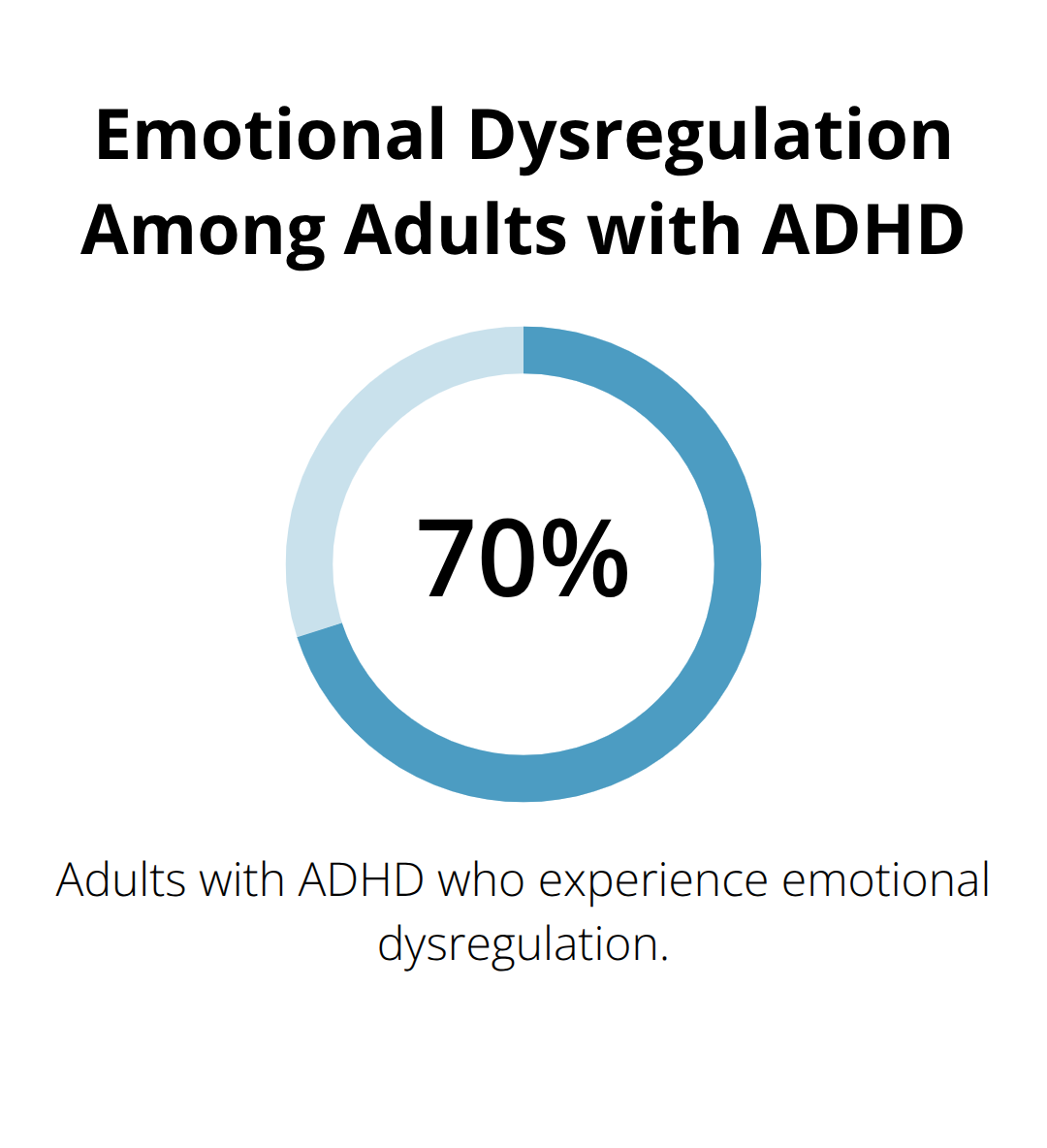
Adults with ADHD face intense emotional ups and downs that can disrupt daily life. Research shows that 70% of adults with ADHD struggle with emotional dysregulation, leading to relationship conflicts and workplace challenges.
ADHD emotional regulation skills can be learned and improved with the right strategies. We at Equilibrium Mental Health Services see remarkable progress when clients apply evidence-based techniques consistently.
What Happens Inside the ADHD Brain During Emotional Storms
The Neurological Reality of ADHD Emotional Chaos
ADHD fundamentally rewires how your brain processes emotions. The prefrontal cortex, responsible for emotional control, functions poorly in adults with ADHD. This creates a biological disadvantage where emotional reactions bypass rational thought. Studies show that ADHD brains have amygdala abnormalities, which lead to heightened emotional reactivity and reduced access to logical responses during stress.
Your brain struggles with working memory deficits that make it nearly impossible to pause and consider appropriate emotional responses when triggered. Over 50% of adults with ADHD develop anxiety disorders, while nearly half experience depression. This isn’t weakness or poor character – it’s neurological reality that requires specific intervention strategies.
Why Traditional Emotional Control Methods Fail ADHD Adults
Standard anger management and emotional regulation techniques often backfire for ADHD brains. The typical advice to count to ten or take deep breaths assumes your prefrontal cortex can engage rationally during emotional peaks. Research demonstrates that weak working memory in ADHD compromises your ability to manage emotional responses effectively.
Rejection Sensitive Dysphoria is extreme emotional sensitivity and pain as a result of real or perceived rejection, affecting individuals with ADHD. This creates heightened emotional sensitivity to perceived criticism or failure. Triangle breathing (inhale for 4 counts, hold for 4, exhale for 6) specifically counteracts the fight-or-flight response that overwhelms ADHD brains during emotional crises.
How ADHD Brains Process Emotional Information Differently
The ADHD brain operates like a Ferrari with bicycle brakes – powerful acceleration with limited stopping power. Your amygdala fires faster and stronger than neurotypical brains, while your prefrontal cortex lags behind in response time. This creates a perfect storm where intense emotions flood your system before rational thought can intervene.
Executive function deficits compound this problem. You may recognize that your emotional response is disproportionate, but lack the neurological tools to regulate it in real-time. Professional Miami psychiatry services understand these neurological differences and develop targeted approaches that work with your brain’s unique wiring.
Physical Warning Signs Your ADHD Brain Sends
Your body broadcasts emotional storms before they hit full force. Track physical warning signs like headaches, chest tightness, or muscle tension that precede emotional outbursts. The HALT method helps identify if you’re Hungry, Angry, Lonely, or Tired – states that amplify ADHD emotional volatility.
Document your emotional triggers in a daily journal, noting specific situations, times, and physical sensations. This data reveals patterns that generic emotional advice misses. Metacognitive skills help you observe your emotions objectively rather than become consumed by them.
These patterns form the foundation for targeted strategies that actually work with your ADHD brain structure, rather than against it.
What ADHD Emotional Regulation Strategies Actually Work
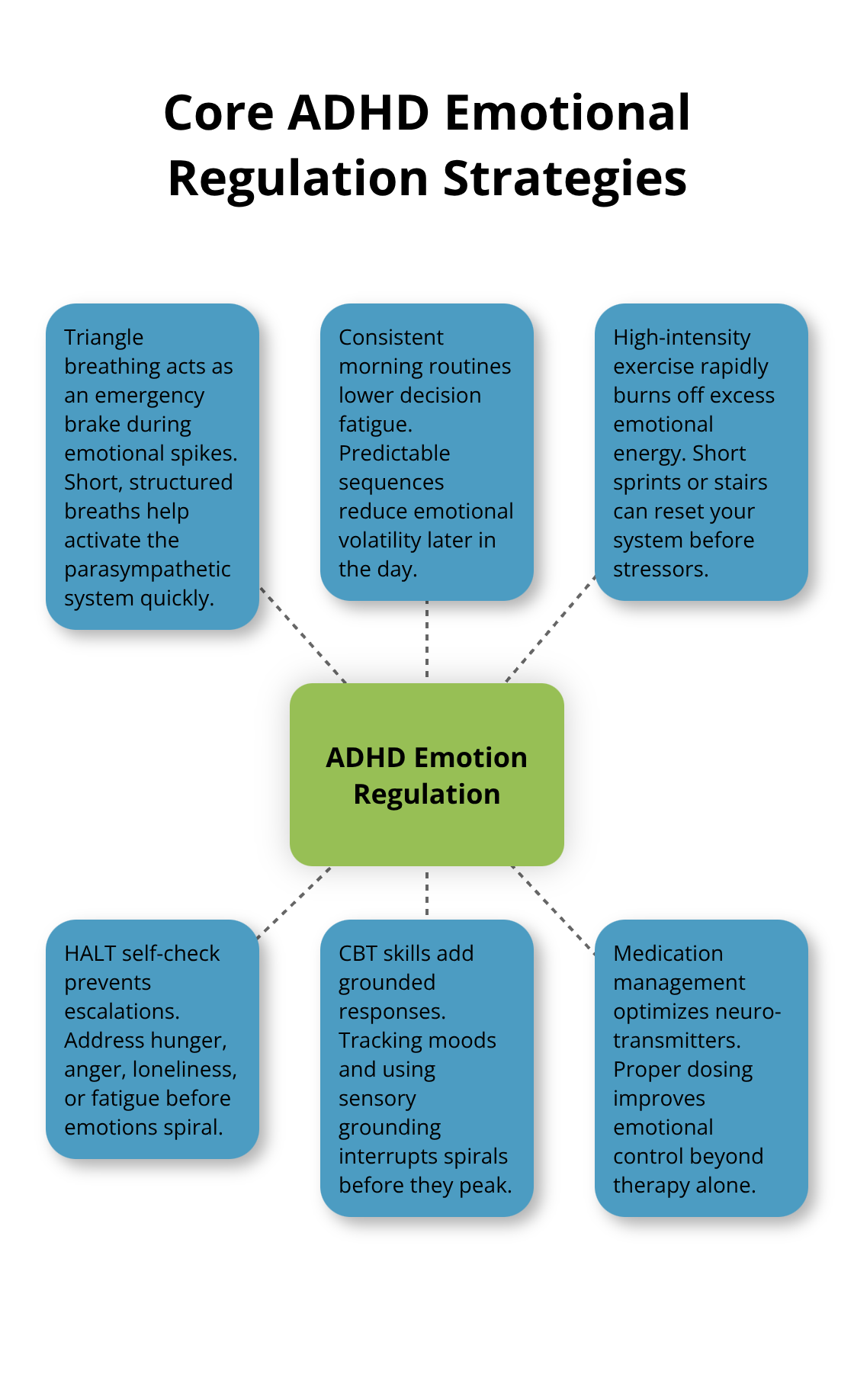
Triangle breathing acts as your emergency brake when emotions spiral out of control. Inhale for 4 counts, hold for 7, then exhale for 8 counts to activate your parasympathetic nervous system. This technique specifically counters the fight-or-flight response that overwhelms ADHD brains during emotional peaks. Practice this technique 10 times daily when calm to build muscle memory for crisis moments. Research from the American Psychological Association shows mindfulness-based therapy reduces depression, stress, and anxiety symptoms across over 200 studies.
Morning Routines That Prevent Afternoon Meltdowns
Structure your day to prevent emotional overwhelm before it starts. Wake up at the same time daily and complete identical morning tasks in sequence – shower, breakfast, medication, then leave. This predictable routine reduces decision fatigue that triggers emotional volatility in ADHD brains.
Set phone alarms every 2 hours to check your emotional temperature on a 1-10 scale. Scores above 6 require immediate intervention through physical movement or focused attention techniques. Adults who maintain consistent sleep schedules show better emotional regulation than those with irregular patterns.
High-Intensity Exercise as Emotional Reset
Vigorous physical activity acts as a reset button for dysregulated ADHD emotions. Sprint for 30 seconds, do jumping jacks, or climb stairs rapidly to burn off excess emotional energy. The key is intensity – gentle walks won’t create the neurochemical changes needed.
Exercise increases dopamine and norepinephrine production (the same neurotransmitters targeted by ADHD medications). Schedule 20 minutes of intense movement daily, preferably before high-stress situations like work meetings or difficult conversations. Track your emotional state before and after exercise to build awareness of its regulatory effects.
The HALT Method for Emotional Prevention
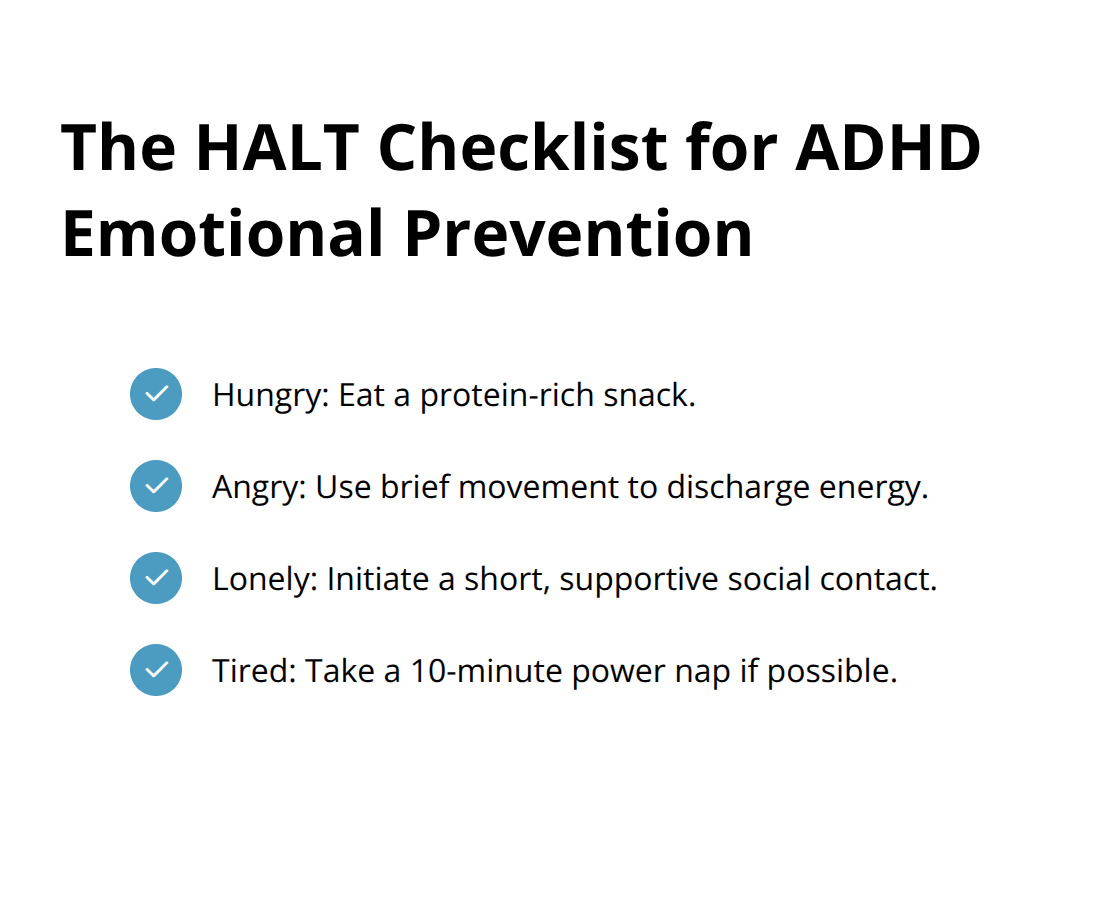
Check if you’re Hungry, Angry, Lonely, or Tired before emotions escalate beyond control. These four states amplify ADHD emotional volatility and create perfect conditions for meltdowns. Address hunger with protein-rich snacks, loneliness through brief social contact, and fatigue with 10-minute power naps when possible.
The HALT assessment takes 30 seconds but prevents hours of emotional recovery time. Adults with ADHD who use this method report fewer emotional outbursts within the first month of consistent practice.
Professional treatment options can provide additional support when self-management strategies need reinforcement through Miami psychiatry or specialized therapy approaches.
What Professional Treatment Actually Changes ADHD Emotional Chaos
Medication Management Transforms Emotional Regulation
Medication management transforms ADHD emotional regulation in ways that therapy alone cannot achieve. Stimulant medications like Adderall and Ritalin increase dopamine and norepinephrine levels, directly addressing the neurochemical imbalances that fuel emotional dysregulation. Research shows these medications reduce emotional outbursts by 60-70% within the first month of treatment.
Alpha agonists such as guanfacine provide effective treatment for adults with ADHD symptoms. These medications work specifically on the brain’s emotional control centers (targeting different pathways than stimulants). Monoamine oxidase inhibitors like Parnate offer another option, with clinical studies showing effectiveness for both ADHD symptoms and emotional regulation without the controlled substance restrictions of stimulants.
Cognitive Behavioral Therapy Techniques That Target ADHD Emotions
CBT for ADHD focuses on practical skills rather than exploring past trauma or childhood experiences. CBT exercises help boost focus and manage symptoms through actionable techniques designed for ADHD brains. This structured approach bypasses the emotional flooding that overwhelms ADHD brains during conflict.
Therapists teach specific grounding techniques using all five senses to interrupt emotional spirals before they peak. Daily mood tracking with numerical ratings creates objective data that reveals emotional patterns invisible during crisis moments. Adults who complete 12-16 CBT sessions show measurable improvements in emotional regulation skills within three months.
Specialized ADHD Treatment in Miami
Miami offers specialized ADHD treatment through neurodiversity-affirming professionals who understand the unique challenges adults face. These specialists create personalized treatment plans that integrate multiple approaches based on individual neurological needs and life circumstances (rather than generic one-size-fits-all methods).
Working with professionals who specialize in adult ADHD prevents the trial-and-error approach that wastes months with generic treatments that ignore ADHD brain differences. Coral Gables and Brickell areas provide access to comprehensive care that addresses both ADHD symptoms and emotional dysregulation through evidence-based approaches. For specialized Miami psychiatry services, adults can find targeted treatment options.
Final Thoughts
ADHD emotional regulation requires targeted strategies that work with your brain’s unique structure. The techniques outlined in this guide provide immediate tools for emotional storms, while professional treatment creates lasting neurological changes that self-help alone cannot achieve. Adults with ADHD who combine evidence-based strategies with professional support see the most dramatic improvements in emotional stability.
Your emotional struggles aren’t character flaws but neurological differences that respond well to proper treatment approaches. Research shows that 70% of adults with ADHD experience emotional dysregulation, yet targeted interventions can reduce emotional outbursts by 60-70% within the first month. Professional medication management and specialized therapy address both ADHD symptoms and emotional regulation challenges through personalized approaches.
We at Equilibrium Mental Health Services understand the complex relationship between ADHD and emotional dysregulation. Our team provides treatment plans that address both ADHD symptoms and emotional regulation challenges (combining medication management with psychotherapy when appropriate). If you’re ready to develop better ADHD emotional regulation skills and regain control over your emotional responses, contact Equilibrium Mental Health Services today.


