
Depression affects millions of Americans, but not all forms are the same. Understanding dysthymic disorder vs major depression helps people recognize their symptoms and seek appropriate treatment.
At Equilibrium Mental Health Services, we see how these two conditions impact lives differently. Both require professional care, yet their treatment approaches often vary significantly.
What Makes These Two Depressions Different
Persistent Depressive Disorder affects approximately 1.5% of adults in the United States according to the National Institute of Mental Health, while Major Depressive Disorder impacts about 8.3% of the adult population. PDD requires symptoms to persist for at least two years without more than a two-month break, which creates a chronic low-grade depression that many people mistake for their normal personality.
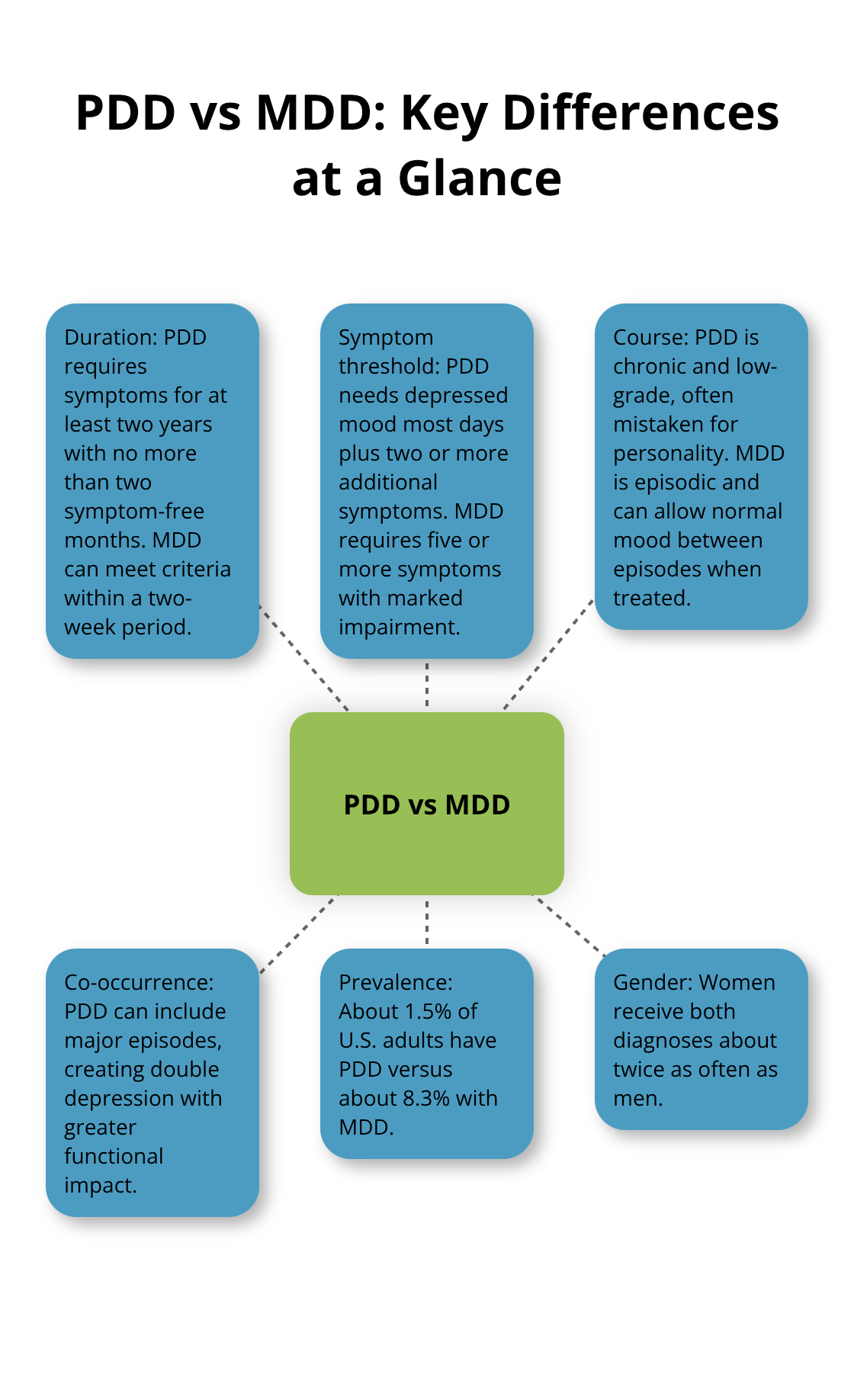
The National Institute of Mental Health reports that individuals must experience a depressed mood most days, plus at least two additional symptoms like poor appetite, insomnia, low energy, or difficulty with concentration. Major Depressive Disorder strikes more acutely and requires five or more symptoms within just two weeks, which include significant weight changes, sleep disturbances, or recurrent thoughts of death.
The Chronic Nature of Persistent Depression
People with PDD often describe that they feel like they have always been sad or empty, which makes it harder to recognize as a treatable condition. The symptoms become so ingrained that family members and friends may view this as the person’s natural temperament rather than a medical condition that requires intervention. Research shows that individuals with PDD frequently experience major depressive episodes, which creates what clinicians call double depression. This combination significantly worsens daily function and requires more intensive treatment approaches that often involve both medication and psychotherapy.
How Major Depression Disrupts Life Immediately
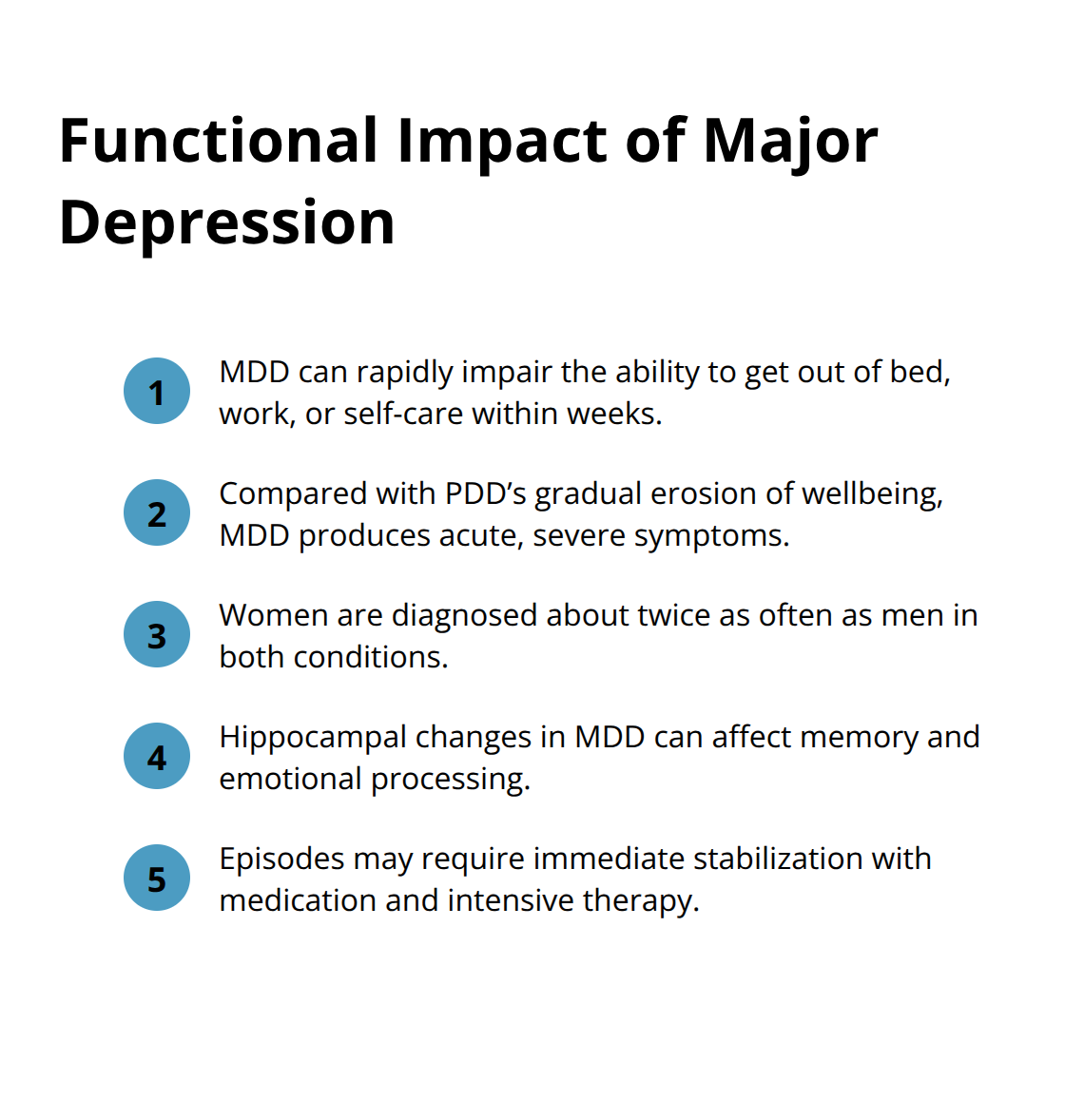
Major Depressive Disorder creates immediate and severe disruption to work, relationships, and daily activities. The hippocampus often shows structural changes in MDD patients according to research by Hao and colleagues (2020), which affects memory and emotional processing in ways that make simple tasks feel overwhelming. Unlike PDD’s gradual erosion of wellbeing, MDD can render someone unable to get out of bed, maintain employment, or care for themselves within weeks. Women receive both diagnoses twice as often as men, though the reasons remain complex and involve both biological and social factors that mental health professionals continue to study.
Symptom Patterns That Set Them Apart
The symptom patterns between these conditions show distinct differences that help mental health professionals make accurate diagnoses. PDD symptoms fluctuate in intensity but never completely disappear for more than two months at a time, which creates a persistent backdrop of low mood that colors every aspect of life. Major depression episodes can alternate with periods of normal mood, but when active, the symptoms are severe enough to significantly impair work performance and social relationships. These different patterns require different treatment strategies, which makes proper diagnosis essential for effective recovery. For comprehensive mental health support, consider consulting with Miami psychiatry professionals who specialize in mood disorders.
How Do These Conditions Differ in Severity
Dysthymic disorder creates a steady, low-grade depression that persists for years, while major depression delivers intense episodes that completely incapacitate someone within weeks. PDD symptoms must continue for at least two years with no more than two symptom-free months, which creates what feels like a permanent personality change rather than a medical condition. Major depression requires only two weeks of severe symptoms but demands five or more criteria (such as significant weight changes, sleep disruption, or thoughts of death). Both conditions involve neurochemical disruptions in serotonin and norepinephrine, but major depression shows more dramatic brain chemistry imbalances that require immediate intervention.
How Depression Changes Your Relationships
People with dysthymic disorder often struggle to maintain close relationships because their chronic low mood exhausts family and friends who may not understand this is a treatable medical condition. The persistent nature means loved ones frequently view the symptoms as character flaws rather than depression, which creates additional isolation and shame. Major depression strikes relationships differently by causing sudden withdrawal from social activities, inability to fulfill responsibilities, and dramatic personality changes that alarm family members. Women receive both diagnoses twice as frequently as men, and cognitive behavioral therapy combined with SSRIs shows the highest success rates for both conditions when properly diagnosed by qualified professionals including Miami psychiatry specialists.
Early Onset Creates Lifelong Patterns
Dysthymic disorder typically develops earlier than major depression, often during childhood or adolescence, which means it shapes personality development and coping strategies throughout formative years. This early onset explains why many adults with PDD cannot remember feeling consistently happy or optimistic, which makes diagnosis more challenging because symptoms feel like normal temperament. Major depression can emerge at any age but frequently appears during major life transitions or following traumatic events (creating clear before-and-after distinctions that help both patients and clinicians recognize the condition). The course of illness differs significantly: PDD maintains steady symptoms with occasional worsening, while major depression follows an episodic pattern with potential for complete remission between episodes when properly treated.
Treatment Response Patterns Reveal Key Differences
Both conditions respond to similar treatment approaches, but the timeline and intensity of intervention varies considerably based on depression severity and duration. Major depression often requires immediate stabilization through medication and intensive therapy sessions, while dysthymic disorder benefits from longer-term therapeutic relationships that address deeply ingrained thought patterns. The combination of these different treatment needs highlights why accurate diagnosis becomes so important for effective recovery outcomes.
Which Treatments Work Best
Cognitive Behavioral Therapy stands as the gold standard for both dysthymic disorder and major depression, with research showing effectiveness for primary care patients with depression who can benefit from integrated treatment approaches. CBT works when therapists help patients identify and change negative thought patterns that fuel depression, which makes it particularly effective for dysthymic disorder where these patterns become deeply rooted over years. Dialectical Behavior Therapy offers additional benefits for patients who struggle with emotional regulation and teaches specific skills for intense feelings and interpersonal conflicts that often accompany both conditions. Psychodynamic therapy helps patients understand how past experiences shape current depression, though it typically requires longer treatment periods of 6-12 months to show meaningful results.
Medication Strategies That Actually Work
Selective Serotonin Reuptake Inhibitors like sertraline and escitalopram remain first-line treatments because they cause fewer side effects than older antidepressants while they effectively treat both conditions. Major depression often responds within 4-6 weeks of consistent medication use, while dysthymic disorder may require 8-12 weeks before patients notice substantial improvement. Tricyclic antidepressants work well for treatment-resistant cases but require careful monitoring due to potential cardiac side effects (particularly in older adults). Research consistently shows that combined medication and psychotherapy produces better outcomes than either treatment alone, with remission rates that reach 60-70% compared to 40-50% for single-treatment approaches.
Daily Habits That Speed Recovery
Regular aerobic exercise for 30 minutes three times weekly increases serotonin production naturally and can reduce depression symptoms by 20-30% according to multiple clinical trials. Sleep hygiene becomes non-negotiable when patients maintain consistent bedtimes, avoid screens two hours before sleep, and create dark environments that help regulate mood-controlling hormones like melatonin and cortisol. Omega-3 fatty acids from fish oil supplements at 1000-2000mg daily provide measurable antidepressant effects, while B-complex vitamins support neurotransmitter production that medications alone cannot fully restore.
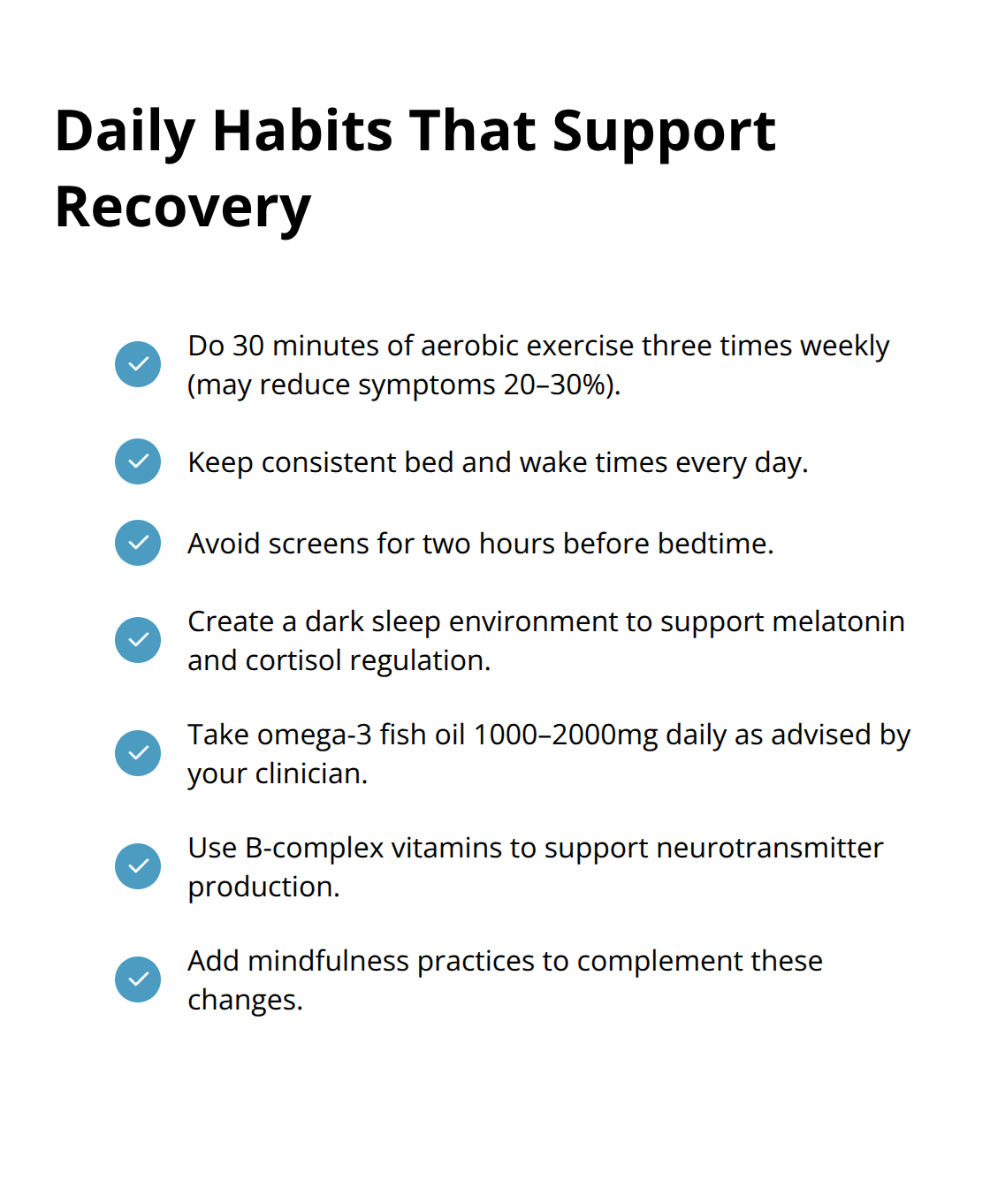
Effective coping mechanisms for depression include mindfulness practices that complement these lifestyle changes.
Advanced Treatment Options
Transcranial Magnetic Stimulation (TMS) offers hope for patients who don’t respond to traditional medications and uses magnetic fields to stimulate nerve cells in the brain to improve symptoms of major depression. Ketamine treatment provides rapid relief for treatment-resistant depression and works through different brain pathways than conventional antidepressants. These advanced treatments require specialized facilities and trained professionals who can monitor patients throughout the treatment process (typically 6-8 weeks for TMS protocols). For comprehensive mental health support, consider consulting with Miami psychiatry professionals who can guide you through these treatment options.
Final Thoughts
The differences between dysthymic disorder vs major depression help you identify which condition affects your life and guide your treatment decisions. Both conditions respond well to professional intervention, but the approach and timeline vary significantly. Seek help immediately if you experience thoughts of self-harm, cannot function at work or home, or notice symptoms that worsen over several weeks.
Professional treatment makes recovery possible for both conditions when you work with qualified mental health providers. We at Equilibrium Mental Health Services provide evidence-based psychiatric care that addresses your specific symptoms and circumstances. Our team creates personalized treatment plans that combine medication management with psychotherapy (tailored to help you regain control of your mental health).
You don’t have to face depression alone, whether it’s the chronic nature of dysthymia or the acute episodes of major depression. Contact Miami psychiatry professionals who understand these complex conditions and can guide you toward effective treatment. Recovery becomes achievable with the right support and clinical expertise on your side.


