
Many people still use the terms ADD and ADHD interchangeably, but there’s an important ADHD or ADD difference to understand.
We at Equilibrium Mental Health Services see this confusion regularly in our practice. The term ADD is actually outdated – mental health professionals now recognize three distinct types of ADHD.
Understanding these differences helps people get the right diagnosis and treatment for their specific symptoms.
Understanding ADHD and ADD Terminology
The 1994 Diagnostic Revolution
The American Psychiatric Association made a pivotal change when it officially replaced ADD with ADHD in the DSM-IV. This shift represented more than a simple name change – it marked a complete transformation in how mental health professionals understand attention-related disorders. Before this change, doctors used ADD to describe children who had trouble focusing but weren’t hyperactive. This system missed many people who had different combinations of symptoms.
How the DSM-5 Eliminated Diagnostic Confusion
The current DSM-5 removed the confusion by creating three specific presentations of ADHD. Mental health professionals now diagnose ADHD Predominantly Inattentive Presentation instead of using the old ADD term. This change occurred because research showed that attention problems, hyperactivity, and impulsivity are all part of the same neurological condition. The Centers for Disease Control reports that this updated system has helped identify ADHD in approximately 6.1 million children who might have been missed under the old criteria.
Why Doctors Abandoned the ADD Label
Medical professionals stopped using ADD because it created diagnostic gaps that left patients without proper care. The old system assumed that hyperactivity and attention problems were separate issues, but brain imaging studies proved they share the same underlying mechanisms (neurological pathways that control executive function). Today’s diagnostic criteria require symptoms to appear in at least two different settings and persist for six months or longer. This evidence-based approach means people receive accurate diagnoses that lead to effective treatment strategies, especially when working with specialists in Miami psychiatry.
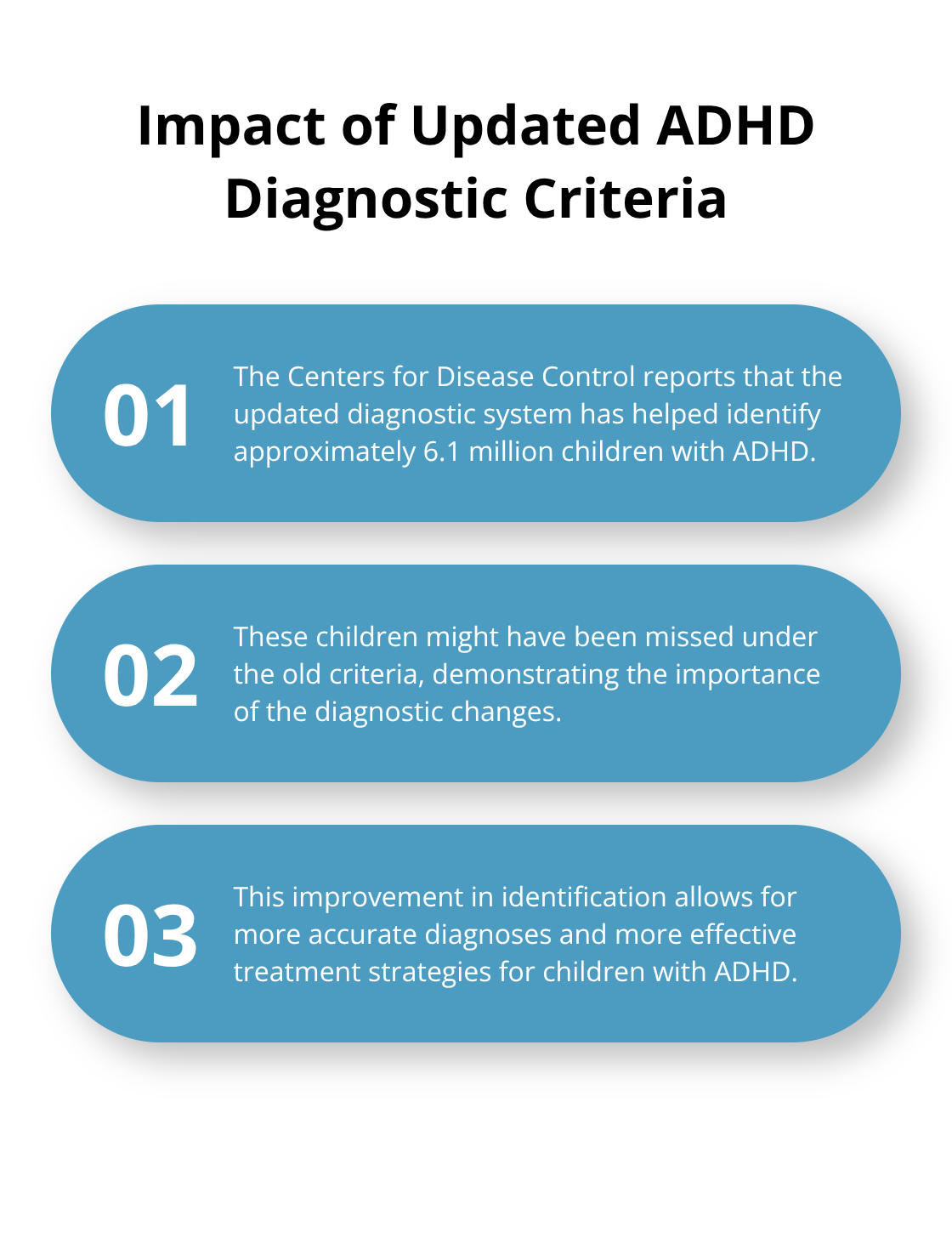
These modern diagnostic standards now allow mental health professionals to identify the three distinct types of ADHD presentations that better capture the full spectrum of symptoms.
The Three Types of ADHD
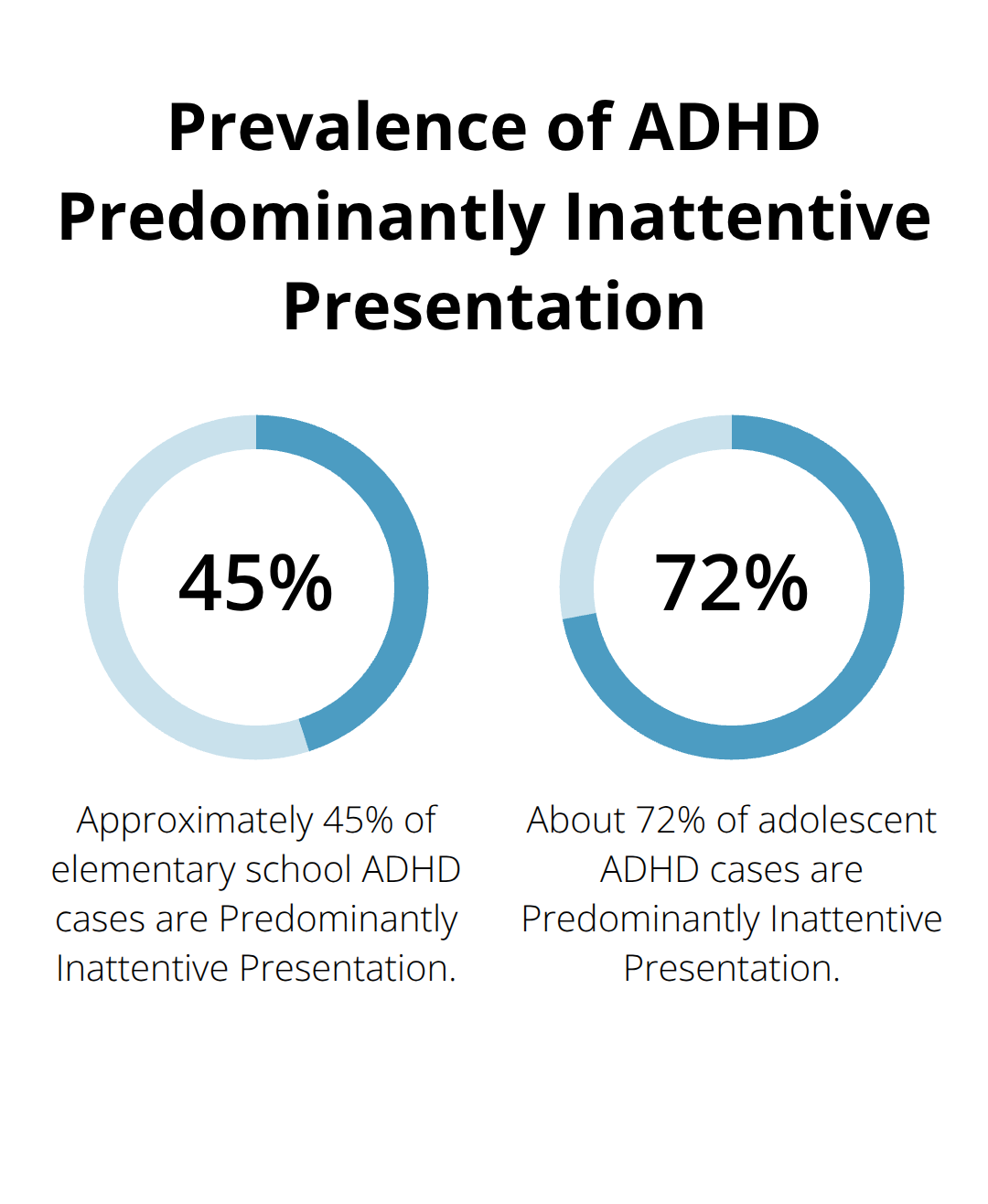
The DSM-5 recognizes three distinct presentations of ADHD, each with different diagnostic approaches and treatment strategies. ADHD Predominantly Inattentive Presentation affects approximately 45% of elementary school cases and 72% of adolescent cases according to research data, which makes it the most common type as children age.
Inattentive Presentation Flies Under the Radar
Children with ADHD Predominantly Inattentive Presentation struggle with sustained attention, organization, and task completion without hyperactive behaviors. These individuals often appear daydreamy or withdrawn in classroom settings. Teachers and parents frequently overlook their symptoms because they don’t disrupt others or cause obvious problems.
Girls are more frequently diagnosed with ADHD-I, the inattentive subtype. Mental health professionals now recognize that many girls with inattentive symptoms were historically misunderstood as simply quiet, unmotivated, or naturally introverted (rather than having a treatable neurological condition).
Hyperactive-Impulsive Presentation Demands Immediate Recognition
ADHD Predominantly Hyperactive-Impulsive Presentation manifests as constant motion, frequent interruptions, and difficulty with turn-taking. Teachers identify this type more readily because the behaviors disrupt classroom environments and draw immediate attention.
Children with this presentation fidget constantly, talk excessively, and cannot remain seated during structured activities. Boys are more likely to receive a diagnosis of ADHD-HI, the hyperactive-impulsive subtype, primarily because their symptoms align with traditional expectations of ADHD behavior.
Combined Presentation Affects Multiple Life Areas
ADHD Combined Presentation includes symptoms from both inattentive and hyperactive-impulsive categories. This presentation affects the largest portion of diagnosed individuals and requires at least six symptoms from each category for diagnosis in children (or five symptoms in adults).
Mental health professionals treat this presentation most frequently because it represents the classic understanding of ADHD that most people recognize. These individuals face challenges in multiple areas of daily life, from academic performance to social relationships and family dynamics.
Each presentation type creates unique challenges that require specific treatment approaches and accommodations to help individuals manage their symptoms effectively. For comprehensive ADHD evaluation and treatment, consider consulting with Miami psychiatry specialists who understand these distinct presentations.
How Do ADHD Symptoms Show Up in Real Life
Inattentive Symptoms Create Hidden Academic and Work Struggles
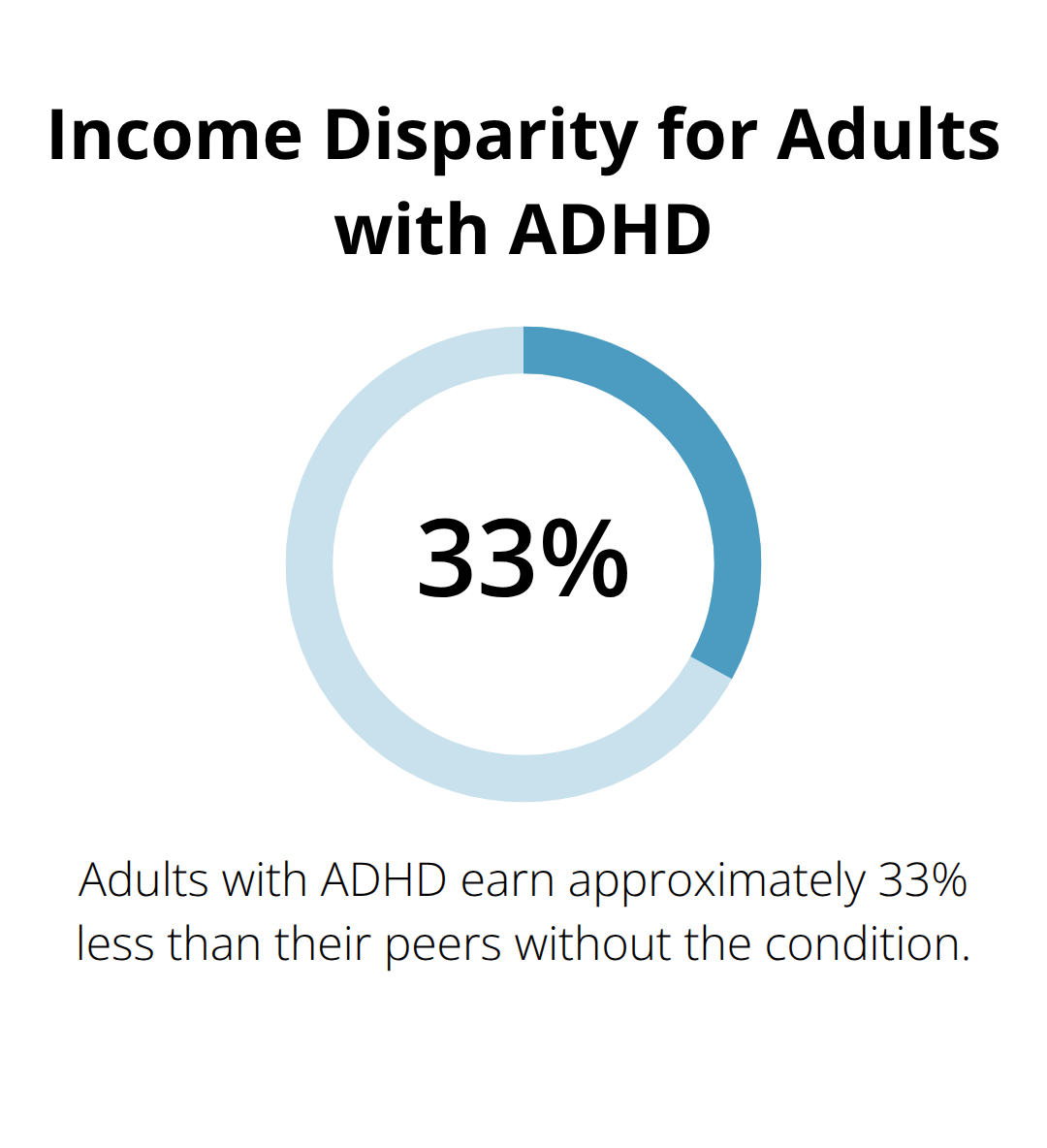
Adults with inattentive ADHD lose important documents, forget appointments, and struggle to complete projects at work. The CDC reports that adults with ADHD earn approximately 33% less than their peers without the condition, largely due to these organizational challenges. Children with inattentive symptoms appear to listen during conversations but cannot recall instructions minutes later.
They start homework assignments but abandon them halfway through, which leaves parents frustrated and confused about their child’s apparent lack of effort. These individuals avoid tasks that require sustained mental effort, such as reading lengthy reports or filling out detailed forms. They frequently lose essential items like car keys, wallets, or work materials.
Many professionals in Miami and surrounding areas like Coral Gables see their careers stagnate because they cannot manage complex projects or meet consistent deadlines. Their symptoms often go unrecognized because they don’t disrupt others or cause obvious problems in workplace settings.
Hyperactive and Impulsive Behaviors Disrupt Social Relationships
Hyperactive-impulsive symptoms manifest as constant fidgeting, excessive talking, and interrupting others during conversations. Adults tap their feet continuously during meetings, struggle to remain seated during long presentations, and make impulsive purchases that strain family budgets. Children with these symptoms cannot wait their turn in games, blurt out answers before teachers finish questions, and have difficulty playing quietly.
Children with hyperactive-impulsive ADHD face unique challenges including comorbid anxiety disorders. These individuals act without considering consequences, which leads to damaged friendships and workplace conflicts. Parents often receive complaints from teachers about their child’s disruptive classroom behavior.
Adults face professional consequences for interrupting colleagues or making hasty decisions. They struggle with impulse control in social situations, often speaking before they think through their words or actions. These challenges can significantly impact ADHD in relationships.
Age Changes How ADHD Symptoms Present
ADHD symptoms evolve significantly from childhood to adulthood, with hyperactivity typically decreasing while attention problems persist or worsen. Adults develop coping strategies that mask hyperactive behaviors, but internal restlessness remains. They experience racing thoughts, mental hyperactivity, and difficulty relaxing even when physically still.
The predominantly inattentive presentation becomes more apparent in adulthood as academic and professional demands increase. These demands require sustained focus and complex organization skills that many adults with ADHD lack. What appeared as simple daydreaming in childhood transforms into serious workplace performance issues and relationship difficulties in adult life. Many adults find that psychotherapy for ADHD can help address these evolving challenges.
For comprehensive ADHD treatment options, consider consulting with Miami psychiatry specialists who understand the complexities of this condition.
Final Thoughts
The ADHD or ADD difference reflects decades of scientific progress in mental health diagnosis. The three ADHD presentations create distinct challenges that require specialized treatment approaches. ADHD Predominantly Inattentive Presentation affects focus and organization, while Hyperactive-Impulsive Presentation involves constant motion and impulsivity.
Professional diagnosis remains essential because ADHD symptoms overlap with other conditions like anxiety and depression. Self-assessment tools provide helpful starting points, but only qualified mental health professionals can conduct comprehensive evaluations that consider medical history, symptom duration, and functional impairment across multiple settings (including home, school, and work environments). Early intervention significantly improves outcomes for both children and adults with ADHD.
Treatment options include medication management, behavioral therapy, and lifestyle modifications tailored to individual needs. Many people in Miami and surrounding areas find that proper diagnosis transforms their understanding of lifelong struggles with attention and focus. If you recognize ADHD symptoms in yourself or a loved one, professional evaluation can provide clarity and open doors to effective treatment through Equilibrium Mental Health Services.


