
At Equilibrium Mental Health Services, we understand the complexities of recurrent major depression as classified in ICD-10. This condition can significantly impact a person’s life, often requiring specialized care and treatment.
In this blog post, we’ll explore the diagnostic criteria, symptoms, and treatment approaches for recurrent major depression ICD-10. Our goal is to provide valuable insights and resources for those affected by this challenging mental health condition.
What is Recurrent Major Depression in ICD-10?
Understanding the ICD-10 Classification
The International Classification of Diseases, 10th Revision (ICD-10) serves as a standardized system for health condition classification and coding worldwide. At Equilibrium Mental Health Services, we utilize this system to diagnose and treat recurrent major depression accurately.
ICD-10 categorizes recurrent major depression under code F33. This classification aids in identifying the specific nature of the condition and tailoring treatment approaches. The F33 code includes several subcategories that describe the severity and features of depressive episodes.
Diagnostic Criteria for Recurrent Major Depression
A diagnosis of recurrent major depression requires a person to experience at least two separate depressive episodes. These episodes must be separated by at least two months of normal mood. Typical symptoms during these episodes include:
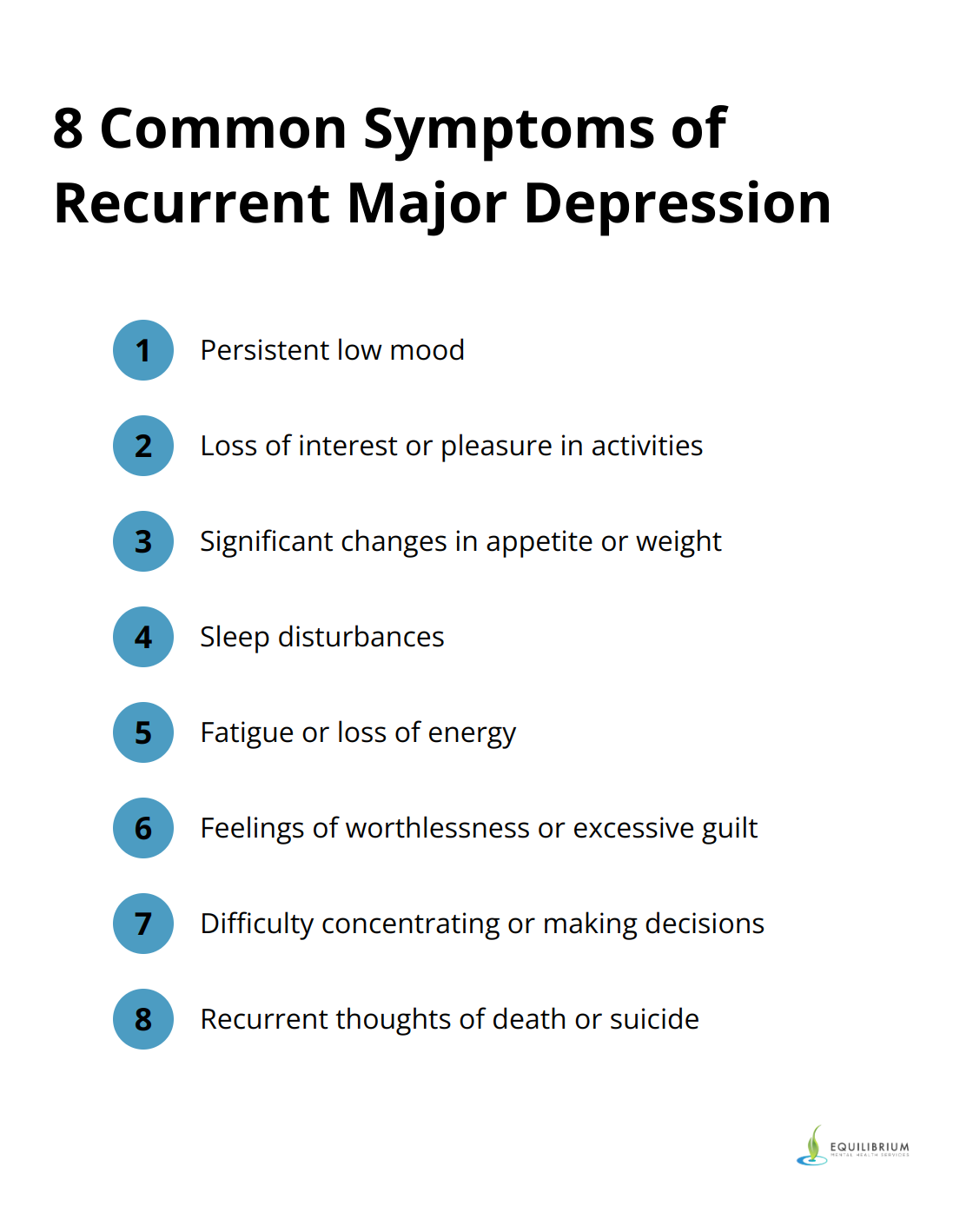
The severity of these symptoms varies, which is why ICD-10 provides different subcodes. For example, F33.0 indicates a mild recurrent depressive disorder, while F33.2 signifies a severe episode without psychotic symptoms.
Single Episode vs. Recurrent Depression
The key difference between single-episode and recurrent depression lies in the pattern of occurrence. Single-episode depression (coded as F32 in ICD-10) involves only one major depressive episode. Recurrent depression, however, involves multiple episodes over time.
This distinction plays a vital role in treatment planning. Patients with recurrent depression often require more intensive and long-term management strategies to prevent future episodes.
Research indicates that the average recurrence time for the first episode is approximately 3 years, and that of the subsequent episode is between 1 and 1.5 years.
Impact on Daily Life
In Coral Gables and surrounding areas, awareness of the impact of recurrent depression on daily life continues to grow. Many patients report that understanding their diagnosis helps them manage their condition better and seek timely help when needed.
Transition to Next Chapter
As we explore the complexities of recurrent major depression, it becomes clear that recognizing its symptoms and diagnostic features is paramount. In the next section, we will examine these symptoms in detail, providing a comprehensive understanding of how this condition manifests and affects individuals in their day-to-day lives.
Recognizing Symptoms of Recurrent Major Depression
Emotional and Cognitive Manifestations
Recurrent major depression presents with a range of emotional and cognitive symptoms. Patients often experience persistent sadness and a pervasive sense of hopelessness. Many describe feeling “empty” or overwhelmed by a sense of doom, even when positive events occur.
Cognitive symptoms frequently accompany emotional distress. Patients report difficulty concentrating, making decisions, or remembering details. This “brain fog” affects work performance and personal relationships. In severe cases, some individuals experience thoughts of death or suicide, which require immediate professional intervention.
Physical Signs
Physical symptoms of recurrent major depression often surprise patients. Sleep disturbances are common, with some experiencing insomnia while others sleep excessively. Changes in appetite and weight occur frequently, with some losing interest in food while others engage in emotional eating.
Fatigue and low energy levels present significant challenges. Many patients feel physically drained, making simple tasks seem insurmountable. This fatigue often persists despite rest, contributing to a cycle of inactivity and worsening depression.
Behavioral Changes
Social withdrawal marks a significant behavioral change in recurrent major depression. Patients often isolate themselves, avoiding social interactions and neglecting relationships. This isolation can intensify feelings of loneliness and exacerbate depressive symptoms.
Loss of interest in previously enjoyable activities (anhedonia) is another key symptom. Hobbies, social events, or even favorite foods may no longer bring pleasure. This loss of joy distresses both patients and their loved ones.
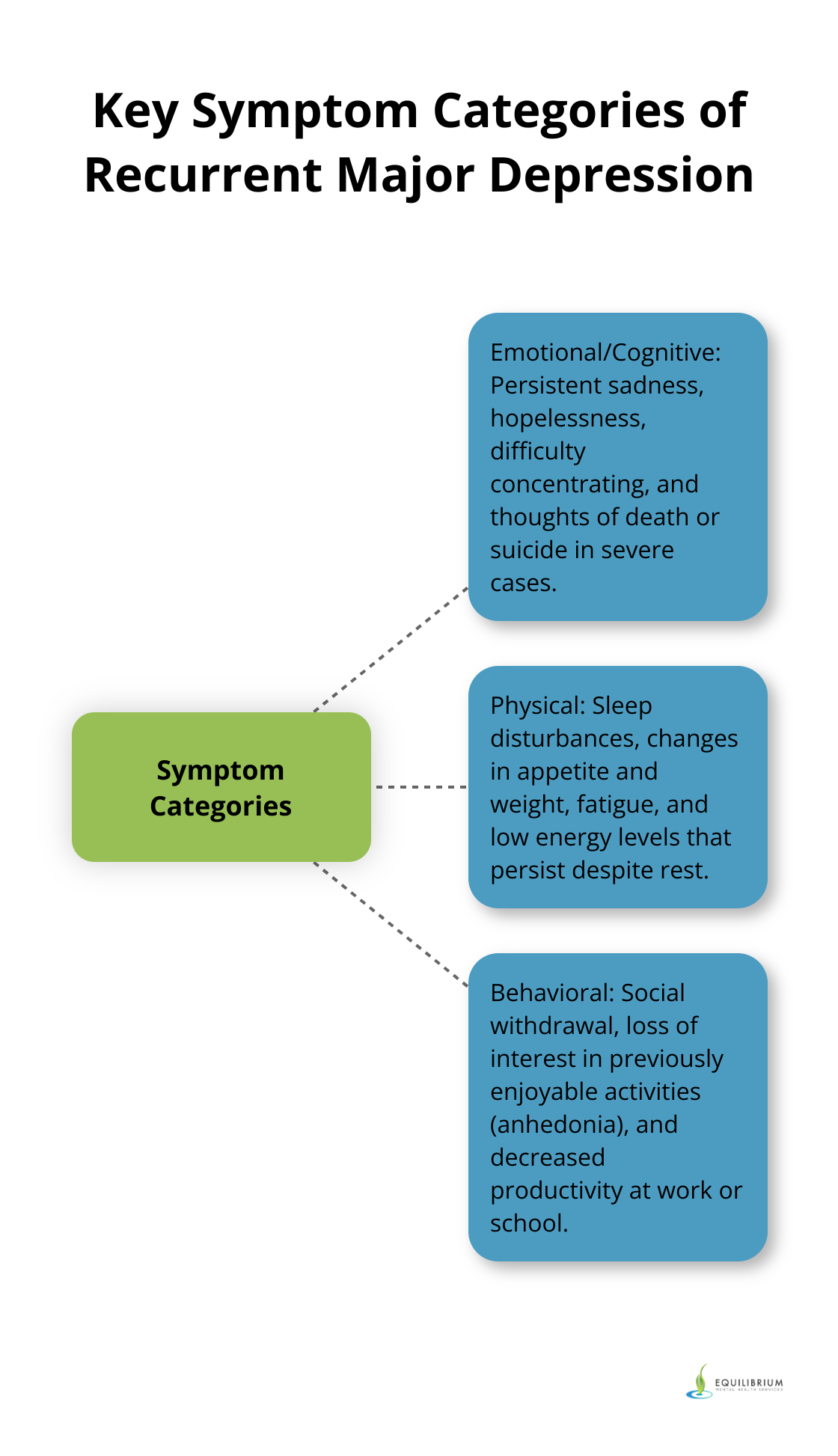
In Miami and surrounding areas (including Coral Gables and Coconut Grove), these symptoms often interfere with work and academic performance. Many patients report decreased productivity, difficulty meeting deadlines, or struggles with attendance.
It’s important to note that symptoms vary in intensity and duration. Some individuals may experience all these symptoms, while others may only have a few. The key lies in recognizing persistent changes that last for two weeks or more.
Seeking Professional Help
If you or someone you know experiences these symptoms, professional help can make a significant difference. A comprehensive evaluation and personalized treatment plan can effectively address recurrent major depression.
As we move forward, we’ll explore the various treatment approaches available for recurrent major depression. These methods offer hope and support to those struggling with this challenging condition.
Effective Treatments for Recurrent Major Depression
Psychotherapy: A Cornerstone of Treatment
Cognitive-Behavioral Therapy (CBT) stands out as a highly effective treatment for recurrent major depression. CBT helps patients identify and change negative thought patterns and behaviors. CBT and its modifications have been shown to reduce the risk of a new depressive episode, although the effect decreases with longer follow-up.
Interpersonal therapy (IPT) is another powerful tool. IPT focuses on improving communication skills and addressing relationship issues that may contribute to depressive episodes. Many patients in Pinecrest and Palmetto Bay find IPT particularly helpful in managing work-related stressors and family conflicts.
Medication Management: Balancing Brain Chemistry
Antidepressants play a vital role in treating recurrent major depression. Selective Serotonin Reuptake Inhibitors (SSRIs) are often the first-line medication choice due to their effectiveness and relatively mild side effects. However, finding the right medication can take time. We encourage patients to maintain open communication about their experiences with medications.
Mood stabilizers (such as lithium or lamotrigine) may be prescribed in cases where depressive episodes alternate with periods of elevated mood. These medications help prevent both depressive and manic episodes, providing long-term stability.
Combination Therapy: A Synergistic Approach
Research consistently shows that combining psychotherapy with medication management yields superior results compared to either treatment alone. A meta-analysis examined the association of the sequential combination of pharmacotherapy and psychotherapy with relapse and recurrence in depression treatment.
Innovative Treatments for Resistant Cases
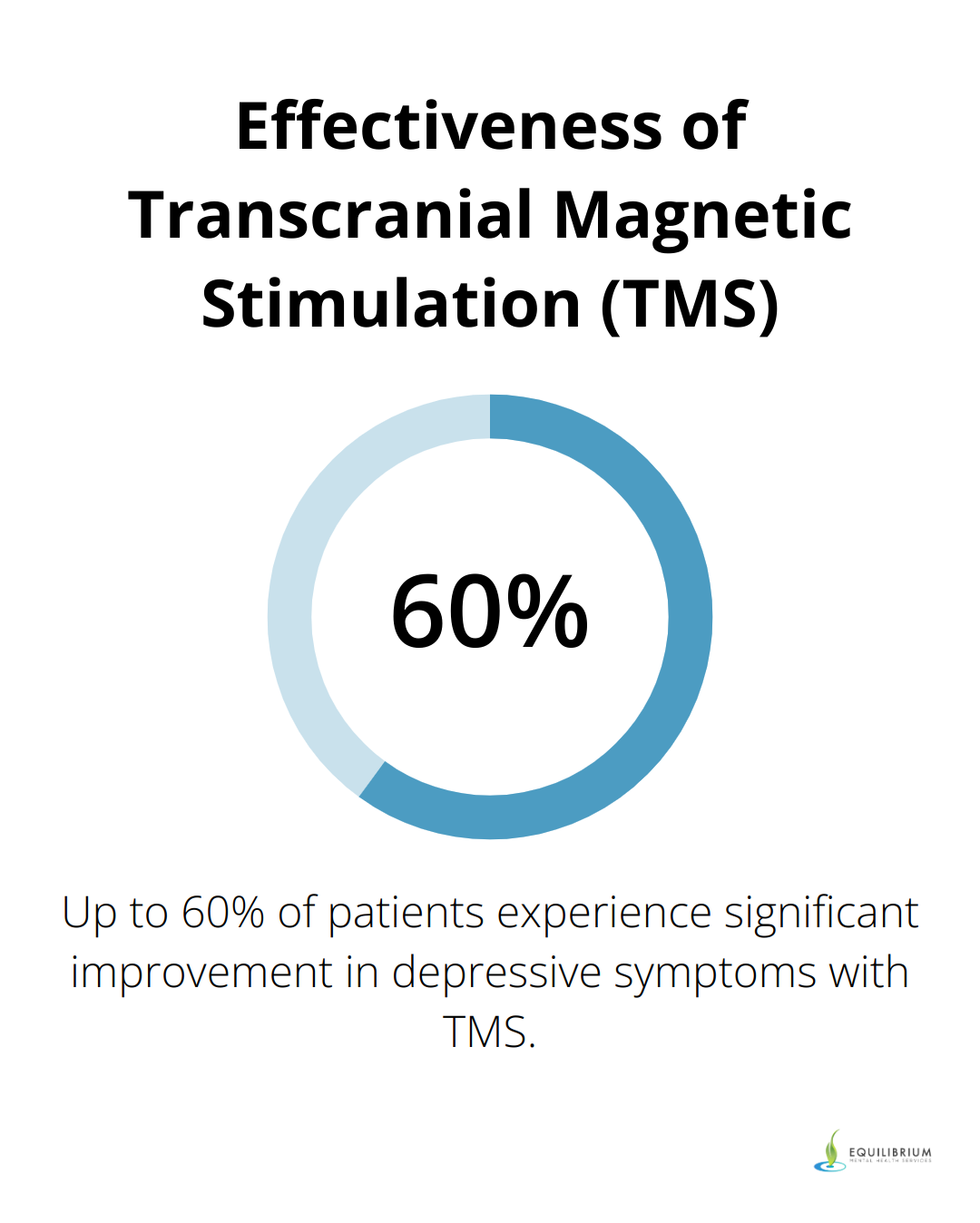
For patients who don’t respond to traditional therapies, cutting-edge alternatives exist. Transcranial Magnetic Stimulation (TMS) has shown promising results, with up to 60% of patients experiencing significant improvement in depressive symptoms.
Ketamine therapy is another groundbreaking option for treatment-resistant depression. While still considered experimental, early studies show rapid and substantial improvement in mood for many patients.
Electroconvulsive Therapy (ECT), while often misunderstood, remains one of the most effective treatments for severe, treatment-resistant depression. Modern ECT is safe and well-tolerated, with success rates as high as 80-85% for severe depression.
Mental health professionals in Miami and Brickell stay at the forefront of these innovative treatments, ensuring patients have access to the most effective options available.
Effective treatment helps regulate emotions, reduces fatigue, and restores a more balanced emotional state. It also improves daily functioning, allowing individuals to re-engage with work, relationships, and personal interests more fully.
Final Thoughts
Recurrent major depression ICD-10 requires prompt attention and comprehensive care. Early diagnosis and treatment increase the chances of recovery and prevent future episodes. Long-term management involves therapy, medication when necessary, and lifestyle modifications.
Professional psychiatric care for recurrent major depression is readily accessible in Miami and surrounding areas. Local support groups, community mental health centers, and online forums provide valuable connections and information. Patients benefit from developing coping strategies, maintaining a support network, and practicing self-care techniques.
At Equilibrium Mental Health Services, we offer personalized treatment plans for recurrent major depression. Our team of experts combines evidence-based therapies with compassionate care to help patients achieve mental wellness. Visit Equilibrium Mental Health Services to learn more about our services and how we can support you.


