
OCD vs ADHD: two mental health conditions that often confuse people due to some overlapping symptoms. At Equilibrium Mental Health Services, we frequently encounter patients struggling to understand the differences between these disorders.
This blog post will clarify the unique characteristics of OCD and ADHD, helping you recognize their distinct features and impacts on daily life. We’ll also explore treatment approaches and the possibility of both conditions occurring simultaneously.
What is OCD?
Obsessive-Compulsive Disorder (OCD) is a mental health condition that affects millions of people worldwide. OCD is characterized by persistent, intrusive thoughts (obsessions) and repetitive behaviors or mental acts (compulsions) that a person feels compelled to perform to alleviate anxiety or prevent a feared event. These obsessions and compulsions can significantly interfere with daily life, relationships, and overall well-being.
Common Symptoms and Behaviors
OCD manifests in various ways, but some common obsessions include:
- Fear of contamination or germs
- Excessive concern with order or symmetry
- Unwanted aggressive or sexual thoughts
- Fear of harming oneself or others
These obsessions often lead to compulsive behaviors such as:
- Excessive hand washing or cleaning
- Repeated checking of locks, appliances, or switches
- Counting, tapping, or repeating certain words
- Arranging objects in a specific order
It’s important to note that these behaviors go beyond typical habits or preferences. For individuals with OCD, these compulsions are time-consuming and cause significant distress.
Impact on Daily Life
OCD can have a profound impact on a person’s quality of life. Many individuals with OCD report spending hours each day engaged in compulsive behaviors, which leads to:
- Difficulty maintaining employment or academic performance
- Strained relationships with family and friends
- Social isolation and avoidance of triggering situations
- Increased anxiety and depression
For example, a patient from Pinecrest shared that her fear of contamination caused her to spend over three hours daily cleaning her home, resulting in frequent absences from work and social engagements.
Treatment Options
The good news is that OCD is treatable. Evidence-based treatments include:
- Cognitive Behavioral Therapy (CBT) with Exposure and Response Prevention (ERP)
- Medication management, typically using selective serotonin reuptake inhibitors (SSRIs)
- Combination therapy utilizing both CBT and medication
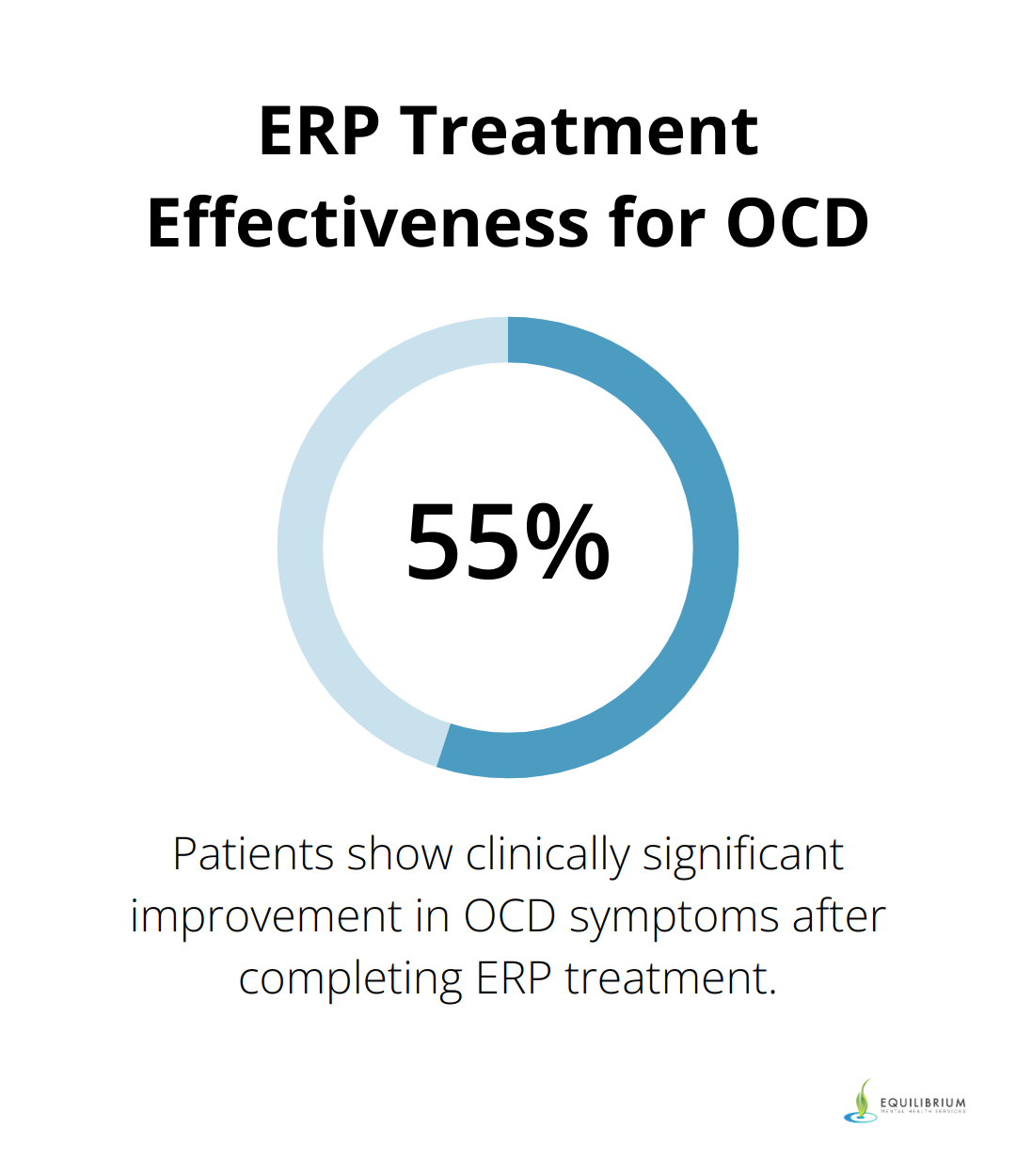
Research shows that about 50-60% of patients who complete ERP treatment show clinically significant improvement in OCD symptoms.
If you or a loved one experience symptoms of OCD, don’t hesitate to reach out for help. Professional support can make a significant difference in managing OCD and improving quality of life. Now, let’s explore another common mental health condition that often gets confused with OCD: Attention-Deficit/Hyperactivity Disorder (ADHD).
What is ADHD?
Attention-Deficit/Hyperactivity Disorder (ADHD) is a neurodevelopmental condition that affects both children and adults. At Equilibrium Mental Health Services, we often see patients from Coral Gables and surrounding areas who struggle with ADHD symptoms, which impact their daily lives in various ways.
Core Features of ADHD
ADHD is characterized by persistent patterns of inattention, hyperactivity, and impulsivity that interfere with functioning and development. These symptoms often manifest differently in children and adults.
For children, ADHD might look like:
- Difficulty focusing on schoolwork
- Constant fidgeting or squirming
- Excessive talking and interrupting others
- Forgetting or losing important items
In adults, ADHD symptoms may include:
- Trouble meeting deadlines at work
- Difficulty organizing tasks and managing time
- Impulsive decision-making
- Restlessness and difficulty relaxing
Types of ADHD
There are three main types of ADHD:
- Predominantly Inattentive Type: Individuals struggle mainly with focus and organization.
- Predominantly Hyperactive-Impulsive Type: Characterized by restlessness and impulsive behaviors.
- Combined Type: A mix of inattentive and hyperactive-impulsive symptoms.
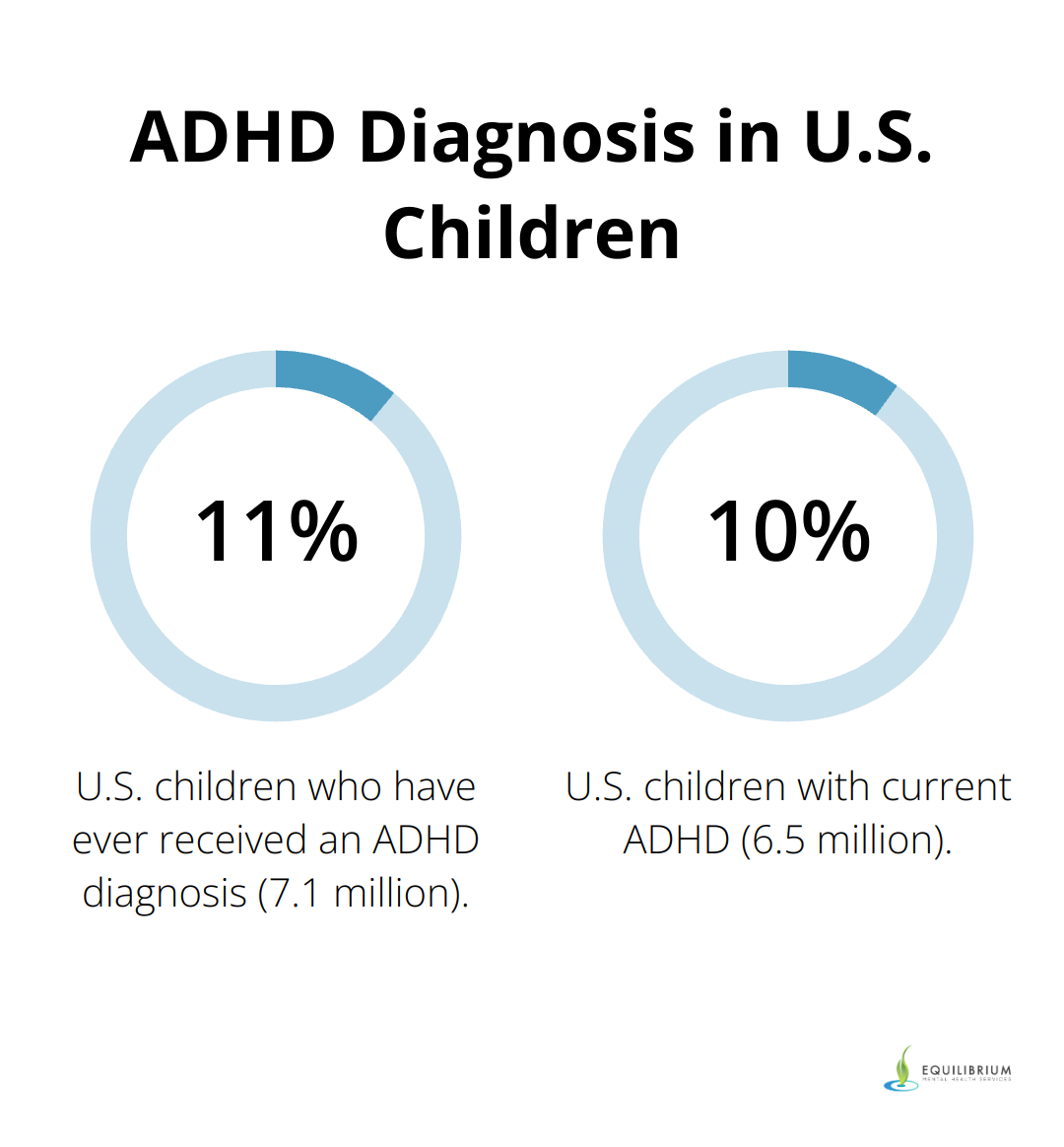
Approximately 1 in 9 U.S. children have ever received an ADHD diagnosis (11.4%, 7.1 million children) and 10.5% (6.5 million) had current ADHD.
Impact on Daily Life
ADHD can significantly affect various aspects of a person’s life. In the workplace, adults with ADHD might struggle with time management and meeting deadlines. A patient from Pinecrest shared how her ADHD led to frequent job changes due to difficulties in maintaining focus on long-term projects.
In academic settings, students with ADHD often face challenges in completing assignments and staying organized. This can lead to underachievement despite having average or above-average intelligence.
Socially, individuals with ADHD may struggle with maintaining relationships due to impulsivity or inattention during conversations. They might also have difficulty reading social cues or regulating their emotions.
It’s important to note that ADHD is a real neurobiological condition (not a result of laziness or lack of willpower). With proper diagnosis and treatment, individuals with ADHD can learn to manage their symptoms effectively and lead fulfilling lives.
Treatment Options
At Equilibrium Mental Health Services, we offer comprehensive evaluations and personalized treatment plans to help manage ADHD symptoms. Our approach often includes a combination of medication management and behavioral strategies tailored to each individual’s needs.
For expert Miami psychiatry services specializing in ADHD and other mental health conditions, we encourage you to reach out to us. Early intervention and proper management can make a significant difference in overcoming the challenges associated with ADHD.
Now that we’ve explored ADHD in detail, let’s examine how it differs from OCD, another commonly misunderstood mental health condition.
Unraveling OCD and ADHD Differences
Distinct Thought Patterns and Behaviors
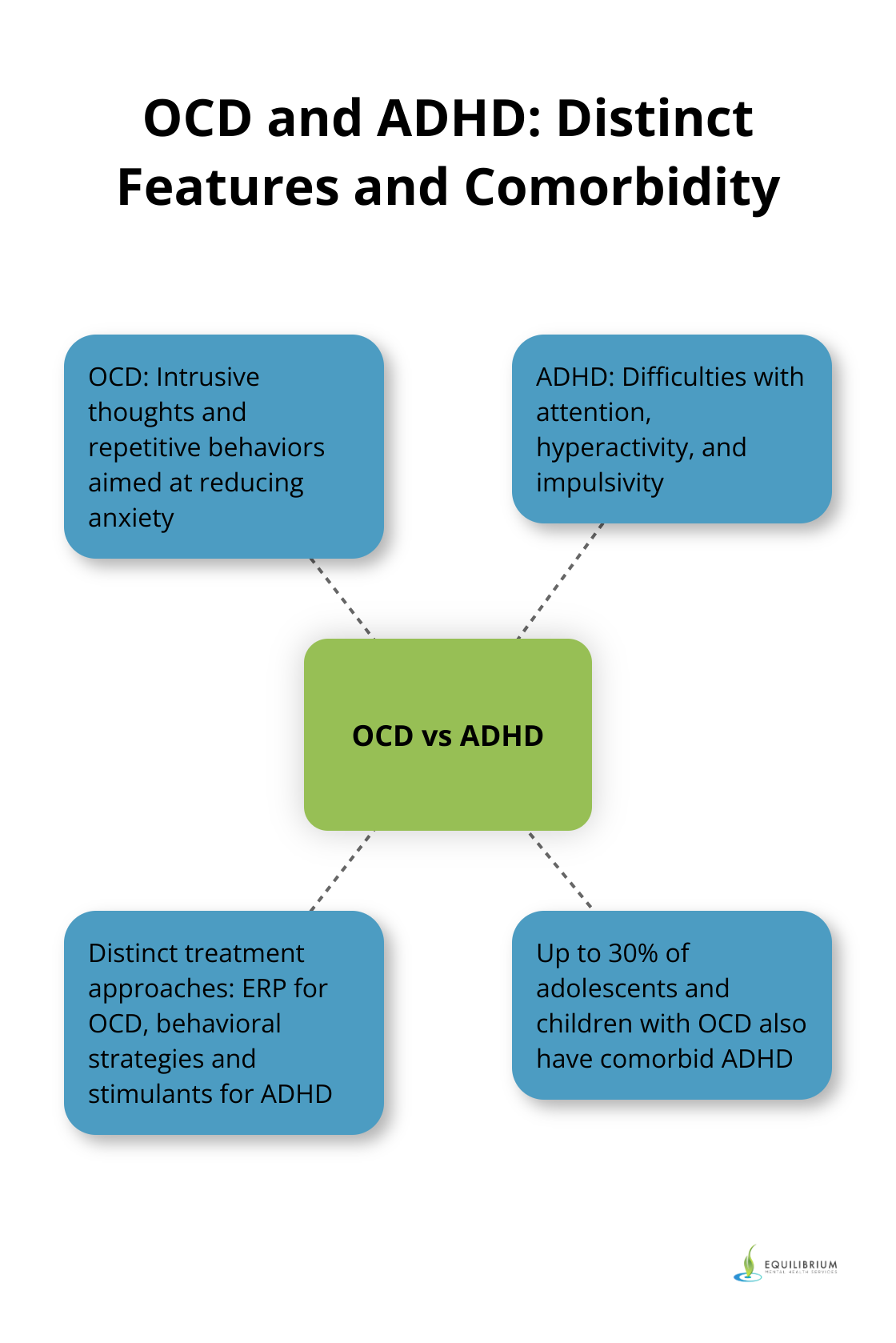
OCD and ADHD exhibit unique characteristics despite some overlapping symptoms. OCD involves intrusive, unwanted thoughts leading to repetitive behaviors or mental acts. For example, a patient from Coral Gables reported constant fears of contamination, resulting in excessive hand-washing. ADHD, however, involves difficulties with attention, hyperactivity, and impulsivity. A student from Kendall struggled to focus during lectures and often acted without thinking, typical of ADHD.
The nature of these thought patterns differs significantly. OCD thoughts are often distressing and unwanted, while ADHD-related distractibility usually doesn’t provoke anxiety. OCD behaviors attempt to reduce anxiety intentionally, whereas ADHD behaviors stem from difficulty regulating attention and impulses unintentionally.
Impact on Daily Functioning
These disorders affect daily life differently. OCD can consume time and interfere with normal routines. For instance, a professional from Brickell spent hours each day checking and rechecking work emails due to OCD-related perfectionism. ADHD often leads to disorganization and difficulty completing tasks. A parent from Palmetto Bay struggled to keep up with household chores and often forgot important appointments due to ADHD symptoms.
Divergent Treatment Approaches
Treatment strategies for OCD and ADHD differ significantly. For OCD, Exposure and Response Prevention (ERP) therapy is considered the most effective psychotherapeutic treatment. This involves gradually facing feared situations without engaging in compulsive behaviors. Doctors may also prescribe medication, typically SSRIs.
ADHD treatment often combines behavioral strategies and medication. Doctors commonly prescribe stimulant medications (like methylphenidate or amphetamines) to improve focus and reduce hyperactivity. Cognitive Behavioral Therapy (CBT) can help develop organizational skills and manage impulsivity.
Potential for Comorbidity
OCD and ADHD can co-occur. Research suggests that up to 30% of adolescents and children with OCD also have comorbid ADHD. This comorbidity can complicate diagnosis and treatment. For instance, a teenager from Coconut Grove (initially diagnosed with ADHD) was later found to have co-occurring OCD, requiring a more nuanced treatment approach.
When both conditions are present, it’s important to address them simultaneously. Thorough assessments identify all present conditions and develop comprehensive treatment plans that address the full spectrum of symptoms.
For expert <a href=”https://g.co/kgs/Toi7gBP”>Miami psychiatry</a> services specializing in OCD, ADHD, and other mental health conditions, we encourage you to reach out to Equilibrium Mental Health Services. Our team provides personalized care to help you navigate these complex disorders effectively.
Final Thoughts
OCD and ADHD are distinct mental health conditions with unique characteristics, despite some overlapping symptoms. Accurate diagnosis proves essential for effective treatment, as misdiagnosis or overlooking comorbid conditions can lead to ineffective interventions. Understanding the nuances between OCD vs ADHD helps individuals experiencing symptoms and their loved ones navigate these real neurobiological disorders.
Professional help marks a crucial step towards better mental health for those struggling with symptoms of OCD, ADHD, or both. Equilibrium Mental Health Services offers expert evaluations and personalized treatment plans for various mental health conditions. Our team of experienced professionals provides comprehensive care, combining evidence-based therapies and medication management when appropriate.
We encourage you to reach out to Equilibrium Mental Health Services today to schedule a consultation with our Miami psychiatry team. Our commitment to helping you navigate your mental health journey with compassion and expertise can lead to improved quality of life. Together, we can work towards achieving balance and helping you reach your full potential.


