
Stress is a constant companion in our fast-paced world, affecting our mental and physical well-being. At Equilibrium Mental Health Services, we’ve seen firsthand how unmanaged stress can lead to serious health issues.
Fortunately, stress management psychotherapy offers powerful tools to combat this modern epidemic. In this post, we’ll explore how psychotherapy can help you develop effective strategies to manage stress and improve your overall quality of life.
What is Stress and How Does it Affect Us?
The Biology of Stress
Stress is more than feeling overwhelmed; it’s a complex physiological response that impacts our health and well-being. When we face a stressor, our body releases hormones like cortisol and adrenaline, triggering our “fight or flight” response. This increases heart rate and blood pressure. While helpful in short-term situations, prolonged activation can lead to serious health issues.
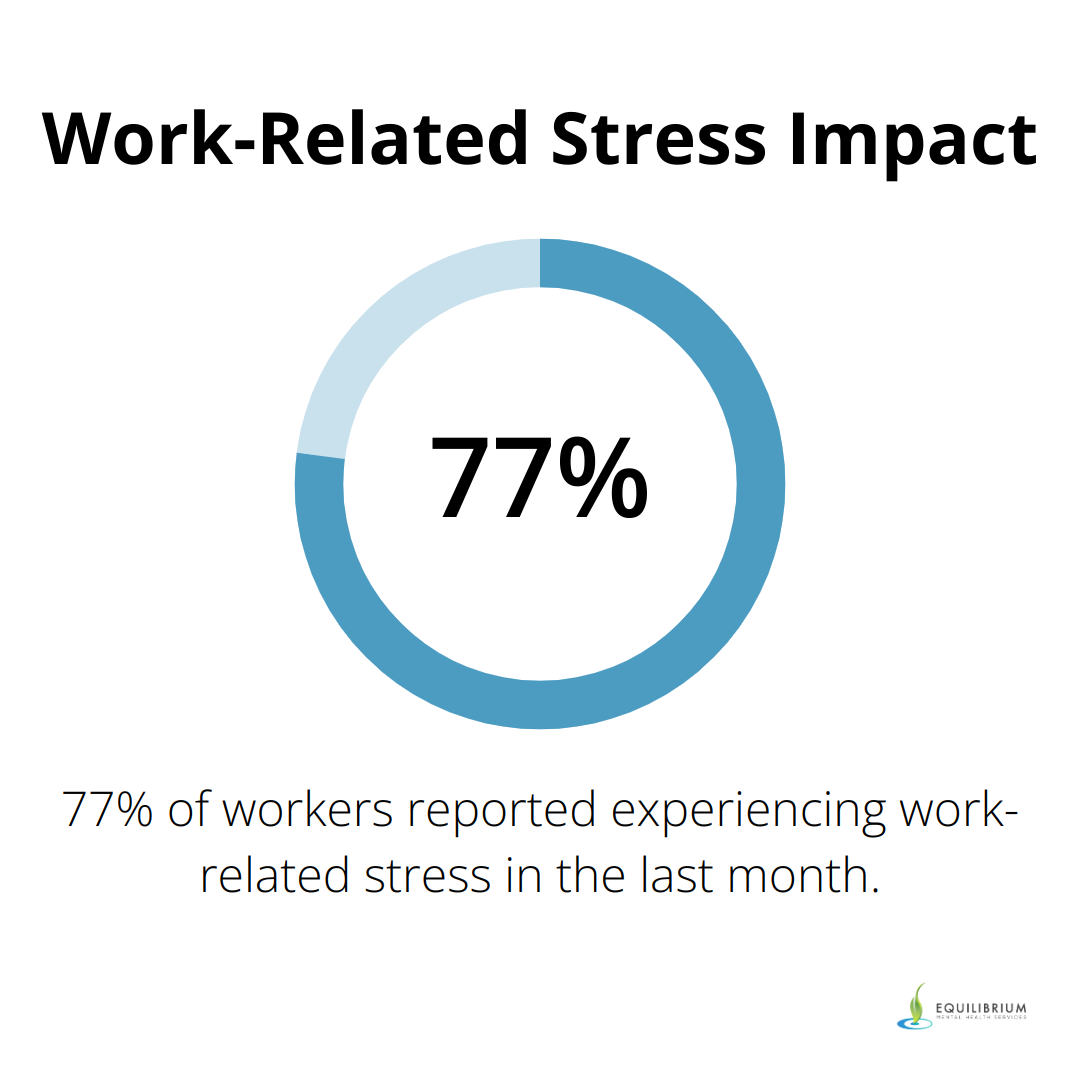
77% of workers have reported experiencing work-related stress in the last month. This manifests as headaches, muscle tension, and digestive problems. Over time, chronic stress contributes to more severe conditions like heart disease and diabetes.
Common Stress Triggers in Daily Life
In our fast-paced world, stress triggers abound. Financial worries, work pressures, and relationship issues top the list of common stressors. The COVID-19 pandemic added another layer of stress, with 78% of adults reporting it as a significant source of stress in their lives.
Technology, while beneficial, can also increase stress. 20% of Americans feel technology causes the most stress when it doesn’t work. Constant connectivity leads to information overload and difficulty disconnecting from work.
Long-term Consequences of Unmanaged Stress
Ignoring stress has serious consequences. Chronic stress links to various mental health issues, including anxiety and depression. The National Institute of Mental Health reports that long-term stress can change the brain, affecting areas involved in memory and emotional regulation.
Physical health suffers too. Stress weakens the immune system, making us more susceptible to illnesses. It exacerbates existing health conditions and contributes to new ones. A study in the Journal of the American Heart Association found that high stress levels associated with a 27% increased risk of coronary heart disease.
Recognizing the Signs of Chronic Stress
It’s important to recognize when stress becomes a problem. Common signs include:
- Persistent feelings of overwhelm or anxiety
- Difficulty sleeping or changes in sleep patterns
- Frequent headaches or muscle tension
- Changes in appetite or digestive issues
- Difficulty concentrating or making decisions
If you experience these symptoms, consider seeking professional help. In Coral Gables (https://g.co/kgs/Toi7gBP), Equilibrium Mental Health Services offers personalized stress management strategies to help you regain control and improve your overall well-being.
As we understand the impact of stress on our lives, it’s clear that effective management strategies are essential. In the next section, we’ll explore how psychotherapy provides powerful tools to combat this modern epidemic and improve quality of life.
How Psychotherapy Empowers Stress Management
The Power of Cognitive-Behavioral Therapy (CBT)
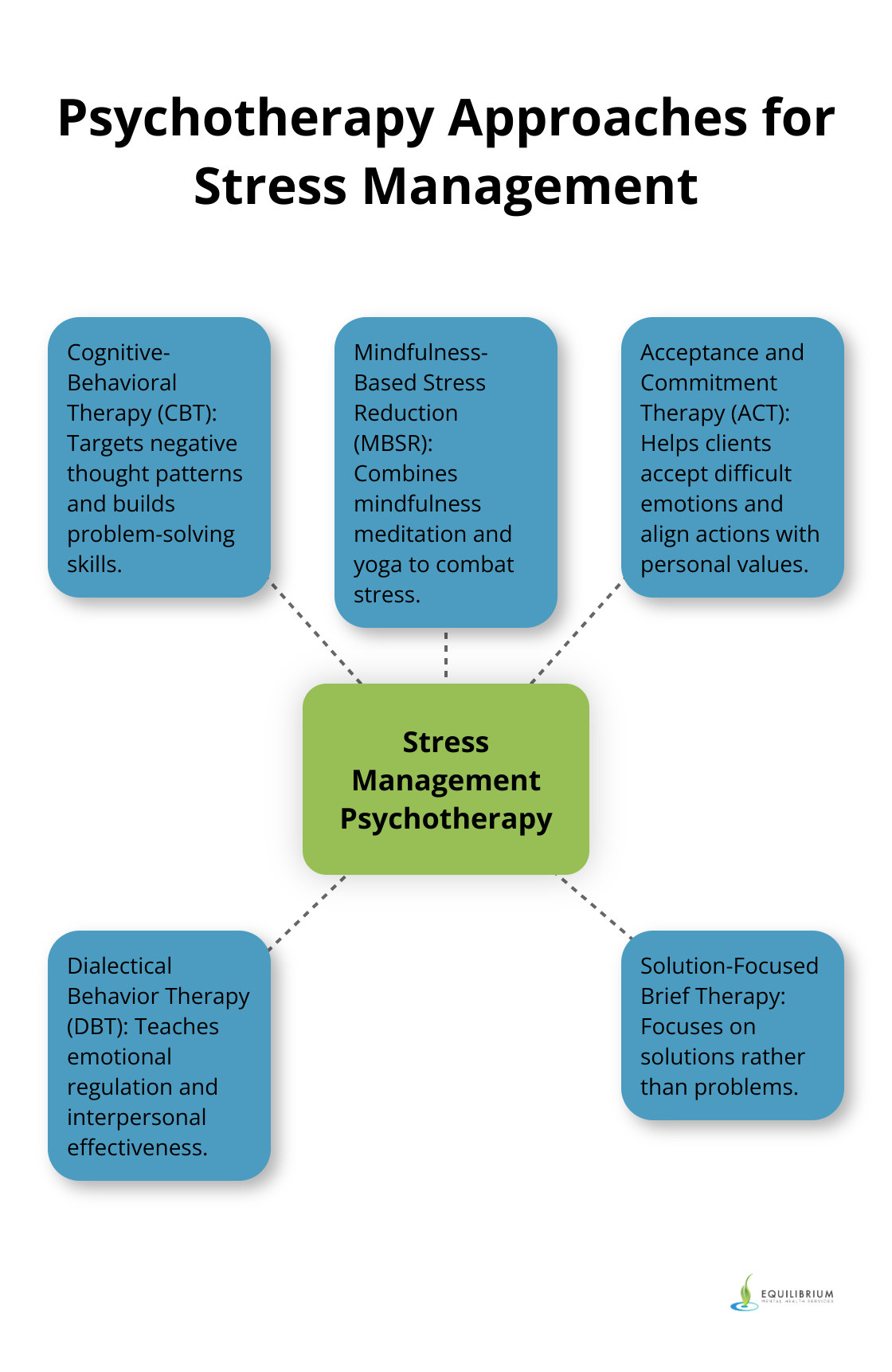
Cognitive-Behavioral Therapy (CBT) stands as a cornerstone in stress management. This approach targets negative thought patterns that fuel stress. A recent analysis showed that CBT interventions had an overall beneficial effect by reducing stress, anxiety, and depression.
In CBT sessions, therapists and clients work together to:
- Pinpoint stress triggers
- Question and reshape negative thoughts
- Build problem-solving skills
- Learn relaxation techniques
For instance, a client stressed about public speaking might learn to replace the thought “I’ll definitely mess up” with “I’ve prepared well and can handle this challenge.”
Mindfulness-Based Stress Reduction (MBSR): A Path to Inner Calm
MBSR combines mindfulness meditation and yoga to combat stress. Research shows that MBSR can effectively reduce stress levels in several subject groups, including Social Anxiety Disorder patients.
Key MBSR techniques include:
- Body scan meditation
- Mindful breathing exercises
- Gentle yoga poses
- Loving-kindness meditation
These practices sharpen awareness of thoughts and bodily sensations, enabling more skillful responses to stress.
Tailored Approaches for Individual Needs
Stress affects everyone differently, which calls for personalized strategies. Therapists often blend elements from various therapies to create a custom approach. These may include:
- Acceptance and Commitment Therapy (ACT): This helps clients accept difficult emotions and align actions with personal values.
- Dialectical Behavior Therapy (DBT): DBT teaches emotional regulation and interpersonal effectiveness.
- Solution-Focused Brief Therapy: This approach zeros in on solutions rather than problems.
The Role of Technology in Modern Stress Management
While technology can sometimes contribute to stress, it also offers innovative solutions. Many therapists now incorporate digital tools into their practice. These may include:
- Stress-tracking apps
- Virtual reality relaxation experiences
- Online therapy platforms
These tools (when used under professional guidance) can extend the benefits of therapy beyond traditional session times.
Building Resilience Through Lifestyle Changes
Effective stress management often involves broader lifestyle adjustments. Therapists work with clients to identify and implement positive changes such as:
- Establishing healthy sleep routines
- Regular physical exercise
- Balanced nutrition
- Time management strategies
These changes complement the psychological work done in therapy sessions, creating a holistic approach to stress reduction.
As we explore these powerful psychotherapy techniques for managing stress, it’s clear that professional guidance can make a significant difference. In the next section, we’ll look at specific, practical strategies derived from these approaches that you can start using in your daily life to combat stress more effectively.
Practical Stress-Busting Techniques You Can Use Today
Reframe Your Thoughts
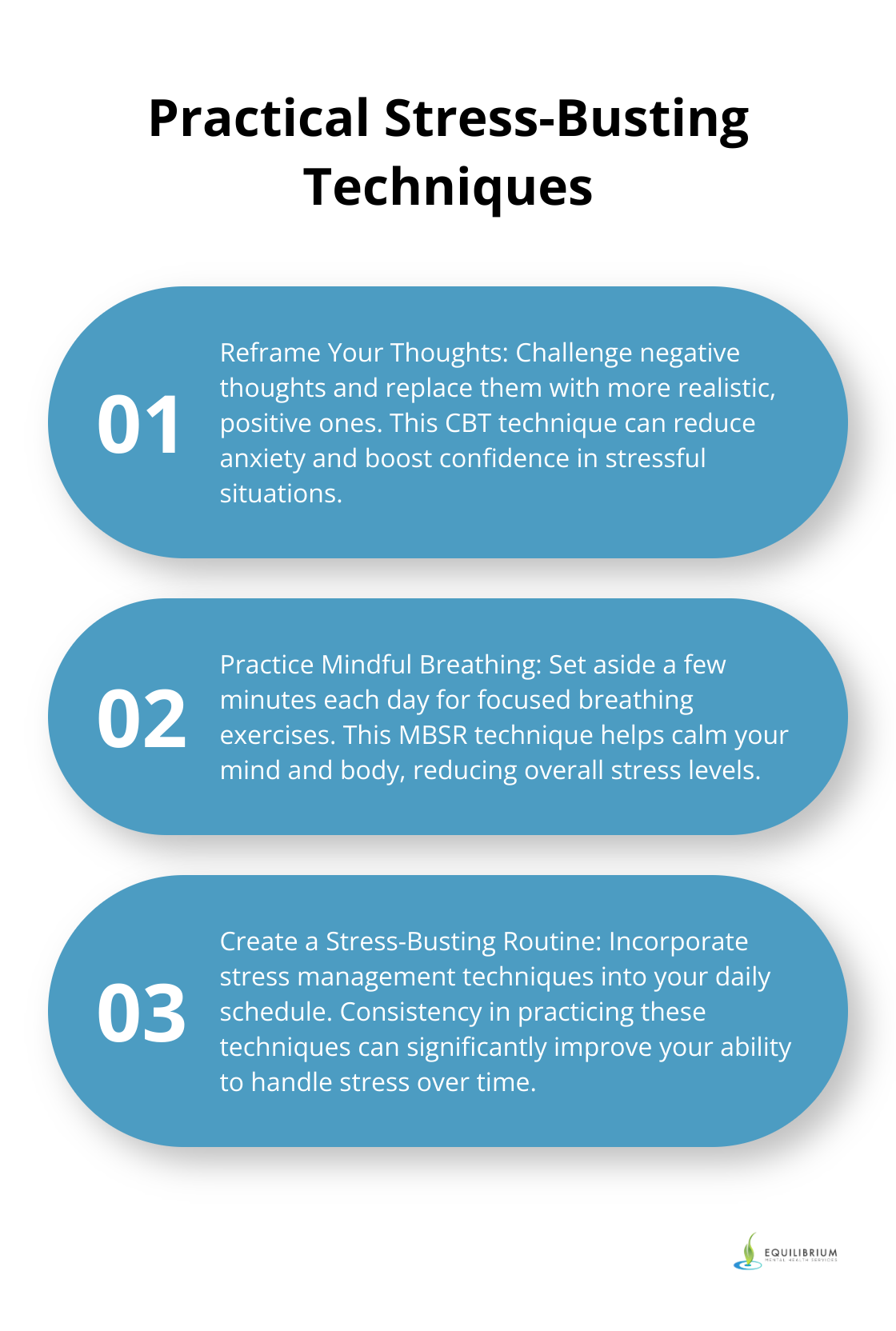
Cognitive-Behavioral Therapy (CBT) offers a powerful technique called thought reframing. When you notice negative thoughts, stop and challenge them. Ask yourself: Is this thought realistic? What evidence supports it? What advice would I give a friend in this situation?
For instance, if a work presentation stresses you out and you think, “I’ll mess this up,” reframe it to, “I’ve prepared well and will do my best.” This simple shift can reduce anxiety and boost confidence.
Practice Mindful Breathing
Mindfulness-Based Stress Reduction (MBSR) highlights the power of breath awareness. Try this quick exercise: Set a timer for 2 minutes. Close your eyes and focus on your breath. Notice the air moving in and out of your nostrils. When your mind wanders (it will), gently return your attention to your breath.
Create a Stress-Busting Routine
A daily routine that incorporates stress-management techniques proves highly effective. Here’s a sample routine:
Morning: 5 minutes of mindful breathingAfternoon: 10-minute walk outsideEvening: Write down three things you appreciate
Consistency matters.
Prioritize Sleep
Poor sleep and stress form a vicious cycle. Break it by prioritizing good sleep hygiene. Set a consistent bedtime and wake-up time (even on weekends). Avoid screens for at least an hour before bed. Create a relaxing bedtime routine, like reading or gentle stretching.
Connect with Others
Social support acts as a powerful stress buffer. Make time for meaningful connections each day. This could involve a phone call with a friend, dinner with family, or joining a community group.
People with strong social support networks have lower cortisol levels (indicating lower stress).
Move Your Body
Exercise relieves stress effectively. You don’t need to run marathons – even moderate activity helps. Try 30 minutes of movement most days. This could include a brisk walk, yoga, or dancing to your favorite music.
If you struggle to implement these techniques on your own, or if stress significantly impacts your life, seek professional help. In Coral Gables (https://g.co/kgs/Toi7gBP), mental health professionals offer personalized stress management strategies tailored to your unique needs and lifestyle.
Final Thoughts
Stress management psychotherapy provides effective tools for life’s challenges. Evidence-based techniques like Cognitive-Behavioral Therapy and Mindfulness-Based Stress Reduction help individuals build resilience and transform negative thought patterns. These approaches offer both immediate relief and long-term strategies for maintaining mental well-being.
Equilibrium Mental Health Services understands the unique nature of stress for each individual. We offer personalized treatment plans that address a wide range of mental health conditions, including depression, anxiety, and PTSD. Our comprehensive approach combines medication management and psychotherapy to ensure optimal care for our patients.
Professional support can significantly improve your mental health and overall well-being. We encourage you to take the first step towards a more balanced life today. Schedule a consultation with our expert team in Coral Gables and start your journey to effective stress management and a healthier, more fulfilling life.


