
Many people wonder what’s the difference between manic depression and bipolar disorder. The answer might surprise you: they’re actually the same mental health condition.
We at Equilibrium Mental Health Services see this confusion regularly among patients and families seeking answers. The terminology changed in the 1980s when mental health professionals adopted more precise diagnostic language.
Understanding this evolution helps clarify modern treatment approaches and reduces stigma around seeking professional help.
How Did Manic Depression Become Bipolar Disorder
The transformation from manic depression to bipolar disorder represents one of psychiatry’s most significant diagnostic revisions. Ancient Greeks first documented these extreme mood swings, but modern understanding began with Emil Kraepelin in the early 1900s who coined the term manic-depressive illness.
The Official Name Change in 1980
The Diagnostic and Statistical Manual of Mental Disorders made the official change in 1980 with its third edition. Mental health professionals replaced manic depression with bipolar disorder to provide more precise diagnostic categories and reduce stigma associated with the word “manic.” This shift marked a fundamental change in how psychiatrists approach mood disorders.
Why Bipolar Better Describes the Condition
Mental health professionals adopted bipolar disorder because it accurately describes the condition’s two opposing poles of mood episodes. The term eliminates confusion and provides clearer clinical language. Patients and families find the new terminology less stigmatizing than “manic depression,” which often carried negative connotations in society.
Modern Diagnostic Precision
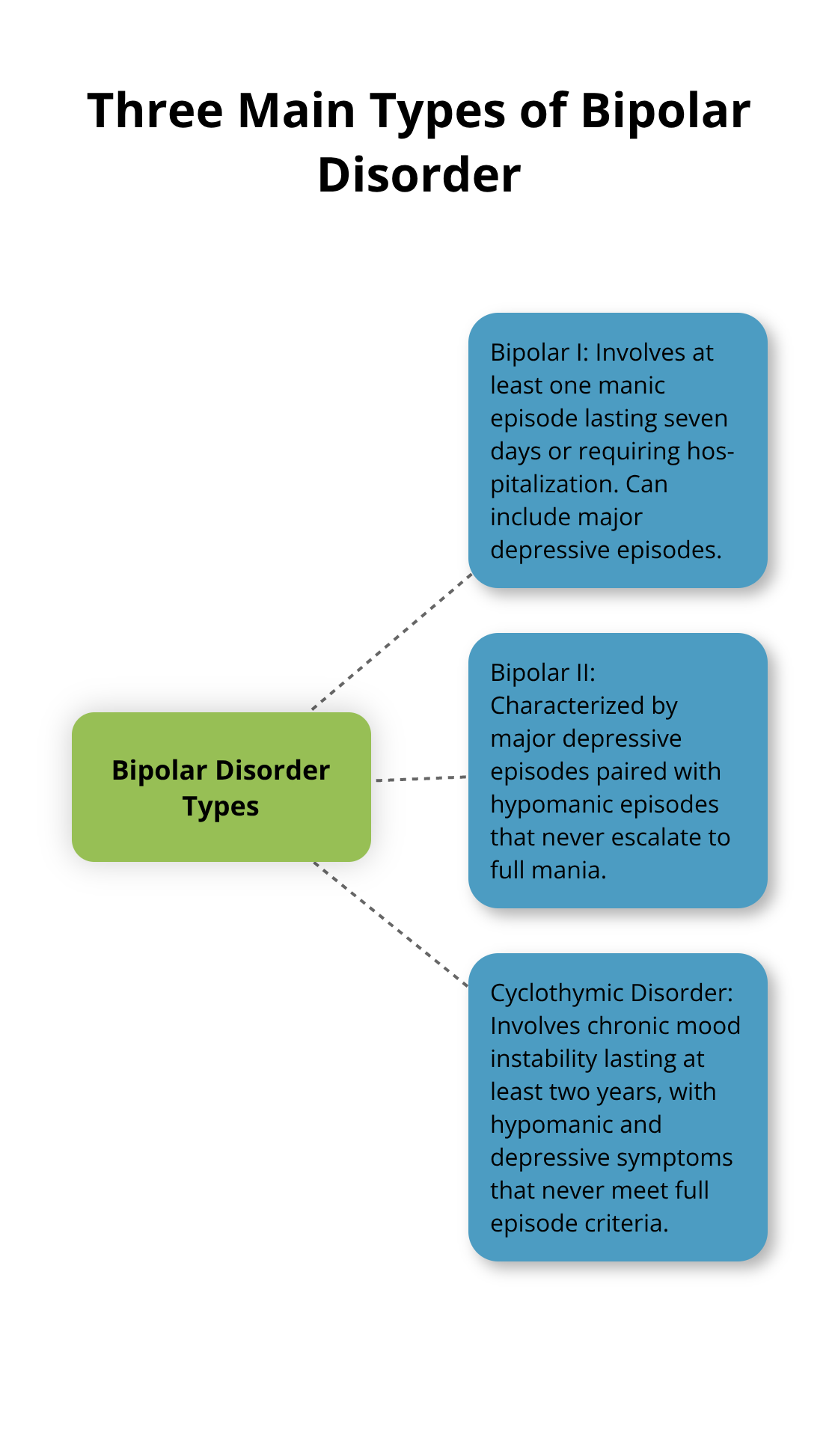
The DSM-5-TR now defines specific criteria that weren’t available during the manic depression era. Bipolar I requires at least one manic episode that lasts seven days or requires hospitalization. Bipolar II involves major depressive episodes with hypomanic episodes that never reach full mania. This precision matters tremendously for treatment plans, as someone with Bipolar I typically needs different medication approaches than someone with Bipolar II.
Current Statistics and Demographics
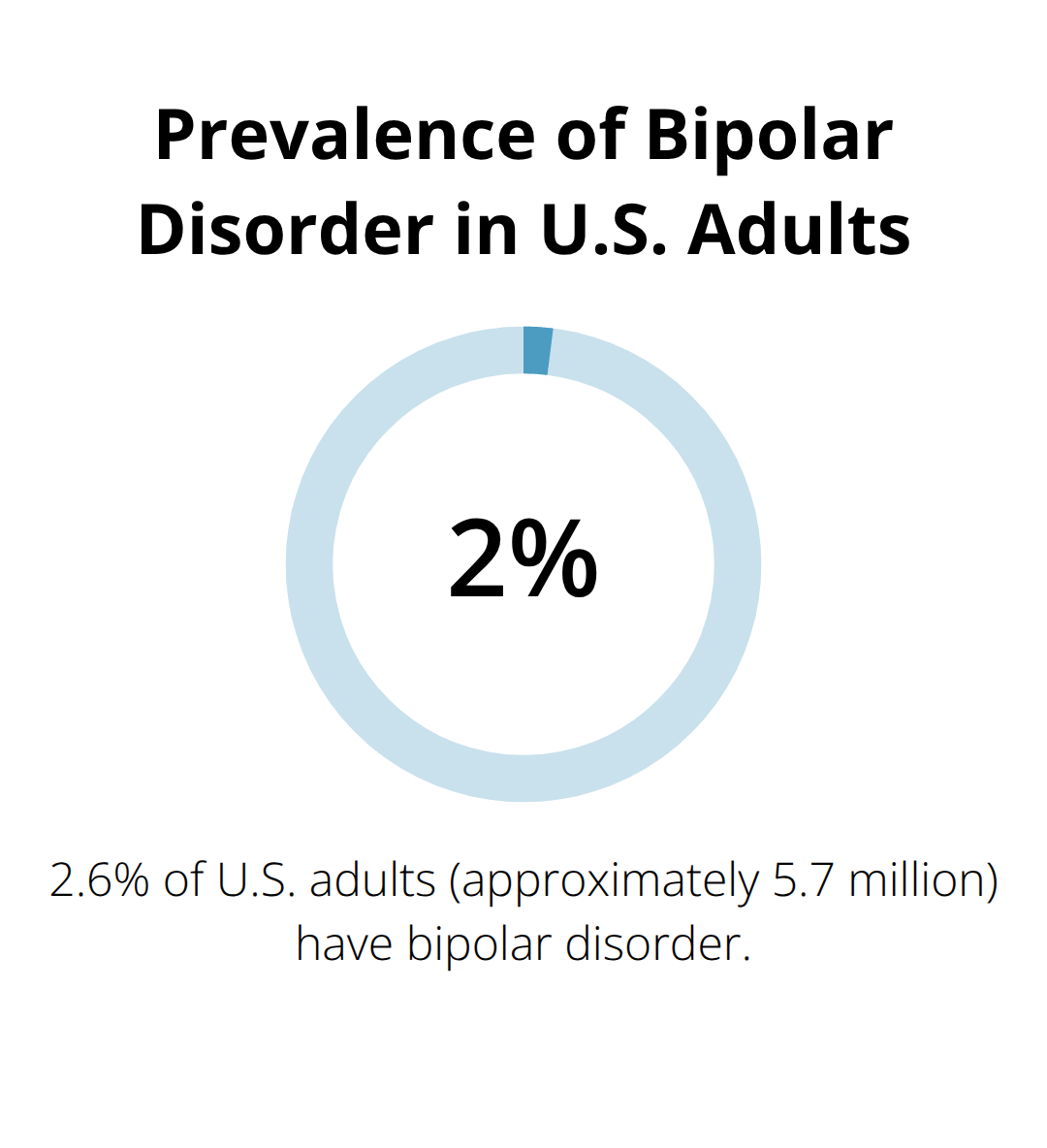
Bipolar disorder affects approximately 5.7 million adult Americans, or about 2.6% of the U.S. population age 18 and older. The average age of onset remains 25 years, though symptoms can appear in childhood or emerge later in the 40s and 50s (with some cases developing even later in life).
Today’s diagnostic process involves comprehensive psychiatric evaluation, mood charts, and careful symptom tracking over time. Accurate diagnosis prevents years of ineffective treatment, as bipolar disorder often gets misdiagnosed as depression alone. This leads to inappropriate antidepressant prescriptions that can trigger manic episodes. Understanding these diagnostic distinctions becomes essential when exploring the different types and symptoms that characterize each form of bipolar disorder. For comprehensive mental health care, consider consulting with Miami psychiatry professionals who specialize in mood disorders.
What Are the Three Main Types of Bipolar Disorder
Bipolar I disorder represents the most severe form and requires at least one manic episode that lasts seven days or demands immediate hospitalization. Patients experience extreme euphoria, decreased need for sleep, racing thoughts, and dangerous impulsivity during these episodes. These patients often require antipsychotic medications alongside mood stabilizers because their manic episodes can include psychotic features (like delusions or hallucinations).
Bipolar II Brings Different Challenges
Bipolar II disorder involves major depressive episodes paired with hypomanic episodes that never escalate to full mania. These hypomanic periods last at least four days and feature increased energy, elevated mood, and decreased sleep needs, but patients maintain their grip on reality. The depression component often proves more debilitating than the hypomania, with episodes that last weeks or months. Patients frequently seek treatment during depressive phases, which leads to misdiagnosis as major depression. This misdiagnosis becomes dangerous when doctors prescribe antidepressants alone (potentially triggering hypomanic episodes).
Cyclothymic Disorder Creates Chronic Instability
Cyclothymic disorder involves chronic mood instability that lasts at least two years, with hypomanic and depressive symptoms that never meet full episode criteria. Patients experience mood swings that disrupt daily functioning but remain below the threshold for bipolar I or II diagnosis. The condition affects approximately 0.4% to 1% of the general population and often develops during adolescence or early adulthood.
Rapid Cycling Patterns Complicate Treatment
Rapid cycling affects 22.3%–35.5% of bipolar patients and is defined as four or more mood episodes within 12 months. Women develop rapid cycling more frequently than men, often triggered by thyroid dysfunction or antidepressant use. Treatment requires specialized approaches, as standard mood stabilizers sometimes prove less effective for rapid cycling patterns. Mental health professionals in areas like Miami psychiatry and Coral Gables often see these complex cases that demand careful medication adjustments and close monitoring.
These distinct types require different treatment approaches, which makes accurate diagnosis the foundation for effective bipolar disorder management.
How Do You Treat Bipolar Disorder Effectively
Medication Forms the Foundation of Treatment
Mood stabilizers represent the cornerstone of bipolar disorder treatment, with lithium remaining the gold standard after decades of research. Studies show lithium provides strong anti-suicidal effects in bipolar patients, which makes it irreplaceable despite the need for regular blood tests (to monitor kidney and thyroid function). Valproic acid and lamotrigine provide alternatives for patients who cannot tolerate lithium, with lamotrigine particularly effective for bipolar II depression.
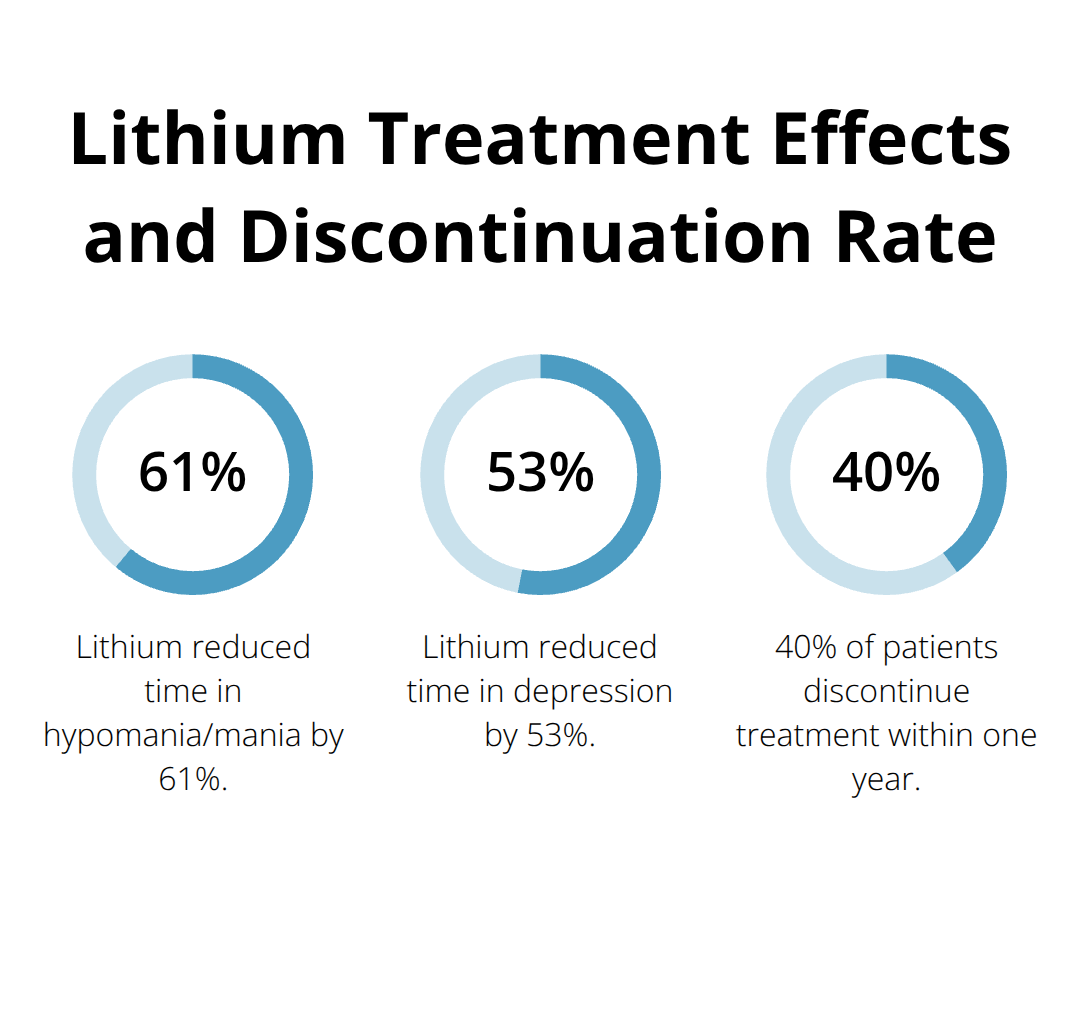
Antipsychotic medications like olanzapine, risperidone, and aripiprazole treat acute manic episodes and prevent future episodes when doctors combine them with mood stabilizers. Research shows that lithium reduced time in hypomania/mania by 61%, and time in depression by 53%, yet 40% of patients discontinue treatment within one year due to side effects or improved symptoms.
Psychotherapy Builds Long-Term Stability
Cognitive behavioral therapy teaches patients to identify early warning signs and develop coping strategies before episodes escalate. The International Society for Bipolar Disorders found that CBT combined with medication reduces relapse rates by 35% compared to medication alone. Interpersonal and social rhythm therapy focuses on consistent daily routines, sleep schedules, and social interactions that prevent mood destabilization.
Family-focused therapy involves loved ones in treatment, which reduces family conflict and improves medication compliance. Psychoeducation groups help patients understand their condition, recognize triggers, and develop emergency action plans for crisis situations.
Lifestyle Changes Amplify Treatment Success
Sleep consistency proves non-negotiable for bipolar stability, as even one night of sleep loss can trigger manic episodes in vulnerable individuals. Regular exercise equivalent to 150 minutes of moderate activity weekly reduces depressive symptoms by 30% according to Harvard Medical School research. Alcohol and recreational drugs must be eliminated completely, as they interfere with medication effectiveness and trigger mood episodes.
Stress management through meditation, yoga, or relaxation techniques helps patients navigate life challenges without mood destabilization. Professional support in areas like Coral Gables often includes nutrition counseling, as proper diet supports medication absorption and overall brain health. For comprehensive care, consider consulting with Miami psychiatry specialists who understand the complexities of bipolar treatment.
Advanced Treatment Options for Severe Cases
Electroconvulsive therapy serves as an effective option for treatment-resistant bipolar disorder, especially during severe depressive episodes that don’t respond to medication. ECT works faster than traditional treatments and can be life-saving for patients with suicidal ideation (though it requires careful consideration of risks and benefits). Transcranial magnetic stimulation offers a newer alternative for patients who cannot tolerate ECT or prefer less invasive options.
Final Thoughts
The question “what’s the difference between manic depression and bipolar disorder” has a straightforward answer: there is no difference. These terms describe the same mental health condition. The psychiatric community changed the terminology in 1980 to provide clearer diagnostic criteria and reduce stigma.
This name change reflects decades of scientific advancement in mood disorder research. Modern bipolar disorder diagnosis offers precise categories that guide effective treatment approaches. Whether someone received a manic depression diagnosis years ago or recently learned about bipolar disorder, the condition remains treatable with proper professional care (and accurate diagnosis makes all the difference).
If you recognize bipolar symptoms in yourself or a loved one, professional evaluation provides the foundation for recovery. We at Equilibrium Mental Health Services offer comprehensive psychiatric care that includes both medication management and psychotherapy. For specialized treatment, consider consulting with Miami psychiatry professionals who can create personalized treatment plans to help you achieve stability and improved quality of life.


