
At Equilibrium Mental Health Services, we often encounter patients grappling with the confusion between anxiety disorder and ADHD. These conditions can present similar symptoms, making it challenging for individuals to understand what they’re experiencing.
In this post, we’ll explore the key differences between anxiety disorder vs ADHD, helping you gain clarity on these distinct mental health conditions. Our goal is to provide you with valuable insights that can guide you towards seeking appropriate professional help and support.
What Is Anxiety Disorder?
Definition and Prevalence
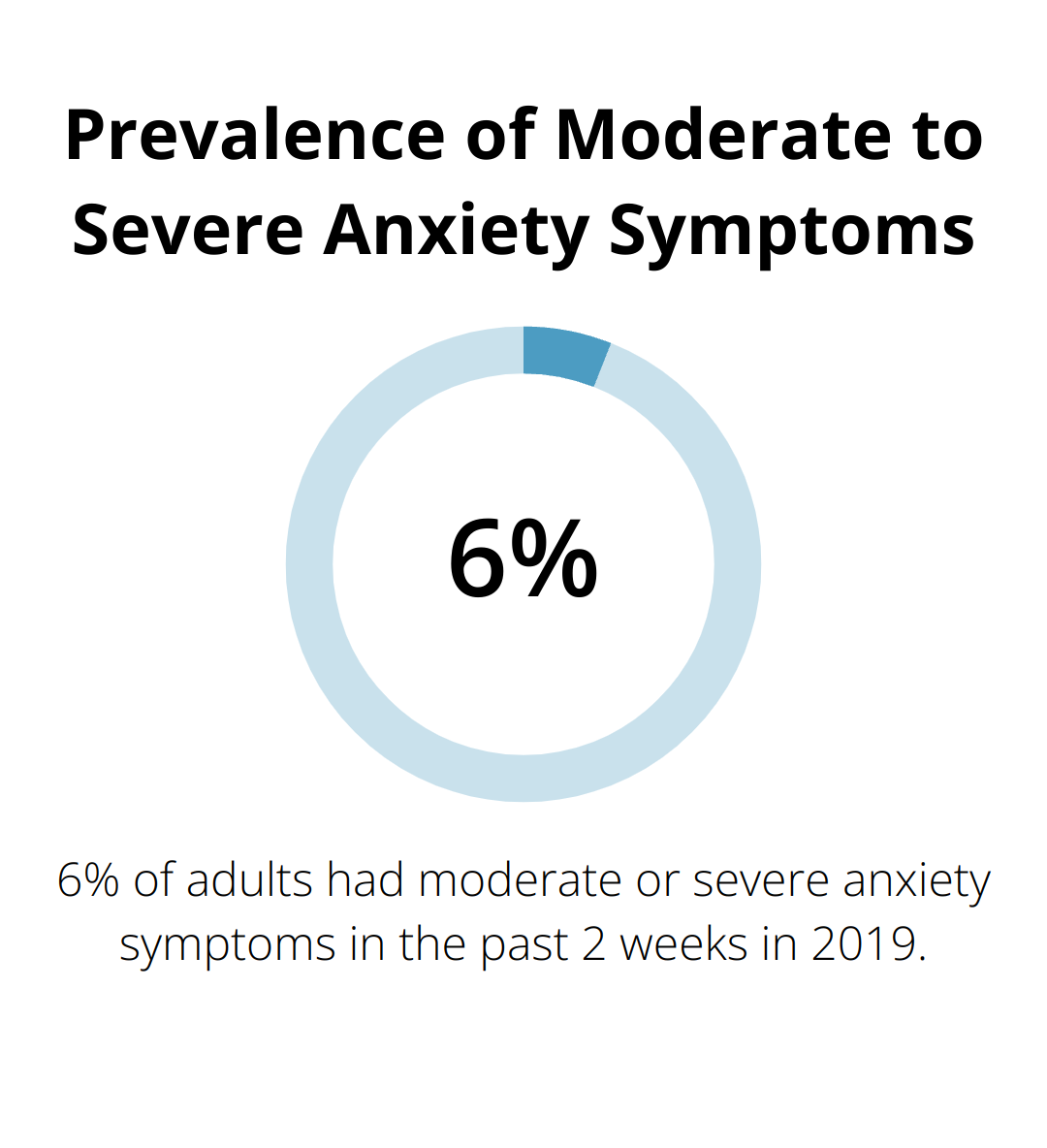
Anxiety disorder is a mental health condition that goes beyond occasional worry or stress. It involves persistent, intense anxiety that interferes with daily life. At Equilibrium Mental Health Services, we see many patients from Coral Gables and surrounding areas who struggle with this condition. According to a recent study, about 6% of adults had experienced moderate or severe symptoms of anxiety in the past 2 weeks in 2019.
Common Symptoms
Anxiety disorders manifest in various ways, but some common symptoms include:
- Excessive worry that’s hard to control
- Restlessness or feeling on edge
- Difficulty concentrating
- Sleep disturbances
- Physical symptoms (rapid heartbeat, sweating, trembling)
These symptoms can affect everything from job performance to social interactions, often leading to significant distress and impairment.
Types of Anxiety Disorders
Several types of anxiety disorders exist, each with specific characteristics:
- Generalized Anxiety Disorder (GAD): Persistent and excessive worry about various life aspects.
- Panic Disorder: Recurring panic attacks, often with physical symptoms like chest pain and shortness of breath.
- Social Anxiety Disorder: Intense fear of social situations and being judged by others.
- Specific Phobias: Extreme fear of particular objects or situations (e.g., heights, spiders).
Impact on Daily Life
Anxiety disorders can significantly affect daily functioning. According to a recent report, anxiety can make you shun social environments, and in some cases, this may mean skipping a meeting or avoiding conferences and large gatherings. Many patients in Miami report difficulties in maintaining relationships, performing at work, or even leaving their homes. The constant state of worry and fear often leads to avoidance behaviors, which can further isolate individuals and potentially worsen their symptoms.
It’s important to note that anxiety disorders are treatable. With proper diagnosis and treatment, many people can manage their symptoms effectively and lead fulfilling lives. If persistent anxiety affects your daily life, consider reaching out to a mental health professional. (At Equilibrium Mental Health Services, we offer comprehensive evaluations and personalized treatment plans to help you regain control and find balance.)
Seeking help is a sign of strength, not weakness. Whether you’re in Pinecrest, Palmetto Bay, or anywhere in the Miami area, professional support is available. Our team at Equilibrium Mental Health Services is here to guide you through your journey to better mental health.
Now that we’ve explored anxiety disorders, let’s turn our attention to another commonly misunderstood condition: ADHD. Understanding the key differences between these two conditions is essential for accurate diagnosis and effective treatment.
Miami psychiatry services can provide valuable support for those dealing with anxiety disorders and other mental health concerns.
What Is ADHD?
Definition and Prevalence
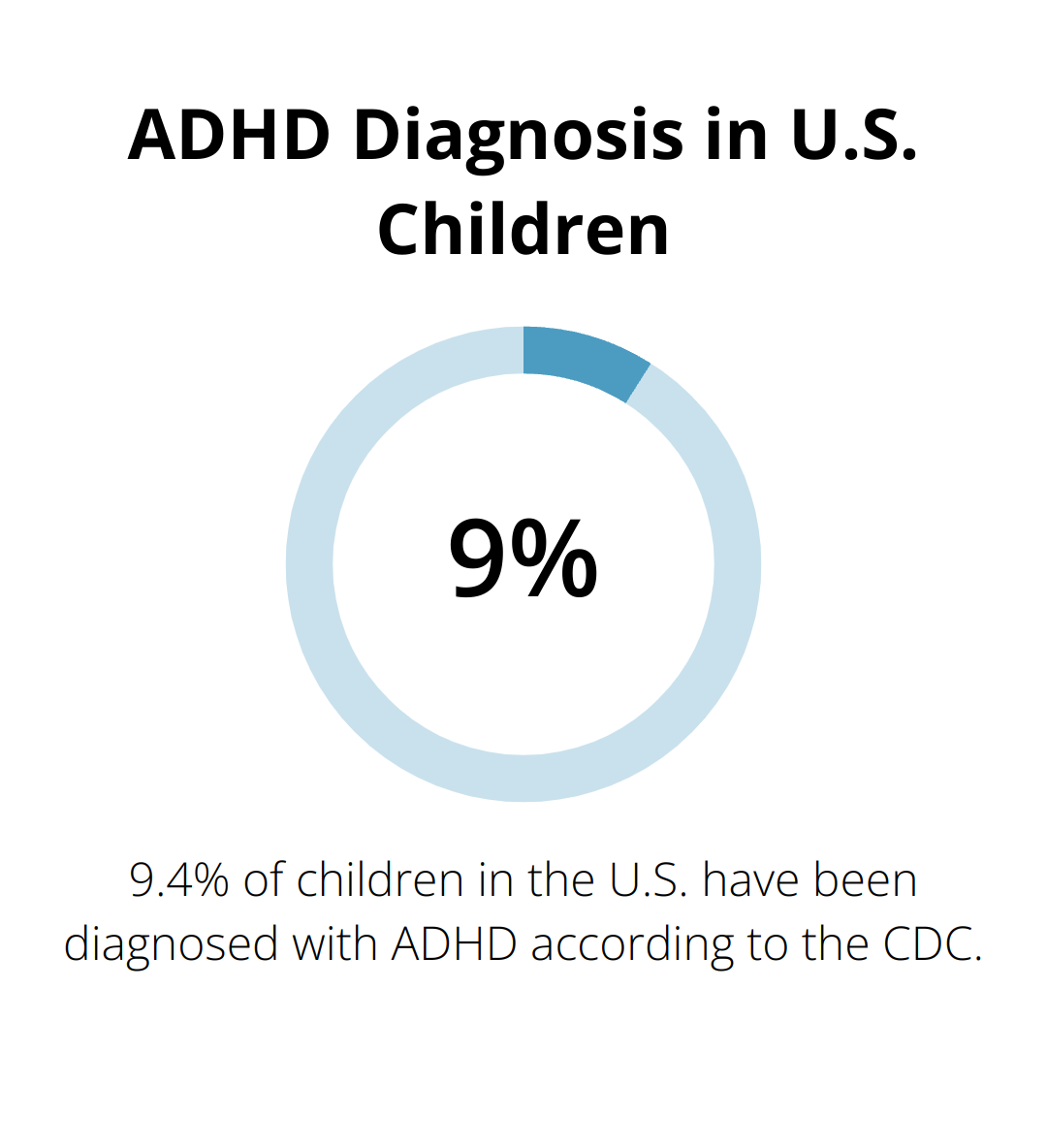
Attention Deficit Hyperactivity Disorder (ADHD) is a neurodevelopmental condition that affects both children and adults. The prevalence of ADHD diagnoses has increased in recent years, particularly among adults who may have gone undiagnosed in childhood. According to the Centers for Disease Control and Prevention, approximately 9.4% of children in the U.S. have been diagnosed with ADHD.
Primary Symptoms of ADHD
ADHD manifests through three primary symptom categories: inattention, hyperactivity, and impulsivity. These symptoms can vary in intensity and presentation among individuals.
- Inattention: This involves difficulty focusing on tasks, forgetfulness, and easy distraction. For example, a patient from Coconut Grove reported frequently missing important details in work emails, which led to mistakes and frustration from colleagues.
- Hyperactivity: This typically includes excessive physical movement, restlessness, and difficulty sitting still. A patient from Kendall described feeling like he had “ants in his pants” during long meetings, often fidgeting or needing to stand up and move around.
- Impulsivity: This can manifest as interrupting others, making rash decisions, or acting without considering consequences. A teenager from Palmetto Bay struggled with blurting out answers in class before questions were finished, causing tension with teachers and classmates.
ADHD Subtypes
The DSM-5 recognizes three subtypes of ADHD:
- Predominantly Inattentive Type
- Predominantly Hyperactive-Impulsive Type
- Combined Type
Understanding these subtypes is important for accurate diagnosis and effective treatment. Adults with the inattentive type might be mistakenly labeled as “lazy” or “unmotivated” when they actually struggle with focus and organization.
Impact on Daily Life
ADHD can significantly affect various aspects of daily functioning. A recent study showed that over half of working individuals with ADHD maintain a strong link to the labour market five years after the first diagnosis of ADHD.
ADHD can impact:
- Work Performance: Missed deadlines, disorganization, and difficulty prioritizing tasks are common complaints.
- Relationships: Forgetfulness and impulsivity can strain personal and professional relationships.
- Education: Students with ADHD often struggle with time management and completing assignments.
- Financial Management: Impulsive spending and difficulty with long-term financial planning are frequent issues.
- Emotional Regulation: Many individuals with ADHD experience mood swings and difficulty managing emotions.
It’s worth noting that while ADHD presents challenges, it can also bring unique strengths. Many patients in Miami psychiatry report high creativity, the ability to hyperfocus on interesting tasks, and out-of-the-box thinking.
If you recognize these symptoms in yourself or a loved one, a professional evaluation is warranted. Early diagnosis and treatment can significantly improve quality of life and help individuals harness their strengths while managing their challenges. ADHD is a manageable condition, and with the right support, individuals can thrive in their personal and professional lives.
Now that we’ve explored both anxiety disorders and ADHD, let’s examine the key differences between these two conditions to help clarify their distinct characteristics and impacts.
How Do Anxiety and ADHD Differ?
Focus and Attention
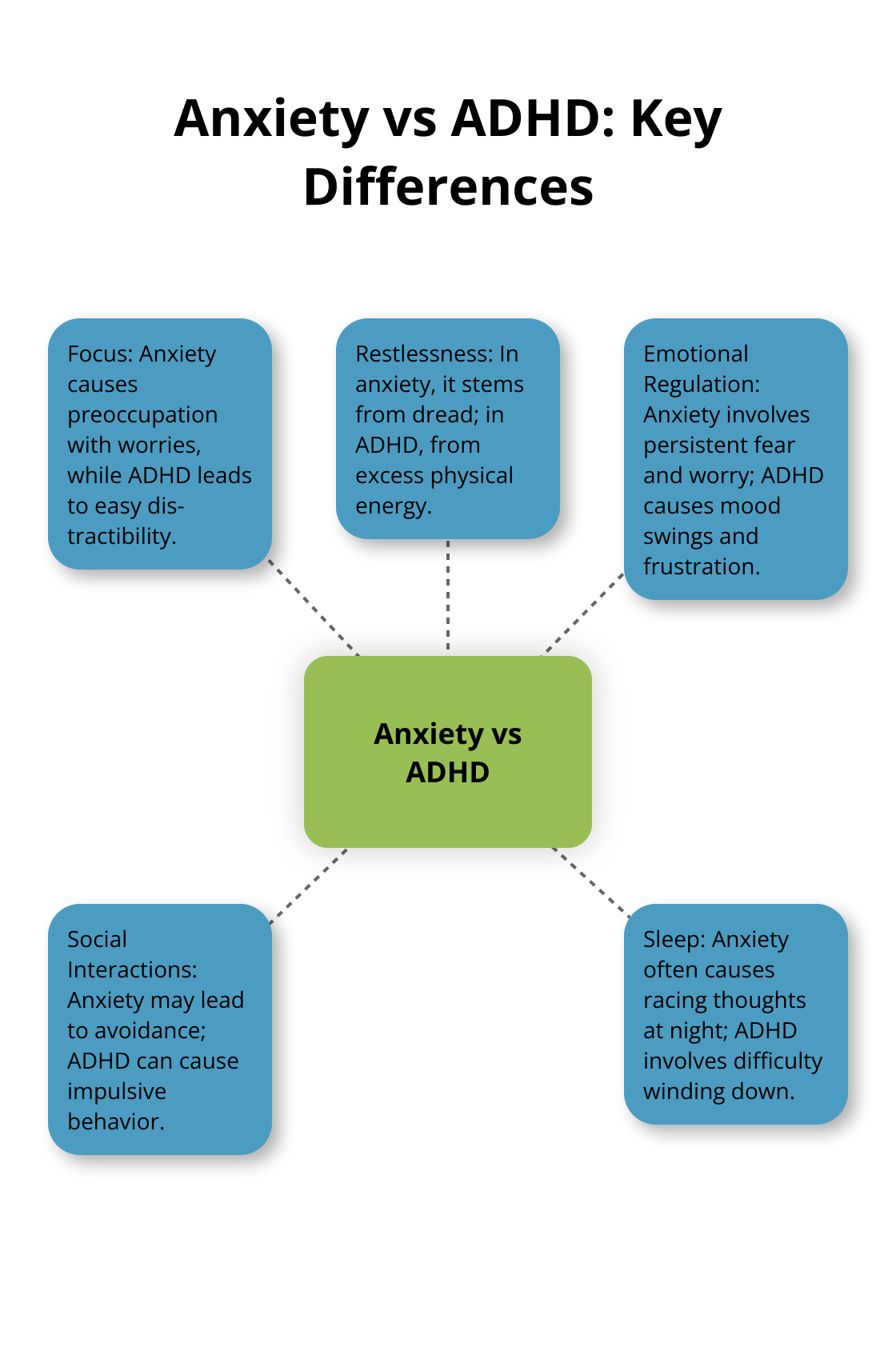
Anxiety and ADHD affect focus and attention differently. Multiple anxiety disorders and generalized anxiety symptoms are associated with worse cognitive functioning on several cognitive domains. A patient from Coral Gables reported struggling to focus at work because of constant preoccupation with potential worst-case scenarios. ADHD, on the other hand, involves trouble sustaining attention due to easy distractibility and difficulty filtering out irrelevant stimuli. A student from Pinecrest with ADHD described his mind as “constantly channel-surfing,” making it challenging to focus on a single task for extended periods.
Restlessness and Energy Levels
Both conditions involve restlessness, but the underlying causes differ. In anxiety, restlessness stems from a sense of dread or anticipation of potential threats. A patient from Palmetto Bay described feeling “wound up like a spring” due to constant worry. In ADHD, hyperactivity is more physical and originates from an excess of unfocused energy. An adult with ADHD from Coconut Grove reported an constant urge to be in motion, often pacing while on phone calls or fidgeting during meetings.
Emotional Regulation
Anxiety disorders typically involve intense emotions centered around fear, worry, and apprehension. These emotions can overwhelm and persist. In ADHD, emotional dysregulation often manifests as mood swings, irritability, and difficulty managing frustration. A teenager with ADHD from Key Biscayne described his emotions as “going from 0 to 100 in seconds,” particularly when faced with setbacks or criticism.
Social Interactions
Social anxiety, a common form of anxiety disorder, can lead to avoidance of social situations due to fear of judgment or embarrassment. A patient from Kendall reported skipping work events due to intense anxiety about potential social missteps. In ADHD, social difficulties often arise from impulsivity, such as interrupting others or speaking without thinking. An adult with ADHD from Brickell mentioned struggling to maintain friendships because he often blurted out inappropriate comments without meaning to offend.
Sleep Patterns
Sleep disturbances in anxiety often involve difficulty falling asleep due to racing thoughts or waking up with worry in the middle of the night. This review represents a comprehensive overview of clinical and therapeutic approaches to insomnia in the framework of anxiety and related disorders. In ADHD, sleep issues more likely involve difficulty winding down at night, restless sleep, or trouble waking up in the morning.
Miami psychiatry professionals can provide tailored treatment approaches for both anxiety and ADHD, addressing the unique challenges each condition presents.
Final Thoughts
Anxiety disorder vs ADHD presents distinct challenges in diagnosis and treatment. Anxiety centers on excessive worry and fear, while ADHD primarily involves attention, hyperactivity, and impulse control difficulties. A thorough evaluation by a mental health professional can provide clarity and guide you towards effective treatment options.
Expert psychiatric care is available for residents in Coral Gables, Pinecrest, and the greater Miami area. Equilibrium Mental Health Services offers comprehensive evaluations and personalized treatment plans for both anxiety disorders and ADHD. Our team of experienced professionals understands the nuances of these conditions and can provide the support you need to manage your symptoms effectively.
Don’t let uncertainty hold you back from taking the first step towards better mental health. Reach out to Equilibrium Mental Health Services today and start your journey towards finding balance and achieving your full potential. Professional support can make a significant difference in your quality of life (whether you’re dealing with persistent worry, difficulty focusing, or a combination of symptoms).


