
Mental health conditions affect millions of people worldwide, yet many struggle to understand the differences between various disorders. The question “is bipolar worse than depression” comes up frequently in clinical settings.
At Equilibrium Mental Health Services, we see patients grappling with both conditions daily. Both disorders significantly impact lives, but they present unique challenges that require different treatment approaches.
What Makes These Conditions Different?
Bipolar disorder and major depression share overlapping symptoms, but their fundamental patterns create distinct clinical pictures that require different approaches to treatment and management.
Core Symptom Patterns
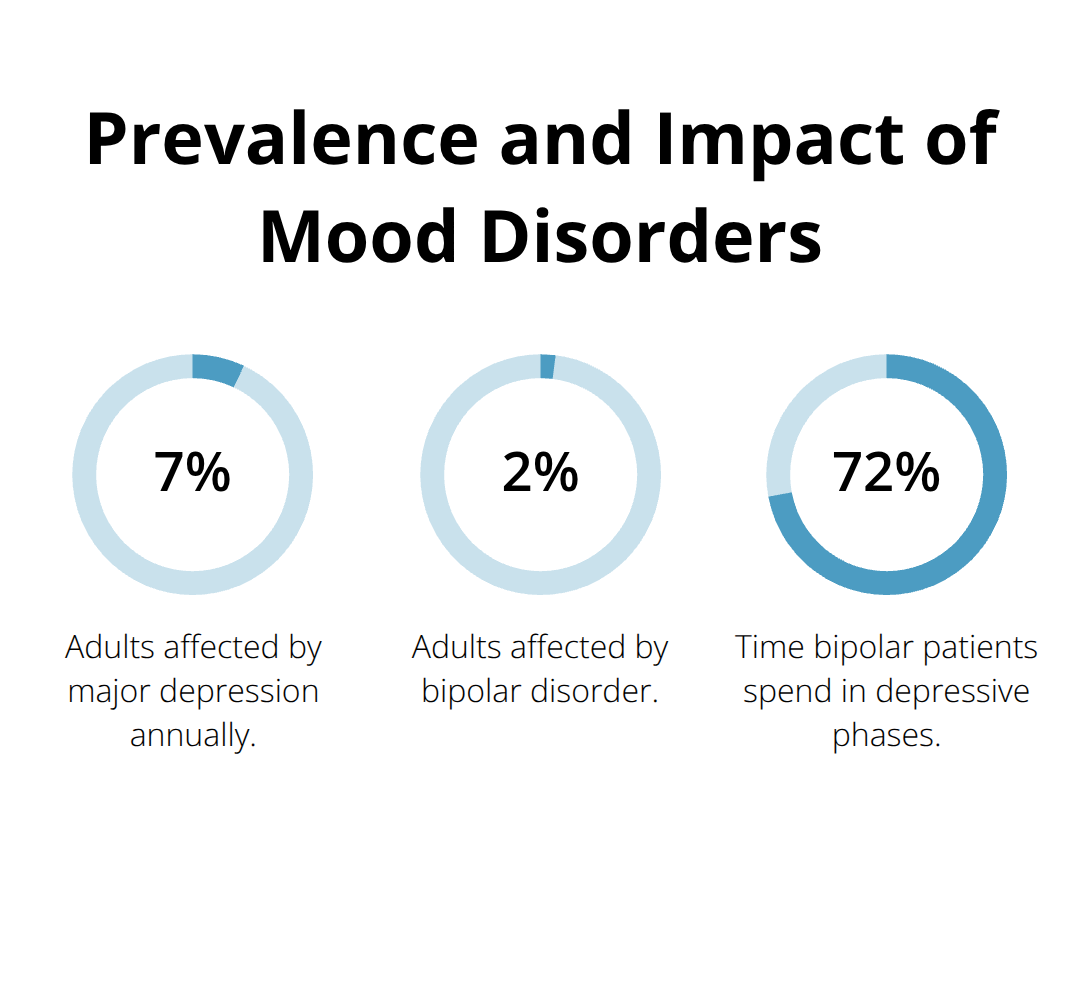
Major depression presents persistent low mood, loss of interest in activities, and symptoms like fatigue, worthlessness, and concentration problems that last at least two weeks. The National Institute of Mental Health reports that major depression affects 7.1% of adults annually, making it one of the most common mental health conditions.
Bipolar disorder operates through alternating mood episodes that create a completely different clinical presentation. During manic phases, patients experience elevated mood, racing thoughts, decreased need for sleep, and impulsive behavior that lasts at least seven days or requires hospitalization. These manic episodes distinguish bipolar disorder from depression entirely.
Prevalence and Diagnostic Challenges
The condition affects 2.8% of adults according to NIMH data, but diagnosis often takes 6-8 years because 40% of patients initially receive a depression diagnosis. This diagnostic delay creates significant treatment complications in clinical practice. Bipolar patients spend approximately 72% of their time in depressive phases, with Bipolar II patients experiencing depression 81% of the time compared to 70% for Bipolar I.
The key difference lies in episode patterns: depression maintains consistent low mood, while bipolar disorder cycles between extreme highs and lows. This cycling pattern requires completely different medication approaches and monitoring strategies than standard depression treatment.
Diagnostic Criteria That Matter
The DSM-5-TR establishes clear diagnostic boundaries between these conditions. Major depression requires five or more symptoms present for two weeks, including depressed mood or loss of interest. Bipolar I disorder needs just one manic episode that lasts seven days, while Bipolar II requires hypomanic episodes that last four days plus major depressive episodes.
Treatment Response Differences
Antidepressants work effectively for major depression but can trigger dangerous manic episodes in bipolar patients. Research indicates that while some evidence suggests increased risk of switching to mania exists, individual antidepressants don’t show significantly increased switch risk when properly managed. This difference in medication response highlights why accurate diagnosis becomes essential for patient safety and treatment success, particularly when seeking specialized care through Miami psychiatry services, setting the stage for understanding how these conditions impact daily life and long-term outcomes.
Which Condition Creates Greater Life Disruption?
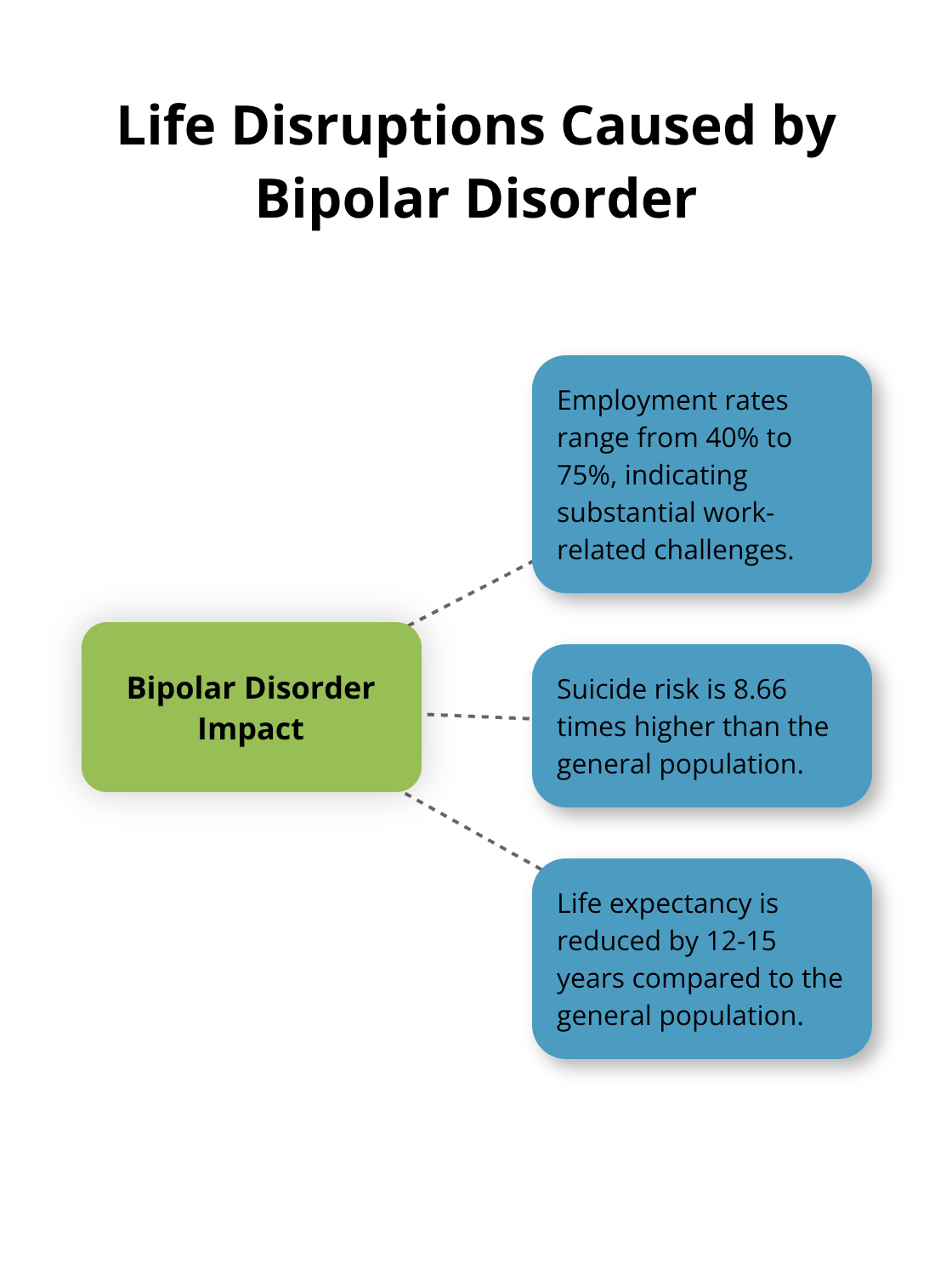
Bipolar disorder creates significantly more severe functional impairment than major depression across multiple life domains. Research shows that employment rates range from 40 to 75% for bipolar disorder patients, indicating substantial work-related challenges. The likelihood of dying by suicide in bipolar disorder is 8.66 times higher than the general population, compared to depression’s elevated but lower suicide risk.
Emergency Care and Hospital Admissions
Hospitalization rates demonstrate this severity gap clearly. Bipolar patients require emergency psychiatric care at substantially higher rates due to manic episodes that can include psychotic features and dangerous impulsivity. Emergency departments in Miami and surrounding areas see bipolar patients during acute manic phases that pose immediate safety risks to themselves and others. Depression patients, while experiencing significant distress, rarely require emergency intervention at these same rates.
Daily Function and Work Performance
The episodic nature of bipolar disorder disrupts daily activities more severely than depression’s consistent but manageable symptoms. Patients cycle between periods of extreme productivity during hypomania and complete dysfunction during depression. This pattern makes consistent work performance nearly impossible for most individuals with the condition.
Major depression, while debilitating, typically maintains more predictable symptom patterns that allow for structured treatment approaches. Bipolar patients spend 72% of their time in depressive phases, but the unpredictable manic switches create additional chaos that depression patients don’t face.
Physical Health Complications
Life expectancy data reveals bipolar disorder’s greater severity. Individuals with bipolar disorder live 12-15 years less than the general population according to research by Chesney. This reduction stems from higher rates of cardiovascular disease (myocardial infarction risk 37% greater and congestive heart failure risk 230% greater than general populations).
Depression carries health risks, but the metabolic syndrome prevalence and substance abuse rates in bipolar disorder create medical complications that depression alone typically doesn’t generate. These physical health impacts compound the mental health challenges and require comprehensive medical management that goes beyond psychiatric care alone, making effective treatment strategies essential for both conditions including specialized Miami psychiatry services.
How Do Treatment Approaches Differ?
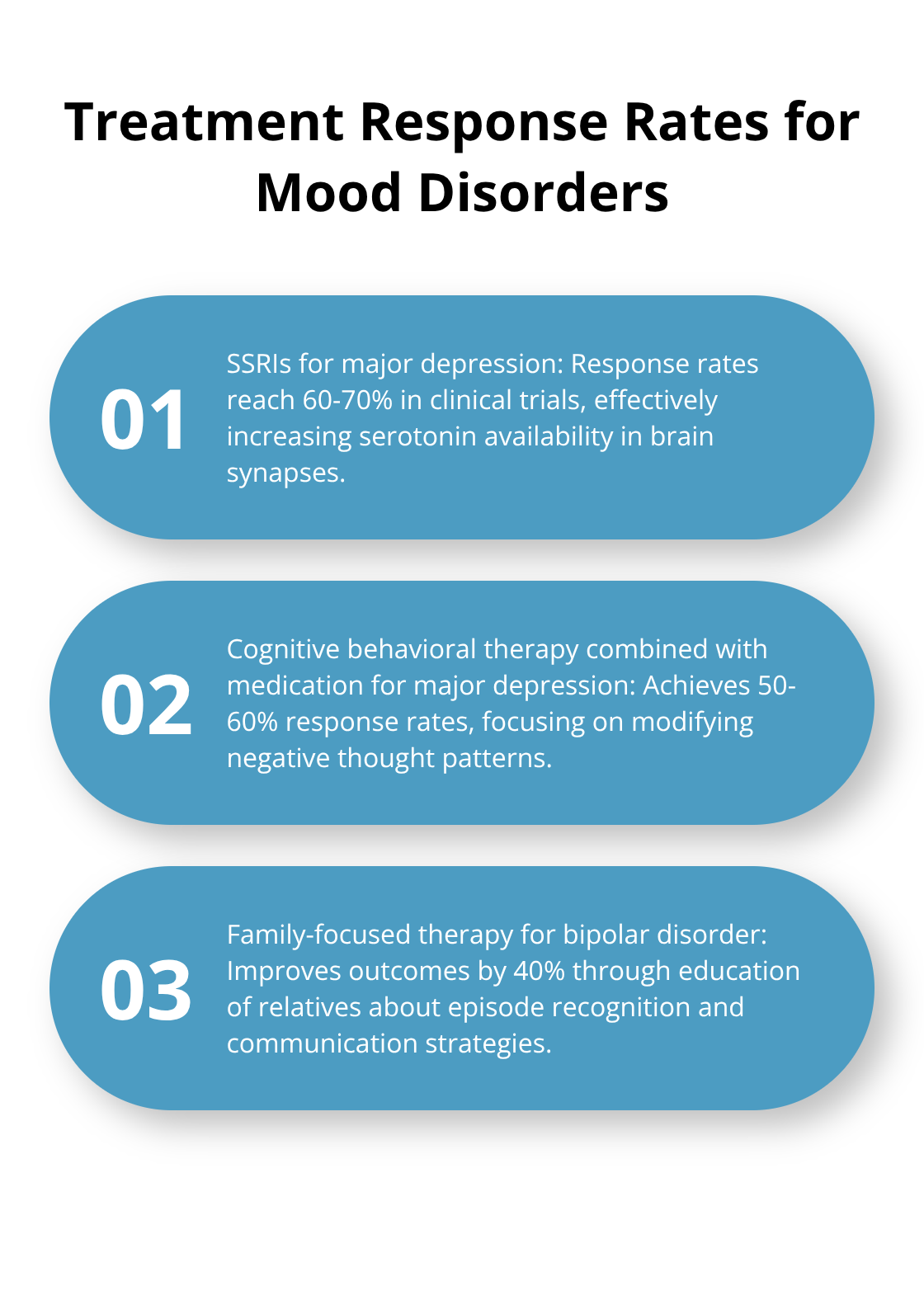
Medication management requires completely different strategies for each condition due to distinct brain chemistry patterns and episode triggers. Major depression responds well to selective serotonin reuptake inhibitors like sertraline and escitalopram, with response rates that reach 60-70% according to clinical trials. These medications work by increasing serotonin availability in brain synapses, which addresses the neurotransmitter deficits that drive depressive symptoms. Treatment typically begins with a single antidepressant, adjusted over 4-6 weeks based on patient response and side effects.
Bipolar Medication Protocols Require Multiple Drugs
Bipolar disorder demands mood stabilizers as the foundation of treatment, not antidepressants alone. Lithium remains the gold standard and shows consistent reduction in suicidal behavior across multiple meta-analyses conducted by Müller-Oerlinghausen and Roberts. Patients require regular blood tests every 3-6 months to prevent toxicity, which makes treatment more complex than depression management. Lamotrigine works effectively for bipolar depression prevention, while valproic acid and carbamazepine address manic episodes. Modern antipsychotics like cariprazine and lurasidone show short-term efficacy for bipolar depression but carry metabolic risks that require careful oversight.
Psychotherapy Success Rates Vary Significantly
Cognitive behavioral therapy achieves 50-60% response rates for major depression when combined with medication. This approach focuses on identification and modification of negative thought patterns that perpetuate depressive episodes. Sessions typically occur weekly for 12-16 weeks, with patients who learn practical skills for mood regulation and relapse prevention. Dialectical behavior therapy shows superior results for bipolar disorder and teaches distress tolerance and emotion regulation skills that help patients manage mood swings without medication adjustments. Family-focused therapy improves outcomes by 40% in bipolar patients through education of relatives about episode recognition and communication strategies.
Accurate Diagnosis Determines Treatment Success
Misdiagnosis creates dangerous treatment failures that can worsen patient outcomes significantly. When depression patients receive bipolar medications unnecessarily, they experience side effects without symptom improvement, which leads to treatment abandonment and symptom deterioration.
More critically, bipolar patients treated with antidepressants alone face manic episode triggers that can require emergency hospitalization and damage relationships permanently. The 6-8 year diagnostic delay common in bipolar disorder means patients often endure years of ineffective depression treatment before they receive appropriate mood stabilizers, making proper evaluation essential for treatment success.
Final Thoughts
The evidence clearly shows that bipolar disorder creates more severe life disruption than major depression. While both conditions cause significant pain, bipolar disorder’s 12-15 year reduction in life expectancy, higher suicide rates, and complex medication requirements demonstrate its greater clinical severity. The question “is bipolar worse than depression” has a definitive answer based on hospitalization rates, functional impairment, and treatment complexity.
However, severity doesn’t diminish the importance of effective treatment for either condition. Both disorders respond well to proper treatment when doctors diagnose them accurately. The 6-8 year diagnostic delay common in bipolar disorder (which often leads to initial misdiagnosis as depression) highlights why professional evaluation becomes essential for anyone who experiences mood symptoms.
We at Equilibrium Mental Health Services understand that each person’s experience with mood disorders remains unique. Our team provides comprehensive psychiatric care for both depression and bipolar disorder. If you struggle with mood symptoms or question your current diagnosis, contact Equilibrium Mental Health Services today to speak with our professionals and begin your path toward better mental health.


