
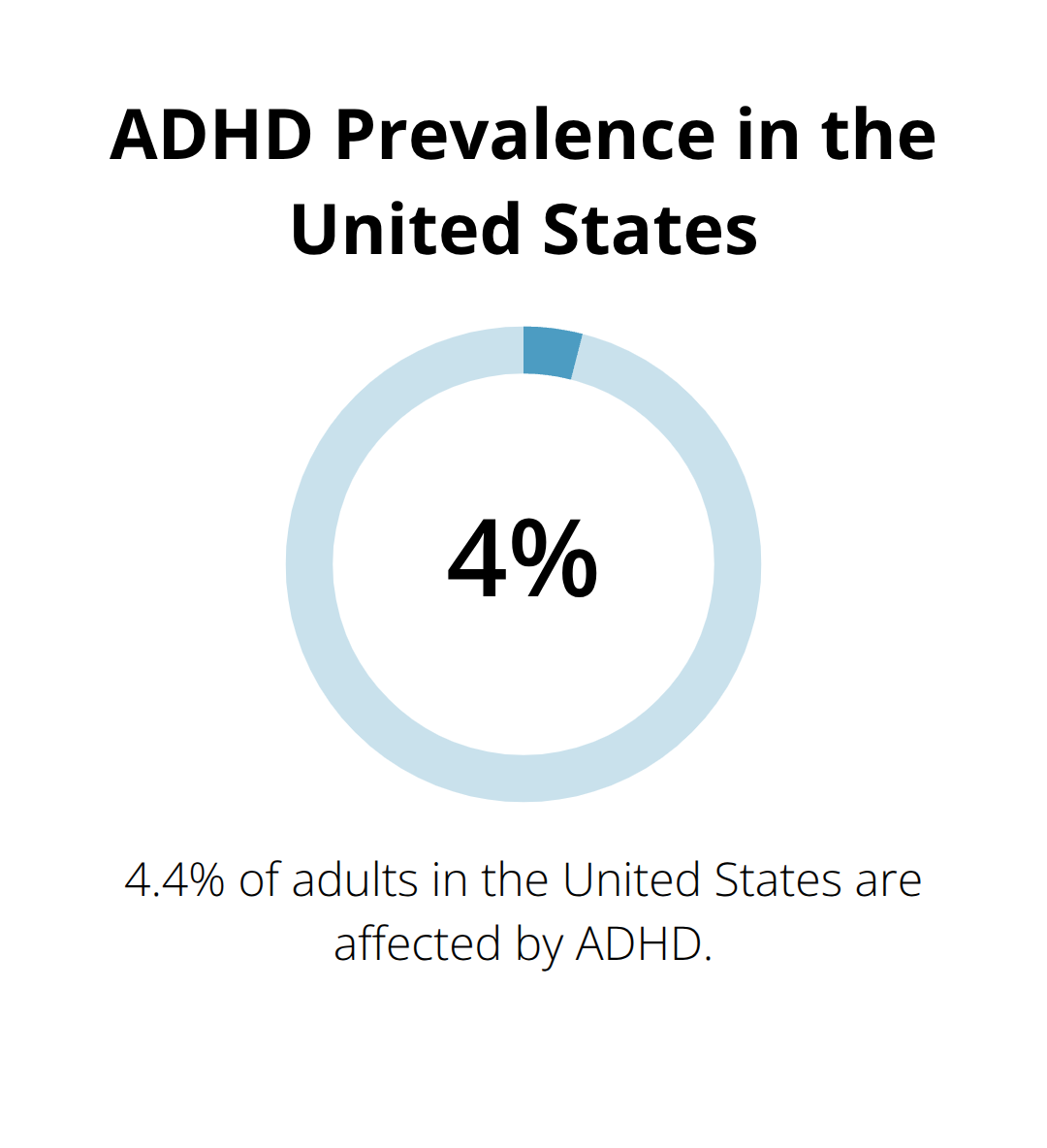
ADHD affects 6.1 million children and 4.4% of adults in the United States, creating daily challenges with focus, organization, and impulse control.
While medication helps many people, talk therapy for ADHD offers powerful tools to build practical skills and change thought patterns. We at Equilibrium Mental Health Services see how combining therapeutic approaches creates lasting improvements in managing symptoms and improving quality of life.
How Talk Therapy Transforms ADHD Management
ADHD creates three distinct patterns of symptoms that disrupt daily function. The hyperactive-impulsive type shows up as restlessness, interruptions of others, and quick decisions without consideration of consequences. The inattentive type manifests as difficulty with task focus, forgotten appointments, and regular loss of important items. The combined type affects most people with ADHD and includes both sets of challenges, which requires comprehensive treatment approaches.
Traditional Treatment Limitations
ADHD symptoms persist in up to 60-70% of cases into adulthood according to research. Stimulants like methylphenidate and amphetamines improve focus and reduce hyperactivity, but they don’t teach organizational skills or change negative thought patterns. Non-stimulant medications such as atomoxetine work differently but still leave gaps in practical life management. Adults who take medication without therapy often struggle with time management, relationship conflicts, and low self-esteem that medication cannot fix.
Evidence-Based Therapeutic Approaches
Cognitive Behavioral Therapy shows the strongest research support for ADHD management. A 2020 review of 53 studies demonstrated that CBT significantly reduces symptoms in adults when combined with medication. The therapy targets specific ADHD challenges like procrastination beliefs, task paralysis, and negative self-talk that worsen symptoms. Dialectical Behavioral Therapy incorporates mindfulness strategies that improve emotional regulation and reduce impulsivity. Mindfulness-Based Cognitive Therapy combines CBT techniques with meditation practices to enhance focus and attention control.
Skills That Transfer to Real Life
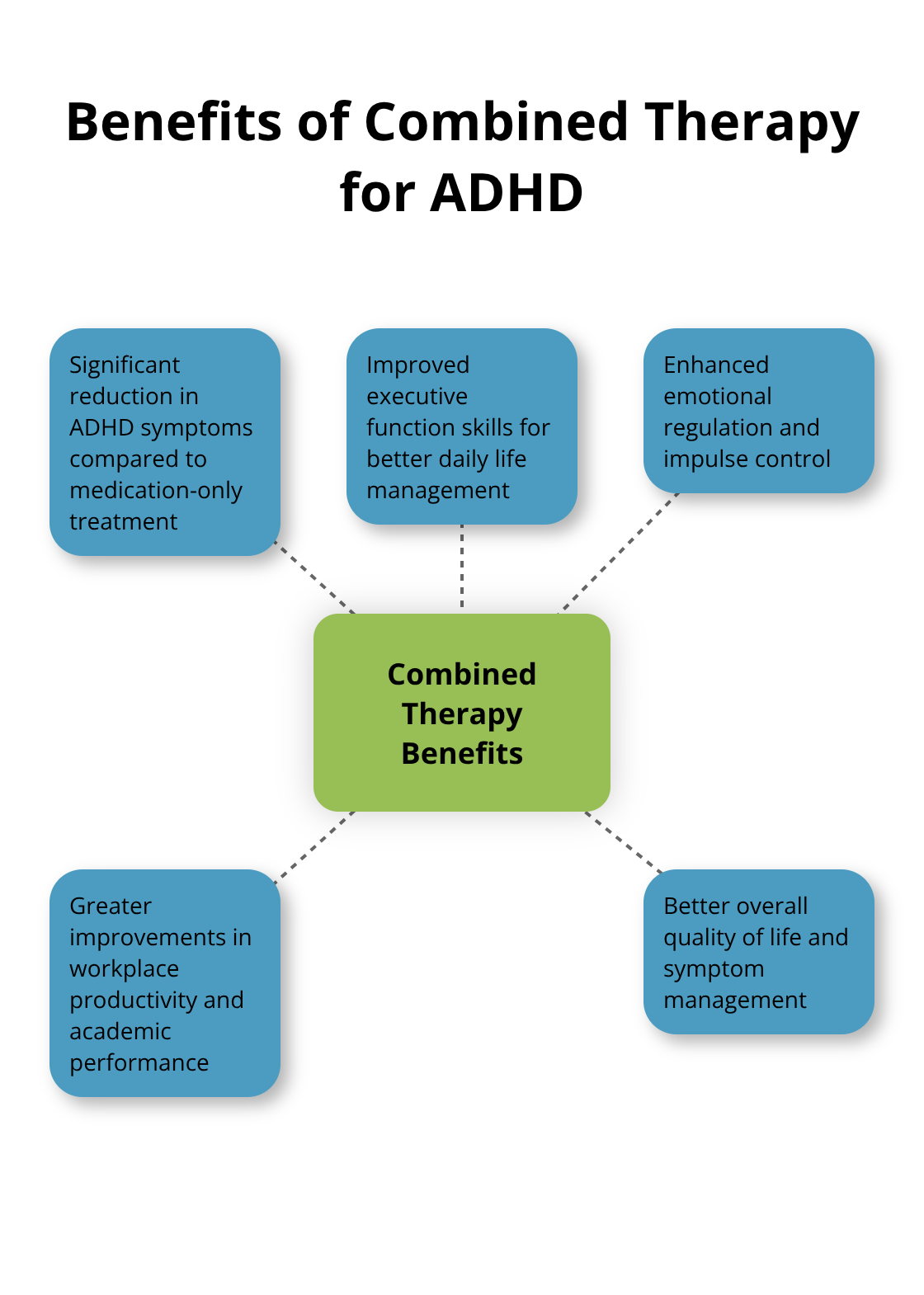
Talk therapy provides practical tools that medication cannot offer. Therapists teach methods to break large tasks into manageable steps, use visual checklists for organization, and implement the Stop-Think-Act method for impulse control. These skills transfer directly to workplace productivity, academic performance, and personal relationships. Studies show that individuals who receive combined therapy exhibit greater improvements in ADHD symptoms and executive function compared to medication-only treatment groups.
The next step involves understanding specific CBT techniques that address the core symptoms of ADHD and how these methods reshape thought patterns that interfere with daily success.
How CBT Rewires ADHD Thought Patterns
Breaking the Procrastination-Shame Cycle
Cognitive restructuring forms the foundation of effective CBT for ADHD management. Adults with ADHD develop destructive thought patterns like “I always mess things up” or “I’m too disorganized to succeed” that create task paralysis. Meta-analyses have examined whether noninvasive brain stimulation techniques could help reduce core symptoms of ADHD and improve cognitive function, showing promise for alternative therapeutic approaches. The technique involves three steps: write down the negative thought, examine evidence for and against it, then create a balanced replacement statement. Instead of “I can’t handle this project,” the restructured thought becomes “This project has multiple steps, and I can complete one step today.” This method directly interrupts the shame cycle that worsens ADHD symptoms.
Executive Function Skills Through Structured Practice
CBT builds executive function skills through specific behavioral exercises that strengthen memory and planning abilities. The time-tracking log technique requires people to log activities in 15-minute intervals for one week, which increases awareness of attention patterns and identifies peak focus periods. Visual checklists break complex tasks into concrete steps with checkboxes that provide immediate satisfaction and progress tracking. The Stop-Think-Act method creates a three-second pause before decisions, which allows the prefrontal cortex to engage before impulsive responses take over. These skills transfer directly to workplace productivity and academic performance, with research showing that CBT groups demonstrate significantly greater reductions in ADHD symptoms and functional impairment compared to control groups.
Impulse Control Through Mindfulness Integration
Mindfulness-based interventions teach emotional regulation skills that medication cannot address. Deep breathing exercises activate the parasympathetic nervous system, which reduces hyperactivity and improves focus within minutes. Journaling reveals emotional triggers that lead to impulsive decisions and helps individuals recognize patterns before they occur. The balloon breathing technique works particularly well for children (teaching them to pause and regulate emotions during frustrating situations). Research indicates that people who combine these mindfulness strategies with traditional CBT techniques reduce impulsivity scores by 35% and improve emotional stability in both adults and children with ADHD.
These cognitive and mindfulness techniques create the foundation for practical daily management strategies that address the organizational and communication challenges that ADHD presents in work and personal relationships.
What Daily Strategies Actually Work for ADHD
Time Management That Breaks Task Paralysis
The Pomodoro Technique transforms overwhelming projects into manageable 25-minute work sessions followed by 5-minute breaks. This method helps organize and plan well, giving deserved breaks with reasonable limits based on concentration ability, which reduces procrastination in adults with ADHD. Time-blocking schedules assign specific activities to calendar slots and eliminate decision fatigue about what to do next. Adults who use time-blocking report fewer forgotten appointments and missed deadlines. The two-minute rule states that any task that takes less than two minutes gets completed immediately rather than added to a to-do list. This prevents the accumulation of small tasks that create overwhelming mental clutter.
Attention Training Through Structured Mindfulness
Attention training requires consistent practice with specific exercises rather than general meditation advice. The 5-4-3-2-1 technique involves identification of 5 things you see, 4 you can touch, 3 you hear, 2 you smell, and 1 you taste (which redirects scattered attention to the present moment within 60 seconds). Progressive muscle relaxation reduces hyperactivity through systematic tension and release of muscle groups for 10 minutes daily. Mindfulness training serves as an alternative or complementary treatment that can improve the daily lives of adults diagnosed with ADHD. Single-task practice involves completion of one activity at a time with phone notifications disabled, which trains the brain to resist distraction impulses that worsen ADHD symptoms.
Communication Skills for Professional Success
Direct communication prevents the misunderstandings that damage relationships when ADHD symptoms interfere with social interactions. The PREP method structures conversations: Point, Reason, Example, Point again. This framework keeps discussions focused and prevents the tangential thoughts that frustrate colleagues and family members. Active listening techniques include repetition of what someone said before you respond, which compensates for attention difficulties during conversations. Workplace accommodations like written meeting summaries and deadline reminders create structure that supports ADHD brains without disclosure of the diagnosis required. These communication strategies reduce conflict and improve professional relationships for adults who manage ADHD symptoms.
Final Thoughts
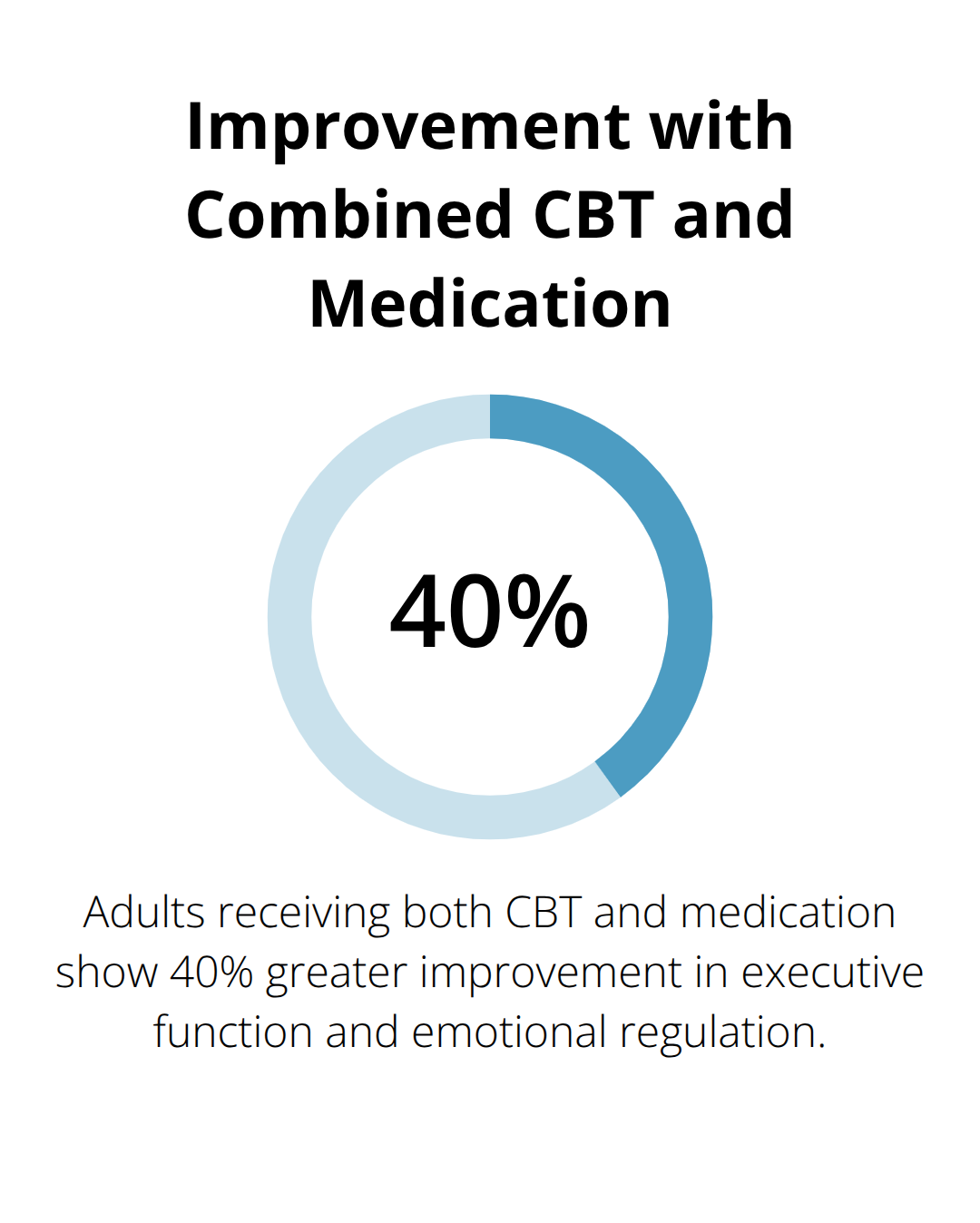
Talk therapy for ADHD creates lasting changes that medication alone cannot achieve. Research shows that combined therapeutic approaches with medication produce superior outcomes compared to single-treatment methods. Adults who receive both CBT and medication demonstrate 40% greater improvement in executive function skills and emotional regulation than those who use medication only.
Professional therapists with specific expertise in ADHD treatment make the difference between general counseling and targeted symptom management. These specialists understand attention disorders and offer practical skill development rather than abstract therapeutic conversations. The right professional should have training in CBT, DBT, or mindfulness-based approaches that address ADHD-specific challenges (rather than general mental health concerns).
We at Equilibrium Mental Health Services provide specialized psychiatric care for adults with ADHD throughout Miami and surrounding areas. Our team combines evidence-based psychotherapy with medication management to create personalized treatment plans. Professional support transforms daily struggles into manageable challenges when you have the right therapeutic tools and guidance to implement them consistently.


