
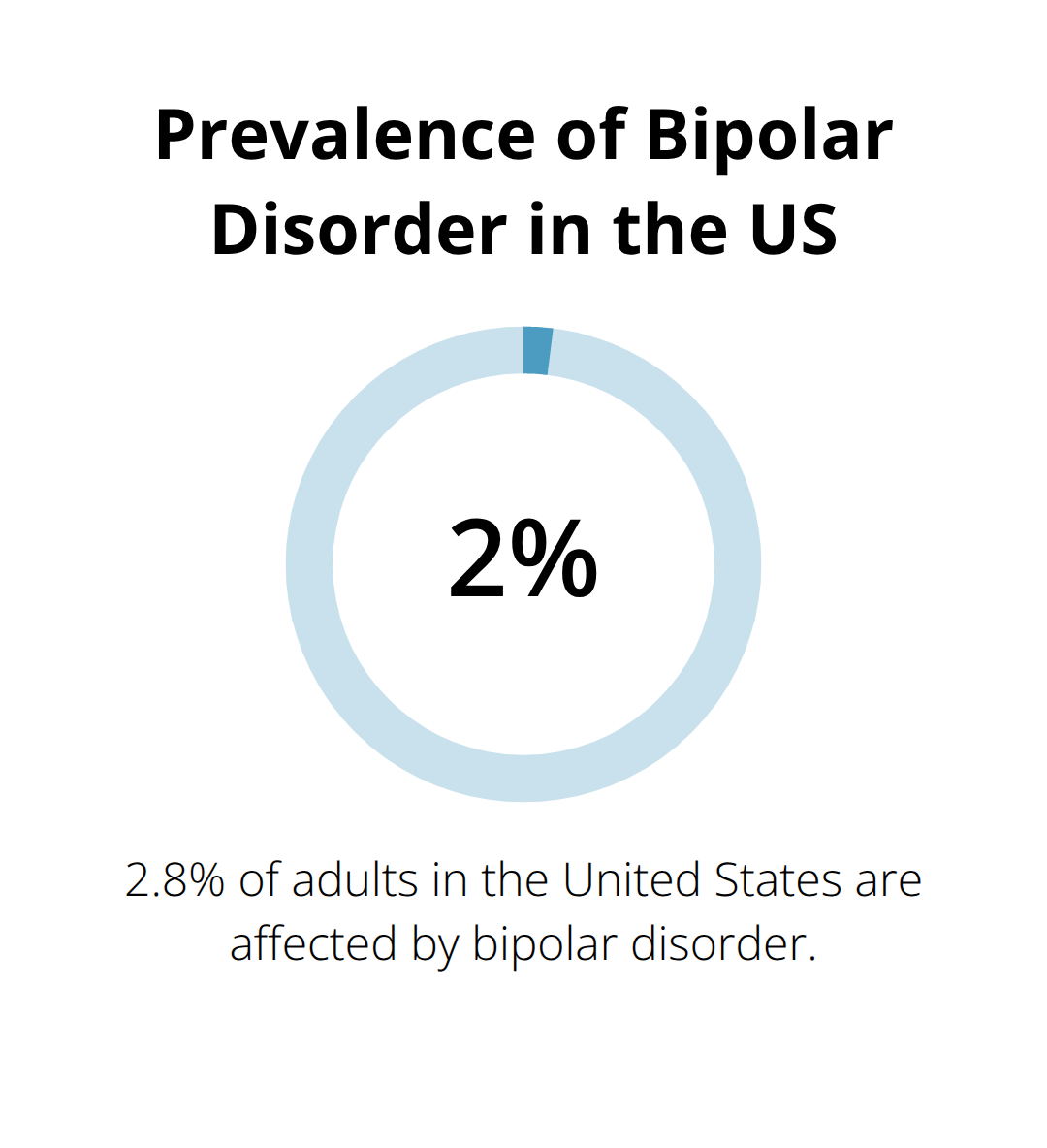
Bipolar disorder affects 2.8% of adults in the United States, creating significant challenges in daily life and relationships. While medication forms the foundation of treatment, talk therapy for bipolar disorder provides essential tools for long-term stability.
We at Equilibrium Mental Health Services understand that combining therapeutic approaches leads to better outcomes. Talk therapy helps people recognize mood patterns, develop coping strategies, and maintain healthier relationships during both manic and depressive episodes.
What Makes Talk Therapy Essential for Bipolar Management
The Reality of Bipolar Disorder Symptoms
Bipolar disorder creates extreme mood swings between manic highs and depressive lows that affect approximately 2% of the UK population (McManus et al.). During manic episodes, people experience elevated energy, reduced need for sleep, and impaired judgment. Depressive episodes bring persistent sadness, fatigue, and difficulty concentrating.
These symptoms disrupt work performance, strain relationships, and impact daily life. The National Institute of Mental Health reports that individuals with bipolar disorder face suicide rates significantly higher than the general population, with up to 20% of people with untreated bipolar disorder dying by suicide, which makes effective treatment absolutely necessary for long-term stability.
Why Medication Alone Cannot Address All Challenges
Medication provides mood stabilization, but it cannot teach you how to recognize warning signs or manage relationship conflicts. A JAMA Psychiatry systematic review found that patients who combine therapy with medication experience significantly better symptom management than those who use medication alone.
Talk therapy addresses the psychological aspects that medication cannot touch. Therapists help you identify specific triggers like sleep disruption or work stress that precede mood episodes. The American Psychiatric Association reports that regular therapy attendance leads to lower hospitalization rates for bipolar disorder.
Three Evidence-Based Therapy Approaches
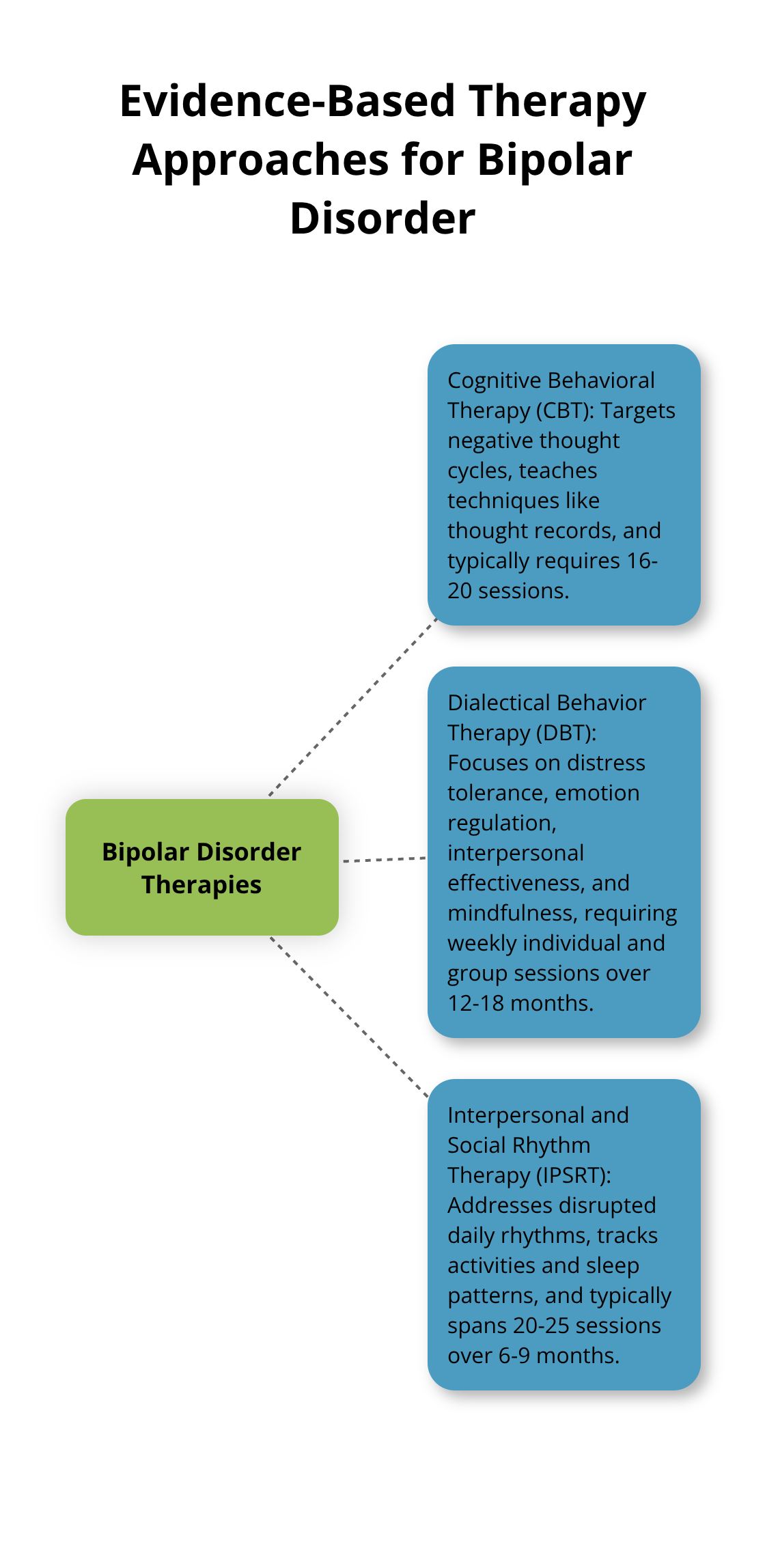
Cognitive Behavioral Therapy remains the most effective psychotherapy for bipolar disorder according to research findings. CBT teaches you to identify negative thought patterns that worsen mood episodes and replace them with realistic thoughts. Interpersonal and Social Rhythm Therapy focuses on consistent daily routines for sleep, meals, and activities, which directly impacts mood stability.
Dialectical Behavior Therapy provides specific techniques that help manage intense emotions during crisis situations. NICE guidelines position psychological interventions as first-line treatment for adults not in secondary care. These approaches work together to create a comprehensive treatment framework that addresses both immediate symptoms and long-term stability goals.
Which Therapy Methods Work Best for Bipolar Disorder
Cognitive Behavioral Therapy Changes Thought Patterns
Cognitive Behavioral Therapy targets the negative thought cycles that fuel bipolar episodes. CBT can be used as an adjunctive treatment to medication for patients with bipolar disorder. During CBT sessions, you learn to identify catastrophic thoughts like “this mood will never end” and replace them with balanced perspectives.
The therapy teaches specific techniques like thought records, where you write down situations that trigger you, automatic thoughts, and evidence-based responses. CBT typically requires 16-20 sessions according to NICE guidelines, with homework assignments between sessions to practice new thought patterns. Patients in Miami psychiatry programs often see improvements within 8-12 weeks when they consistently apply CBT techniques to daily situations.
Dialectical Behavior Therapy Manages Emotional Extremes
DBT provides concrete skills for intense emotions that characterize bipolar disorder. The therapy focuses on four core modules: distress tolerance, emotion regulation, interpersonal effectiveness, and mindfulness. DBT significantly improved self-management, enhanced distress tolerance and diminished feeling of loneliness among patients.
The distress tolerance module teaches specific crisis survival techniques like ice water immersion and intense exercise to interrupt manic or depressive spirals. Emotion regulation skills help you identify triggers before they escalate into full episodes. DBT requires weekly individual therapy plus group skills sessions over 12-18 months for maximum effectiveness.
Interpersonal and Social Rhythm Therapy Stabilizes Daily Routines
IPSRT addresses the connection between disrupted daily rhythms and mood episodes in bipolar disorder. Research from the University of Pittsburgh shows that consistent sleep and wake times reduce episode frequency by 40%. The therapy requires you to track daily activities, sleep patterns, and social interactions with detailed logs.
Therapists help you identify which routine disruptions trigger mood changes and develop strategies to maintain stability during stressful periods. IPSRT particularly benefits shift workers and people with irregular schedules who struggle with traditional medication approaches. The treatment typically spans 20-25 sessions over 6-9 months (with maintenance sessions for long-term stability).
These evidence-based approaches provide the foundation for practical strategies that help you recognize warning signs and develop effective coping mechanisms for daily life.
How Talk Therapy Builds Real-World Skills
Spot Warning Signs Before Episodes Strike
Talk therapy teaches you to recognize subtle changes that precede mood episodes and gives you power to intervene early. Research from the University of Pittsburgh shows that people who track daily mood patterns can benefit from predictive models for mood episode recurrence. Your therapist helps you identify personal warning signs like sleep that lasts only four hours for three consecutive nights, increased irritability at work, or sudden bursts of creativity that feel overwhelming.
The key lies in creation of a personalized system that tracks sleep patterns, energy levels, and social interactions daily. These plans include immediate steps like calls to your psychiatrist, schedule adjustments that prioritize sleep, or contact with trusted friends. Studies indicate that people who implement early intervention strategies experience fewer hospitalizations compared to those who wait until full episodes develop.
Build Crisis Management Techniques That Actually Work
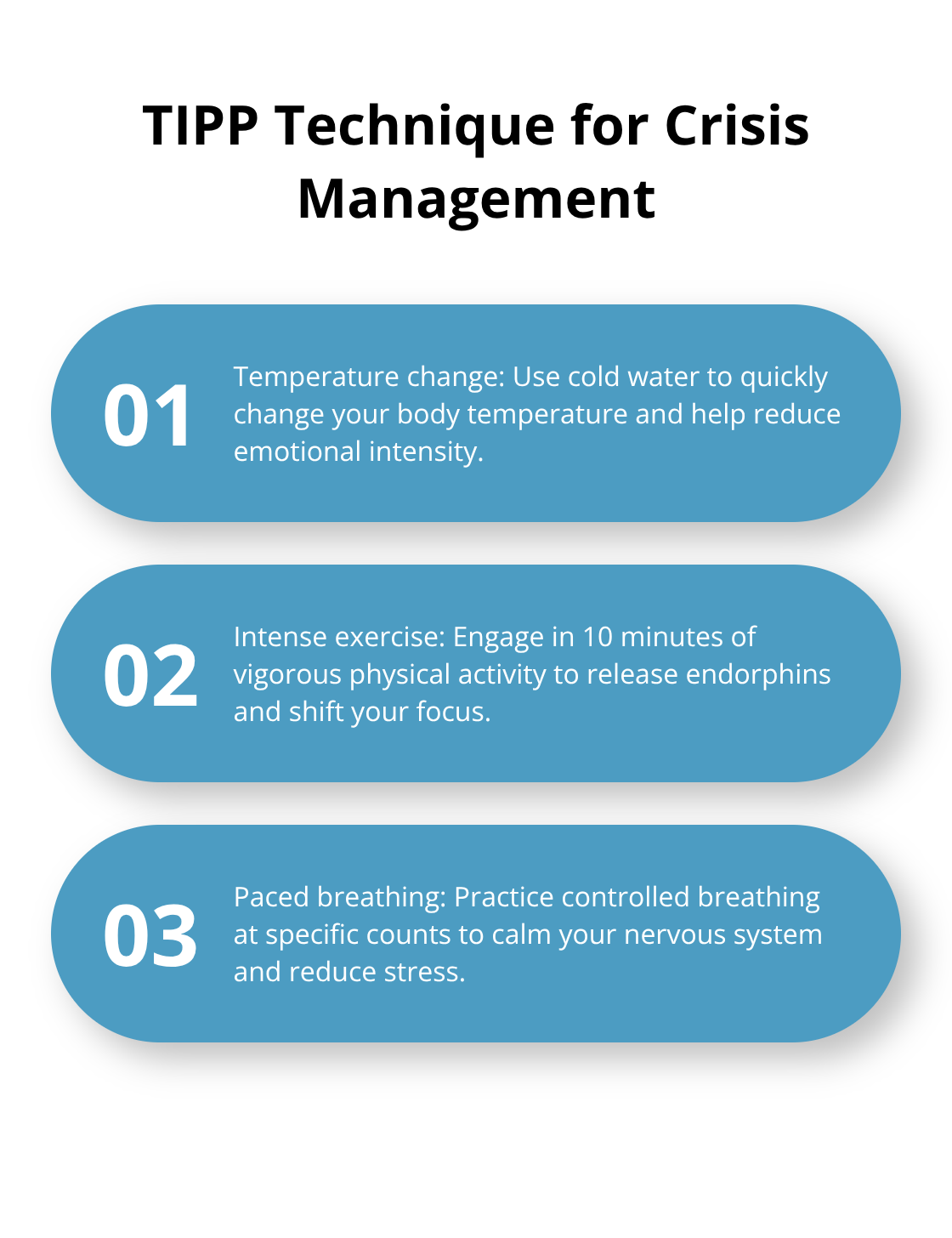
Effective coping skills require specific techniques you can use during acute episodes, not vague advice about relaxation. DBT research demonstrates that distress tolerance skills reduce self-harm by 37% within the first year of treatment. Your therapist teaches concrete strategies like the TIPP technique – Temperature change through cold water, Intense exercise for 10 minutes, Paced breathing at specific counts, and Paired muscle relaxation.
Master Communication Skills for Relationship Protection
Communication skills address the relationship damage that often occurs during episodes. Therapists help you practice specific scripts for explanation of your condition to employers, friends, and family members. The International Bipolar Foundation reports that people who communicate openly about their diagnosis maintain stronger relationships and receive more consistent support during difficult periods. Psychotherapy’s role in treating bipolar disorder empowers individuals to achieve mood stability and develop these essential coping strategies.
Final Thoughts
Talk therapy for bipolar disorder provides essential skills that medication alone cannot deliver. Research consistently shows that combining therapeutic approaches with medication leads to better long-term outcomes, reduced hospitalization rates, and improved quality of life. The evidence-based methods we explored offer concrete tools for mood episode management, warning sign recognition, and stable relationship maintenance.
Professional guidance makes the difference between solo struggles and effective coping strategy development. Each person’s bipolar experience requires personalized treatment plans that address individual triggers, lifestyle factors, and support systems (which vary significantly between patients). We at Equilibrium Mental Health Services understand that successful bipolar management requires both expertise and compassion.
Professional support can transform your journey toward stability if you or a loved one experiences symptoms of bipolar disorder. Our team provides comprehensive psychiatric care that combines evidence-based therapy with personalized medication management. The first step toward treatment opens the door to better mood regulation, stronger relationships, and a more fulfilling life.


