
Depression can be overwhelming, but there are effective ways to manage it. At Equilibrium Mental Health Services, we’ve seen firsthand how coping tools for depression can make a significant difference in our patients’ lives.
These tools range from cognitive techniques to lifestyle changes, each playing a crucial role in the journey towards better mental health. In this post, we’ll explore practical strategies you can use to navigate the challenges of depression and improve your overall well-being.
What Is Depression and How Can We Cope?
Depression is more than just feeling sad. It’s a complex mental health condition that affects millions of people worldwide. The impact of depression extends far beyond emotional well-being, touching every aspect of a person’s life.
The Far-Reaching Impact of Depression
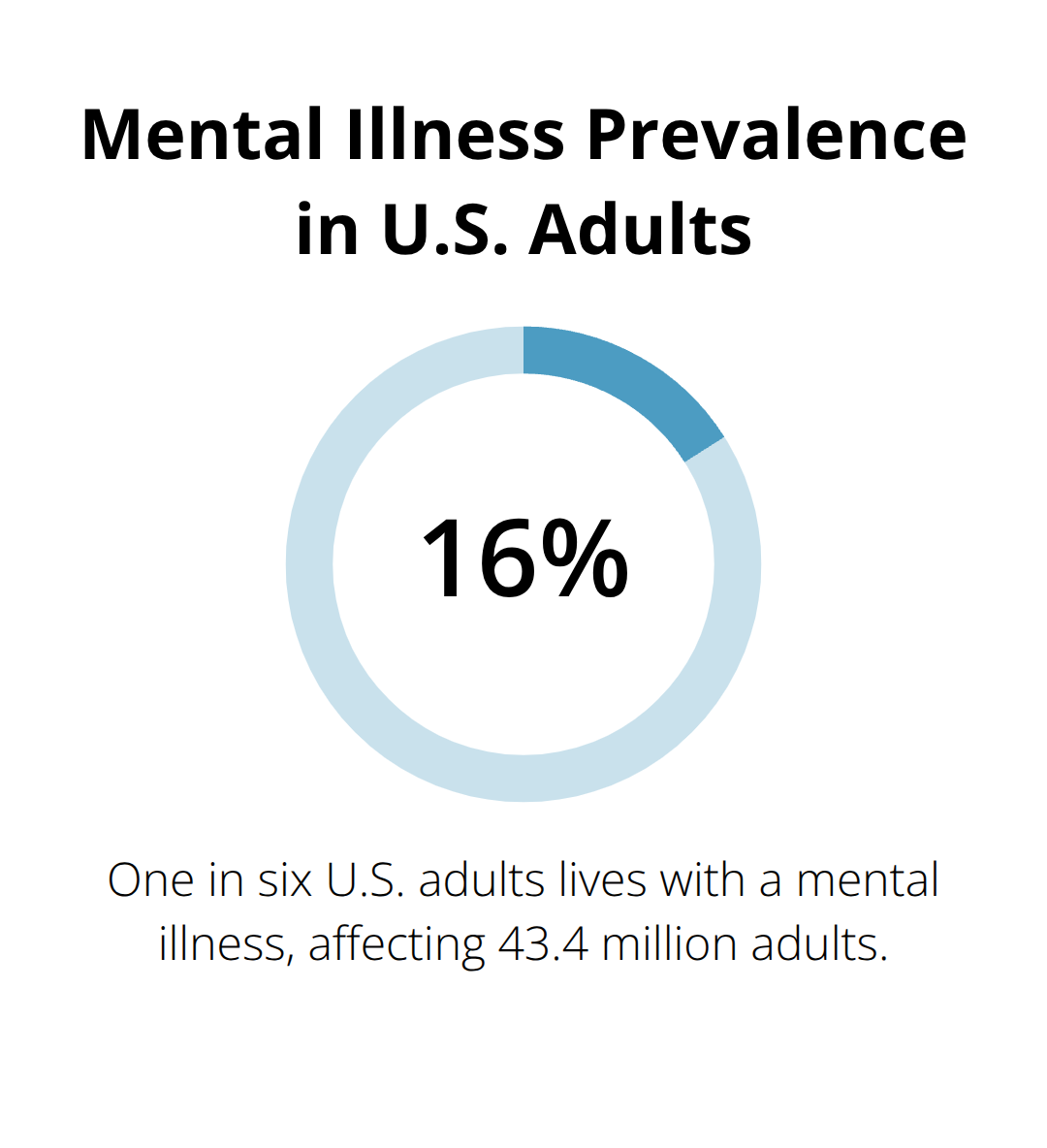
Depression doesn’t discriminate. It affects people of all ages, backgrounds, and walks of life. In Miami, we’ve observed a significant increase in depression cases, particularly among young adults and professionals in high-stress industries. One in six U.S. adults lives with a mental illness (43.4 million adults).
The Importance of Coping Tools
Coping behaviors are associated with small but significant reductions in depressive symptoms. They act as a mental health toolkit, equipping individuals with strategies to navigate the challenges of depression. Research shows that people who actively use coping tools experience fewer depressive episodes and recover more quickly when they do occur.
Types of Coping Tools
There’s no one-size-fits-all approach to coping with depression. However, we generally categorize coping tools into three main types:
- Cognitive tools: These focus on changing thought patterns. Techniques like cognitive restructuring help identify and challenge negative thoughts.
- Behavioral tools: These involve taking action. Regular exercise, for example, has shown to be as effective as some antidepressants for mild to moderate depression.
- Lifestyle-based tools: These involve changes to daily routines. Improving sleep hygiene, for instance, can significantly impact mood and energy levels.
In Coral Gables, patients who combine these different types of coping tools often see great success. For example, one individual found that pairing cognitive techniques with regular walks in Matheson Hammock Park dramatically improved their symptoms.
The Role of Professional Support
While coping tools are powerful, they’re most effective when used as part of a comprehensive treatment plan. If you struggle with depression, don’t hesitate to reach out to a Miami psychiatry professional. Professional support can help you build a personalized toolkit for managing depression and improving your overall mental health.
As we move forward, let’s explore specific cognitive coping tools that can help manage depressive symptoms effectively.
Rewiring Your Mind: Cognitive Tools for Depression
Depression often distorts thinking patterns, leading to a cycle of negative thoughts. Cognitive coping tools can break this cycle and provide relief. These strategies help reshape thought processes, offering a path to improved mental well-being.
Challenge Negative Thoughts
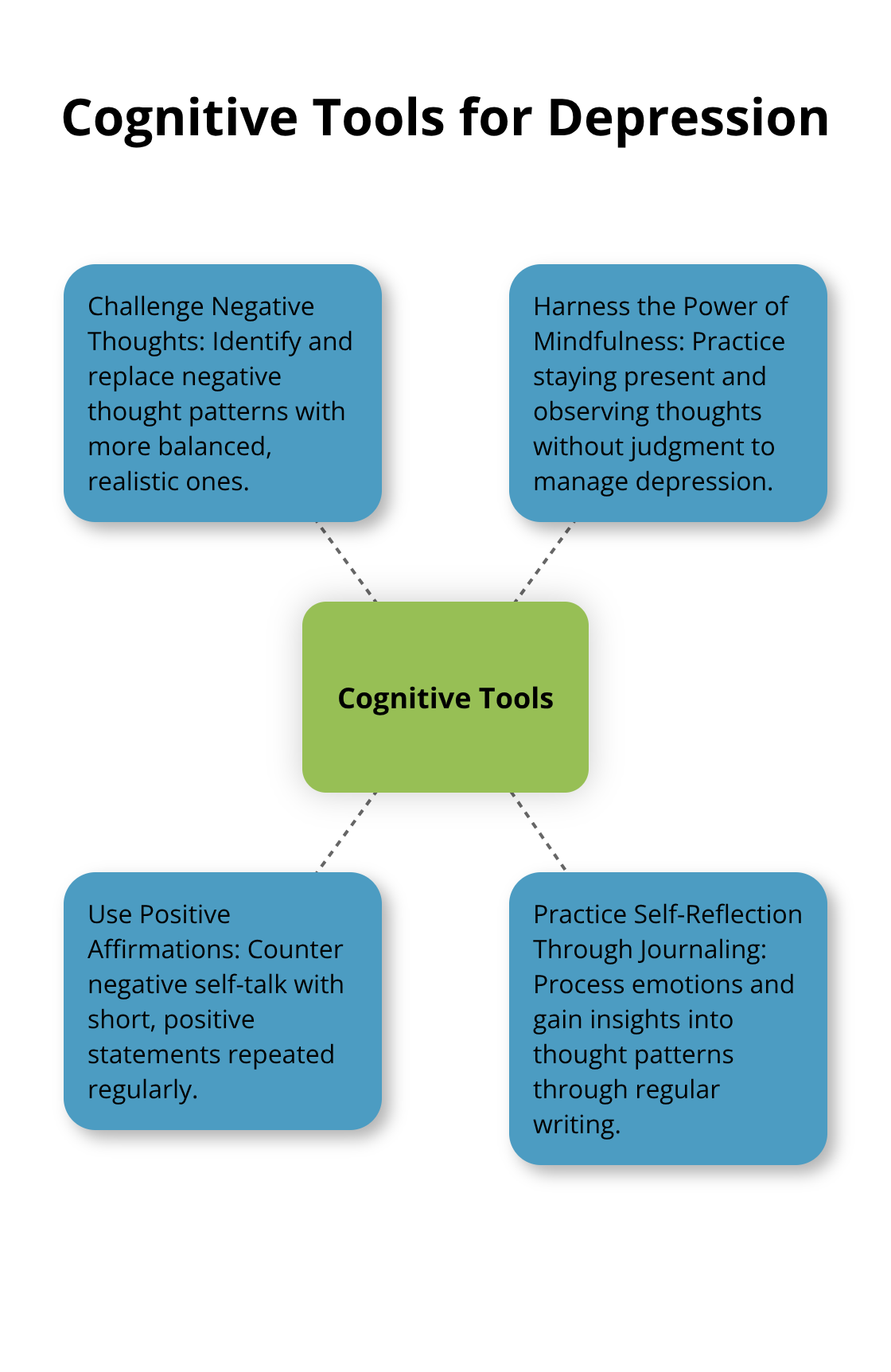
Cognitive restructuring is a powerful technique. It involves identifying negative thought patterns and replacing them with more balanced, realistic ones. For example, if you think, “I’m a complete failure,” pause and ask yourself, “Is this really true? What evidence supports or contradicts this thought?” This process creates distance from negative thoughts and allows for a more objective perspective.
In Coral Gables, patients have found success by keeping a thought record. They note down negative thoughts as they occur, then challenge and reframe them. Over time, this practice can significantly reduce the impact of negative thinking on mood.
Harness the Power of Mindfulness
Mindfulness and meditation are potent tools for managing depression. These practices help you stay present and observe your thoughts without judgment. A study found that mindfulness-based cognitive therapy is an effective intervention for relapse prevention in patients with recurrent major depressive disorder in remission.
Start with short, daily sessions. Even five minutes of mindful breathing can make a difference. Many patients in Pinecrest have found guided meditation apps particularly helpful in developing a consistent mindfulness practice.
Use Positive Affirmations
Positive affirmations can counteract the negative self-talk often associated with depression. These are short, positive statements that you repeat to yourself regularly. For example, “I am capable of handling challenges” or “I deserve happiness and peace.”
The key is to make these affirmations personal and believable. Write them down, say them out loud, or set them as reminders on your phone. One patient in Palmetto Bay found it helpful to record affirmations in their own voice and listen to them during their morning commute.
Practice Self-Reflection Through Journaling
Journaling is a powerful tool for processing emotions and gaining insights into your thought patterns. It provides a safe space to express feelings and can help identify triggers for depressive episodes. A study in the journal Behavior Modification found that expressive writing reduced depressive symptoms in individuals with major depressive disorder.
Try to set aside 10-15 minutes each day for journaling. Write about your thoughts, feelings, and experiences without censoring yourself. Over time, you may notice patterns emerging that can inform your coping strategies.
These cognitive tools are most effective when used consistently and in combination with other treatment approaches. If you’re struggling with depression, consider reaching out to a Miami psychiatry professional. A personalized plan that incorporates these cognitive tools (and other evidence-based treatments) can support your mental health journey effectively.
As we move forward, let’s explore how behavioral and lifestyle changes can complement these cognitive strategies in managing depression.
Lifestyle Changes That Combat Depression
Depression often feels like an insurmountable obstacle, but small changes in daily habits can make a big difference. At Equilibrium Mental Health Services, we see how lifestyle adjustments complement traditional treatments and improve our patients’ well-being.
The Power of Physical Activity
Exercise shows moderate effects on depression compared with active controls. In Miami, we recommend patients start with activities they enjoy. Some prefer a morning jog along Brickell Key, while others join a yoga class in Coconut Grove.
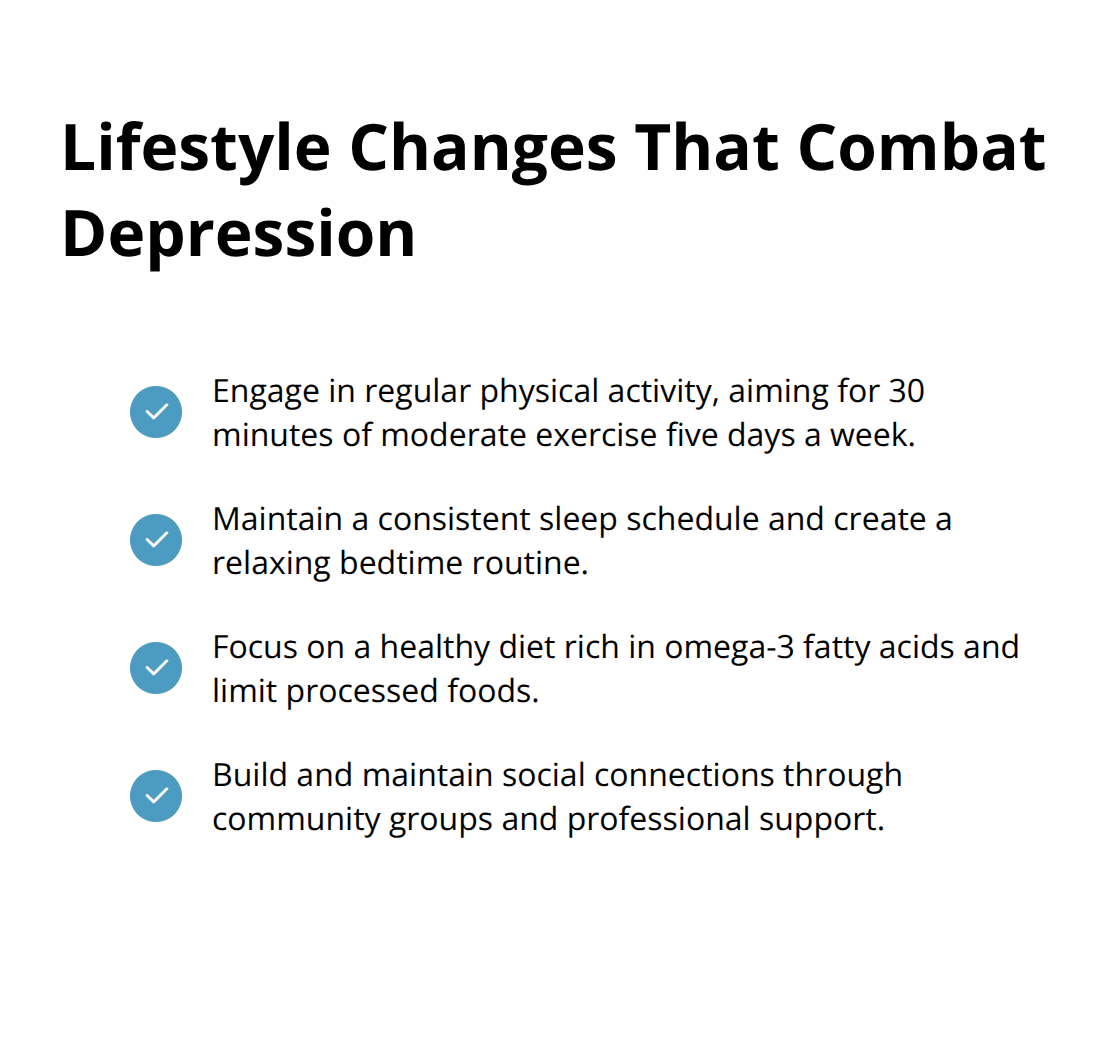
Start small. A 10-minute walk can boost mood and energy levels. Gradually increase duration and intensity as you build the habit. Try to engage in 30 minutes of moderate exercise five days a week.
Sleep: Your Mental Health Ally
Poor sleep and depression often coexist. A consistent sleep schedule can break this cycle. Set a fixed bedtime and wake-up time (even on weekends). Create a relaxing bedtime routine – perhaps read a book or practice gentle stretches.
Avoid screens at least an hour before bed. The blue light from phones and tablets disrupts your sleep-wake cycle. If you must use devices, consider blue light blocking glasses or apps that filter blue light.
Fuel Your Body, Fuel Your Mind
Your diet affects your mood. Higher adherence to a Mediterranean diet at middle age was associated with a lower risk of depression later in life among Swedish women. In Pinecrest, patients benefit from incorporating local, seasonal produce into their diets.
Limit processed foods, sugary snacks, and alcohol. These lead to blood sugar spikes and crashes, affecting mood and energy levels. Instead, focus on foods rich in omega-3 fatty acids, like salmon and walnuts, which support brain health.
Build Your Support Network
Social connections prove vital for mental health. In Coral Gables, we encourage patients to join community groups or classes aligned with their interests. This could mean a book club at Books & Books or a cooking class at the Biltmore Culinary Academy.
Professional support plays a key role. At Equilibrium Mental Health Services, we offer both individual therapy and group sessions. These provide a safe space to share experiences and learn coping strategies from others facing similar challenges.
Lifestyle changes work most effectively when combined with professional treatment. If you struggle with depression, reach out to a Miami psychiatry expert. We can help you develop a comprehensive plan that incorporates these lifestyle changes alongside other evidence-based treatments.
Final Thoughts
Depression presents challenges, but effective management is possible with the right coping tools. We explored various strategies, from cognitive techniques to lifestyle changes, which can improve mental well-being when used consistently. These coping tools for depression work best as part of a comprehensive treatment plan tailored to individual needs.
Professional help plays a vital role in managing depression. At Equilibrium Mental Health Services, we offer expert care customized to your unique situation. Our team can help you develop a personalized plan that incorporates these coping tools alongside other effective treatments.
If you struggle with depression in the Miami area, don’t hesitate to seek support. Reach out to us today to take the first step towards improved mental health. With the right support and tools, you can overcome depression’s challenges and lead a fulfilling life.


