
Obsessive-Compulsive Disorder (OCD) can be a challenging condition, but effective treatments are available. At Equilibrium Mental Health Services, we’ve seen firsthand how behavioral treatment for OCD can transform lives.
This blog post explores two powerful approaches: Exposure and Response Prevention (ERP) and Cognitive Behavioral Therapy (CBT). We’ll guide you through these techniques and explain how they can help manage OCD symptoms, with insights from our experience in <a href=”https://g.co/kgs/Toi7gBP”>Miami psychiatry</a>.
Understanding OCD and Behavioral Treatment
What is OCD?
Obsessive-Compulsive Disorder (OCD) is a mental health condition characterized by persistent, intrusive thoughts (obsessions) and repetitive behaviors or mental acts (compulsions). These obsessions and compulsions can significantly interfere with daily life, causing distress and impacting relationships, work, and overall well-being.
Recognizing OCD Symptoms
OCD manifests differently for each person, but common obsessions include fears of contamination, harm, or making mistakes. Compulsions often involve excessive cleaning, checking, or arranging. For example, a person with contamination fears might wash their hands repeatedly, while someone with checking compulsions might constantly verify that doors are locked.
The Effectiveness of Behavioral Treatment
Behavioral treatments, particularly Exposure and Response Prevention (ERP) and Cognitive Behavioral Therapy (CBT), have shown effectiveness in managing OCD symptoms. These approaches focus on gradually exposing individuals to their fears while preventing compulsive responses, which helps break the cycle of OCD.
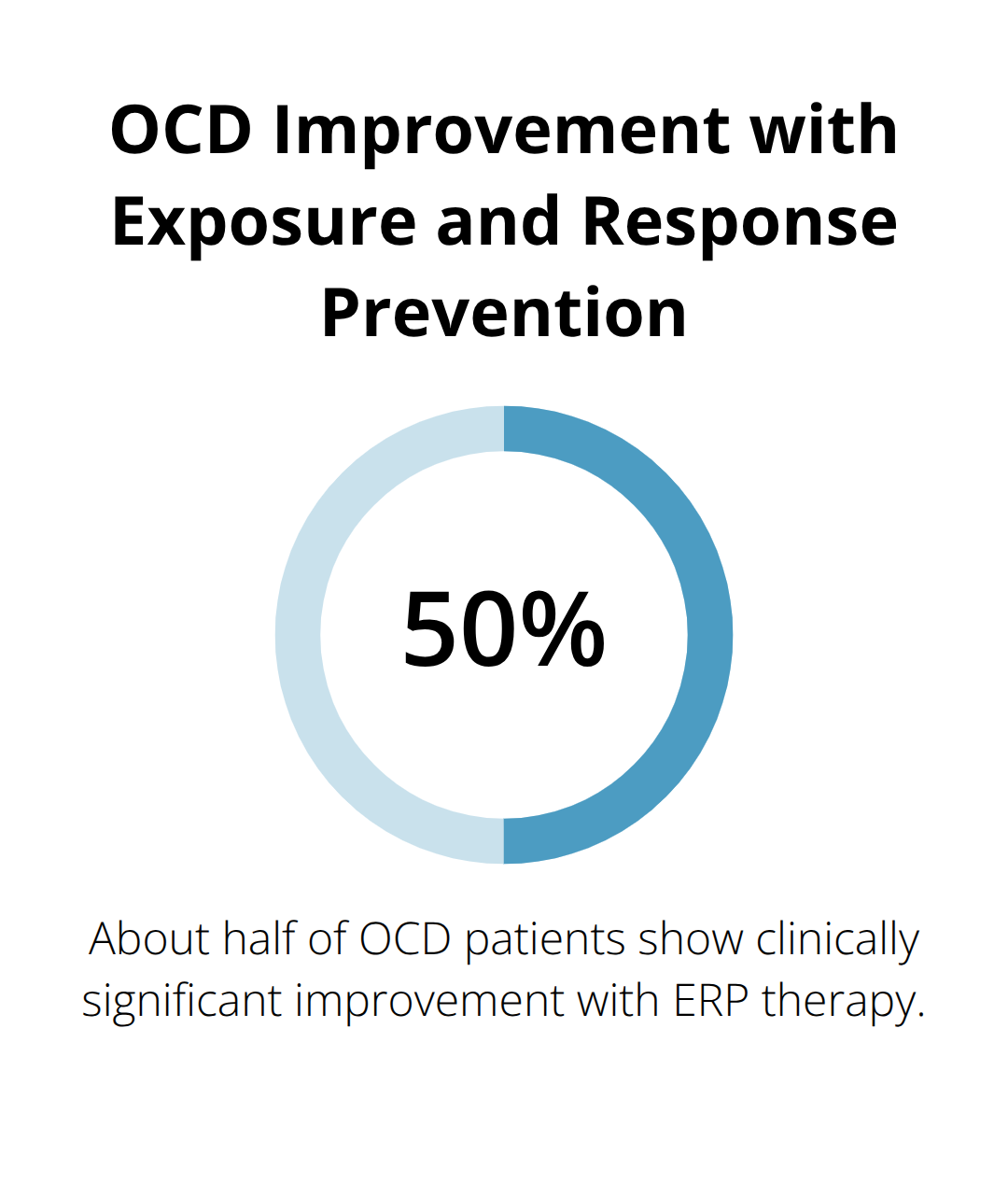
A study found that only about half of people with OCD show clinically significant improvement following the recommended therapy, exposure and response prevention. This highlights the potential of behavioral treatments to provide relief and improve quality of life for those struggling with OCD, while also indicating the need for further research and improved treatment methods.
The Importance of Professional Guidance
While self-help strategies can benefit individuals with OCD, professional guidance plays a vital role in effective treatment. In Coral Gables and surrounding areas, mental health professionals specializing in OCD can provide tailored treatment plans and support throughout the recovery process.
Expert guidance in behavioral treatments for OCD can help individuals navigate the challenges of the disorder and develop effective coping strategies. Professional help is often the first step in the journey towards managing OCD symptoms and reclaiming one’s life.
Personalized Treatment Approaches
Every person’s experience with OCD is unique, which necessitates personalized treatment approaches. A skilled therapist can help identify specific triggers, develop targeted exposure exercises, and provide ongoing support and adjustments to the treatment plan as needed.
In Miami psychiatry, tailored behavioral treatments have led to significant improvements in OCD symptoms (as observed by many practitioners in the field). The combination of evidence-based techniques with compassionate care empowers individuals to face their fears and reduce the impact of OCD on their daily lives.
As we explore the specific behavioral treatments for OCD, let’s first take a closer look at Exposure and Response Prevention (ERP) therapy, a cornerstone in OCD treatment.
How Does ERP Therapy Work for OCD?
The ERP Process Explained
Exposure and Response Prevention (ERP) therapy tackles Obsessive-Compulsive Disorder (OCD) head-on. This powerful approach exposes individuals to situations that trigger their obsessions while preventing them from engaging in compulsive behaviors. Over time, this process breaks the OCD cycle and reduces anxiety.
For instance, a person with contamination fears might start by touching a doorknob and resisting the urge to wash their hands immediately. As treatment advances, exposures become more challenging but always remain within the patient’s control.
Customizing ERP for Various OCD Themes
ERP adapts to different OCD themes. For someone with checking compulsions in Coral Gables, an exercise might involve leaving home without repeatedly checking locks. Those with intrusive thoughts might use imaginal exposure, confronting fears through visualization.
The Therapist’s Role in ERP
A skilled therapist guides patients through ERP, ensuring appropriate exposures and providing support. They help create a hierarchy of fears, starting with less anxiety-provoking situations and progressing to more challenging ones.
In Miami psychiatry, this structured approach helps patients feel more in control and increases the likelihood of successful treatment outcomes.
Measuring ERP Progress
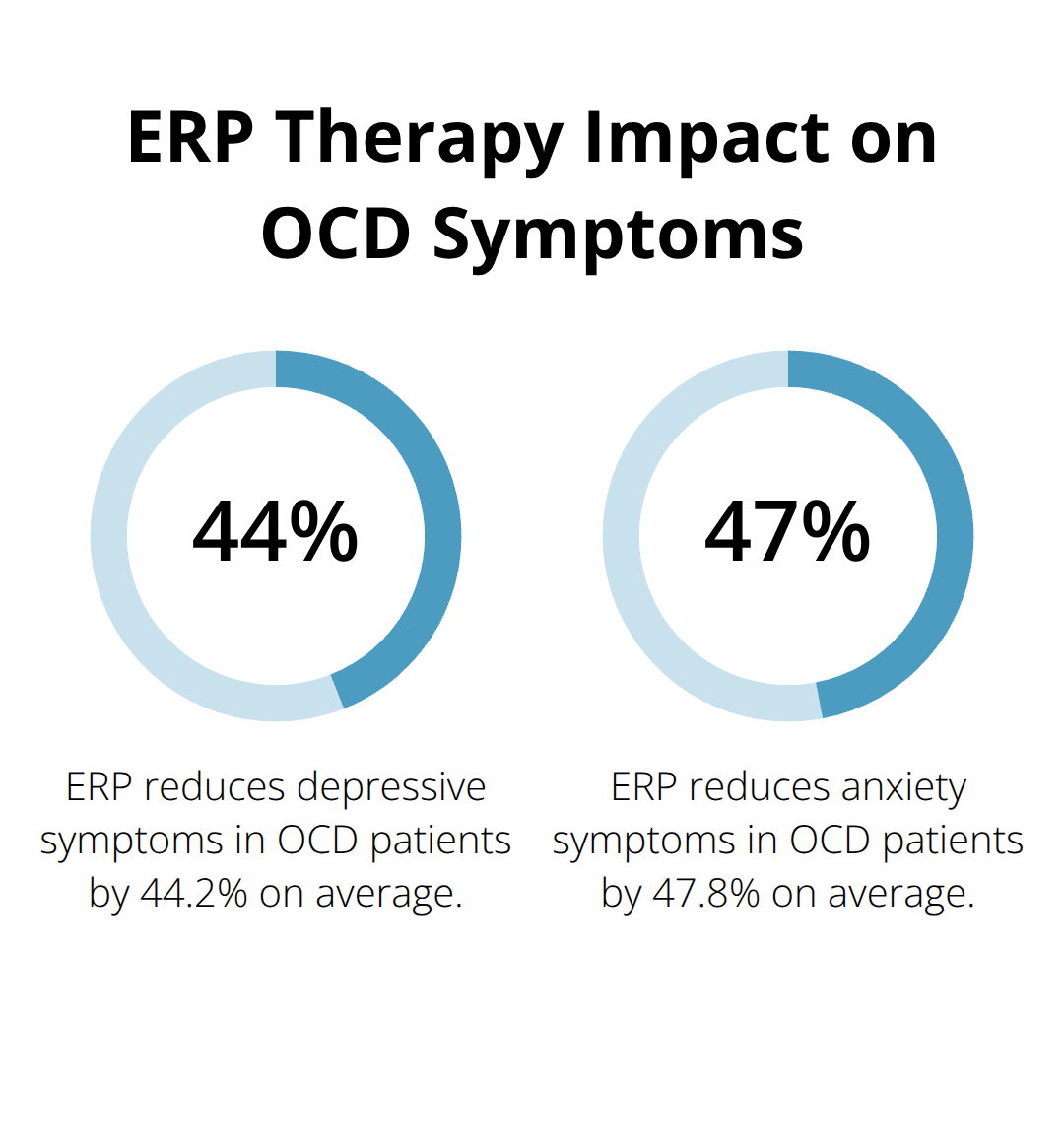
The Yale-Brown Obsessive Compulsive Scale (Y-BOCS) often measures progress in ERP. This tool tracks symptom severity and improvement over time. Research has shown that ERP can reduce depressive symptoms of OCD patients by 44.2% on average and reduce anxiety symptoms by 47.8% on average.
Combining ERP with Other Treatments
While ERP proves highly effective on its own, some individuals benefit from a combination of ERP and medication. Mental health professionals assess each patient’s needs to determine the most effective treatment plan (which may include ERP, medication, or both).
As we explore the power of ERP in treating OCD, it’s important to consider another effective approach: Cognitive Behavioral Therapy (CBT). Let’s examine how CBT complements ERP in the next section.
How CBT Helps Manage OCD
Cognitive Behavioral Therapy (CBT) offers powerful tools for treating Obsessive-Compulsive Disorder (OCD). Many patients in Coral Gables and surrounding areas have experienced significant improvements in managing their OCD symptoms through CBT techniques.
Identifying and Challenging Obsessive Thoughts
CBT for OCD begins with the recognition of obsessive thoughts. Patients learn to view these intrusive thoughts as symptoms of OCD rather than facts. For instance, a patient might recognize that the thought “I’ll get sick if I don’t wash my hands right now” is an OCD symptom, not reality.
After identification, these thoughts face challenges using evidence-based techniques. Patients question the validity of their obsessions by asking, “What’s the evidence for and against this thought?” This process reduces the power of obsessive thoughts over time.
Practical Coping Strategies
CBT provides patients with practical strategies to manage OCD symptoms. These strategies include:
- Mindfulness techniques for observing thoughts without judgment
- Breathing exercises to control anxiety during exposures
- Thought stopping techniques to interrupt obsessive thinking patterns
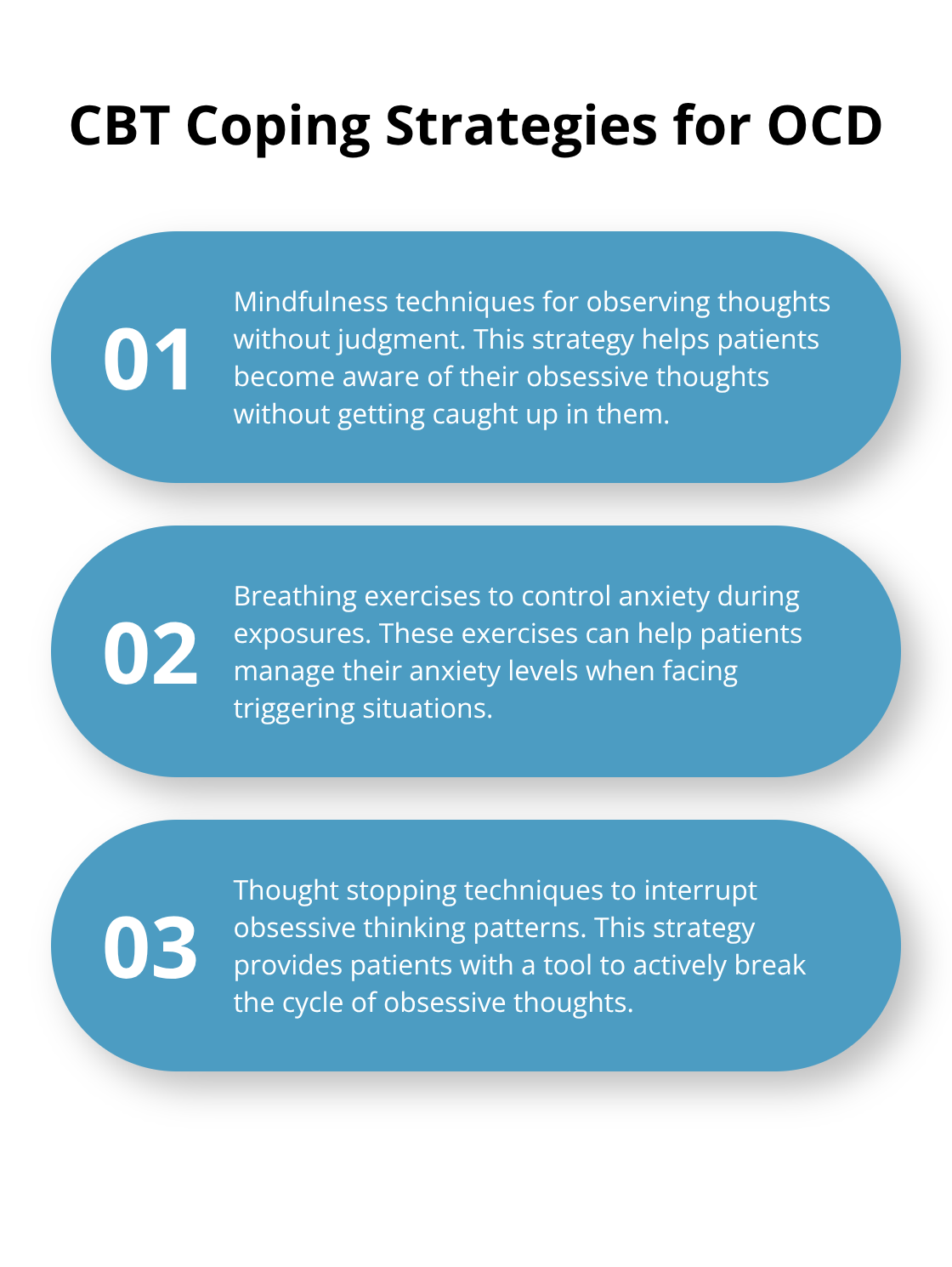
Patients who consistently practice these strategies often experience a significant reduction in their OCD symptoms (as reported by many practitioners in Miami psychiatry).
Behavioral Experiments
Behavioral experiments form a key component of CBT for OCD. These experiments allow patients to test their fears in a controlled environment. For example, a patient with contamination fears might touch a doorknob and then resist washing their hands for an increasing amount of time.
These experiments help patients gather evidence that contradicts their obsessive thoughts. Over time, this can lead to a reduction in both obsessions and compulsions.
Customizing CBT for Individual Needs
CBT for OCD is not a one-size-fits-all approach. Mental health professionals tailor the treatment to each patient’s specific needs and symptoms. This personalization ensures that the therapy addresses the unique challenges each individual faces with their OCD.
For instance, a patient in Pinecrest might work with their therapist to develop specific strategies for managing intrusive thoughts related to symmetry and ordering. Another patient in Kendall might focus on exposure exercises to address contamination fears.
Final Thoughts
Behavioral treatment for OCD provides effective relief for individuals struggling with this challenging condition. Through approaches like Exposure and Response Prevention (ERP) and Cognitive Behavioral Therapy (CBT), patients learn to manage their symptoms and regain control over their lives. The journey to recovery requires patience, consistency, and professional guidance, but each small step forward represents a significant achievement.
Seeking help demonstrates strength, not weakness. If you or a loved one experience OCD symptoms, Equilibrium Mental Health Services stands ready to support you. Our team of experienced professionals specializes in treating OCD and other mental health conditions, offering personalized care tailored to your unique needs.
We encourage you to take the first step towards recovery by contacting Equilibrium Mental Health Services. Our commitment focuses on helping you find balance and achieve a healthier, more fulfilling life. With the right treatment and support (including behavioral treatment for OCD), you can break free from the cycle of obsessions and compulsions.


