
Watching someone you care about struggle with anxiety can feel overwhelming. You want to help, but knowing exactly how to help someone suffering from anxiety isn’t always clear.
At Equilibrium Mental Health Services, we see firsthand how the right support can make a real difference. The good news is that there are proven ways to provide meaningful help while avoiding common pitfalls that can make anxiety worse.
What Does Anxiety Actually Look Like
Anxiety manifests in three distinct ways that most people overlook. Physical symptoms strike first and hardest – your heart races at 120 beats per minute during panic attacks, which the National Institute of Mental Health reports last between 5 to 30 minutes. Sweating, dizziness, chest pain, and stomach issues follow. These aren’t just feelings; they’re your body’s stress hormones that flood your system with adrenaline and cortisol.
Mental and Emotional Warning Signs
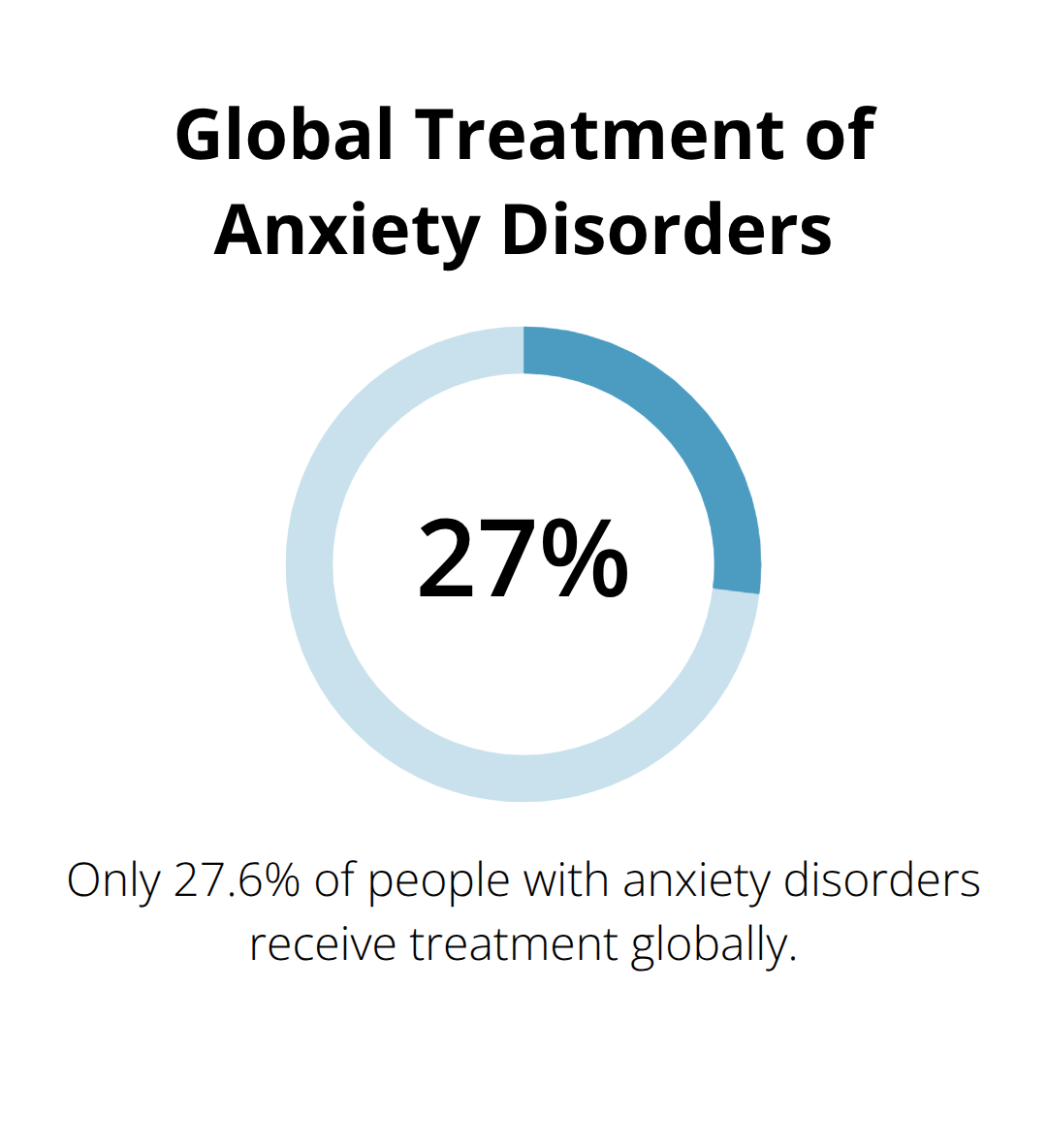
The mental side creates a constant loop of worry that consumes daily thoughts. People with Generalized Anxiety Disorder experience excessive worry more days than not for six months straight (according to clinical criteria). Sleep becomes impossible when intrusive thoughts take over at 2 AM. Concentration drops to nearly zero during important tasks. The Anxiety and Depression Association of America found that 40 million American adults live with anxiety disorders, yet only 27.6% receive treatment globally based on World Mental Health Surveys.
When Daily Life Falls Apart
Anxiety destroys relationships and work performance in measurable ways. Social situations become impossible when someone fears judgment or criticism – this affects approximately 15 million adults with Social Anxiety Disorder. Simple tasks like grocery shopping or attending meetings trigger avoidance behaviors. People stop exercise routines, skip meals, and isolate from friends.
Normal Worry vs. Clinical Anxiety
Normal worry lasts hours or days about specific events. Anxiety disorders create persistent fear about everything for months without relief. The difference matters because anxiety disorders require professional intervention, while normal worry resolves naturally. Miami residents who deal with persistent symptoms that last over two weeks should consider professional evaluation to distinguish between temporary stress and clinical anxiety that requires treatment through Miami psychiatry.
Now that you understand what anxiety looks like, the next step involves learning how to respond when you recognize these signs in someone you care about.
How Should You Actually Respond to Someone with Anxiety
Most people destroy their good intentions with terrible execution when they support someone with anxiety. The difference between helpful and harmful support comes down to three specific techniques that work consistently. Catherine Richardson, a licensed professional counselor, emphasizes that you should ask how you can help rather than try to fix the problem every time. Active listening means you stay silent while they talk, reflect back what you heard without your own interpretations, and avoid the urge to offer solutions immediately.
Stop These Critical Support Mistakes
The worst supporters offer constant reassurance that perpetuates anxiety cycles. Gail Saltz, a psychiatrist, found that phrases like “everything will be fine” or “you have nothing to worry about” actually increase anxiety symptoms because they dismiss real feelings. Never minimize their experience with statements like “it’s just stress” or “everyone gets nervous sometimes.” You damage relationships and exceed your capabilities as a supporter when you take on the therapist role. Instead, acknowledge their feelings directly and say “I can see this is really difficult for you right now.”
Build the Right Environment for Healing
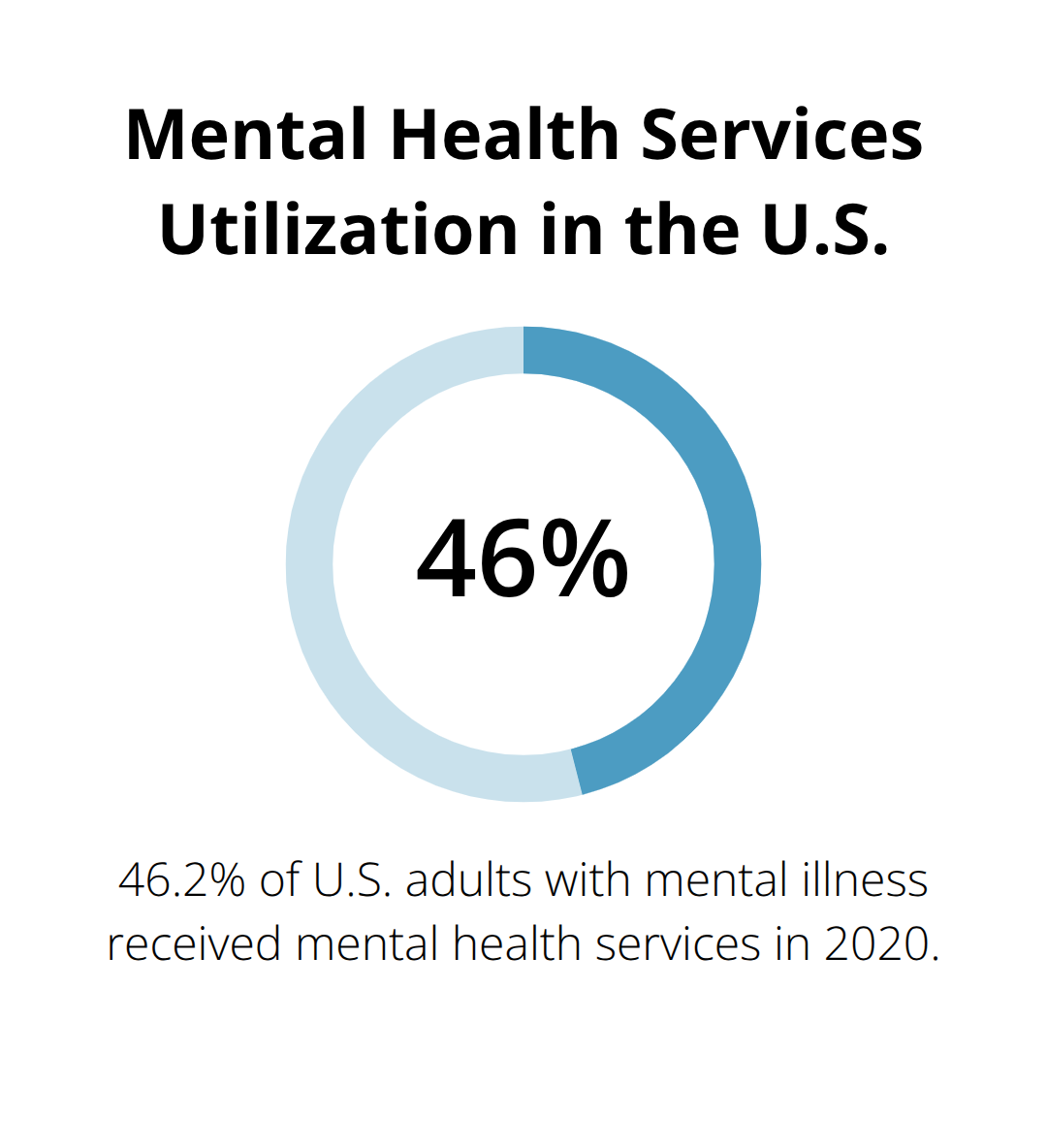
Create predictable support when you schedule regular check-ins rather than random conversations about their anxiety. Choose private settings to prevent shame and embarrassment that make anxiety worse. Remove time pressure from these conversations – you trigger more anxiety symptoms when you rush someone through their feelings. Research shows that only 46.2% of U.S. adults with mental illness received mental health services in 2020, highlighting the importance of supportive environments (particularly in communities like Coral Gables where family support systems remain strong and Miami psychiatry services are accessible).
Share Your Experience Without Taking Over
Share your own experiences with stress or worry to normalize their feelings, but keep the focus on them rather than turn the conversation toward yourself. This technique works because it reduces isolation while maintaining appropriate boundaries. You validate their struggle when you say “I’ve felt overwhelmed before too, and I want to understand what you’re going through.”
Professional support becomes necessary when these techniques alone don’t provide sufficient relief, which leads us to explore the specific tools and resources that can supplement your support efforts.
What Tools Actually Help Someone with Anxiety
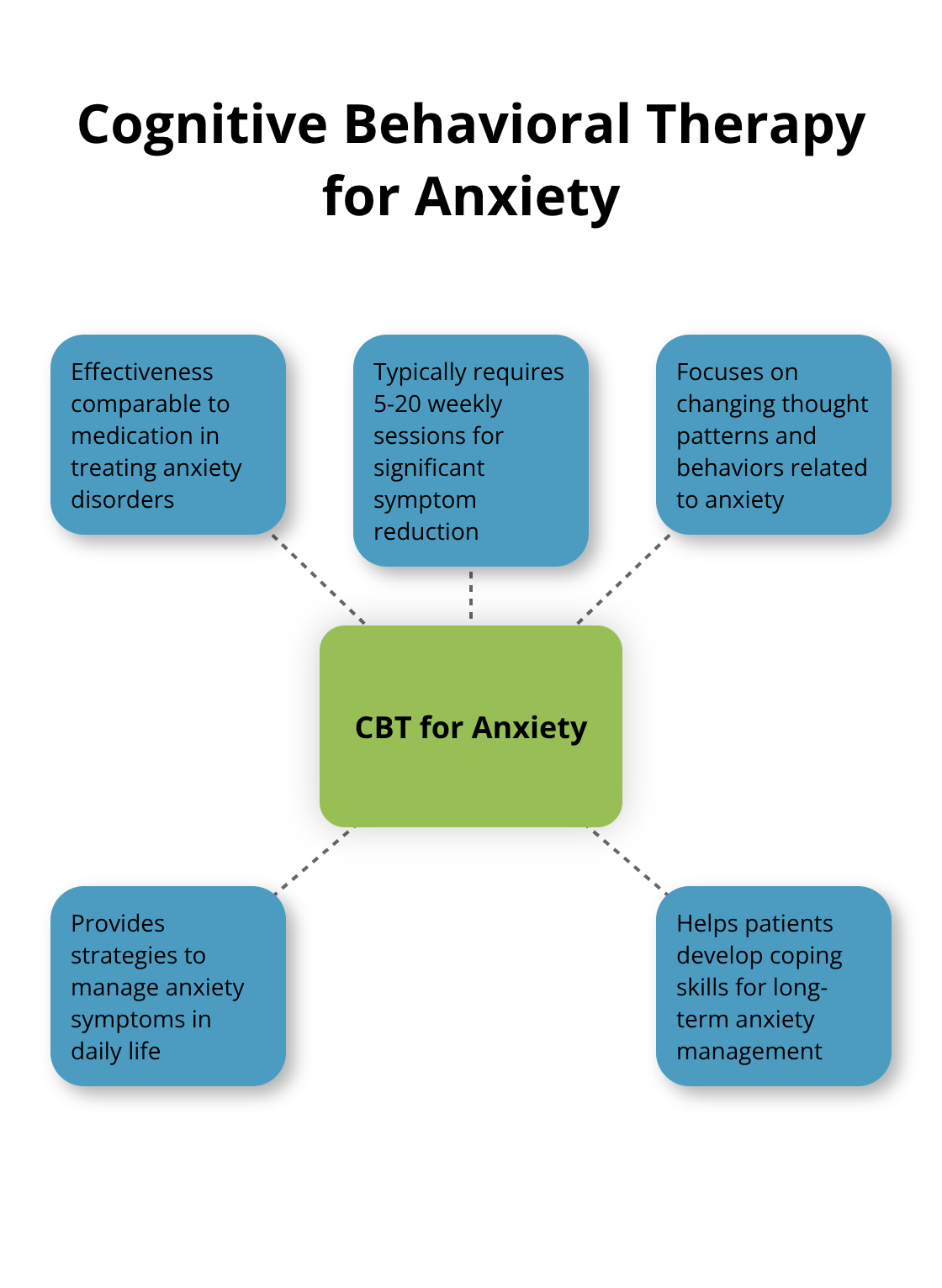
Professional treatment works when you approach it strategically rather than desperately. The American Psychological Association reports that Cognitive Behavioral Therapy shows effectiveness rates comparable to medication, typically requiring 5-20 weekly sessions for significant symptom reduction.
Start conversations about therapy during calm moments, not during panic attacks. Present specific options like anxiety-specialized therapists in Coral Gables or medication management services rather than vague suggestions to get help. Research shows that anxiety disorders affect millions globally, making your encouragement vital for breaking treatment barriers.
Support Daily Habits That Reduce Symptoms
Exercise produces measurable anxiety relief within 20 minutes according to Mayo Clinic research, but most supporters wrongly suggest generic workouts. Instead, offer to walk together for exactly 30 minutes three times per week – this creates accountability and social connection simultaneously. Sleep improvements and meditation practices take weeks or months to show effects according to Psychology Today, so commit to supporting these changes long-term rather than expecting immediate results. Limit alcohol and caffeine intake because these substances trigger anxiety attacks in many people with anxiety disorders. Replace evening wine with herbal tea, and suggest morning walks instead of coffee meetings.
Find Real Community Support Beyond Family
Peer support groups through the National Alliance on Mental Illness provide structured environments where participants report reduced isolation within months of joining. Miami residents can access NAMI Miami-Dade County programs that meet weekly in Kendall and Brickell locations. Online support communities work for people who cannot attend in-person meetings, but avoid unmoderated social media groups that spread misinformation about anxiety treatment.
Connect People to Professional Resources
The Substance Abuse and Mental Health Services Administration offers free resources including 24/7 helplines and local treatment locators that connect people to licensed professionals rather than untrained volunteers. Telemedicine options provide more convenience for those seeking help, especially in busy areas like Brickell where commute times can create additional stress. Anti-anxiety medications often provide relief within 20-30 minutes, making them useful for immediate symptom control when prescribed by qualified Miami psychiatry professionals.
Final Thoughts
You can make a real difference when you support someone with anxiety through active listening, clear boundaries, and validation without constant reassurance. Professional intervention becomes necessary when anxiety interferes with work, relationships, or daily activities for more than two weeks. The 40 million American adults with anxiety disorders need specialized care that extends beyond family support (according to the Anxiety and Depression Association of America).
We at Equilibrium Mental Health Services provide evidence-based psychiatric care for anxiety, depression, and other mental health conditions. Our team offers both medication management and psychotherapy to create personalized treatment plans. We understand how to help someone suffering from anxiety through comprehensive approaches that address both immediate symptoms and long-term recovery.
Contact Equilibrium Mental Health Services to speak with our licensed professionals if someone you care about struggles with persistent anxiety symptoms. This step demonstrates strength and opens the door to effective treatment that can restore balance to their life. Professional help provides the specialized tools and strategies that complement your supportive efforts at home.


