
Hormonal panic attacks can be overwhelming and disruptive to daily life. At Equilibrium Mental Health Services, we understand the impact these episodes can have on your well-being.
In this post, we’ll explore effective strategies on how to stop hormonal panic attacks naturally. From lifestyle changes to herbal remedies, we’ll cover practical steps you can take to regain control and find relief.
What Are Hormonal Panic Attacks?
Understanding the Basics
Hormonal panic attacks are intense episodes of fear and anxiety triggered by fluctuations in hormone levels. These attacks can overwhelm individuals, causing physical symptoms like rapid heartbeat, shortness of breath, and dizziness. At Equilibrium Mental Health Services, we often see patients who struggle with these episodes, particularly during significant hormonal changes. Women are more susceptible to hormone-related panic attacks than men due to experiencing more sexual hormone imbalances.
Common Hormonal Triggers
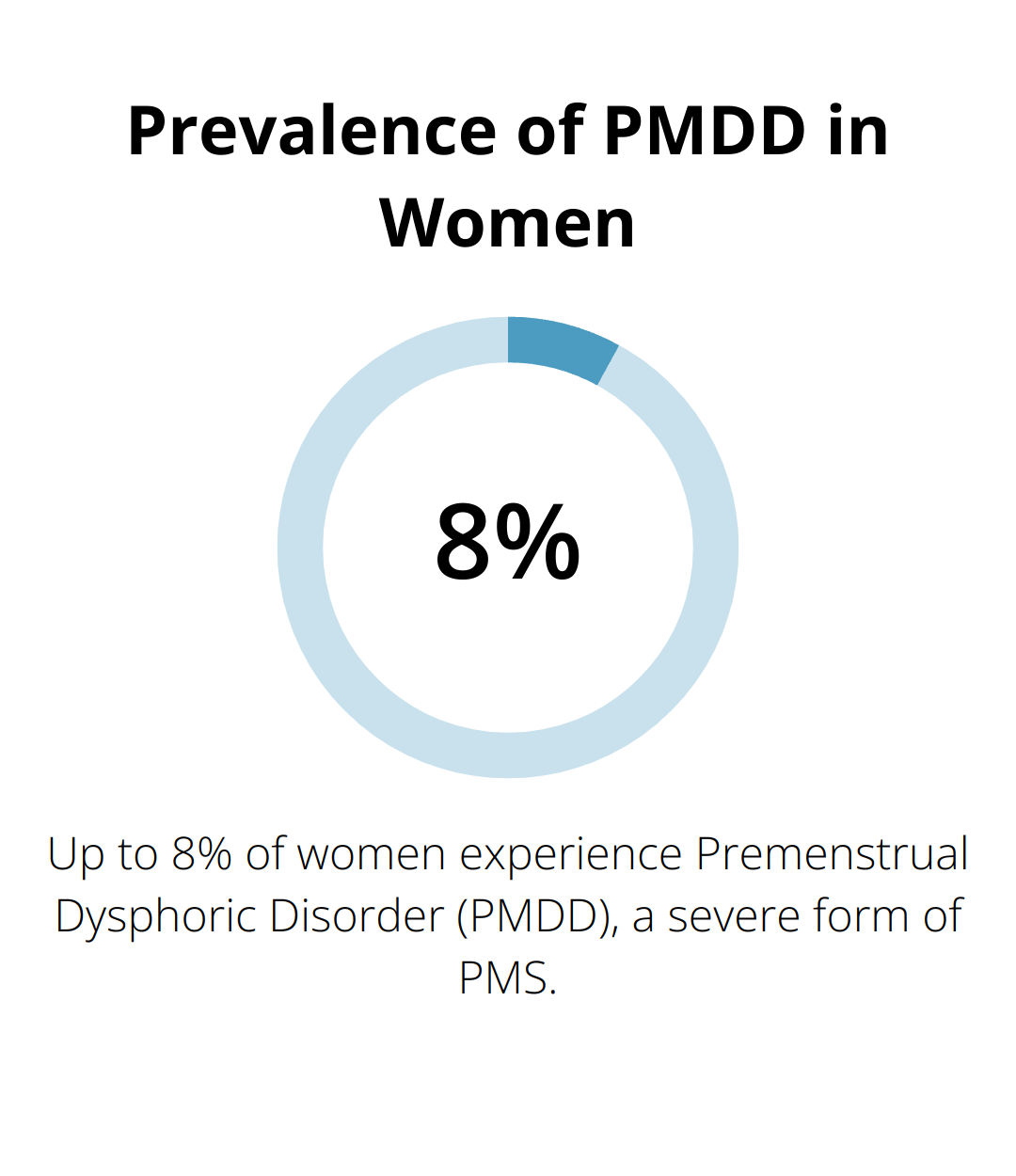
The menstrual cycle, pregnancy, and menopause often trigger hormonal panic attacks. During these times, the body experiences significant shifts in estrogen and progesterone levels. Many women report increased anxiety and panic symptoms in the days leading up to their period, a condition known as premenstrual dysphoric disorder (PMDD). A study published in the Journal of Clinical Psychiatry found that up to 8% of women experience PMDD.
Pregnancy and the postpartum period also bring substantial hormonal changes. According to the World Health Organization (WHO), around 10%–16% of women worldwide experience psychological problems during their pregnancy. Similarly, the transition to menopause can trigger anxiety and panic symptoms in some women.
The Brain-Hormone Connection
Hormones play a vital role in regulating our nervous system and emotional responses. Estrogen, for example, influences the production of serotonin (a neurotransmitter that helps regulate mood). When estrogen levels drop, it can lead to decreased serotonin, potentially triggering anxiety and panic attacks.
Cortisol, often called the “stress hormone,” also plays a significant role. During hormonal fluctuations, the body may become more sensitive to cortisol, leading to an increased stress response and a higher likelihood of panic attacks.
Recognizing the Signs
It’s important to differentiate between general anxiety and a panic attack. Panic attacks often come on suddenly and peak within minutes. Symptoms can include:
- Rapid heartbeat or palpitations
- Sweating
- Trembling or shaking
- Shortness of breath
- Feeling of choking
- Chest pain or discomfort
- Nausea or abdominal distress
- Dizziness or lightheadedness
- Fear of losing control or “going crazy”
- Fear of dying
If you experience these symptoms regularly, especially in correlation with hormonal changes, it’s important to seek professional help. Our team at Miami psychiatry can provide a comprehensive evaluation and develop a personalized treatment plan to address your specific needs.
Understanding the connection between hormones and panic attacks is the first step in managing these episodes effectively. In the next section, we’ll explore lifestyle changes that can help you take control and reduce the frequency and intensity of hormonal panic attacks.
How Lifestyle Changes Can Help Manage Hormonal Panic Attacks
At Equilibrium Mental Health Services, we see how simple lifestyle adjustments significantly impact hormonal panic attacks. Let’s explore practical strategies to help you regain control and reduce these episodes.
The Power of Regular Exercise
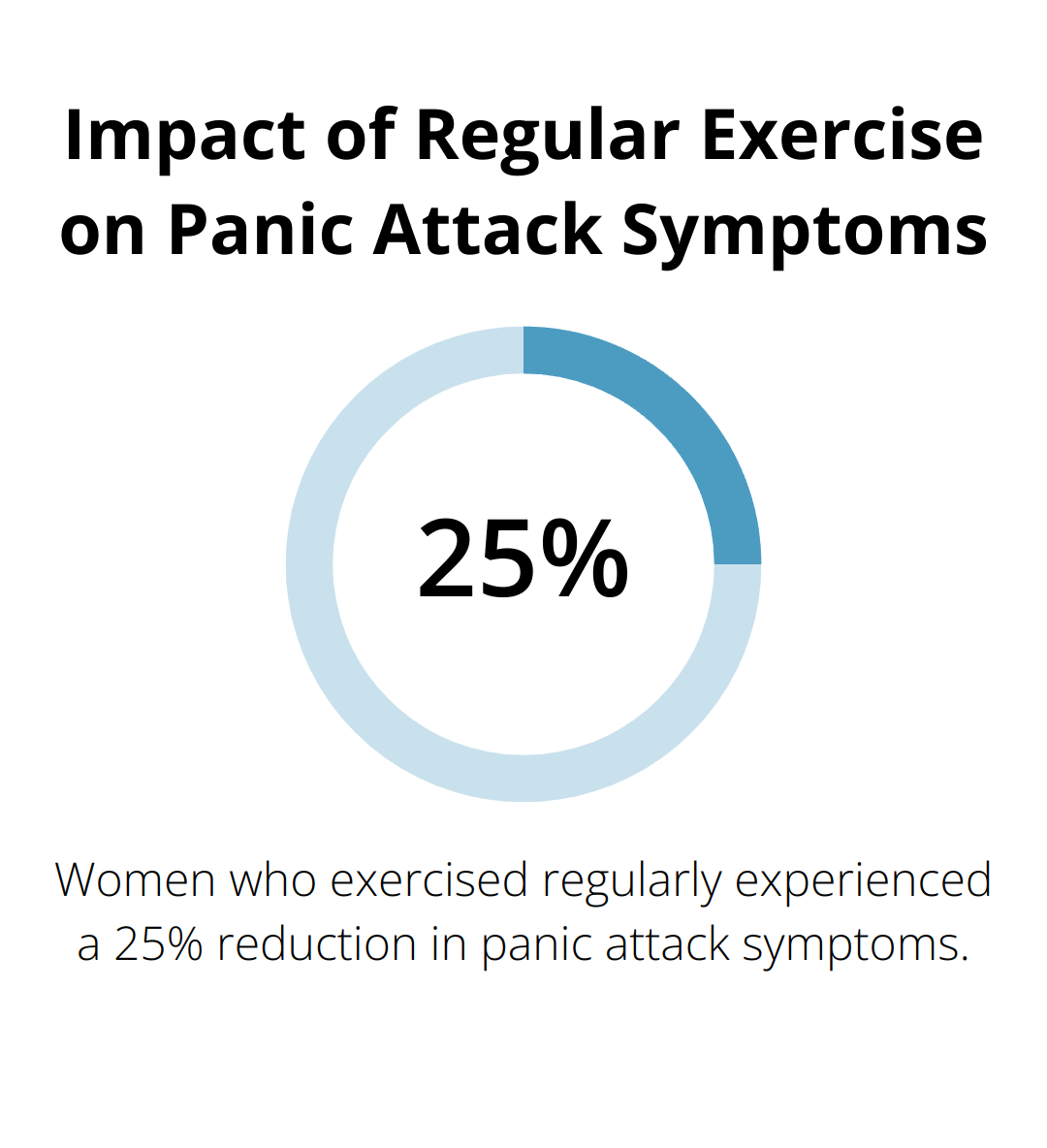
Physical activity is a potent tool for managing hormonal imbalances and reducing panic attacks. A study published in the Journal of Clinical Psychiatry found that women who exercised regularly experienced a 25% reduction in panic attack symptoms. Even small amounts of physical activity can be helpful. Being active for short periods of time, such as 10 to 15 minutes at a time, throughout the day can be beneficial. This could include brisk walks in Coconut Grove’s lush parks, swims at Key Biscayne’s beaches, or yoga classes in Coral Gables.
Nutrition: Your First Line of Defense
Your diet plays a crucial role in hormone balance. A diet rich in whole grains, lean proteins, and healthy fats can stabilize blood sugar levels and reduce anxiety. The Mediterranean diet, in particular, shows promising results. Adherence to a Mediterranean diet was associated with an improvement in plasma BDNF concentrations in individuals with depression.
Specific nutrients to focus on include:
- Omega-3 fatty acids (found in fatty fish, walnuts, and flaxseeds)
- Magnesium (present in dark leafy greens, nuts, and whole grains)
- B vitamins (abundant in eggs, legumes, and whole grains)
Consider consulting with a nutritionist to create a personalized meal plan that supports hormone balance and mental health.
Stress Reduction: Your Secret Weapon
Chronic stress can exacerbate hormonal imbalances and trigger panic attacks. Implementing stress-reduction techniques into your daily routine is essential. Mindfulness and relaxation techniques have been shown to reduce anxiety symptoms by up to 44% in some studies.
Try to dedicate 10-15 minutes each day to a mindfulness practice. You can start with guided meditations using apps like Headspace or Calm. Alternatively, consider joining a local meditation group in Pinecrest or Palmetto Bay for added support and accountability.
The Sleep-Hormone Connection
Quality sleep is essential for hormone regulation. Poor sleep can lead to increased cortisol levels, which may trigger panic attacks. Try to get 7-9 hours of sleep per night and establish a consistent sleep schedule.
Create a relaxing bedtime routine:
- Dim the lights an hour before bed
- Avoid screens for at least 30 minutes before sleep
- Take a warm bath or do gentle stretching
- Use blackout curtains and keep your bedroom cool
If sleep issues persist, consider consulting with a Miami psychiatry professional for personalized strategies.
Lifestyle changes take time to show results. Be patient with yourself and consistent in your efforts. If you struggle to implement these changes or need additional support, don’t hesitate to reach out to a mental health professional. In the next section, we’ll explore natural remedies and supplements that can complement these lifestyle changes and further support your journey to manage hormonal panic attacks.
Natural Remedies for Hormonal Balance
At Equilibrium Mental Health Services, we often recommend natural remedies to complement lifestyle changes for managing hormonal panic attacks. These options can be beneficial, but it’s important to consult with a healthcare professional before starting any new supplement regimen.
Herbal Allies for Anxiety Relief
Certain herbs show promise in reducing anxiety symptoms. Chamomile tea contains compounds that bind to the same brain receptors as anti-anxiety drugs. A study published in the Journal of Clinical Psychopharmacology found that chamomile extract reduced anxiety symptoms in participants with generalized anxiety disorder.
Passionflower is another herb worth considering. Research in the Journal of Clinical Pharmacy and Therapeutics suggests that passionflower extract may be as effective as oxazepam (a prescription anti-anxiety medication) for treating generalized anxiety disorder.
Valerian root, often used as a sleep aid, may also help with anxiety. However, its effects can vary from person to person, and it may cause drowsiness in some individuals.
Aromatherapy for Relaxation
Essential oils can be powerful tools for relaxation and stress reduction. Lavender oil, in particular, has been extensively studied for its calming effects. A study in the journal Phytomedicine found that an oral lavender oil preparation was as effective as lorazepam (a common anti-anxiety medication) for treating generalized anxiety disorder.
Bergamot and ylang-ylang oils have also shown promise in reducing anxiety symptoms. You can use these oils in a diffuser, add them to a warm bath, or apply them diluted to your skin. Essential oils are potent and should be used with caution, especially if you have sensitive skin or allergies.
Omega-3s and B Vitamins
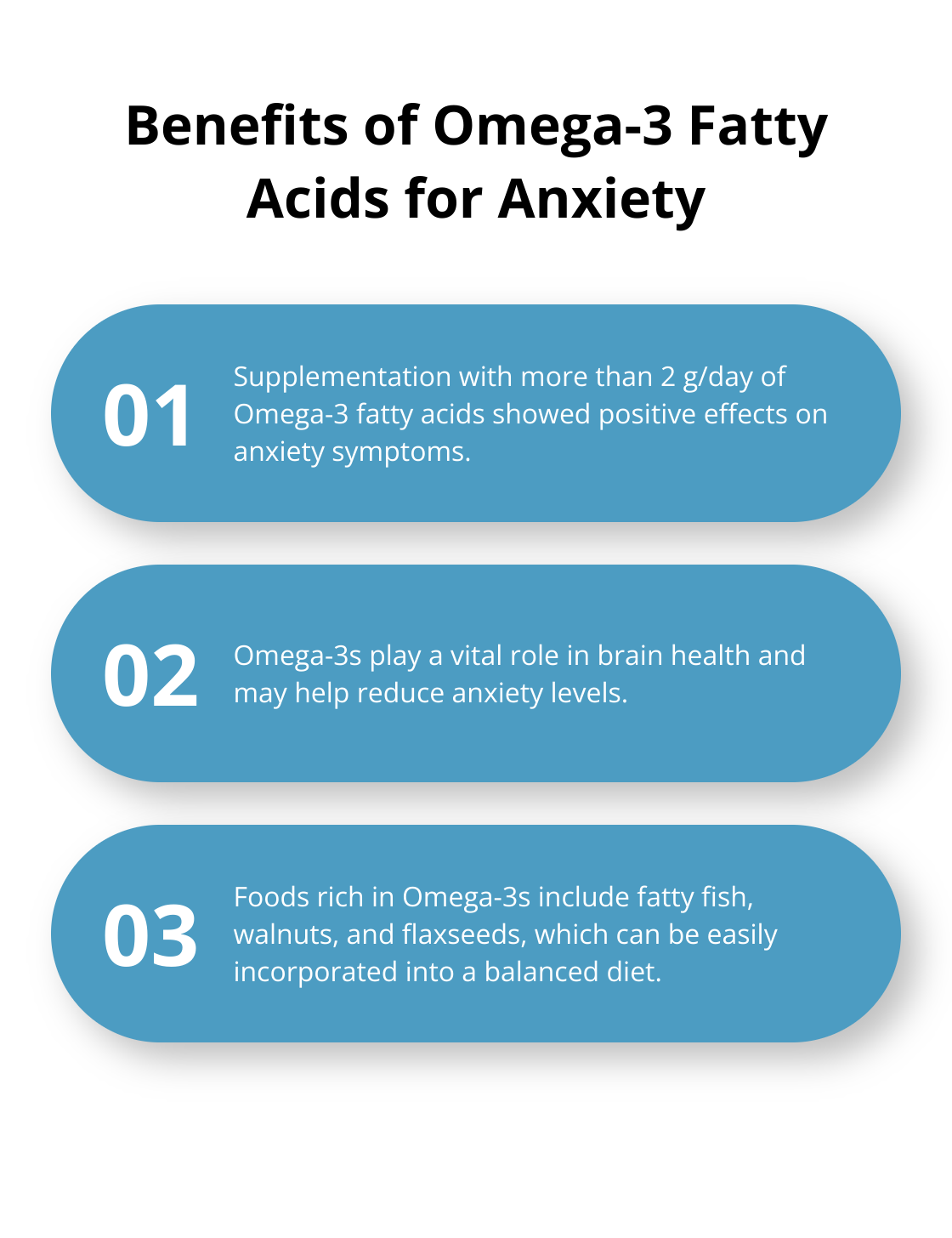
Omega-3 fatty acids, found in fatty fish, walnuts, and flaxseeds, play a vital role in brain health and may help reduce anxiety. A meta-analysis of intervention studies showed that supplementation with more than 2 g/day did have positive effects on anxiety symptoms.
B-complex vitamins, particularly B6, B9 (folate), and B12, are essential for neurotransmitter production and can help regulate mood. Foods rich in B vitamins include leafy greens, legumes, and whole grains. If you’re considering supplements, consult with a Miami psychiatry professional to determine the right dosage for your needs.
Adaptogenic Herbs for Stress Management
Adaptogenic herbs like ashwagandha and rhodiola have gained popularity for their potential to help the body adapt to stress. A study in the Indian Journal of Psychological Medicine found that participants who took ashwagandha for 60 days experienced a significant reduction in anxiety scores compared to those who took a placebo.
While these natural remedies can be helpful, they’re not a substitute for professional medical advice. If you experience frequent panic attacks or severe anxiety, it’s important to seek help from a qualified mental health professional. At Equilibrium Mental Health Services, we can work with you to develop a comprehensive treatment plan that may include both natural remedies and evidence-based therapies.
Final Thoughts
Natural management of hormonal panic attacks requires a personalized approach. We explored various strategies, from lifestyle changes to natural remedies, that can help you control your mental health. Exercise, balanced nutrition, stress reduction, and quality sleep form the foundation of hormone balance. Professional guidance often benefits this process.
We at Equilibrium Mental Health Services specialize in creating individualized treatment plans that address the root causes of your symptoms. Our team of experts in Miami psychiatry can help you navigate the complexities of hormonal imbalances and their impact on your mental health. Taking the first step to manage hormonal panic attacks can be challenging, but it’s an important decision.
With the right support and a comprehensive approach, you can learn how to stop hormonal panic attacks and improve your overall quality of life. We’re here to support you on your journey to better mental health and emotional well-being, whether you’re in Coral Gables, Pinecrest, or anywhere in the Miami area.


