
Teenage depression is a serious mental health issue affecting millions of adolescents worldwide. At Equilibrium Mental Health Services, we’ve seen firsthand how recognizing teenage depression symptoms early can make a significant difference in treatment outcomes.
Understanding these signs is crucial for parents, educators, and friends to provide timely support and intervention. This guide will help you identify the key indicators of teenage depression and know when to seek professional help from <a href=”https://g.co/kgs/Toi7gBP”>Miami psychiatry</a> specialists.
What Is Teenage Depression?
A Serious Mental Health Condition
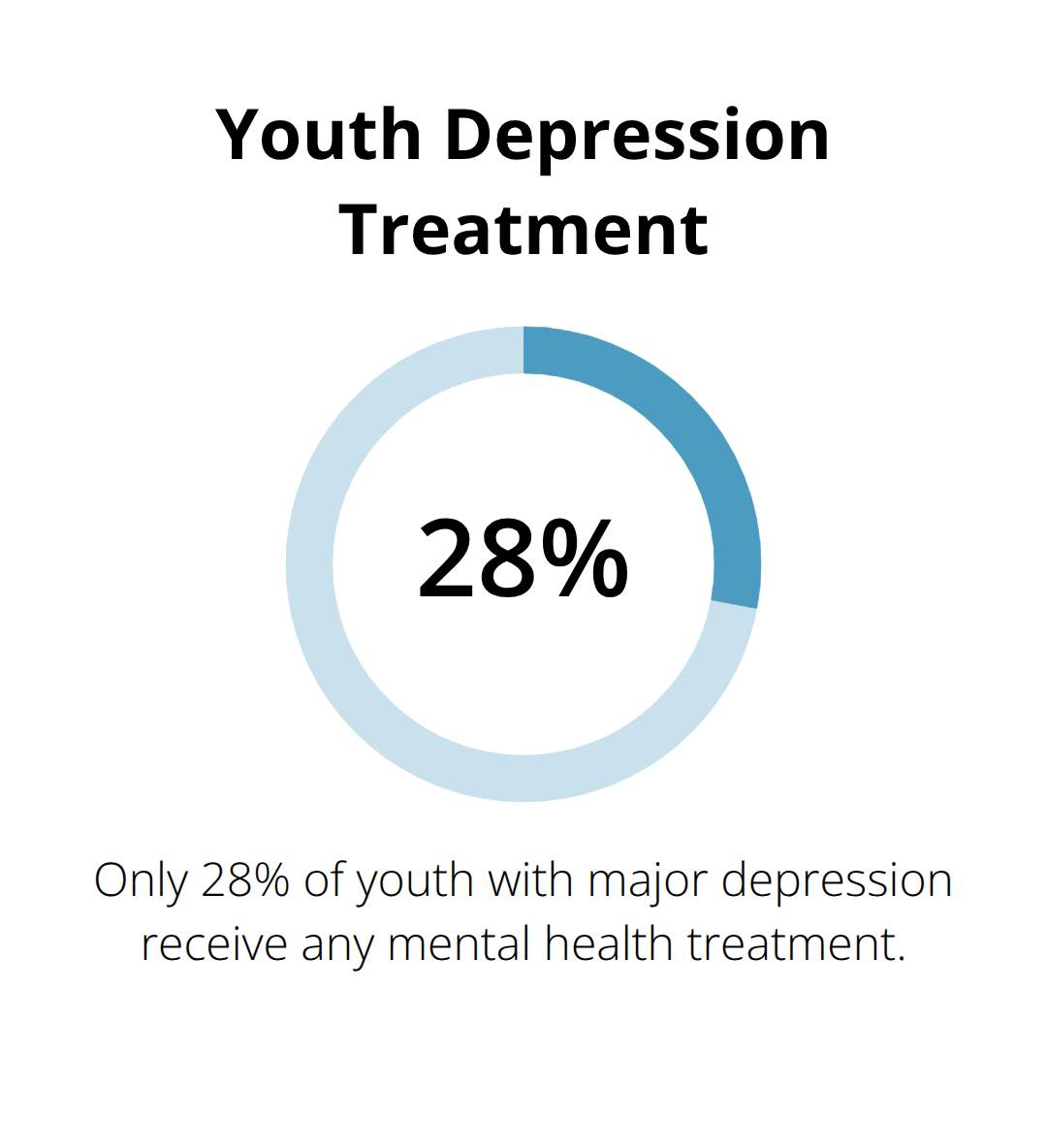
Teenage depression extends beyond occasional moodiness or typical adolescent angst. It represents a serious mental health condition that affects millions of young people worldwide. In Coral Gables and surrounding areas, we’ve observed a concerning trend in the prevalence of depression among teenagers. Nationally, only 28% of youth with major depression receive any mental health treatment.
The Scope of the Problem
The National Institute of Mental Health reports that mental illnesses are common in the United States. One in six U.S. adults lives with a mental illness. These numbers underscore the urgent need for awareness and intervention.
Beyond Mood Swings
It’s important to distinguish between normal teenage mood fluctuations and clinical depression. While teens commonly experience emotional ups and downs, depression persists for weeks or months and significantly impacts daily life.
Key Indicators
Depression in teenagers often manifests differently than in adults. Irritability, rather than sadness, frequently emerges as a primary symptom. Other signs include:
- Persistent feelings of hopelessness or worthlessness
- Withdrawal from friends and activities
- Significant changes in sleep patterns or appetite
- Difficulty concentrating (leading to a decline in academic performance)
The Role of Brain Chemistry
Research points to imbalances in brain chemicals, particularly serotonin and norepinephrine, as significant factors in teenage depression. Various elements can trigger these imbalances, including genetic predisposition, hormonal changes, and environmental stressors.
The Impact of Social Media
A study published in the Journal of Adolescent Health found a correlation between increased social media use and higher rates of depression among teens. The constant comparison and fear of missing out (FOMO) can intensify feelings of inadequacy and isolation.
As we move forward, it’s essential to understand the common symptoms that characterize teenage depression. These indicators serve as crucial red flags for parents, educators, and friends to recognize when a teenager might need professional help.
Miami psychiatry services can provide valuable support for teenagers struggling with depression and other mental health issues.
What Are the Warning Signs of Teenage Depression?
Teenage depression presents unique challenges for identification and treatment. At Equilibrium Mental Health Services, we recognize the importance of early detection. Here are key warning signs to watch for:
Emotional Turmoil
Teens with depression often experience intense emotions. This serious mental health problem affects how teenagers think, feel, and behave, causing emotional, functional, and physical issues. In Coral Gables, many depressed teens struggle to find joy in activities they once loved.
Physical Changes
Depression manifests physically in various ways. Sleep disturbances are common (some teens sleep excessively while others battle insomnia). Appetite changes occur frequently, leading to significant weight loss or gain. Many depressed teens report constant fatigue or lack of energy.
Social Withdrawal
A hallmark of teenage depression is social isolation. Teens pull away from friends, family, and social activities. They spend more time alone in their rooms or avoid group gatherings. In Pinecrest, this withdrawal often extends to extracurricular activities and hobbies.
Academic Struggles
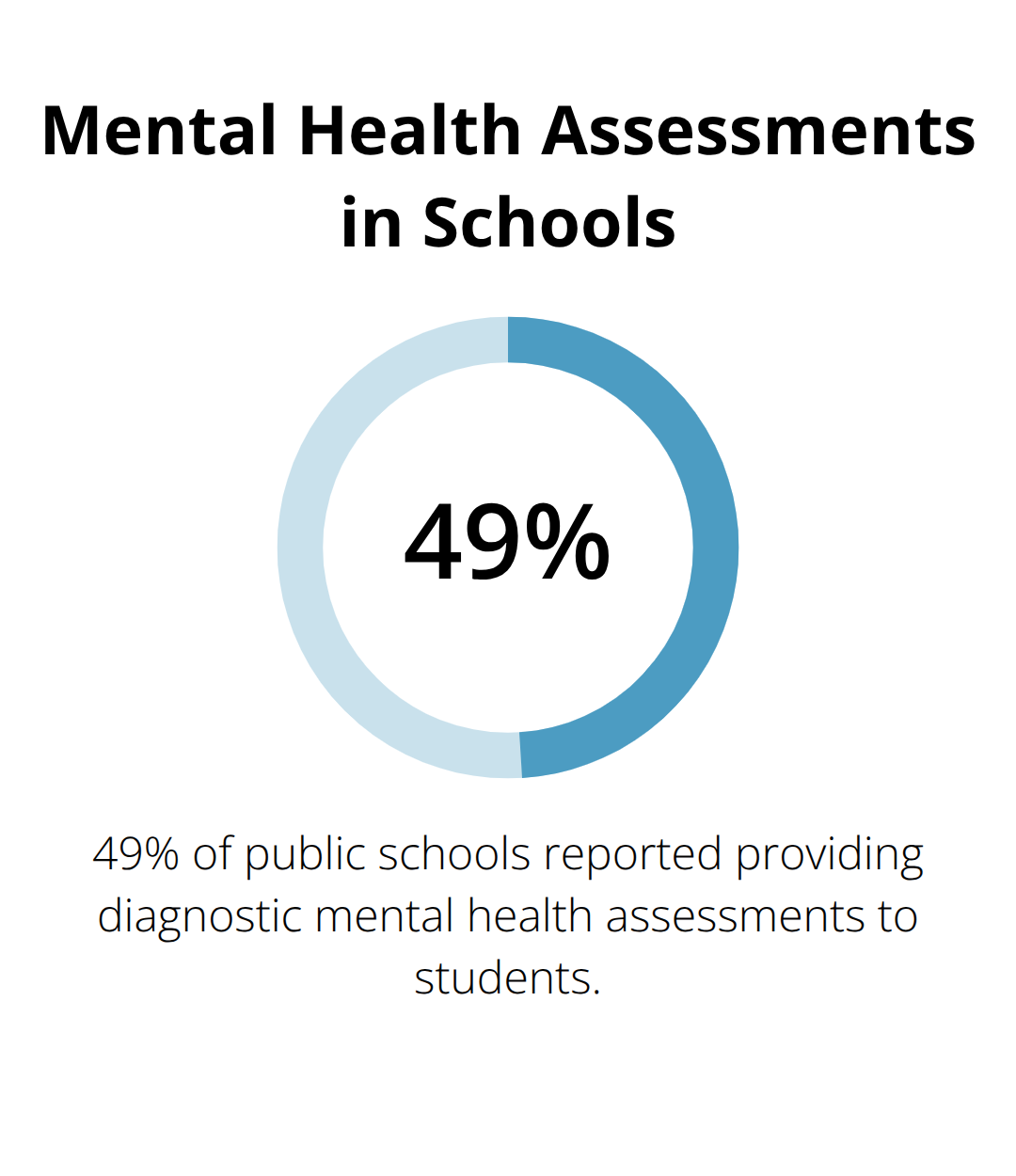
Depression significantly impacts school performance. Teens have trouble concentrating, which leads to a decline in grades. They start skipping classes or lose interest in subjects they previously enjoyed. 49 percent of public schools reported providing diagnostic mental health assessments to students.
Self-Harm and Suicidal Thoughts
The most alarming sign of teenage depression is thoughts of self-harm or suicide. These thoughts require immediate attention and professional intervention. The Youth Risk Behavior Survey found that 18.8% of high school students seriously considered attempting suicide in the past year.
If you notice any of these warning signs in a teenager, seek professional help immediately. Early intervention prevents the escalation of symptoms and provides the support needed for recovery. Miami psychiatry services offer specialized care for teens struggling with depression.
The next step in understanding teenage depression involves exploring the risk factors and triggers that contribute to its development. These elements play a significant role in the onset and progression of depressive symptoms in adolescents.
What Triggers Teenage Depression?
Genetic and Biological Factors
Research points to a strong genetic component in teenage depression. Studies have found a strong contribution of shared genetic factors on the covariation between depression and conduct problems. This genetic predisposition often manifests in families seeking treatment in Coral Gables.
Environmental Stressors
Environmental factors play a significant role in triggering teenage depression. Common culprits include:
- Family conflicts
- Academic pressure
- Bullying
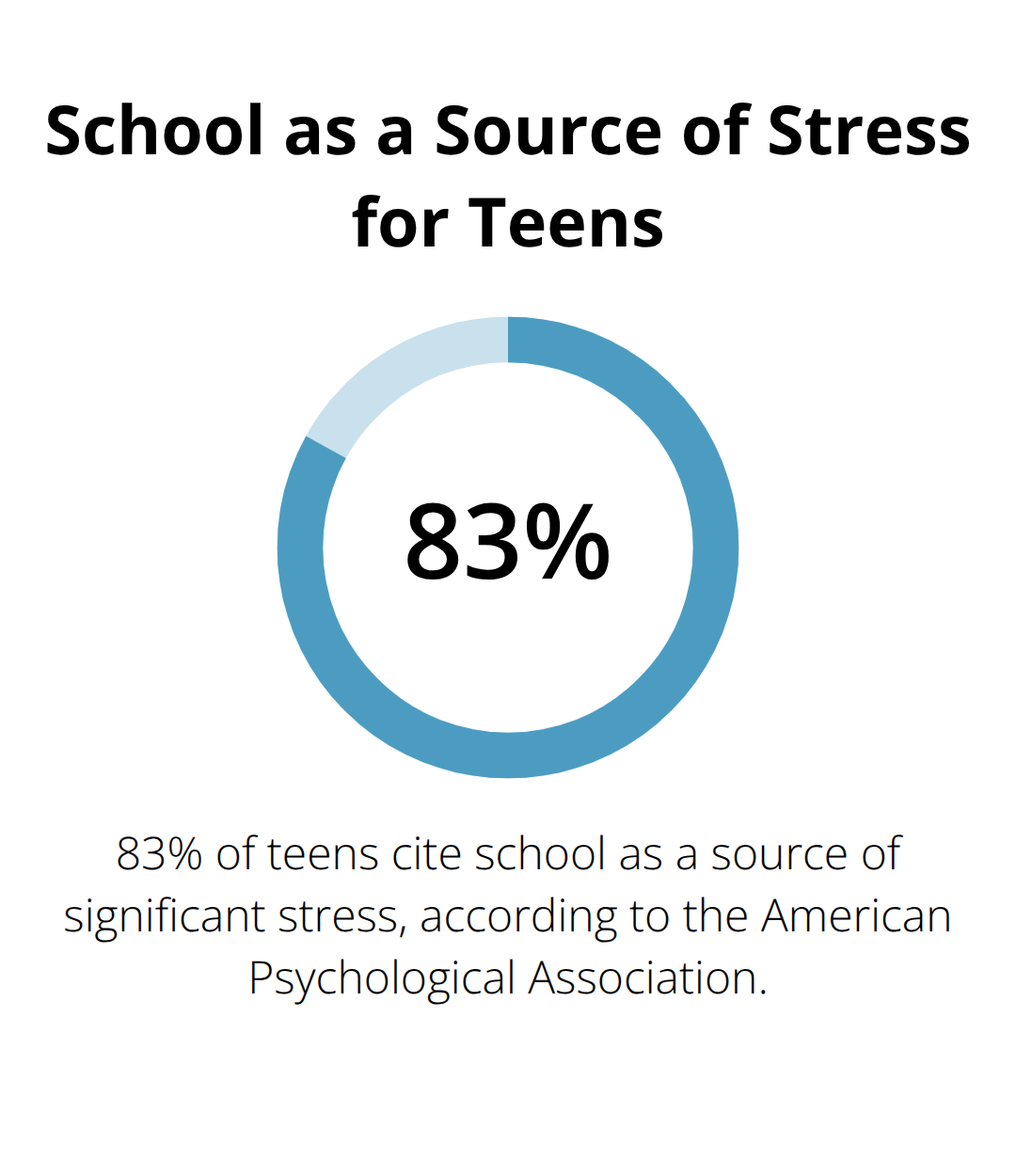
The American Psychological Association reports that 83% of teens cite school as a source of significant stress. In Pinecrest, many teens struggle with the pressure to excel academically, which leads to increased anxiety and depressive symptoms.
The Impact of Social Media
Social media use has emerged as a significant factor in teenage depression. A study found that more time spent on social media during early adolescence may contribute to increased depressive symptoms over time. Miami psychiatry professionals often observe how excessive social media use affects teens’ mental health.
Traumatic Events and Loss
Experiencing traumatic events or significant loss can trigger depression in teenagers. These events include:
- Death of a loved one
- Parental divorce
- Physical or sexual abuse
The National Child Traumatic Stress Network reports that up to 43% of children experience at least one potentially traumatic experience in their lifetime. In Kendall, we observe how these events profoundly affect a teen’s mental health.
Hormonal Changes
Puberty brings significant hormonal changes that can contribute to the onset of depression. These biological shifts (particularly in estrogen and testosterone levels) can affect mood regulation and emotional stability. Teenagers in Coconut Grove often report mood swings and emotional volatility during this period of rapid physical and psychological change.
Final Thoughts
Early recognition of teenage depression symptoms enables effective intervention and support. Parents, teachers, and friends must identify these signs and take action promptly. Open communication creates a safe space for teens to express their feelings, helping them feel understood and less isolated in their struggles.
Professional help becomes essential when teenage depression symptoms appear. Miami psychiatry specialists offer expert guidance and treatment options tailored to adolescents’ unique needs. Early intervention prevents symptom escalation and equips teens with tools to manage their mental health effectively.
Equilibrium Mental Health Services provides comprehensive care for teenagers and families navigating depression challenges. Our team offers medication management and psychotherapy to address teenage depression symptoms effectively. If you worry about a teenager in your life, reach out for professional support to help young people find balance and improve their mental well-being.


