
Unspecified depression is a complex mental health condition that often goes unrecognized. Its symptoms can be subtle, making it challenging for individuals to identify and seek help.
At Equilibrium Mental Health Services, we understand the importance of early detection and effective coping strategies for this form of depression. This blog post will guide you through recognizing the signs and managing unspecified depression, empowering you to take control of your mental well-being.
What Is Unspecified Depression?
Defining Unspecified Depression
Unspecified depression is a mental health condition that doesn’t fit neatly into other diagnostic categories. Many patients from Coral Gables and surrounding areas experience depressive symptoms that don’t meet the full criteria for major depressive disorder or other specific types of depression.
The Unique Nature of Unspecified Depression
Unlike major depressive disorder, which has a clear set of diagnostic criteria, unspecified depression presents with a mix of symptoms that vary in intensity and duration. This variation can make it difficult for individuals to recognize they’re dealing with a form of depression.
For instance, a patient from Pinecrest might experience persistent low mood and fatigue but still manage to function at work. They might not realize these symptoms could indicate unspecified depression.
Warning Signs to Watch For
Early identification of unspecified depression is key for effective treatment. Common signs include:
- Persistent sad or empty feelings
- Loss of interest in previously enjoyed activities
- Changes in sleep patterns or appetite
- Difficulty concentrating or making decisions
- Unexplained physical aches and pains
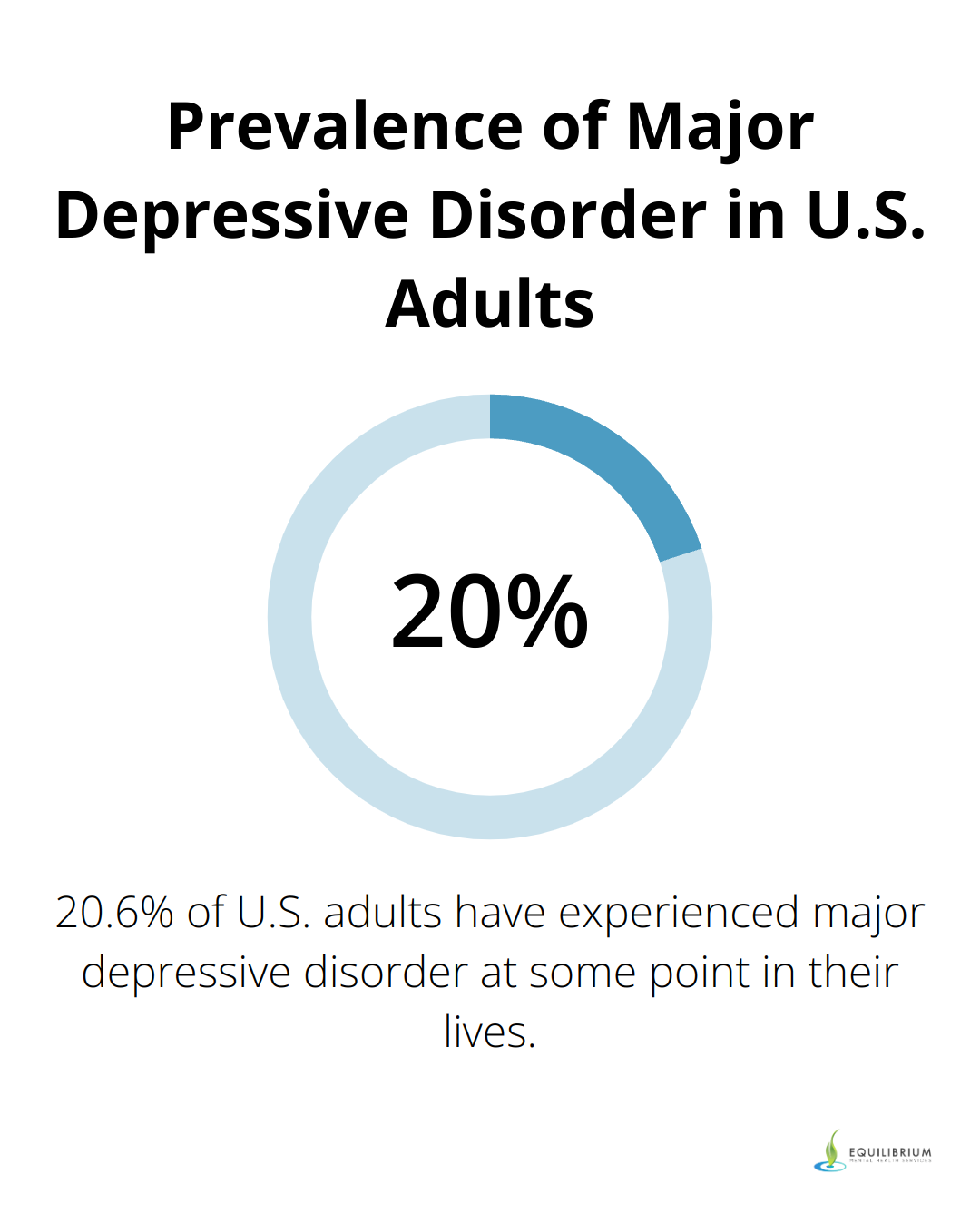
A study found that about 20.6% of U.S. adults experienced major depressive disorder at some point in their lives.
Impact on Daily Life
Unspecified depression can significantly affect daily functioning. A patient from Coconut Grove might find it harder to engage in social activities or maintain relationships. Work performance might suffer due to decreased motivation and energy.
It’s important to note that unspecified depression is just as valid and deserving of treatment as other forms of depression. All depressive symptoms warrant serious attention, regardless of their specific classification.
Seeking Help
If you experience any of these symptoms, don’t hesitate to reach out for help. Early intervention can prevent the condition from worsening and improve your quality of life. Expert care and support tailored to your unique needs can make a significant difference in managing unspecified depression.
As we move forward, let’s explore how to recognize the specific emotional, physical, and behavioral signs of unspecified depression in more detail.
Spotting Unspecified Depression
Emotional Red Flags
Unspecified depression often reveals itself through subtle emotional changes. You might experience persistent feeling of sadness and loss of interest. Many patients from Coral Gables report feeling “numb” or disconnected from their emotions. Irritability is another common sign, especially in men and teenagers.
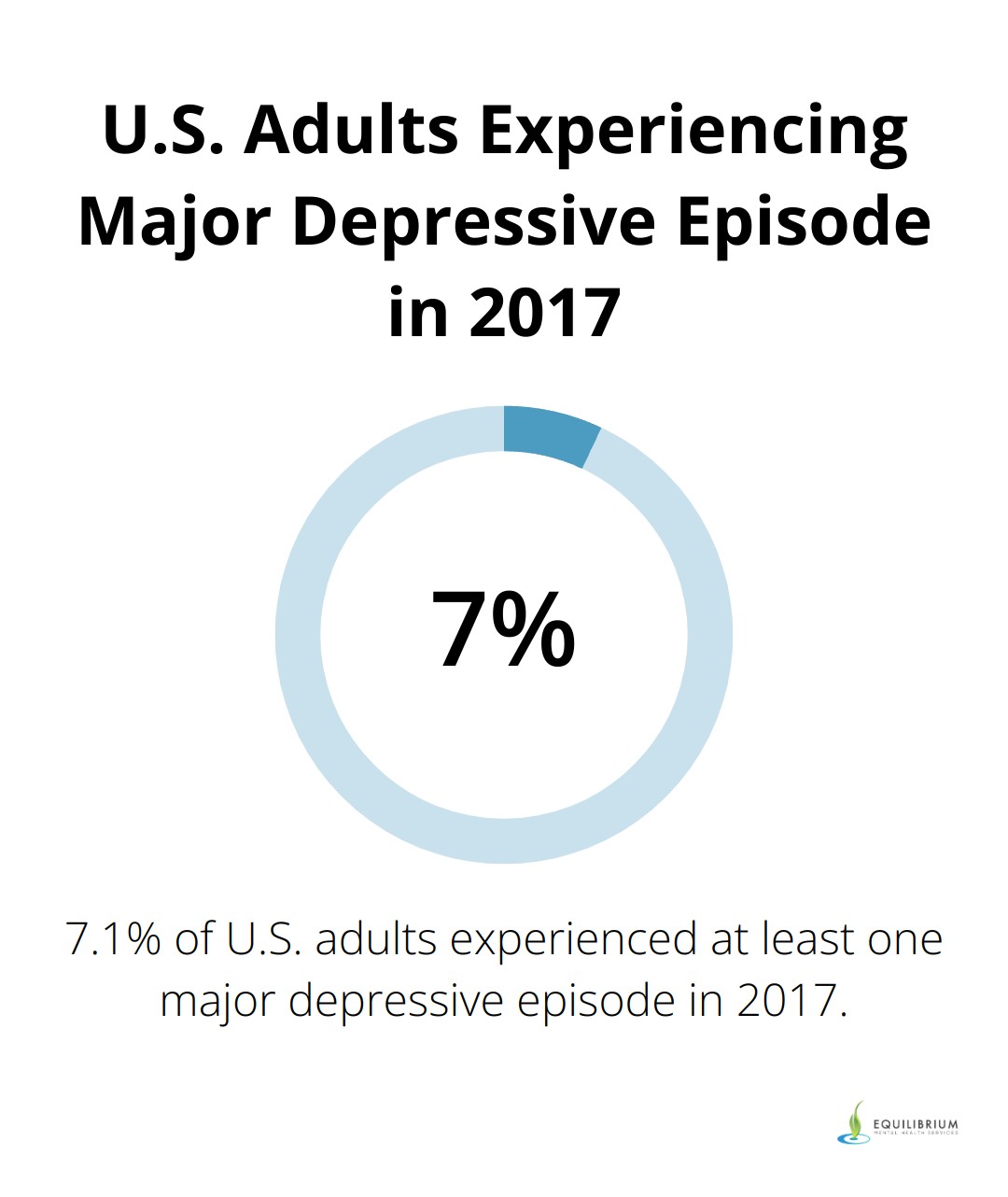
A study by the National Institute of Mental Health found that 7.1% of U.S. adults experienced at least one major depressive episode in 2017. However, this statistic doesn’t account for those with unspecified depression, suggesting the actual number of people affected by depressive symptoms is likely higher.
Physical Symptoms
Unspecified depression affects your body too. Many patients from Coconut Grove report unexplained aches and pains (particularly headaches or back pain) that don’t respond to typical treatments. Changes in appetite and sleep patterns are also common. You might find yourself sleeping too much or struggling with insomnia.
Weight fluctuations are another physical manifestation. Some people experience significant weight loss due to decreased appetite, while others may gain weight from emotional eating or reduced physical activity.
Behavioral Changes
Pay attention to shifts in your daily habits and behaviors. A decrease in productivity at work or school often signals early unspecified depression. You might struggle to concentrate or make decisions, even on simple matters.
Social withdrawal is another key indicator. If you avoid friends and family or lose interest in activities you once enjoyed, it could indicate unspecified depression. Many patients from Palmetto Bay initially attribute these changes to being “too busy” or “just going through a phase.”
Recognizing the Variability
It’s important to note that these symptoms can vary in intensity and may not always be present. If you experience any combination of these signs (especially if they persist for more than two weeks), it’s time to seek professional help.
At Equilibrium Mental Health Services, we use a comprehensive approach to assess your symptoms and develop a personalized treatment plan. Don’t let unspecified depression go unaddressed – early intervention can significantly improve your quality of life.
Now that we’ve explored how to recognize unspecified depression, let’s move on to effective coping strategies that can help manage this condition.
Effective Strategies to Manage Unspecified Depression
Prioritize Self-Care and Lifestyle Changes
Establish a consistent sleep schedule. Try to sleep 7-9 hours each night. Sleep duration is independently associated with a higher incident of depression. Not only insufficient sleep but excessive sleep also increase the risk.
Exercise regularly. A 30-minute walk five times a week can boost your mood significantly. Many patients in Pinecrest find motivation and connection by joining local fitness classes or walking groups.
Focus on nutrition. Eat a balanced diet rich in omega-3 fatty acids (found in fish, nuts, and seeds). These nutrients link to improved mood and reduced depressive symptoms.
Seek Professional Help
Contact mental health professionals. Treatment plans may include therapy, medication, or both. Cognitive Behavioral Therapy (CBT) shows particular effectiveness in treating unspecified depression.
Consider telepsychiatry if you can’t attend in-person sessions. The Journal of Clinical Psychiatry reports that telepsychiatry is as effective as face-to-face treatment for depression.
Build Your Support Network
Connect with friends and family often. Share your feelings with trusted individuals. Many patients from Coconut Grove find significant emotional relief by opening up to loved ones.
Join support groups focused on depression or mental health. These groups offer a safe space to share experiences and coping strategies. The National Alliance on Mental Illness (NAMI) offers support groups in many local communities.
Practice Mindfulness and Stress Reduction
Add mindfulness techniques to your daily routine. Apps like Headspace or Calm guide you through short meditation sessions. Mindfulness-based interventions have strong evidence to support their efficacy in alleviating depressive symptoms in adults.
Try stress-reduction activities like yoga or tai chi. Many community centers in Miami offer affordable classes. These practices combine physical movement with mindfulness, providing dual benefits for mental health.
Use journaling as a tool to manage unspecified depression. Spend 10-15 minutes each day writing about your thoughts and feelings. This practice helps identify and reframe negative thought patterns.
Managing unspecified depression takes time. Be patient with yourself and celebrate small victories. If you struggle to implement these strategies or need additional support, reach out to Equilibrium Mental Health Services. We help you navigate your path to better mental health.
Final Thoughts
Unspecified depression affects individuals in unique ways. Its impact on daily life deserves attention, even if it doesn’t fit neatly into other diagnostic categories. Understanding the signs of unspecified depression empowers you to take action for better mental health.
Professional guidance enhances the effectiveness of coping strategies. Equilibrium Mental Health Services specializes in treating various mental health conditions, including unspecified depression. Our team provides personalized care tailored to your needs (medication management and psychotherapy).
Take the first step towards healing today. Visit Equilibrium Mental Health Services to learn more about managing unspecified depression and regaining control of your life. You don’t have to face this alone.


