
Living with OCD and ADHD can be challenging, but effective management is possible. At Equilibrium Mental Health Services, we understand the unique struggles faced by individuals dealing with these conditions.
This guide offers practical strategies for treatment of OCD and ADHD, helping you regain control of your daily life. We’ll explore proven techniques, from cognitive behavioral therapy to organizational tools, that can make a significant difference in managing symptoms.
What Are OCD and ADHD?
Understanding Obsessive-Compulsive Disorder (OCD)
OCD is a mental health condition characterized by intrusive, unwanted thoughts (obsessions) and repetitive behaviors or mental acts (compulsions). People with OCD feel compelled to perform these actions to alleviate anxiety. For instance, an individual with OCD might have an intense fear of germs, leading to excessive hand-washing or avoidance of public spaces.
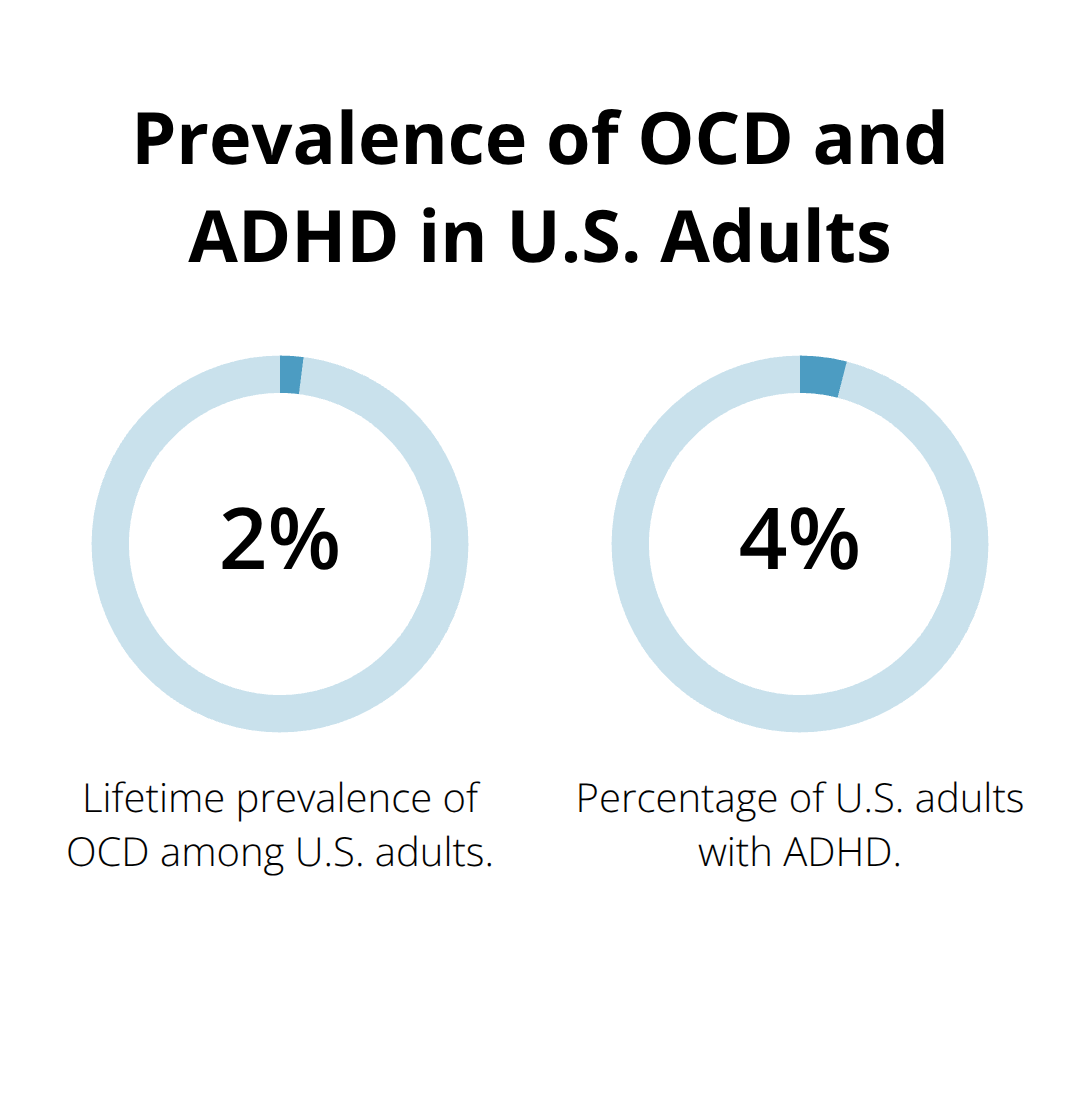
The lifetime prevalence of OCD among adults in the United States is 2.3%. The annual prevalence is approximately 1.2%. It’s not merely about being tidy or organized – OCD can disrupt work, relationships, and overall quality of life.
Recognizing Attention-Deficit/Hyperactivity Disorder (ADHD)
ADHD is a neurodevelopmental disorder marked by persistent inattention, hyperactivity, and impulsivity. These symptoms often start in childhood but can persist into adulthood. Adults with ADHD typically present as difficulties with memory, focus, and restlessness rather than hyperactivity. These symptoms can significantly impact academic and professional performance, as well as personal relationships.
According to the Centers for Disease Control and Prevention, approximately 4.4% of adults in the U.S. have ADHD. It’s not simply a matter of being easily distracted or energetic – ADHD can significantly impact academic and professional performance, as well as personal relationships.
The OCD-ADHD Connection
An interesting overlap exists between OCD and ADHD. Research published in the Journal of Attention Disorders found that up to 30% of individuals with OCD also have ADHD. This comorbidity can complicate diagnosis and treatment.
For example, a person with both conditions might experience racing thoughts (ADHD) that transform into obsessive worries (OCD). Alternatively, they might have difficulty focusing on tasks (ADHD) because of intrusive thoughts or compulsions (OCD).
Seeking Professional Help
If you recognize these symptoms in yourself or a loved one, it’s important to seek professional help. Early intervention can make a significant difference in treatment outcomes and overall quality of life.
In Coral Gables, Florida, our team at Equilibrium Mental Health Services specializes in diagnosing and treating these complex cases. We understand the nuances of both disorders and how they can interact, allowing us to provide targeted, effective treatment plans.
Moving Forward: Treatment Options
Now that we’ve explored the characteristics of OCD and ADHD, let’s examine the various treatment strategies available for managing these conditions effectively. From cognitive behavioral therapy to medication options, there are numerous approaches that can help individuals regain control of their daily lives.
Miami psychiatry offers a range of treatment options for both OCD and ADHD, tailored to individual needs and circumstances.
How to Manage OCD Effectively
Cognitive Behavioral Therapy (CBT)
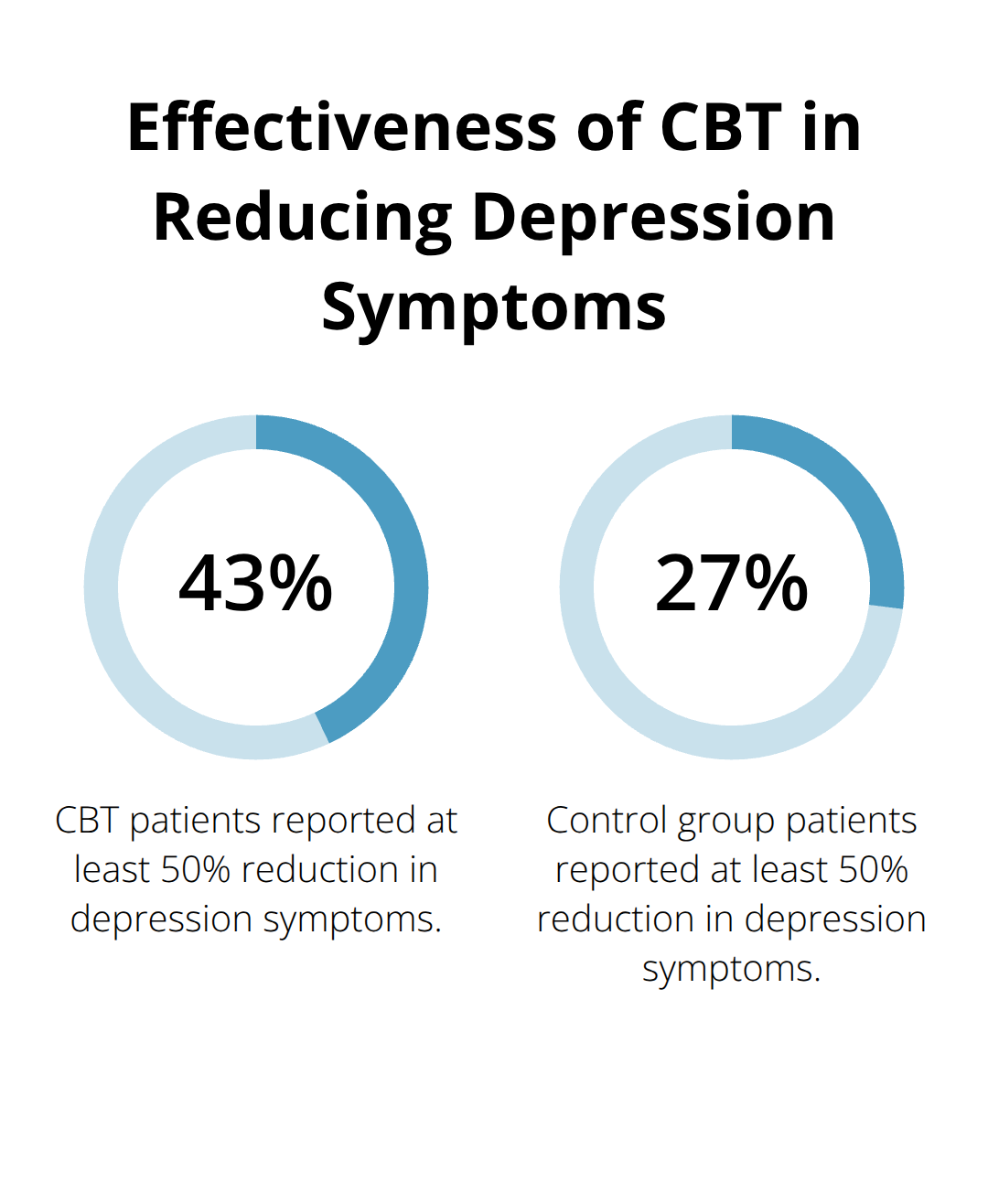
CBT forms the cornerstone of OCD treatment. This therapy helps patients identify and challenge their obsessive thoughts, reducing their power over time. A long-term study found that 43% of patients who received CBT reported at least a 50% reduction in depression symptoms over 46 months, compared to 27% in the control group.
In CBT sessions, patients learn to:
- Recognize obsessive thoughts
- Develop coping strategies
- Face feared situations without engaging in compulsions
Exposure and Response Prevention (ERP)
ERP, a specific type of CBT, proves particularly effective for OCD. This technique exposes patients to their obsessive thoughts or feared situations while preventing the accompanying compulsive behaviors.
For example, a patient with contamination fears might touch a doorknob (exposure) but refrain from washing their hands immediately after (response prevention). This process helps reduce anxiety and break the cycle of obsessions and compulsions over time.
Medication Options
While therapy forms the foundation of OCD treatment, medication plays a vital role for many patients. Selective Serotonin Reuptake Inhibitors (SSRIs) top the list of commonly prescribed medications for OCD.
SSRIs increase serotonin levels in the brain, which can help reduce obsessive thoughts and compulsive behaviors. The FDA has approved several SSRIs for OCD treatment including Prozac, Zoloft, Paxil, and clomipramine.
Medication effects typically take 8-12 weeks to fully manifest. Patience and close monitoring by a psychiatrist prove essential during this period.
Combining Treatments for Optimal Results
A combination of CBT, ERP, and medication often yields the best results. Patients in Coral Gables and surrounding areas benefit from personalized treatment plans that combine these effective strategies. OCD can significantly impact daily life, but with the right approach, patients can find relief and regain control.
Now that we’ve explored effective management strategies for OCD, let’s turn our attention to ADHD. The next section will discuss proven techniques to manage ADHD symptoms and improve daily functioning.
Miami psychiatry offers comprehensive treatment options for individuals struggling with OCD and other mental health conditions.
How to Manage ADHD Symptoms Effectively
Master Time Management
One of the most effective ways to control ADHD symptoms involves improved time management. The Pomodoro Technique has shown remarkable results for individuals with ADHD. This method involves working in focused bursts, followed by short breaks. It can help reduce overwhelm, improve focus, and support neurodivergent productivity.
To implement this technique:
- Choose a task
- Set a timer for 25 minutes
- Work on the task until the timer rings
- Take a 5-minute break
- Repeat the process
After four “pomodoros,” take a longer 15-30 minute break. This structured approach helps maintain focus and prevents burnout (two common challenges for individuals with ADHD).
Harness the Power of Mindfulness
Mindfulness practices have shown promising results in controlling ADHD symptoms. Research suggests that mindfulness may improve ADHD symptoms, executive function, problematic behaviors, and emotional dysregulation.
Start with short, daily mindfulness exercises. Even five minutes of focused breathing can make a difference. The Headspace app offers guided meditations specifically designed for individuals with ADHD (users report improved focus and reduced anxiety after consistent use).
Utilize Medication as a Valuable Tool
While lifestyle changes are important, medication often plays a vital role in managing ADHD symptoms. Stimulant medications like methylphenidate and amphetamines are the most commonly prescribed and have shown effectiveness in about 70-80% of patients, according to the National Institute of Mental Health.
Non-stimulant medications such as atomoxetine and guanfacine are also options, particularly for those who don’t respond well to stimulants. These medications work differently and may take longer to show effects, but they can be equally effective for some individuals.
It’s important to note that a qualified psychiatrist should always prescribe and monitor medication. In Coral Gables, many patients find comprehensive medication management services that ensure each individual receives the most appropriate and effective treatment.
Implement Organizational Strategies
People with ADHD often struggle with organization. Try these strategies to improve your organizational skills:
- Use a planner or digital calendar to track appointments and deadlines
- Break large tasks into smaller, manageable steps
- Create a designated workspace free from distractions
- Use color-coding systems for files and notes
- Set reminders on your phone for important tasks
These techniques can help reduce overwhelm and improve productivity for individuals with ADHD in Miami psychiatry and surrounding areas.

Prioritize Physical Exercise
Regular physical activity can significantly improve ADHD symptoms. A study published in the Journal of Neural Transmission found that aerobic exercise improved attention, hyperactivity, and impulsivity in children with ADHD.
Try to incorporate at least 30 minutes of moderate exercise into your daily routine. This could include activities like:
- Jogging in Coconut Grove
- Swimming at Key Biscayne
- Cycling through Pinecrest
- Taking a dance class in Brickell
Physical exercise not only helps manage ADHD symptoms but also promotes overall health and well-being.
Final Thoughts
OCD and ADHD management requires personalized strategies. Effective techniques include Cognitive Behavioral Therapy, time management tools, and mindfulness practices. Medication, when prescribed by a qualified psychiatrist, can also play a significant role in symptom control.
Professional help proves invaluable for creating tailored treatment plans for OCD and ADHD. Our team at Equilibrium Mental Health Services in Coral Gables specializes in evidence-based approaches to improve your quality of life. We use these methods to help you navigate your symptoms and achieve better mental health.
If you struggle with OCD, ADHD, or both, don’t face these challenges alone. Our caring professionals at Equilibrium Mental Health Services stand ready to support you on your journey towards improved mental well-being. Take the first step today and contact us to start your path to a healthier, more fulfilling life.


