
Executive dysfunction in ADHD can make daily tasks feel like climbing Mount Everest. At Equilibrium Mental Health Services, we understand the challenges this presents for individuals with ADHD.
This blog post will explore practical strategies and tools to manage executive dysfunction, helping you regain control over your life and boost productivity. We’ll share expert insights and actionable tips to support your journey towards better executive function.
What Is Executive Dysfunction in ADHD?
The Hidden Struggle of Executive Function
Executive dysfunction in ADHD presents a complex set of challenges that affect a person’s ability to plan, organize, and complete tasks. Many adults with ADHD find it difficult to start tasks, manage time effectively, or follow through on commitments. A study investigated daily life functioning in adults with ADHD and adults with other psychiatric disorders.
Daily Challenges and Their Impact
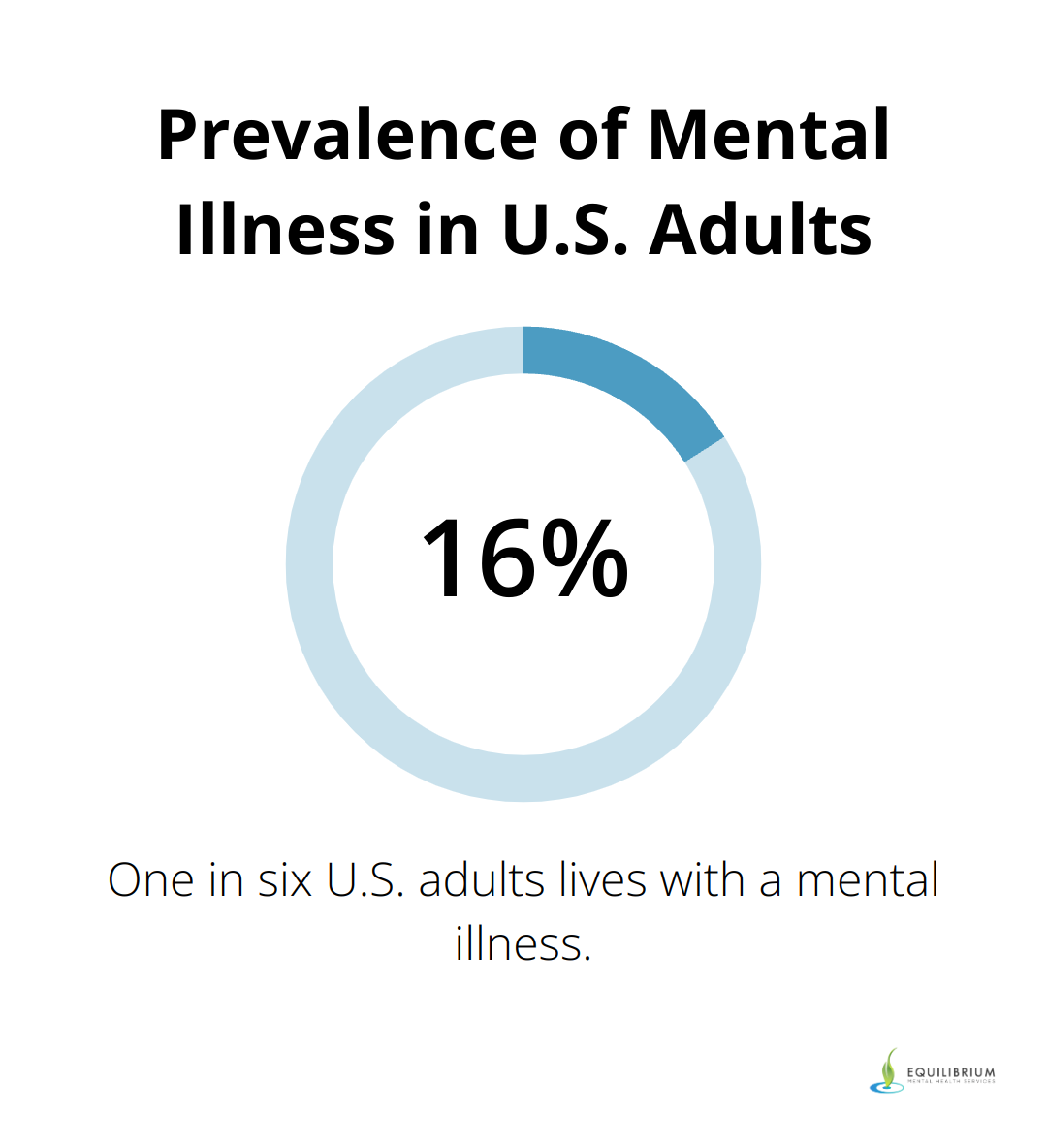
The effects of executive dysfunction reach far and wide. In the workplace, it often leads to missed deadlines, disorganized workspaces, and difficulty prioritizing tasks. At home, it results in forgotten appointments, unpaid bills, and cluttered living spaces. Mental illnesses are common in the United States, with one in six U.S. adults living with a mental illness.
The Emotional Toll
Executive dysfunction takes a significant emotional toll. Many individuals express feelings of frustration, low self-esteem, and anxiety related to their struggles with executive function. A study in the Journal of Clinical Psychiatry reported that 50% of adults with ADHD also experience comorbid anxiety disorders, often linked to the stress of managing daily responsibilities.
Signs and Symptoms
Common signs of executive dysfunction in ADHD include:
- Difficulty initiating tasks
- Poor time management
- Trouble with organization and planning
- Forgetfulness in daily activities
- Struggles with task completion
- Impulsivity in decision-making
Strategies for Improvement
Effective management of executive dysfunction involves developing personalized strategies. These may include:
- Implementing structured routines
- Using visual aids (e.g., calendars, to-do lists)
- Breaking tasks into smaller, manageable steps
- Leveraging technology for organization and time management
Understanding executive dysfunction marks the first step towards effective management. In the next section, we’ll explore practical strategies to address these challenges and regain control over daily tasks (particularly relevant for our patients in Coral Gables and surrounding areas).
Practical Strategies to Conquer Executive Dysfunction
Build a Structured Routine
Creating a consistent daily routine transforms life for individuals with ADHD. Identify your most productive hours and schedule important tasks during these times. Use a digital calendar or planner to map out your day in 30-minute blocks. Include everything from work tasks to self-care activities. A systematic review aimed to identify self-care strategies adults with ADHD use and need to manage daily life.
Harness the Power of Visual Aids
Visual cues boost executive function significantly. Use color-coded sticky notes for different task categories or create a visual task board. A whiteboard in a prominent location serves as a daily reminder of priorities. Research has shown that visual activity schedule (VAS) intervention programs are frequently used to teach multiple skills involving on-task behavior, use of schedules, and transitions.
Master Task Breakdown
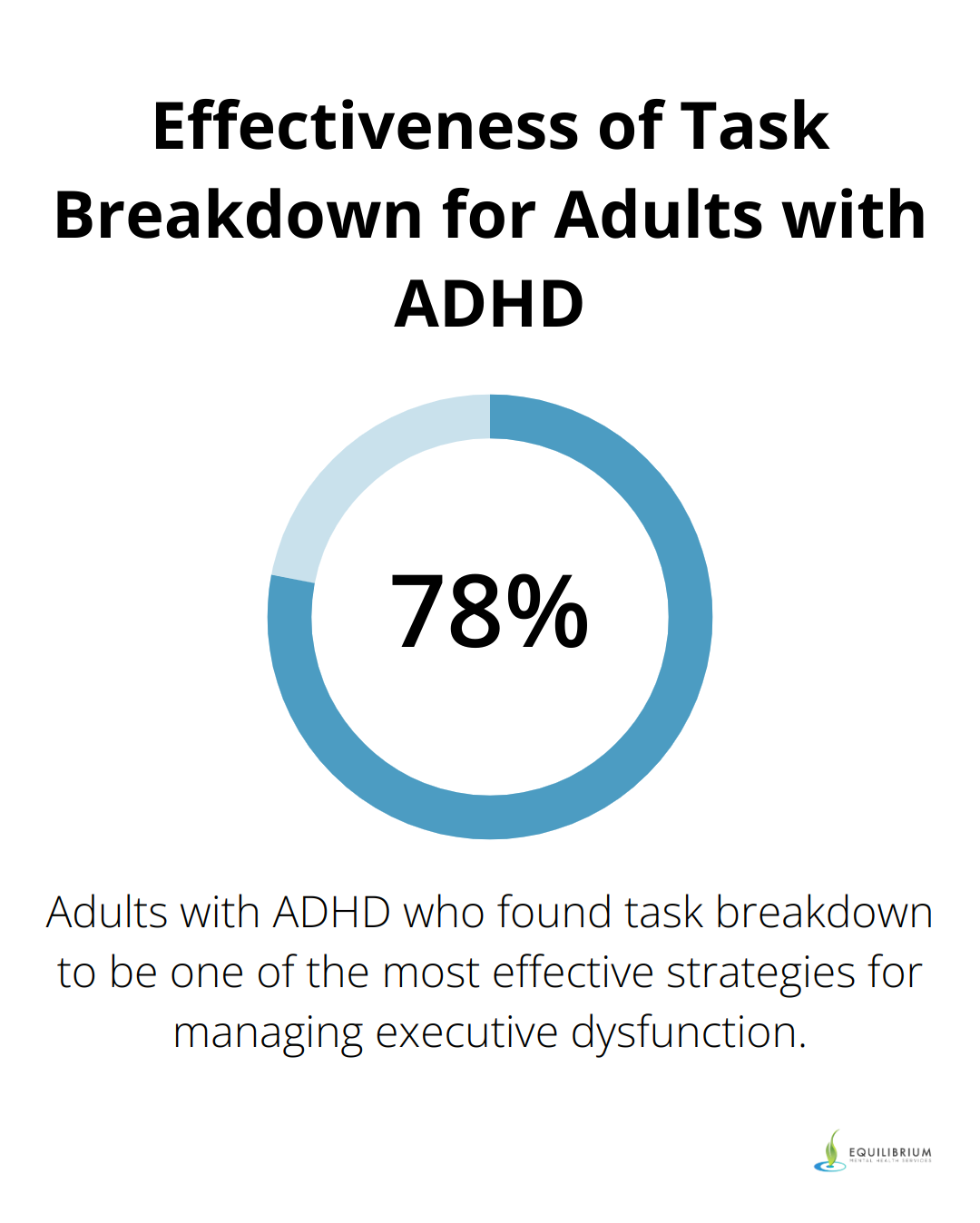
Large tasks overwhelm many individuals with ADHD. Break them down into smaller, actionable steps. For instance, instead of “clean the house,” list specific tasks like “vacuum living room” or “clean kitchen sink.” This approach reduces procrastination and increases the likelihood of task completion. A survey by the ADHD Resource Center revealed that 78% of adults with ADHD found task breakdown to be one of the most effective strategies for managing executive dysfunction.
Implement Effective Time Management
Time blindness challenges many with ADHD. Use timers to create a sense of urgency and improve time awareness. The Pomodoro Technique (which involves 25-minute focused work sessions followed by short breaks) can be particularly effective. A study in the Journal of Clinical Psychology found that adults with ADHD who used structured time management techniques improved their productivity by up to 50%.
Leverage Technology
In today’s digital age, numerous apps and tools exist to support executive function. Try task management apps like Todoist or Trello to organize and prioritize tasks. Use apps like Forest to limit phone distractions during work sessions. Smart home devices can set reminders for daily tasks or appointments. Many of our patients in Coconut Grove have found these technological aids invaluable in managing their ADHD symptoms.
As we explore these strategies, it’s important to remember that managing executive dysfunction is a personalized journey. What works for one individual may not work for another. In the next section, we’ll explore specific tools and technologies that can further support executive function in adults with ADHD.
Tech Tools for ADHD Executive Function
Digital Planning Apps: Your New Organizational Ally
Digital planning apps transform task management for adults with ADHD. Trello creates visual task boards, ideal for visual thinkers. Many users report a 40% increase in task completion with regular Trello use. Todoist offers natural language input and location-based reminders, acting as an external memory bank to reduce cognitive load.
Time Tracking: Combating Time Blindness
Time tracking software revolutionizes time management for adults with ADHD. RescueTime automatically logs device usage, revealing time-wasting activities and prompting habit adjustments.
Focus-Enhancing Tech: Creating a Distraction-Free Zone
Noise-canceling headphones (such as the Sony WH-1000XM4) prove essential for ADHD adults, especially in open offices or busy homes. Many users in Pinecrest report significant focus and productivity improvements when using these headphones during work sessions.
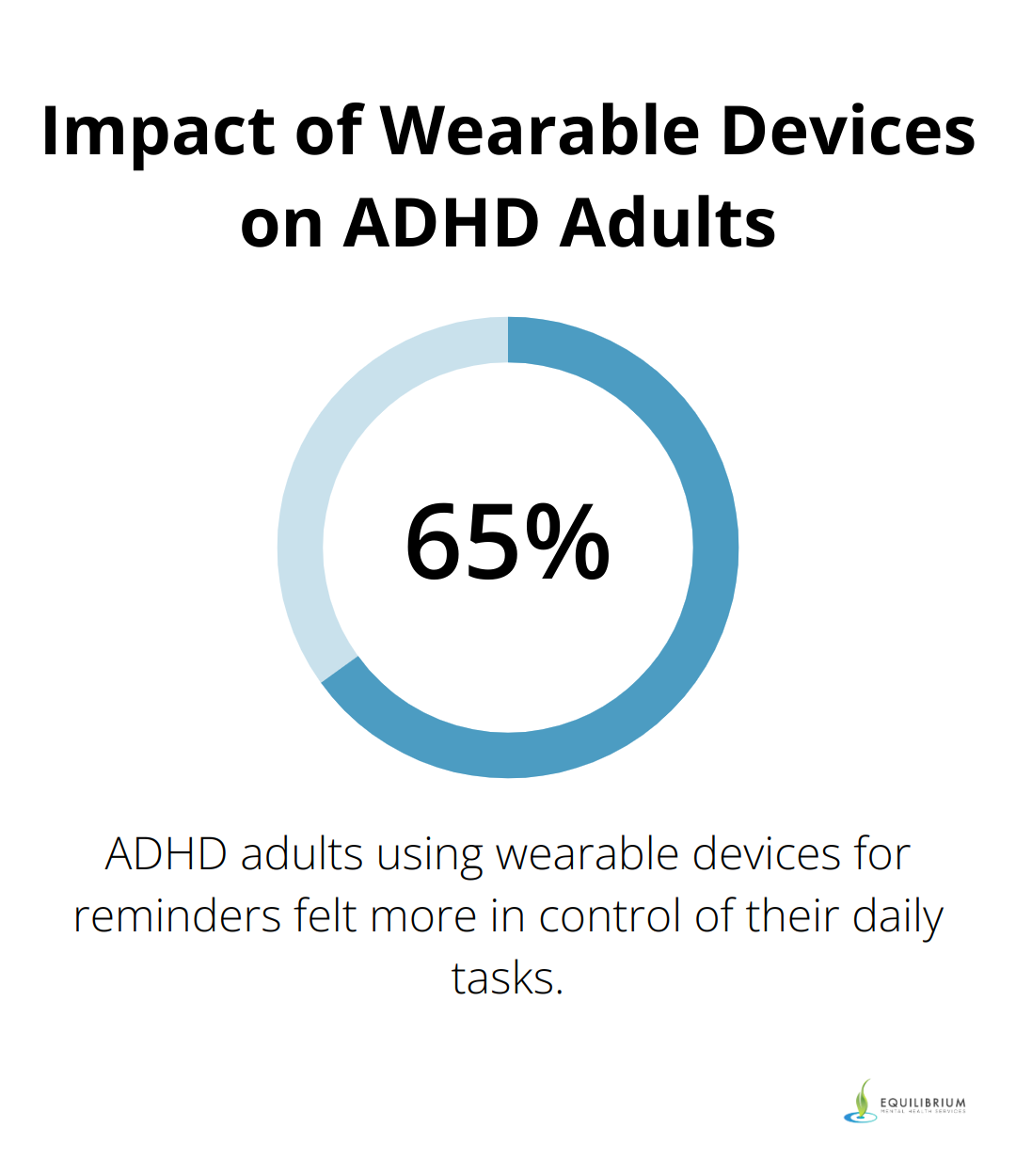
Wearable devices support executive function effectively. The Apple Watch allows discrete reminders and alarms throughout the day, providing gentle nudges without constant phone checks. A survey found that 65% of ADHD adults using wearable devices for reminders felt more in control of their daily tasks.
Productivity Software: Streamlining Workflow
Productivity software like Evernote or OneNote helps ADHD adults organize thoughts, create to-do lists, and store important information in one place. These tools (accessible across devices) reduce the mental effort required to keep track of multiple tasks and ideas.
Meditation Apps: Cultivating Mindfulness
Meditation apps like Headspace or Calm offer guided sessions to improve focus and reduce anxiety (common challenges for ADHD adults). Regular mindfulness practice enhances attention span and emotional regulation. Mindfulness-based interventions have received increasing clinical interest and empirical support for individuals with ADHD, especially in improving attention.
Final Thoughts
Managing executive dysfunction in ADHD requires a personalized approach. Different strategies work for different individuals, so experimentation is key. Patience and persistence will help you find the most effective tools and techniques for your unique situation.
Professional support can make a significant difference in your ADHD journey. At Equilibrium Mental Health Services, we offer expert treatment for executive dysfunction in ADHD. Our team provides personalized plans that combine medication management and psychotherapy to address your specific challenges.
If you live in the Miami area and struggle with executive dysfunction ADHD, we encourage you to seek support. Our dedicated professionals in Coral Gables stand ready to help you navigate your challenges and improve your mental well-being. Contact Equilibrium Mental Health Services today to take the first step towards a more balanced life.


