
Depression affects over 21 million American adults annually, making effective treatment options more important than ever. Zoloft stands as one of the most prescribed antidepressants, helping millions manage their symptoms successfully.
At Equilibrium Mental Health Services, we see firsthand how proper medication management transforms lives. Understanding what to expect from depression and Zoloft treatment helps patients make informed decisions about their mental health journey.
What Makes Zoloft Effective for Depression
The Science Behind Zoloft
Zoloft contains sertraline, an SSRI that blocks serotonin reuptake in brain synapses. This mechanism increases available serotonin levels and directly addresses the chemical imbalances that contribute to depressive symptoms. The FDA approved Zoloft in 1991 after extensive clinical trials demonstrated its effectiveness across diverse patient populations.
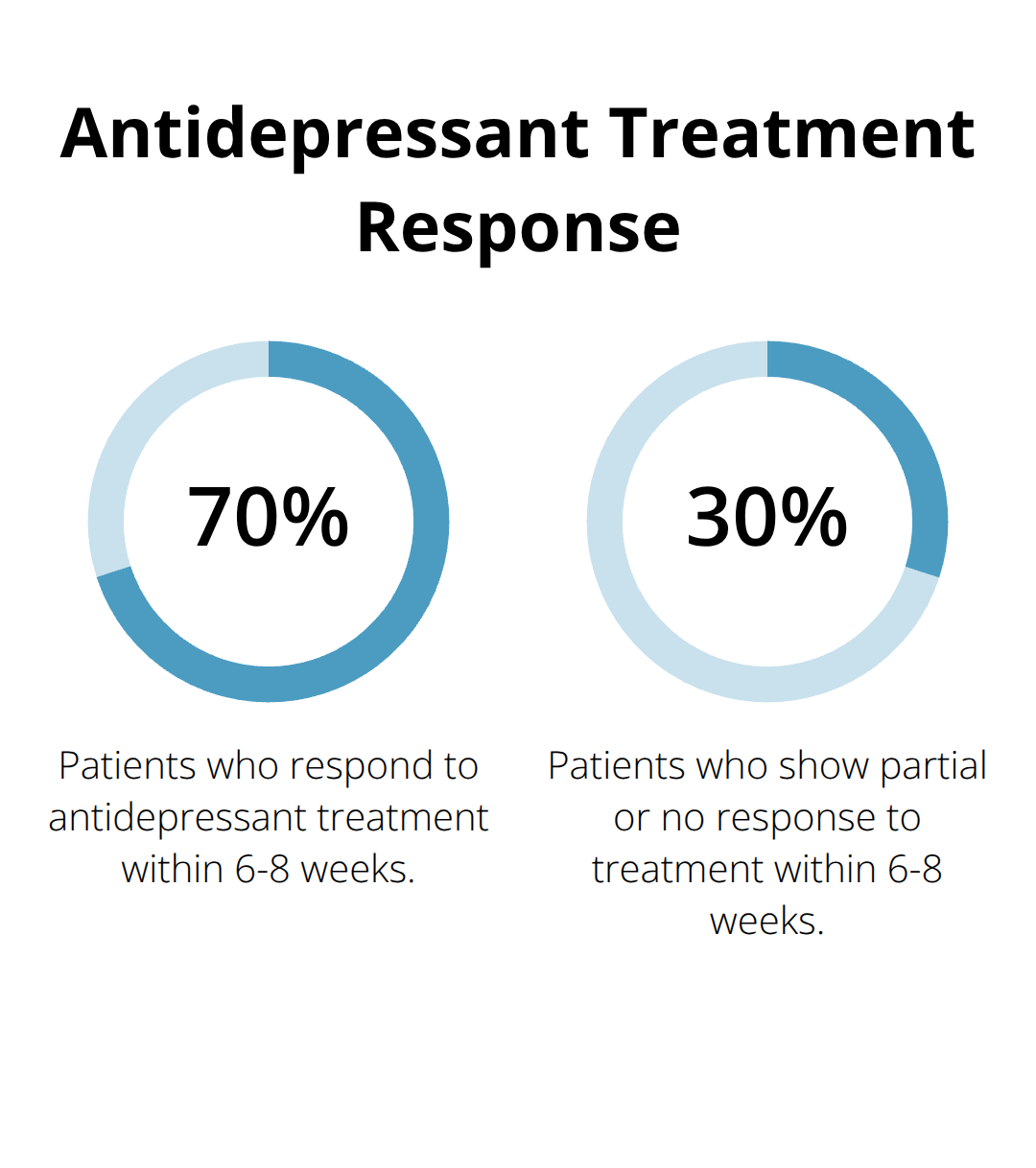
Over 30 million Americans receive Zoloft prescriptions annually, which makes it one of the most trusted depression treatments available. Clinical studies show that while patients with major depression respond to antidepressant treatment, 10-30% do not improve or show only partial response within 6-8 weeks of consistent treatment.
Standard Dosage Protocols
Most patients begin with 50mg daily, though some may start at 25mg to minimize initial side effects. Your psychiatrist may increase the dose to 100mg or 150mg based on your response and tolerance. The maximum daily dose rarely exceeds 200mg for depression treatment (with most patients finding relief at lower doses).
Treatment Timeline and Expectations
Expect gradual improvement rather than immediate results. Most patients notice subtle mood changes within 2-3 weeks, with substantial benefits that emerge after 4-6 weeks of consistent use. Full therapeutic effects typically develop by week 8-12.
This timeline requires patience, but the gradual improvement often leads to more stable, lasting results than medications with faster onset times. The steady progression helps your brain adapt to the chemical changes while minimizing potential side effects.
Understanding what happens when you start Zoloft helps set realistic expectations for your treatment journey. Sertraline is also effective for treating other conditions like OCD and PTSD. For comprehensive mental health care, consider consulting with Miami psychiatry professionals who can provide personalized treatment plans.
What Happens in Your First Month on Zoloft
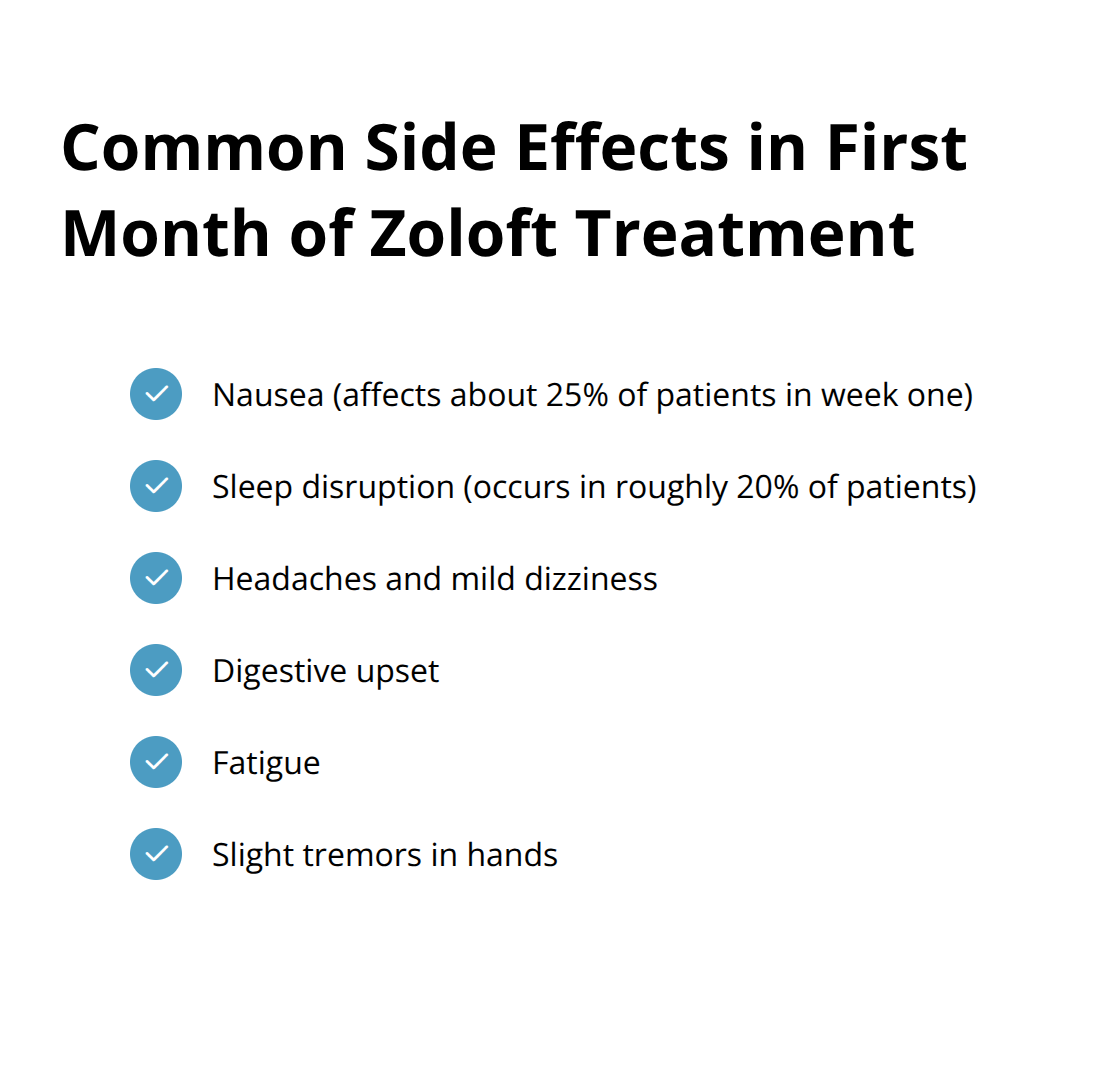
Zoloft produces predictable changes that most patients experience during their first 30 days. Nausea affects approximately 25% of patients during week one, but patients who take their dose with food reduce this significantly. Sleep disruption occurs in roughly 20% of patients, with some who experience initial insomnia while others feel drowsy. Headaches and mild dizziness typically resolve within 10-14 days as your body adjusts to increased serotonin levels.
Early Side Effects That Disappear Quickly
The most common initial effects include digestive upset, fatigue, and slight tremors in your hands. These symptoms peak during days 3-7 and diminish substantially by week three. Sexual side effects like decreased libido may persist longer than other initial symptoms. Dry mouth and increased perspiration are temporary for most people.
Mood Changes Follow a Clear Pattern
Your depression symptoms won’t improve immediately, which frustrates many patients. Expect subtle energy increases around day 10-14 before mood improvements become noticeable. Anxiety may temporarily worsen during the first two weeks as your brain chemistry adjusts. The FDA requires close observation during this period because patients under 25 face increased suicide risk during initial treatment phases.
Blood Work and Physical Checks You Need
Blood pressure checks become necessary if you experience dizziness or heart palpitations. Report any unusual bleeding, bruising, or skin changes immediately, as Zoloft increases bleeding risk when combined with blood thinners. Vision changes require urgent medical attention due to potential glaucoma complications.
What Your Doctor Tracks Weekly
Your psychiatrist monitors specific symptoms during month one to track both improvements and concerning changes. They assess sleep patterns, appetite changes, and energy levels at each appointment. Never stop Zoloft suddenly without medical supervision, as withdrawal symptoms include brain zaps, severe dizziness, and mood instability.
These initial weeks set the foundation for long-term success, but consistency and proper medical guidance from Miami psychiatry professionals make the difference between effective treatment and unnecessary struggles.
How to Make Zoloft Work Best
Take Your Medication at the Same Time Daily
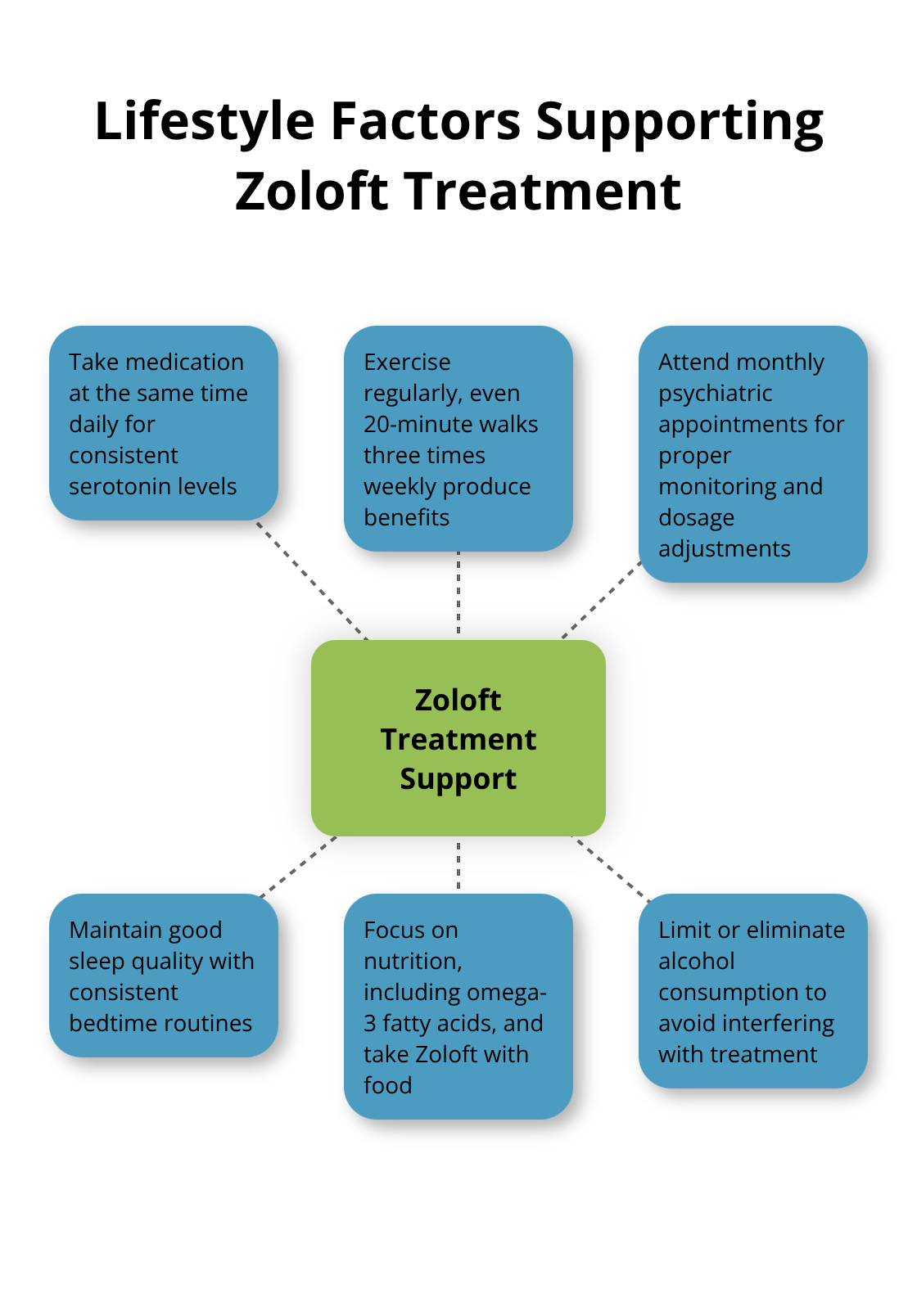
Consistency determines treatment success more than any other factor. Set a phone alarm and link your dose to an existing habit like morning coffee or evening dinner.
Missing doses creates serotonin fluctuations that trigger withdrawal symptoms and delay recovery. If you forget a dose, take it within 12 hours or skip it entirely rather than double up the next day. Your brain needs steady serotonin levels to maintain the chemical balance that reduces depression symptoms.
Exercise Amplifies Zoloft Effectiveness
Physical activity creates a powerful treatment approach when combined with medication. Even 20-minute walks three times weekly produce measurable benefits. Swimming and cycling prove particularly effective for patients in Miami and Coral Gables, where year-round outdoor activity remains possible. The combination of medication and physical activity addresses depression from multiple angles.
Cardiovascular exercise specifically increases brain-derived neurotrophic factor, which works with sertraline to promote neural growth. However, research shows that individuals who spend 480 minutes or more per day in sedentary activities face increased mental health risks.
Your Psychiatrist Must Monitor Progress Closely
Monthly appointments during the first three months allow your doctor to track symptom changes and adjust dosages appropriately. Patients who attend regular follow-ups achieve therapeutic levels faster than those who skip appointments. Report sleep changes, appetite shifts, and energy levels accurately rather than minimizing concerns.
Blood work every six months checks for sodium imbalances and liver function changes that affect medication processing (particularly important for patients over 65). Never adjust your dose independently, as even small changes can trigger mood instability or withdrawal symptoms that derail treatment progress. For professional psychiatric care, consider Miami psychiatry services.
Lifestyle Factors That Support Treatment
Sleep quality directly impacts how well Zoloft works in your system. Maintain consistent bedtime routines and avoid caffeine after 2 PM to prevent sleep disruption. Alcohol interferes with serotonin function and can worsen depression symptoms, so limit consumption or eliminate it completely during treatment.
Nutrition plays a supporting role in medication effectiveness. Take Zoloft with food to reduce nausea, and maintain regular meal times to stabilize blood sugar levels. Omega-3 fatty acids from fish or supplements may enhance antidepressant effects (though research remains preliminary on this connection). Zoloft also helps treat other conditions like OCD and PTSD, making it a versatile medication for various mental health challenges.
Final Thoughts
Zoloft represents a proven solution for depression and Zoloft treatment works effectively for over 30 million Americans each year. The medication restores serotonin balance and provides lasting relief when patients combine it with consistent medical supervision and healthy lifestyle choices. Professional psychiatric care forms the foundation of successful treatment outcomes.
Regular monitoring prevents complications, optimizes doses, and addresses side effects before they interfere with recovery. The gradual improvement timeline requires patience, but patients who work closely with their psychiatrists achieve better outcomes than those who attempt self-management. We at Equilibrium Mental Health Services understand that depression affects every aspect of your life (and we provide comprehensive psychiatric care that includes medication management and personalized treatment plans).
Professional help can make the difference between continued suffering and meaningful recovery for those who struggle with depression symptoms. Contact Equilibrium Mental Health Services today to speak with our experienced psychiatric team. We can help you begin your journey toward improved mental well-being through expert care and support.


