
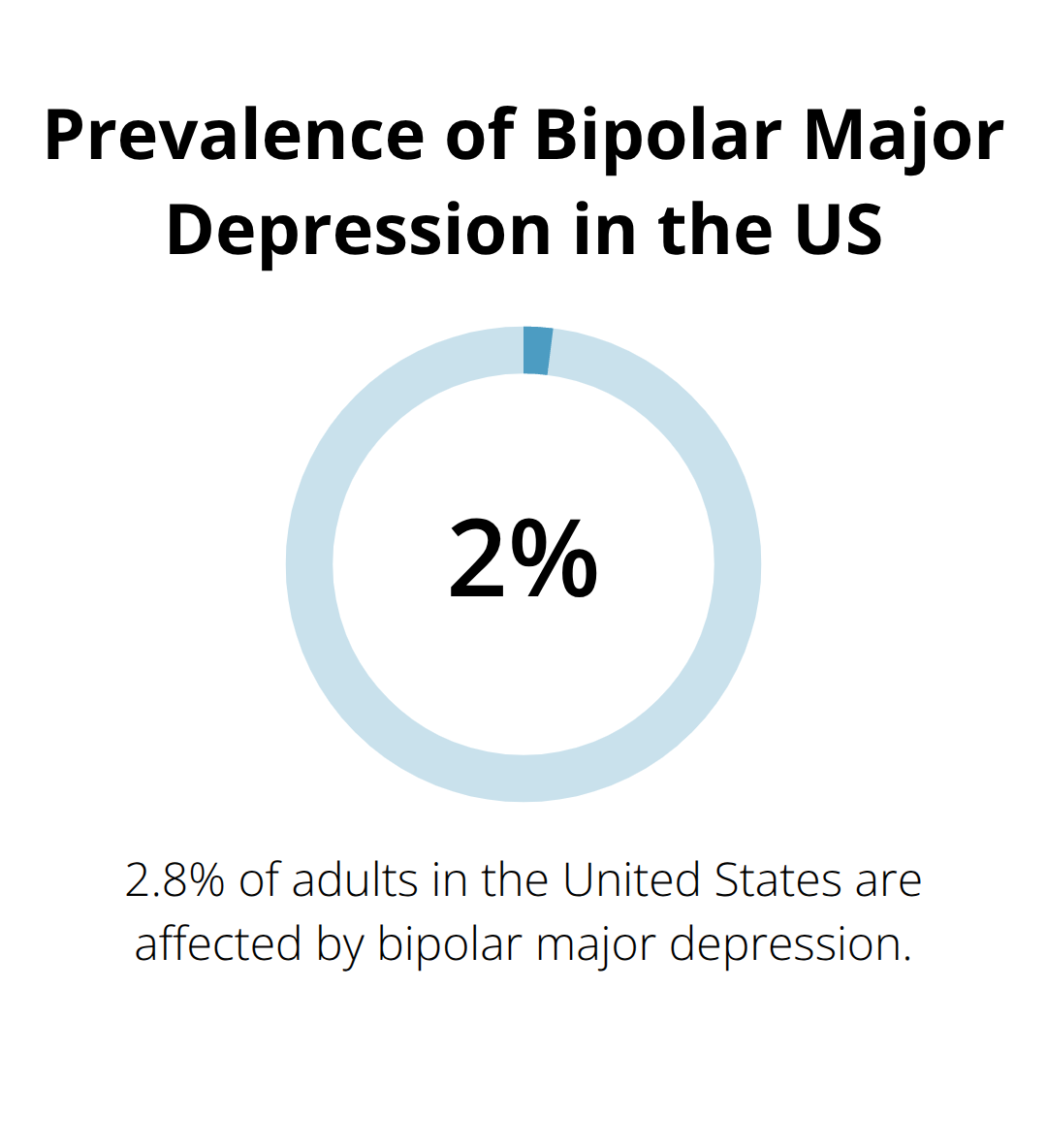
Bipolar major depression affects over 2.8% of adults in the United States, creating unique challenges that differ significantly from standard depression. The condition involves intense depressive episodes alternating with manic or hypomanic periods.
We at Equilibrium Mental Health Services understand that managing this complex mental health condition requires specialized treatment approaches and ongoing support. Effective management combines medication, therapy, and lifestyle strategies tailored to each person’s specific needs.
What Makes Bipolar Depression Different from Unipolar Depression
Key Differences That Shape Treatment
Bipolar depression operates through three distinct mechanisms that separate it from regular depression. People with bipolar depression experience mood episodes with a median duration of 4.2 months, but these episodes alternate with manic or hypomanic periods that completely alter brain chemistry. Standard antidepressants can trigger dangerous manic episodes in bipolar patients, which makes medication selection far more complex than treating unipolar depression. The depressive symptoms often include psychomotor agitation and racing thoughts, unlike the typical mental and physical slowing seen in unipolar depression.
Physical and Emotional Warning Signs
Sleep disturbances appear first in most cases. Patients either sleep 12+ hours daily or experience severe insomnia for weeks at a time. Cognitive symptoms include difficulty with concentration at work, memory problems, and indecisiveness that affects daily tasks. Physical symptoms manifest as either extreme fatigue or restless energy, appetite changes that lead to significant weight fluctuations (often 10+ pounds within weeks), and unexplained aches throughout the body.
Emotional symptoms include overwhelming guilt, feelings of worthlessness, and in severe cases, suicidal ideation that requires immediate intervention. These symptoms often appear more intense than those seen in unipolar depression and can shift rapidly between episodes.
Impact on South Florida Communities
The condition significantly disrupts work performance, with 40-50% of employed adults with bipolar disorder experiencing a decline in job status and income during episodes. Family relationships suffer as mood unpredictability creates tension and misunderstandings that strain household dynamics. Social isolation increases as people withdraw from activities they previously enjoyed, particularly affecting tight-knit communities in areas like Coral Gables and Coconut Grove where social connections provide vital mental health support.
These community impacts highlight why specialized treatment approaches become necessary for effective long-term management of bipolar depression. Professional support from Miami psychiatry specialists can provide the comprehensive care needed for optimal outcomes.
Treatment Approaches for Bipolar Major Depression
Medication Management Forms the Foundation
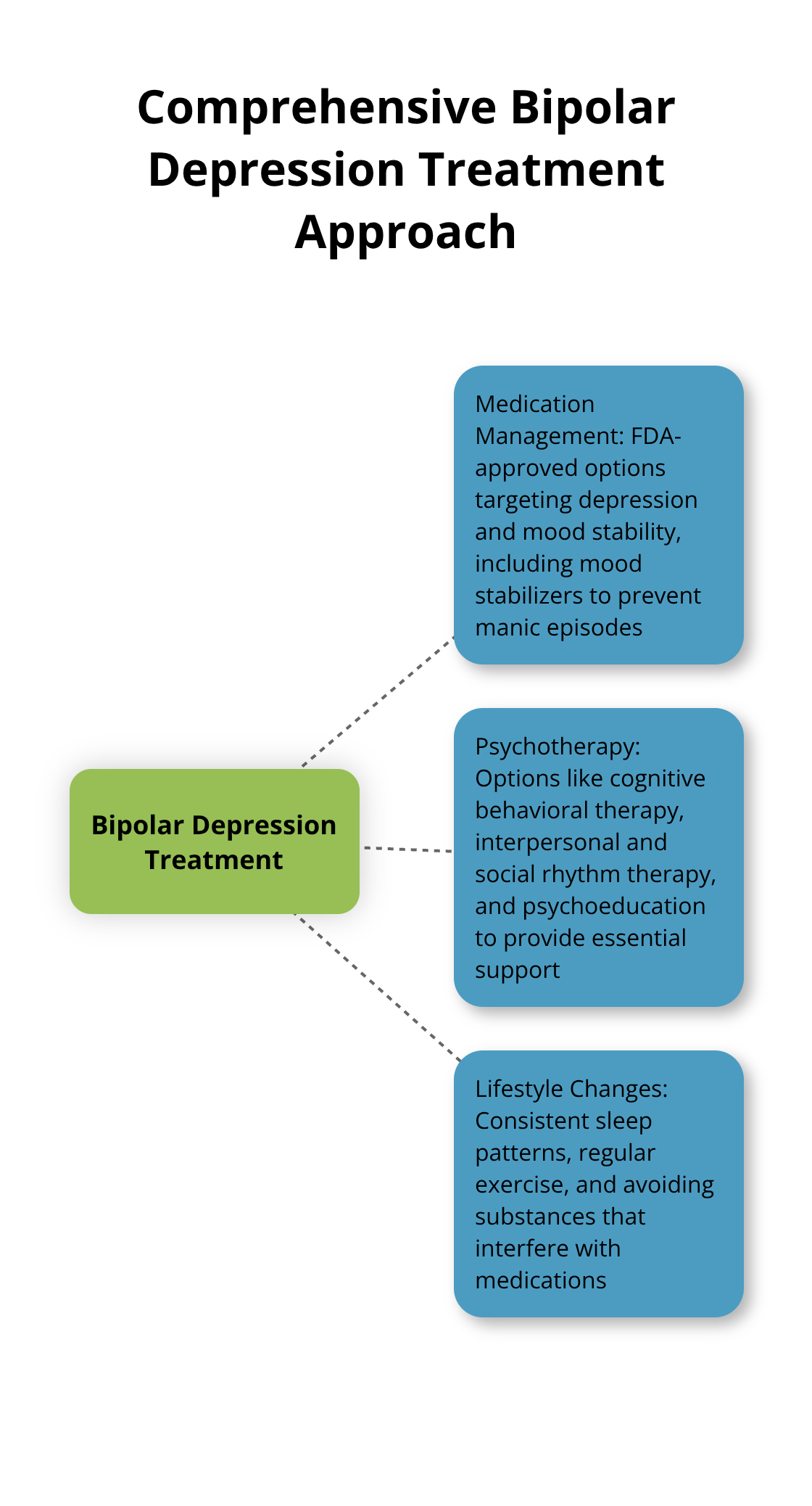
Effective treatment for bipolar major depression requires three specific interventions that work together rather than in isolation. Medication management forms the foundation, with FDA-approved options that target both depression and mood stability. Olanzapine plus fluoxetine combination shows significant symptom reduction in clinical trials, while quetiapine demonstrates effectiveness for both depression and anxiety (with 2008 approval data that supports its use). Lurasidone offers similar efficacy with lower weight gain risks compared to older medications, and lithium provides long-term suicide risk reduction though it requires careful side effect monitoring.
Mood stabilizers like lithium and divalproex sodium prevent the dangerous manic episodes that standard antidepressants can trigger. These medications serve as essential components rather than optional additions to treatment plans.
Psychotherapy Options Provide Essential Support
Cognitive behavioral therapy produces measurable results for bipolar depression, with studies that show decreased relapse rates and improved long-term well-being when combined with medication. Interpersonal and social rhythm therapy specifically targets the sleep and routine disruptions that trigger episodes, while psychoeducation helps patients recognize early warning signs before full episodes develop.
Daily mood charts allow both patients and clinicians to identify triggers and adjust treatment plans quickly. These structured approaches create accountability and awareness that many patients find invaluable for long-term stability.
Lifestyle Changes Create Lasting Impact
Sleep consistency becomes non-negotiable, with 7-9 hours at fixed times that reduce episode frequency according to research data. Regular exercise like swimming or jogging can reduce depressive symptoms, while patients must avoid alcohol and recreational drugs to prevent medication interference.
These lifestyle modifications often lead to treatment failure when ignored, particularly in communities throughout Coral Gables and surrounding areas where social activities may involve substances that interfere with psychiatric medications. For comprehensive care, consider consulting with Miami psychiatry specialists who understand these local challenges.
The next step involves recognizing when these treatment approaches need immediate adjustment during active episodes.
Managing Bipolar Depression Episodes
Spot Physical Changes First
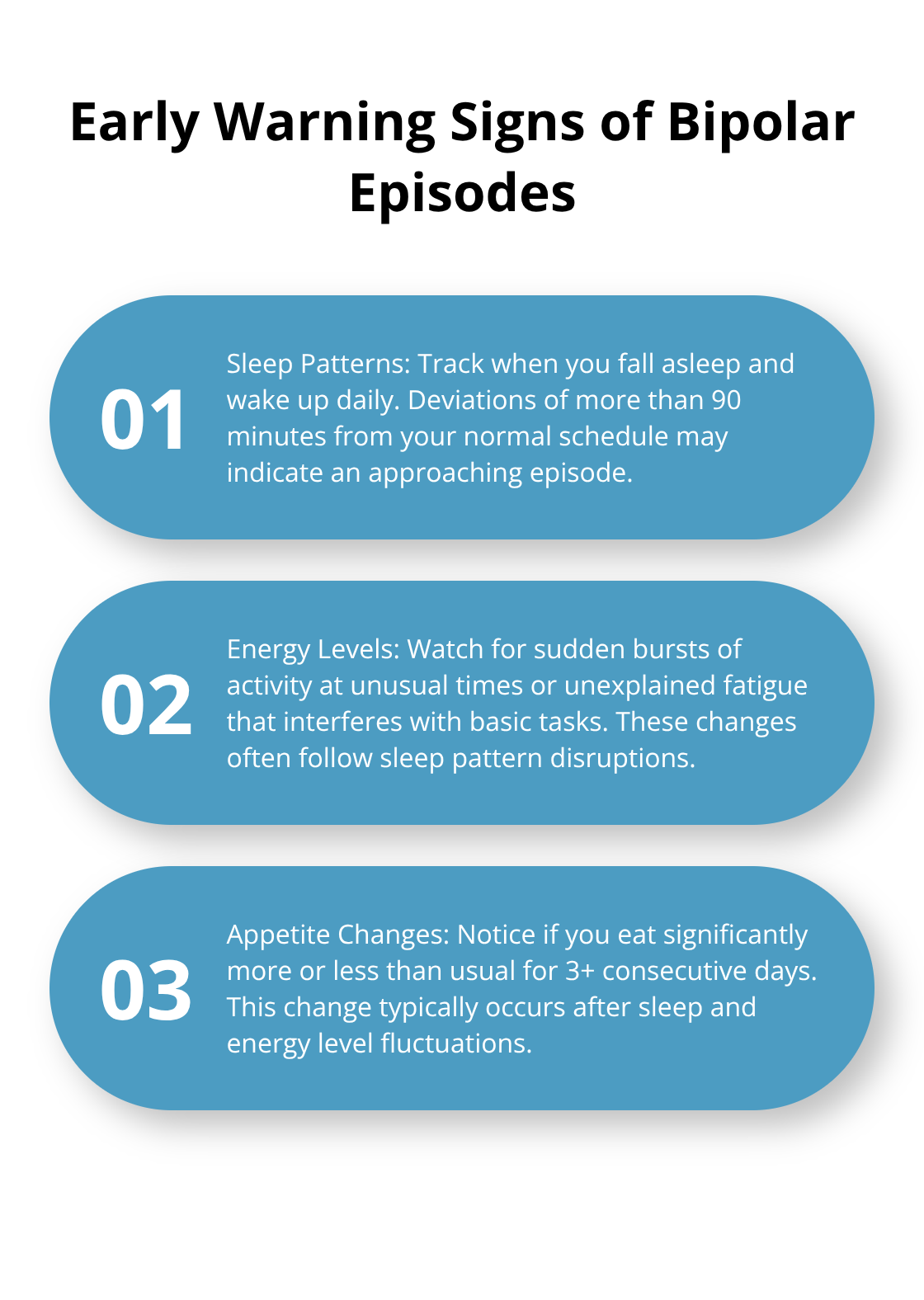
Write these observations in a daily mood chart and note specific times and circumstances. Share this data with your treatment team immediately when patterns emerge. More than 90% of individuals who have a manic episode proceed to develop recurrent mood episodes and about 60% of manic episodes occur immediately before a depressive episode.
Create Your Emergency Response System
Develop a written crisis plan that includes three emergency contacts, your psychiatrist’s after-hours number, and the 988 Suicide and Crisis Lifeline. List your current medications, dosages, and any recent changes. Include specific instructions for family members about when to intervene (such as removing car keys during manic episodes or scheduling immediate appointments during severe depression).
Store copies in your phone, wallet, and with trusted contacts in Miami or surrounding areas. Establish relationships with local support groups through the Depression and Bipolar Support Alliance before you need them. Regular group attendance creates connections that provide rapid assistance during episodes.
Build Your Support Network
Schedule weekly check-ins with family members or close friends who understand your condition and can recognize changes you might miss. These relationships become lifelines when your judgment becomes impaired during acute episodes. Choose people who live nearby in areas like Coral Gables or Coconut Grove for quick response times.
Train your support network to recognize your specific warning signs and give them permission to contact your healthcare provider when necessary. This proactive approach prevents episodes from reaching crisis levels and maintains your safety during vulnerable periods. Consider working with Miami psychiatry professionals who specialize in bipolar disorder management.
Final Thoughts
Bipolar major depression requires professional expertise that extends beyond general mental health care. The complex interaction between depressive episodes and manic periods demands specialized treatment protocols that only trained psychiatrists can provide safely. Without proper medical supervision, patients face increased risks of medication-induced mania, treatment resistance, and dangerous symptom escalation.
We at Equilibrium Mental Health Services provide evidence-based psychiatric care specifically designed for bipolar disorder management. Our team offers both medication management and psychotherapy, creating personalized treatment plans that address your unique symptoms and circumstances. We understand the challenges that face individuals throughout Miami and surrounding communities (providing the specialized support needed for long-term stability).
Taking the first step toward professional treatment can feel overwhelming, but you don’t have to navigate this journey alone. Our dedicated professionals commit to help you achieve balance and build the coping strategies necessary for sustained recovery. Contact Equilibrium Mental Health Services today to speak with a caring professional who understands bipolar major depression and can guide you toward effective treatment options tailored to your specific needs.


