
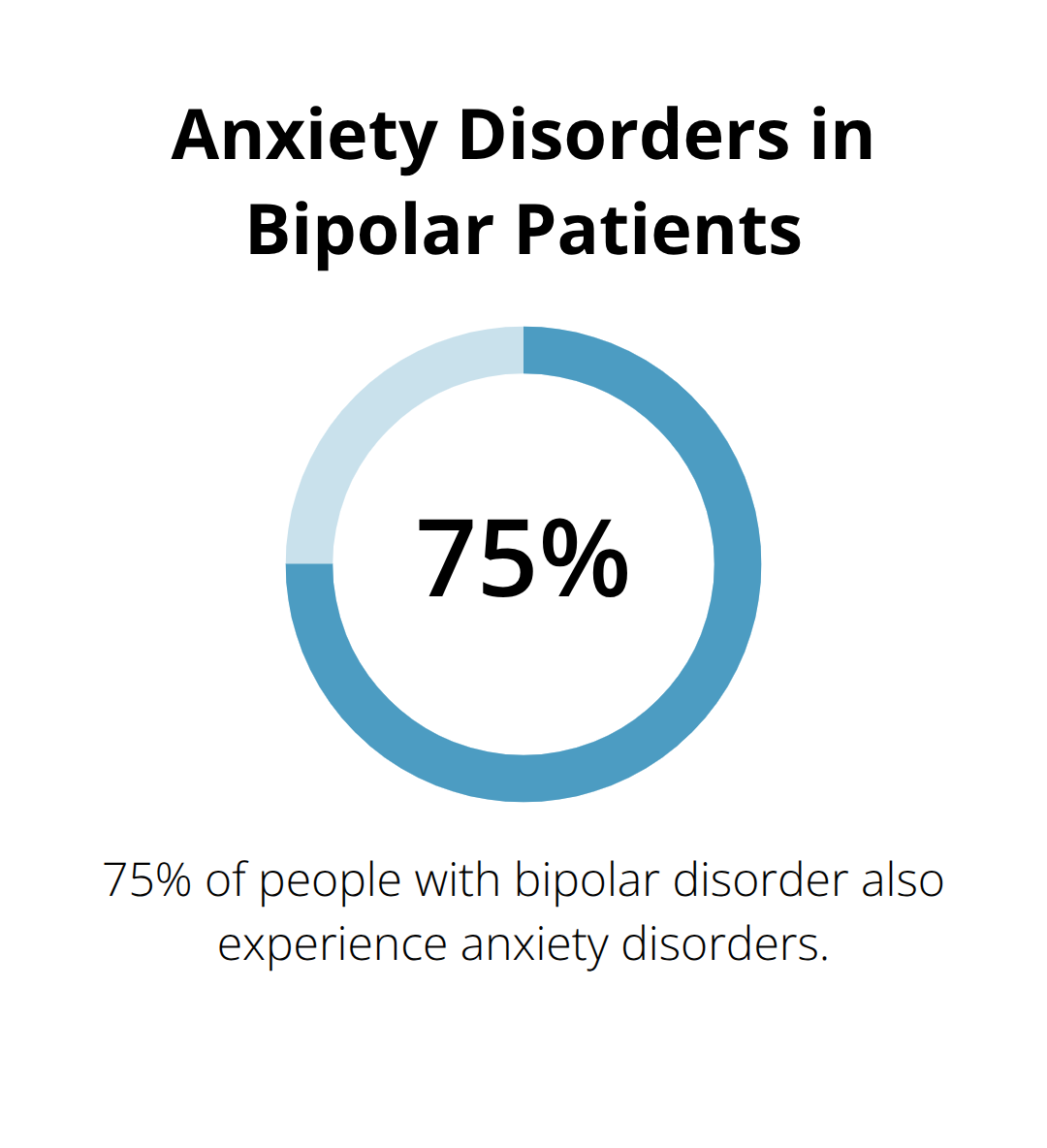
Living with anxiety and bipolar depression creates unique challenges that require specialized management strategies. Research shows that up to 75% of people with bipolar disorder also experience anxiety disorders.
We at Equilibrium Mental Health Services understand how these conditions interact and compound daily struggles. The right combination of professional treatment and practical techniques can significantly improve your quality of life.
Why Do Anxiety and Bipolar Depression Occur Together
Anxiety and bipolar depression share neurobiological pathways that make their co-occurrence almost inevitable. Research shows that triggers for mania include brain stimulation, energy drinks, acetyl-l-carnitine, St. John’s wort, seasonal changes, hormonal changes and viral infections. This overlap happens because both conditions affect similar brain regions responsible for emotional regulation and stress response.
Mixed States Create Peak Anxiety
Mixed episodes represent the most anxiety-provoking phase of bipolar disorder. During these periods, depressive and manic symptoms occur simultaneously, which creates internal chaos that manifests as severe anxiety. Research shows mixed states respond better to anticonvulsants and atypical antipsychotics than lithium, which indicates distinct treatment needs. Patients who experience pure mania report lower anxiety levels, but mixed states amplify distress significantly. These episodes often emerge from long-term antidepressant use, which makes medication history vital for effective treatment plans.
Physical Symptoms Overlap Dangerously
The distinction between anxiety and bipolar mood swings requires examination of specific symptom patterns. Anxiety typically produces racing thoughts about specific threats, while manic episodes generate grandiose or unrealistic thoughts. Heart palpitations during anxiety focus on immediate fear, whereas bipolar-related physical symptoms connect to mood elevation or depression. Sleep disruption differs too – anxiety causes worry-based insomnia, while bipolar episodes create either decreased sleep need during mania or excessive sleep during depression.
Statistical Evidence Shows Strong Connection
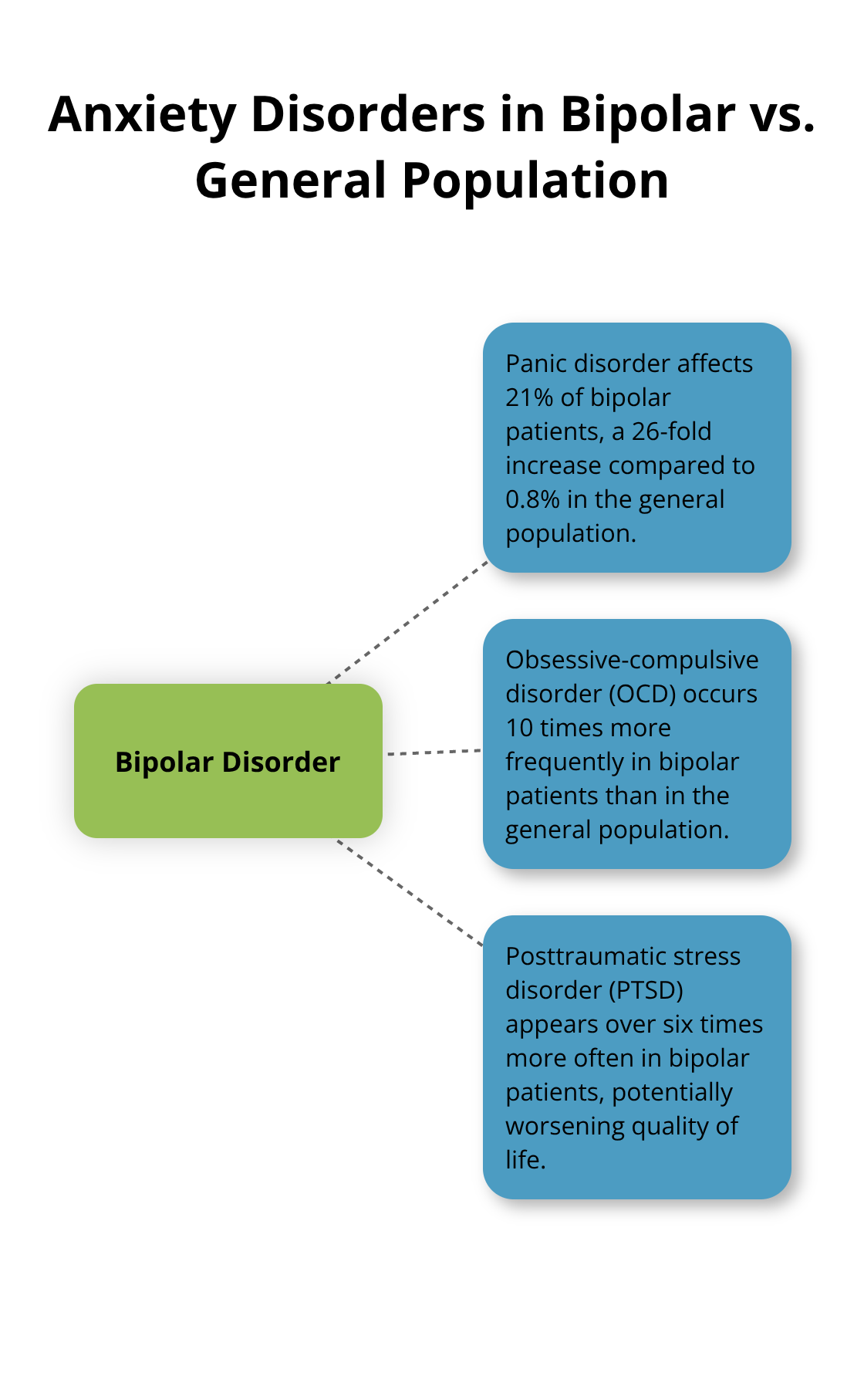
Panic disorder affects 21% of bipolar patients compared to 0.8% in the general population (a 26-fold increase). Obsessive-compulsive disorder occurs 10 times more frequently in bipolar patients than in the general population. Posttraumatic stress disorder appears over six times more often in bipolar patients, which can worsen quality of life and increase rapid cycling patterns. These statistics demonstrate why accurate symptom identification becomes essential for proper treatment approaches and why specialized Miami psychiatry care makes such a significant difference in patient outcomes.
Evidence-Based Treatment Approaches
Medication management for dual anxiety and bipolar symptoms requires precise timing and careful selection. Atypical antipsychotics like quetiapine show larger effect sizes for anxiety reduction in bipolar depression than traditional mood stabilizers. Quetiapine demonstrates specific anxiolytic effects in generalized anxiety disorder, which makes it a strong first-line choice for patients who deal with both conditions. Valproate and lamotrigine both reduce anxiety symptoms effectively, with valproate showing more robust evidence in clinical trials.
Medication Combinations That Deliver Results
SSRIs like fluoxetine and sertraline can trigger manic episodes in bipolar patients, which makes their use dangerous during active mood phases. Gabapentin and pregabalin show efficacy for social anxiety and generalized anxiety disorder (offering safer alternatives for bipolar patients). Benzodiazepines provide short-term relief but create dependence risks that complicate long-term bipolar management. The International Society for Bipolar Disorders found that mixed states respond better to anticonvulsants than lithium, which changes medication priorities significantly.
Therapy Approaches With Proven Results
Cognitive Behavioral Therapy produces effects that last for anxiety treatment and matches medication effectiveness for panic disorder management. Interpersonal and social rhythm therapy stabilizes daily rhythms like sleep schedules, which directly impacts both mood and anxiety levels. CBT focuses on identification of specific triggers and development of concrete coping strategies rather than general relaxation techniques. Supportive psychotherapy plays a vital role in maintenance of medication compliance and reduction of treatment dropout rates among anxious bipolar patients.
Lifestyle Modifications That Create Real Change
Consistent daily routines significantly contribute to mood stabilization and anxiety reduction. Sleep disruption patterns differ between anxiety and bipolar episodes, which makes sleep hygiene protocols condition-specific. Regular physical activity improves mood and reduces anxiety levels, but timing matters-exercise during manic phases can worsen symptoms. Stress management through mindfulness and relaxation techniques shows measurable benefits, but these work best as supplements to medication rather than replacements.
These evidence-based approaches form the foundation of effective treatment, but success depends heavily on how you implement them in your daily life. For comprehensive care that addresses both conditions, consider consulting with specialists in Miami psychiatry who understand the complexities of dual diagnosis treatment. The next step involves translation of these clinical strategies into practical management techniques that work within your specific routine and circumstances.
How Do You Build Effective Daily Management Routines
Daily management of anxiety and bipolar depression requires specific timing strategies that work with your brain chemistry rather than against it. Wake up at exactly the same time every day, even on weekends, because circadian rhythm disruption triggers both anxiety spikes and mood episodes. Consistent sleep schedules help stabilize mood patterns and reduce episode frequency. Track your mood and anxiety levels at three fixed points daily: morning, afternoon, and evening, using a simple 1-10 scale to identify patterns that predict symptom changes.
Morning Structure Prevents Afternoon Crashes
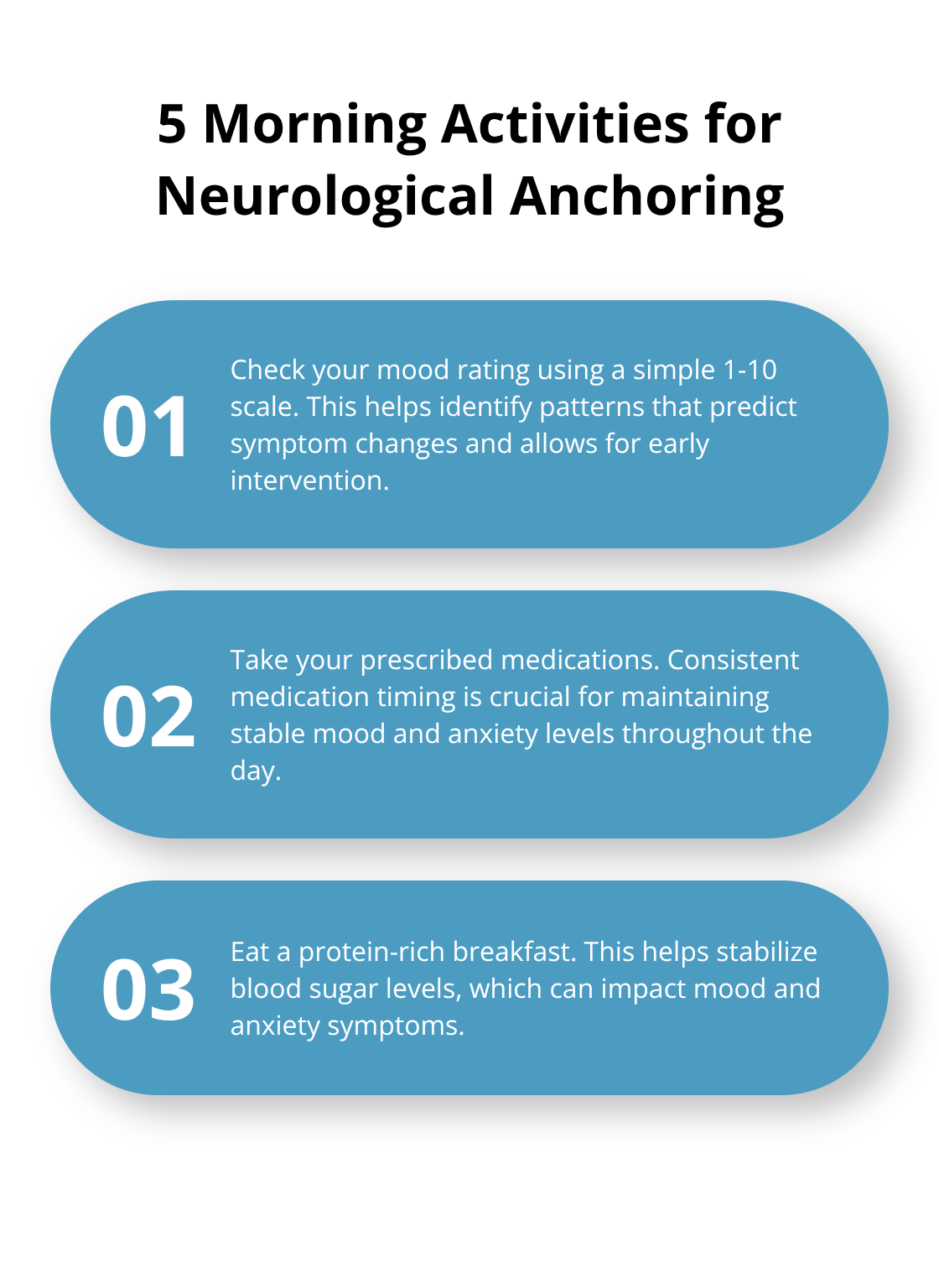
Your first 90 minutes after waking determine anxiety and mood stability for the entire day. Complete the same five activities in identical order: check your mood rating, take medications, eat protein-rich breakfast, review your daily schedule, and spend 10 minutes outdoors regardless of weather. This routine creates neurological anchors that prevent the chaotic thought patterns typical of mixed episodes. Miami residents benefit from year-round sunlight exposure, which naturally regulates melatonin production and stabilizes mood cycles. For comprehensive mental health support in the area, consider Miami psychiatry services. Schedule demanding tasks between 10 AM and 2 PM when cortisol levels naturally peak, and avoid decision-making during evening hours when anxiety typically intensifies.
Trigger Identification Through Pattern Recognition
Document specific situations, people, and environments that precede anxiety or mood changes within 24-48 hours. Common triggers include sleep disruption, caffeine after 2 PM, social conflicts, work deadlines, and hormonal fluctuations during menstrual cycles. Create written contingency plans for your top three triggers: if trigger occurs, then specific action follows immediately. For example, if work stress peaks, then take a 15-minute walk and practice breathing exercises before returning to tasks. Identifying and preparing for triggers helps reduce the need for emergency interventions and improves overall management outcomes.
Communication Skills That Actually Work
Tell three trusted people about your specific warning signs before symptoms escalate: family member, close friend, and mental health professional. Provide them with concrete action steps rather than vague requests for support. Instead of asking someone to check on you, specify: call me Tuesday evenings at 7 PM and ask about my sleep quality and medication compliance. Practice saying no to commitments when you feel early symptoms develop, because overcommitment consistently worsens both anxiety and bipolar symptoms (particularly during mixed states). Schedule weekly 30-minute conversations with your support network to maintain connection during stable periods, which prevents isolation that amplifies symptoms during difficult phases.
Final Thoughts
Anxiety and bipolar depression management demands a comprehensive approach that combines evidence-based treatment with consistent daily strategies. The structured routines, trigger identification techniques, and communication skills outlined above form the foundation of effective symptom management. Research consistently shows that patients who implement these practical strategies alongside professional treatment experience significantly better outcomes.
Professional treatment remains the cornerstone of recovery for anxiety and bipolar depression. The complex interaction between these conditions demands specialized expertise that goes beyond self-management techniques. Medication management requires careful monitoring to avoid manic episodes, while therapy approaches must address both conditions simultaneously (without proper professional guidance, well-intentioned efforts can sometimes worsen symptoms or create new complications).
We at Equilibrium Mental Health Services specialize in treating both anxiety and bipolar disorder with personalized treatment plans that address your unique needs. Our team provides both medication management and psychotherapy in a supportive environment designed to help you achieve balance and improved well-being. Contact Equilibrium Mental Health Services today to speak with one of our caring professionals and begin your journey toward healing.


