
At Equilibrium Mental Health Services, we understand the challenges of managing ADHD. While medication can be effective, many individuals seek ADHD help without medication.
This blog post explores practical strategies and lifestyle changes to manage ADHD symptoms naturally. We’ll cover evidence-based approaches that can improve focus, organization, and overall well-being for those living with ADHD.
What Is ADHD and How Does It Affect Daily Life?
Understanding ADHD: A Neurodevelopmental Condition
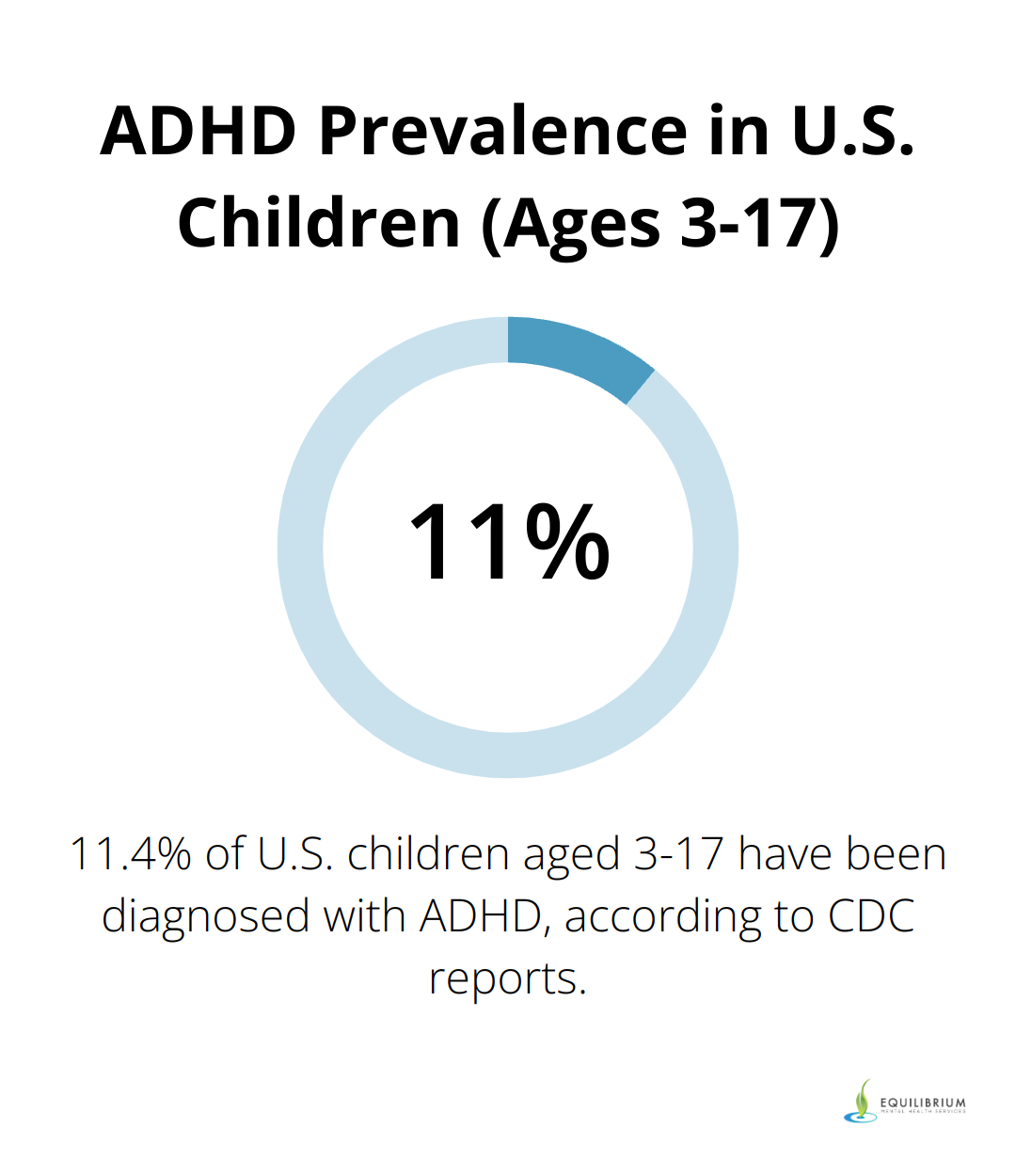
Attention Deficit Hyperactivity Disorder (ADHD) is a neurodevelopmental condition that impacts millions of adults and children worldwide. The Centers for Disease Control and Prevention reports that as of 2022, 11.4% of U.S. children aged 3–17 years (7.1 million) had ever been diagnosed with ADHD by a health care provider according to parent reports. This condition manifests through persistent patterns of inattention, hyperactivity, and impulsivity that interfere with daily functioning and development.
The Three Types of ADHD
ADHD presents in three primary types, each with unique challenges:
- Inattentive type: Individuals struggle to focus, follow instructions, and complete tasks.
- Hyperactive-impulsive type: People experience restlessness, make impulsive decisions, and talk or fidget excessively.
- Combined type: A mix of both inattentive and hyperactive-impulsive symptoms.
These symptoms can significantly impact various aspects of life, from academic and professional performance to personal relationships and self-esteem.
Daily Challenges for Individuals with ADHD
People with ADHD often face difficulties with time management, organization, and maintaining focus on tasks. This can result in missed deadlines, forgotten appointments, and trouble completing projects. In social situations, impulsivity may cause individuals to interrupt conversations or make hasty decisions, potentially straining relationships.
At work or school, adults and children with ADHD might find it challenging to sit still for extended periods or concentrate on lectures and meetings. This can lead to underperformance and frustration, despite having the intellectual capacity to excel.
A Holistic Approach to ADHD Management
While medication can effectively manage ADHD symptoms for many, a holistic approach often yields the most beneficial results. This involves combining various strategies to address different aspects of the condition. For instance, cognitive behavioral therapy (CBT) can help individuals develop coping mechanisms and improve organizational skills. Studies show that CBT can be particularly effective when combined with other treatments.
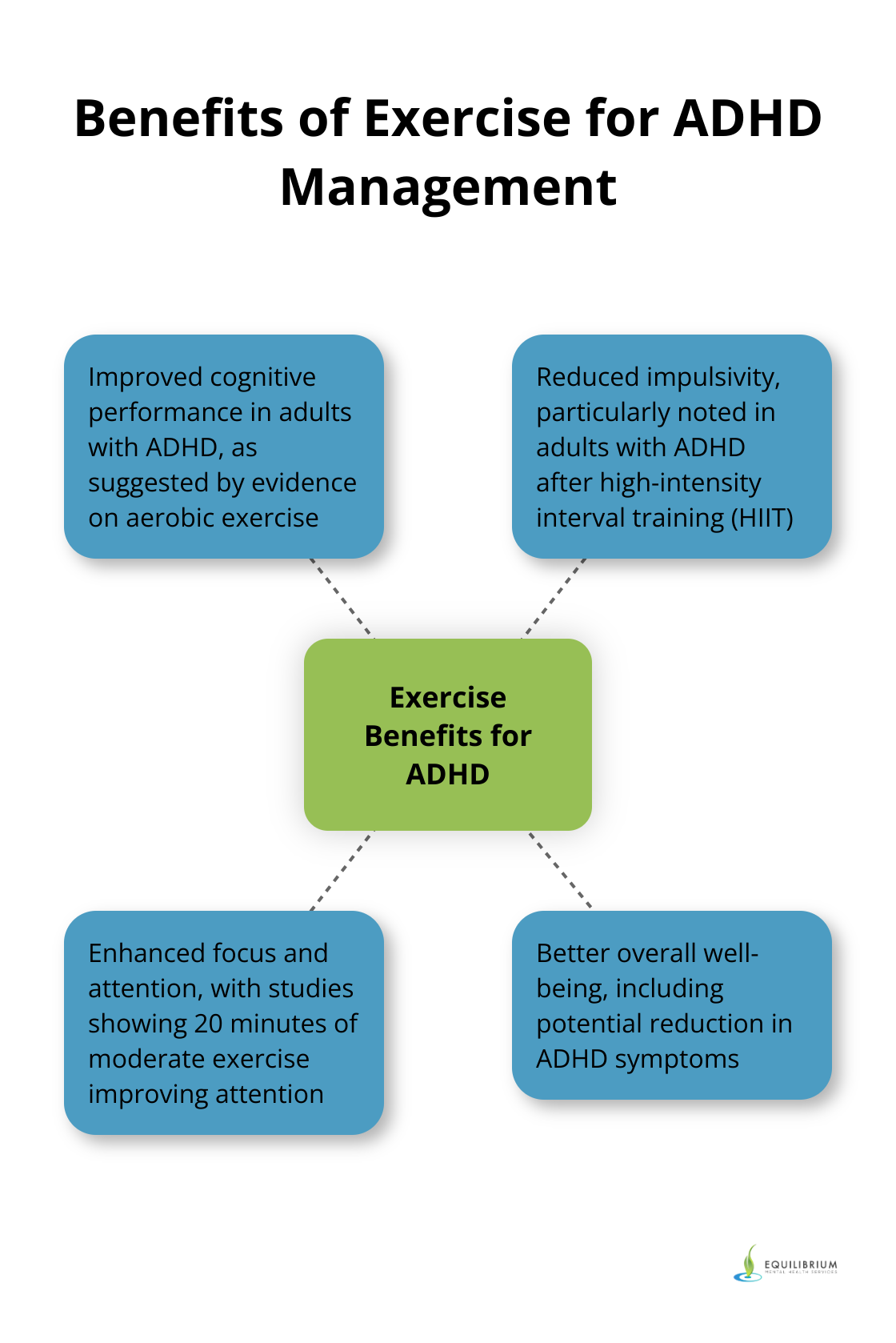
Exercise plays a crucial role in ADHD management. Research indicates that 20 minutes of moderate exercise improved attention and cognitive performance in adults with ADHD. Additionally, spending time outdoors in green spaces (such as the beautiful parks in Coral Gables) has a calming effect and may help alleviate ADHD symptoms.
Nutrition also plays a vital role. A balanced diet rich in omega-3 fatty acids, vitamins, and minerals can support brain function and potentially reduce ADHD symptoms. Some studies suggest that eliminating certain food additives and preservatives may help manage symptoms in some individuals.
As we move forward, we’ll explore specific lifestyle changes that can significantly impact ADHD management, providing practical strategies for individuals living with this condition in Miami and beyond.
How Lifestyle Changes Can Improve ADHD Symptoms
Living with ADHD presents challenges, but specific lifestyle changes can significantly improve symptoms and overall quality of life. We at Equilibrium Mental Health Services have observed how these adjustments make a substantial difference for our patients in Coral Gables and surrounding areas.
The Power of Routine
A consistent daily routine transforms life for individuals with ADHD. Create a structured schedule that includes set times for waking up, meals, work or study periods, exercise, and bedtime. Use visual aids like color-coded calendars or smartphone apps to reinforce these routines. The Time Timer app helps visualize time passing, which benefits those who struggle with time blindness.
Sleep and Nutrition Optimization
Poor sleep habits exacerbate ADHD symptoms. Try to get 7-9 hours of sleep per night and maintain a consistent sleep schedule, even on weekends. Create a relaxing bedtime routine that includes dimming lights and avoiding screens at least an hour before bed. Some patients in Pinecrest have found success using weighted blankets to improve sleep quality.
Nutrition plays a key role in managing ADHD. Focus on a balanced diet rich in omega-3 fatty acids, found in fish like salmon and sardines, as well as in flaxseeds and walnuts. These nutrients support brain function and may help reduce ADHD symptoms. Avoid processed foods and excessive sugar, which can lead to energy crashes and worsen concentration issues.
The Exercise-ADHD Connection
Regular physical activity serves as a powerful tool for managing ADHD. Evidence suggests aerobic exercise has beneficial effects on cognitive performance in adults with attention-deficit hyperactivity disorder (ADHD). Take advantage of the beautiful parks in Coconut Grove for outdoor workouts (or join a local gym for structured exercise classes).
High-intensity interval training (HIIT) has shown particular promise for individuals with ADHD. A 2017 study in the Scientific Reports journal found that HIIT improved cognitive function and reduced impulsivity in adults with ADHD.
Mindfulness and Meditation Practices
Mindfulness and meditation help individuals with ADHD improve focus and reduce impulsivity. Start with short, guided meditations using apps like Headspace or Calm. Gradually increase the duration as your practice develops. Even five minutes of daily mindfulness can make a difference.
A study tested the feasibility of an 8-week mindfulness training program for adults and adolescents with ADHD. Consider joining a local mindfulness group or attending workshops to learn these techniques in a supportive environment.
These lifestyle changes work best as part of a comprehensive treatment plan. If you struggle with ADHD in Miami or the surrounding areas, our team of experts at Equilibrium Mental Health Services can help you develop a personalized strategy to manage your symptoms and improve your quality of life. In the next section, we’ll explore non-medication strategies and therapies that complement these lifestyle changes for even more effective ADHD management.
Effective Non-Medication Strategies for ADHD
Managing ADHD without medication requires a multifaceted approach that combines various therapeutic techniques and practical strategies. These non-medication approaches can lead to significant improvements in ADHD symptoms and overall quality of life.
Cognitive Behavioral Therapy: Rewiring Thought Patterns
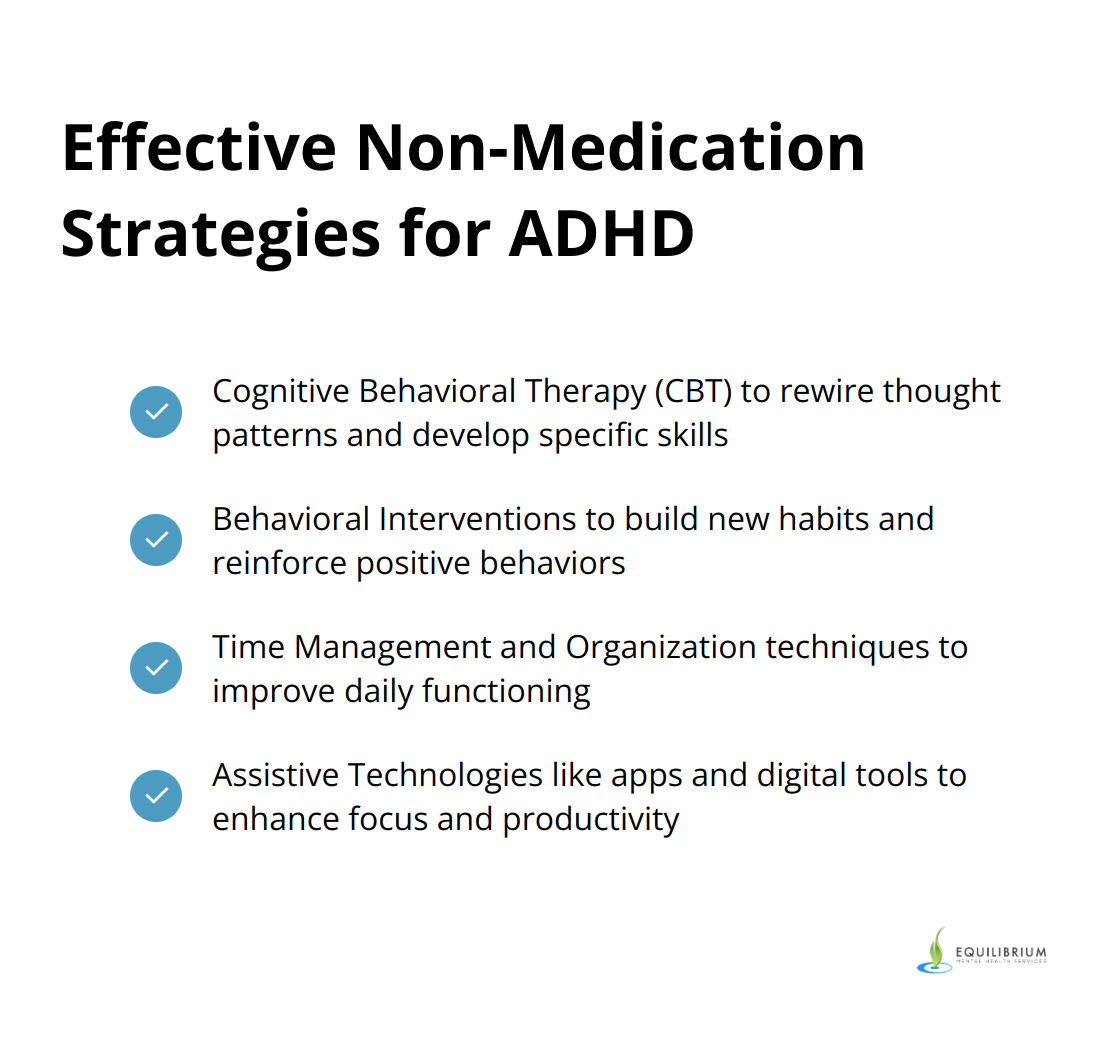
Cognitive Behavioral Therapy (CBT) has been proven effective for ADHD’s core symptoms, social functions, and comorbid symptoms such as anxiety and depression. This therapy helps individuals identify and change negative thought patterns that contribute to ADHD symptoms. For example, a patient might learn to replace the thought “I’ll never finish this task” with “I can break this task into smaller, manageable steps.”
CBT sessions typically focus on developing specific skills such as time management, organization, and emotional regulation.
Behavioral Interventions: Building New Habits
Behavioral interventions modify actions and reinforce positive behaviors. One effective technique is the use of reward systems. For instance, adults with ADHD might set up a point system where they earn rewards for completing tasks or maintaining focus for set periods.
Another powerful behavioral intervention is the “Stop, Think, Act” method. This technique helps individuals pause before reacting impulsively, consider the consequences of their actions, and choose a more appropriate response. Regular practice of this method can lead to improved impulse control over time.
Time Management and Organization: Taming the Chaos
Effective time management is essential for individuals with ADHD. The Pomodoro Technique (which involves working in 25-minute focused bursts followed by short breaks) can be particularly helpful. This method capitalizes on the ADHD brain’s ability to hyperfocus for short periods.
For organization, the “everything has a home” rule can transform daily life. This involves designating a specific place for every item and consistently returning things to their “homes.” This simple practice can significantly reduce the time spent searching for misplaced items.
Assistive Technologies: Digital Tools for Focus
Technology offers numerous tools to support individuals with ADHD. Apps like Forest encourage focus by gamifying the process of avoiding phone distractions. For task management, Trello or Asana can help break down projects into manageable steps and track progress visually.
Noise-cancelling headphones combined with focus-enhancing music or white noise can create an optimal environment for concentration. Some individuals (particularly in the Coral Gables area) have reported success using binaural beats, which are specially designed audio tracks that may enhance focus and reduce distractibility.
These non-medication strategies can be highly effective when implemented consistently and tailored to individual needs. However, it’s important to work with a mental health professional to develop a personalized plan. If you’re in Miami or the surrounding areas and struggling with ADHD, consider reaching out to a reputable mental health provider for guidance and support.
Final Thoughts
Managing ADHD without medication requires dedication, patience, and a multifaceted approach. We explored various strategies, from establishing routines and optimizing sleep to incorporating exercise and mindfulness practices. These lifestyle changes, combined with non-medication therapies like Cognitive Behavioral Therapy and behavioral interventions, can improve ADHD symptoms and overall quality of life.
Each individual’s experience with ADHD is unique, and tailoring approaches to specific needs yields the best results. What works for one person may not work for another. Professional guidance plays a vital role in developing an effective management plan for those seeking ADHD help without medication.
Equilibrium Mental Health Services supports individuals in the Miami area who want to manage their ADHD symptoms without medication. Our team specializes in creating personalized treatment plans that incorporate evidence-based non-medication approaches (such as cognitive behavioral therapy and mindfulness techniques). Visit Equilibrium Mental Health Services to learn more about how we can assist you in developing a comprehensive approach to managing your ADHD without medication.


