
At Equilibrium Mental Health Services, we understand the challenges of managing ADHD without medication. While medication can be effective, many individuals seek alternative approaches to cope with their symptoms.
In this post, we’ll explore practical strategies and lifestyle changes that can help you manage ADHD effectively. From establishing routines to implementing non-medication therapies, we’ll provide you with valuable insights to improve your daily life and relationships.
Understanding ADHD and Its Challenges
Definition and Symptoms of ADHD
Attention Deficit Hyperactivity Disorder (ADHD) is a complex neurodevelopmental condition that affects millions worldwide. It impacts executive functioning, which includes skills like organization, time management, and impulse control. People with ADHD often struggle to focus on tasks, complete work on time, or maintain stable relationships.
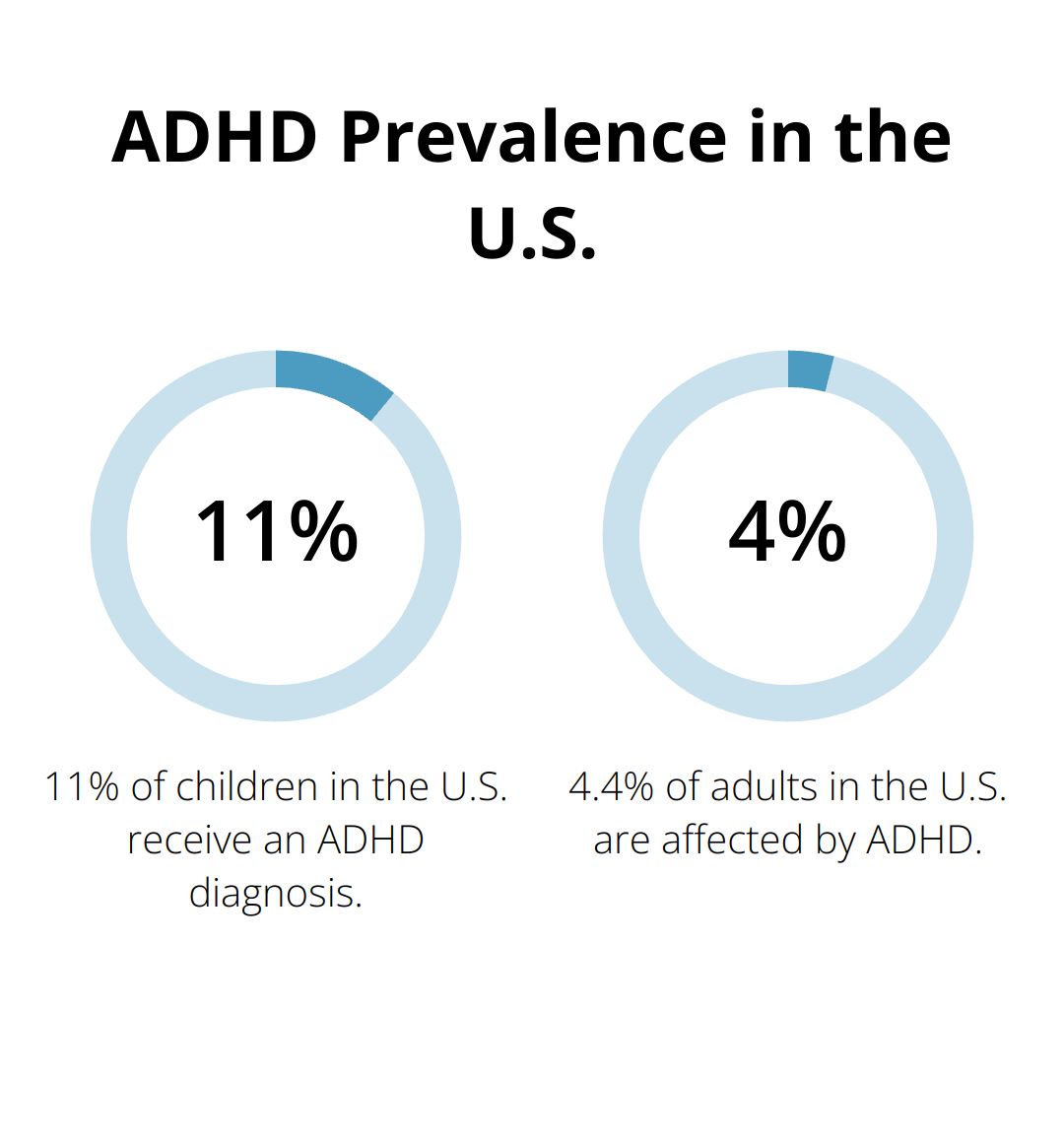
The Centers for Disease Control and Prevention (CDC) reports that approximately 11% of children in the U.S. receive an ADHD diagnosis. However, ADHD doesn’t disappear in adulthood; it affects an estimated 4.4% of adults.
Common Misconceptions About ADHD
One prevalent myth suggests that ADHD stems from a lack of willpower or laziness. This notion couldn’t be further from the truth. ADHD is a real neurological condition with biological underpinnings. Brain imaging studies reveal differences in the structure and function of certain brain regions in individuals with ADHD.
Another misconception is that ADHD only affects hyperactive boys. In reality, ADHD manifests differently in girls and women, often with less obvious hyperactivity and more inattention symptoms. Research shows that while males have a higher prevalence of ADHD, females also have a significant presence of the disorder.
Impact of ADHD on Daily Life
ADHD presents significant challenges in various aspects of life. At work, individuals might struggle with time management, miss deadlines, or have trouble focusing during meetings. In personal relationships, impulsivity and forgetfulness can cause misunderstandings and conflicts.
For students, ADHD can make academic success more difficult. They might have trouble sitting still in class, completing homework, or studying for exams. This can result in underachievement and lowered self-esteem.
At home, adults with ADHD often find it hard to keep their living space organized or manage household tasks effectively. This can create tension in family relationships and contribute to feelings of frustration and inadequacy.
ADHD in Coral Gables and Beyond
In Coral Gables and surrounding areas like Pinecrest and Palmetto Bay, individuals with ADHD face unique challenges. The fast-paced lifestyle of South Florida can exacerbate symptoms, making it even more important to seek proper diagnosis and treatment.
Understanding ADHD is the first step towards effective management. While the challenges are real, so are the solutions. With proper support and strategies, individuals with ADHD can lead successful, fulfilling lives.
As we move forward, we’ll explore practical lifestyle changes that can significantly improve the lives of those with ADHD. These strategies can complement or (in some cases) serve as alternatives to medication, providing a holistic approach to managing ADHD symptoms.
<a href=”https://g.co/kgs/Toi7gBP”>Miami psychiatry</a>
How Lifestyle Changes Can Transform ADHD Management
The Power of Consistent Routines
Creating a structured daily routine transforms ADHD management. Set regular wake-up and bedtime hours. Use a digital calendar to schedule your day, including work tasks, meals, and leisure activities. Break larger tasks into smaller, manageable steps.
A study aimed to conduct a systematic review of which self-care strategies adults with ADHD use and need in order to manage daily life. This research highlights the importance of implementing consistent routines for effective ADHD management.
Organizing Your Environment for Success
A clutter-free space reduces ADHD-related stress and improves focus. Designate specific places for important items like keys, wallets, and phones. Use color-coded folders for different types of documents. Implement a “one in, one out” rule to prevent accumulation of unnecessary items.
Consider using visual cues. For example, place a whiteboard near your front door to jot down reminders you’ll see before leaving home. In Pinecrest, many individuals find success with smart home devices that provide audible reminders for tasks and appointments.
Stress-Reduction Techniques That Work
Stress exacerbates ADHD symptoms, making stress-reduction techniques essential. Mindfulness meditation shows promising results in managing ADHD.
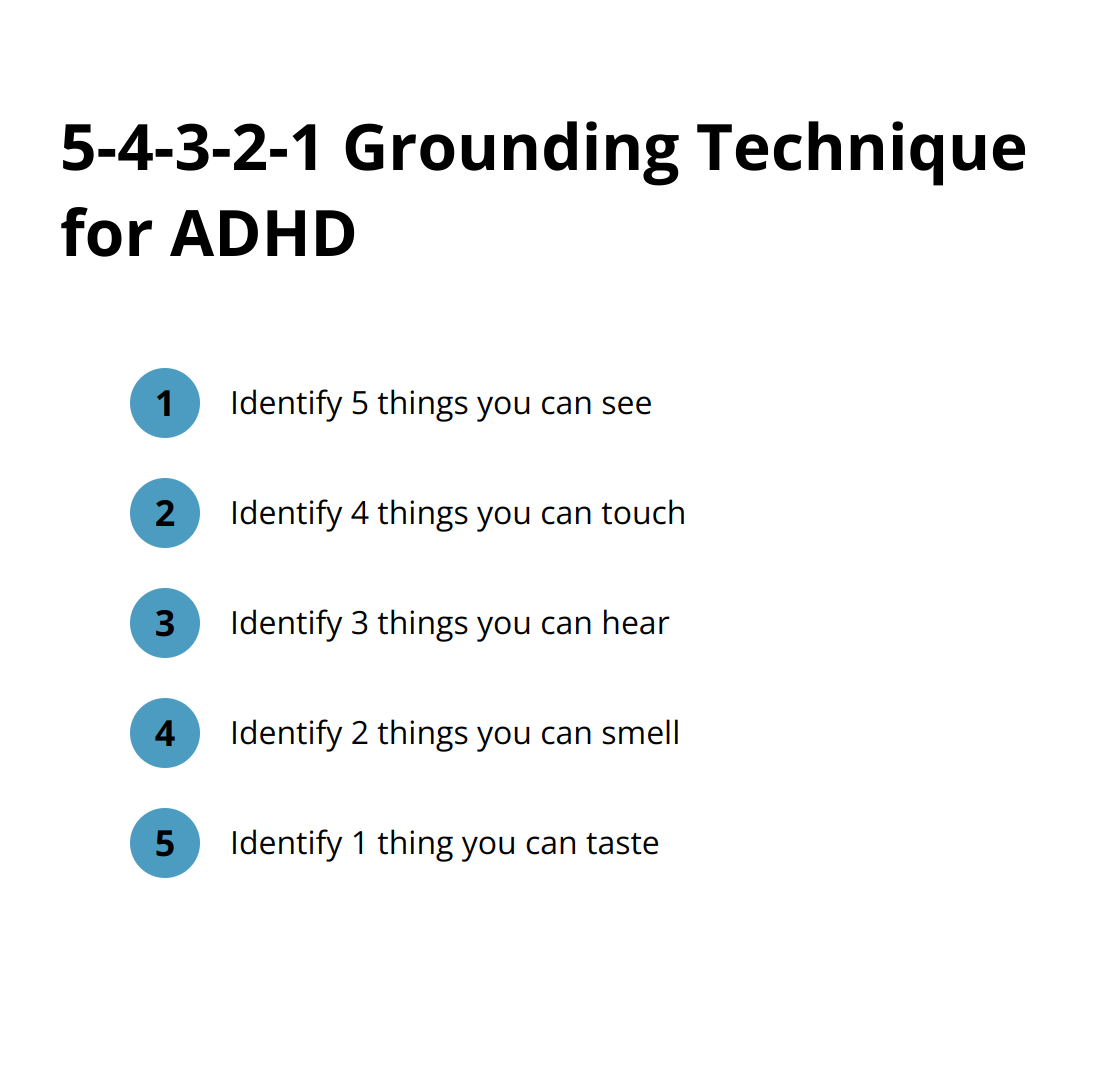
Try the “5-4-3-2-1” grounding technique when feeling overwhelmed: Identify 5 things you can see, 4 things you can touch, 3 things you can hear, 2 things you can smell, and 1 thing you can taste. This simple exercise brings your focus back to the present moment.
Exercise: A Natural ADHD Management Tool
Physical activity serves as a powerful tool for managing ADHD. Regular exercise can promote the activity of adrenal hormone receptors, and enhance dopamine and norepinephrine production and secretion, thereby improving focus and reducing impulsivity. Try to engage in at least 30 minutes of moderate exercise daily.
In Palmetto Bay, many individuals find success with outdoor activities like jogging or cycling along the scenic paths. The combination of exercise and nature exposure proves particularly beneficial for ADHD symptoms.
These lifestyle changes lay the foundation for effective ADHD management. However, implementing these strategies often requires guidance and support. The next chapter explores non-medication therapies and strategies that complement these lifestyle changes, providing a comprehensive approach to ADHD management.
Effective Non-Medication Approaches for ADHD
Cognitive Behavioral Therapy: Rewiring Thought Patterns
Cognitive Behavioral Therapy (CBT) stands out as a highly effective treatment for ADHD. This therapy helps individuals identify and change negative thought patterns and behaviors. For example, a person with ADHD might think, “I’ll never finish this project on time.” CBT teaches them to reframe this thought to, “I can break this project into smaller tasks and complete them one by one.”
A study published in the Journal of Attention Disorders found that adults with ADHD who underwent CBT showed significant improvements in ADHD symptoms, anxiety, and depression. The therapy also enhanced their organizational skills and time management.
Many clients in Coral Gables have found success with CBT techniques like the “Stop, Think, Act” method. This approach involves pausing before reacting, considering the consequences, and choosing the best course of action. It’s particularly useful for managing impulsivity (a common ADHD symptom).
Mindfulness: Cultivating Present-Moment Awareness
Mindfulness-based interventions are effective in improving inattention, impulsivity, and emotional regulation among children with ADHD. These techniques involve focusing on the present moment, which can help counter the tendency to be distracted or overwhelmed by racing thoughts.
A simple yet powerful mindfulness exercise is the “5-4-3-2-1” technique. When feeling scattered, identify:5 things you can see4 things you can touch3 things you can hear2 things you can smell1 thing you can taste
This grounding exercise helps bring focus back to the present moment, reducing anxiety and improving concentration.
Time Management Tools: Taming the ADHD Clock
For many individuals with ADHD, time management feels like an insurmountable challenge. However, with the right tools and strategies, it’s possible to gain control over time.
The Pomodoro Technique has proven particularly effective for clients in Pinecrest. This method involves working in focused 25-minute intervals, followed by short breaks. It capitalizes on the ADHD brain’s ability to hyperfocus for short periods.
Digital tools can also be game-changers. Apps like Trello or Asana help break down large projects into manageable tasks, while time-tracking apps provide insights into how time is spent, helping to identify and eliminate time-wasters.
Social Skills Training: Navigating Relationships with ADHD
ADHD can significantly impact social interactions, leading to misunderstandings and strained relationships. Social skills training addresses these challenges head-on.
In Palmetto Bay, group sessions focus on active listening, reading social cues, and managing impulsive responses in conversations. Role-playing exercises allow participants to practice these skills in a safe environment.
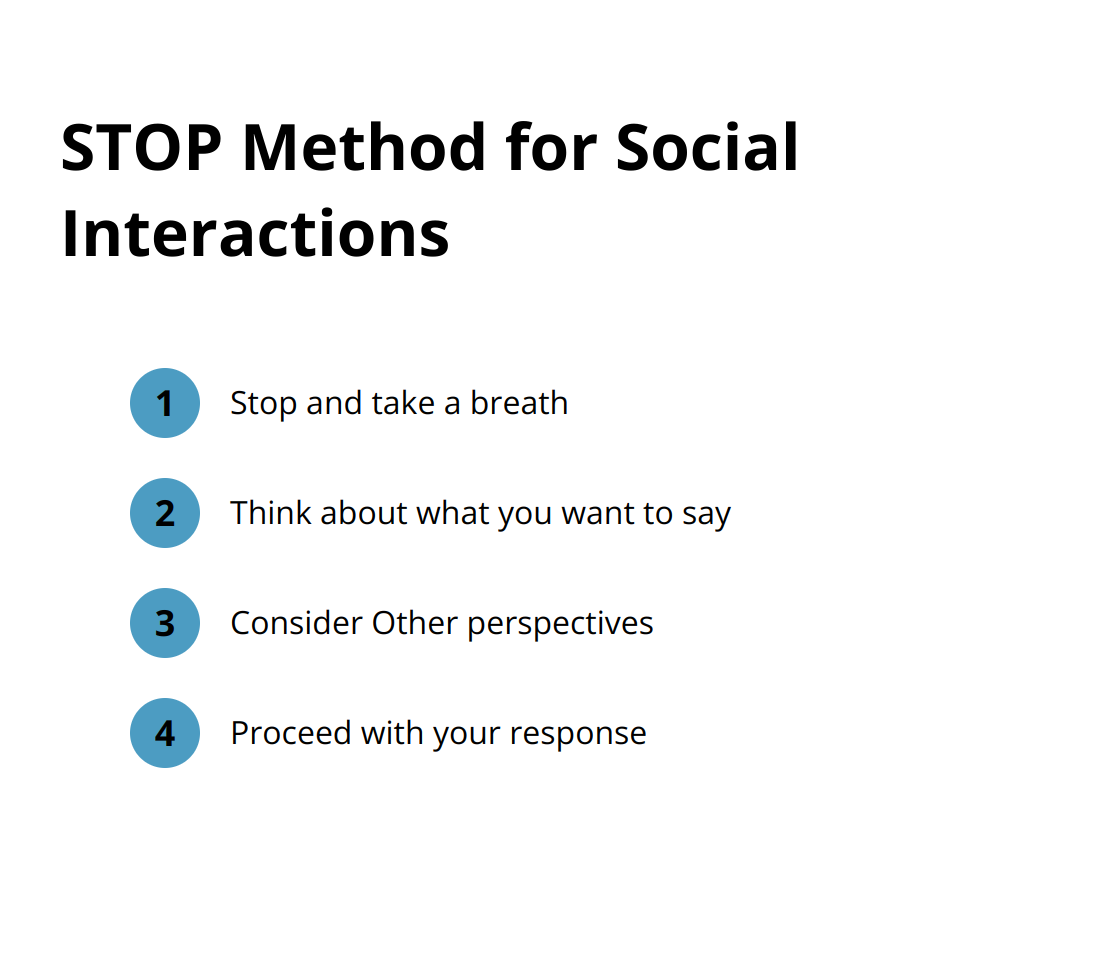
One effective technique taught is the “STOP” method for social interactions:S – Stop and take a breathT – Think about what you want to sayO – Consider Other perspectivesP – Proceed with your response
This approach helps individuals with ADHD pause and consider their words before speaking, reducing instances of social faux pas.
These non-medication strategies can be highly effective, but it’s important to note that ADHD management is not one-size-fits-all. What works for one person may not work for another. A personalized treatment plan tailored to each individual’s unique needs and circumstances often yields the best results.
Final Thoughts
Managing ADHD without medication requires a personalized approach. We explored various strategies, from consistent routines to non-medication therapies like Cognitive Behavioral Therapy. These methods can improve focus, reduce impulsivity, and enhance overall quality of life for individuals with ADHD.
ADHD manifests differently in each person, and finding the right combination of strategies often involves trial and error. Professional guidance becomes invaluable in this process. At Equilibrium Mental Health Services, we specialize in creating tailored treatment plans for adults with ADHD in Coral Gables, Pinecrest, and surrounding areas.
If you struggle with managing ADHD without medication, we encourage you to reach out for support. Our compassionate professionals stand ready to guide you towards improved mental well-being and a more balanced life. Take the first step towards a healthier, more fulfilling life today.


