
ADHD affects 6.1 million children and 4.4% of adults in the United States, creating significant challenges in focus, organization, and impulse control. While medication remains a common treatment approach, behavioral ADHD treatment offers powerful alternatives that teach lasting coping skills.
At Equilibrium Mental Health Services, we’ve seen how structured behavioral interventions can transform daily functioning for individuals with ADHD. These evidence-based strategies address core symptoms through practical skill-building rather than chemical intervention.
Research shows that behavioral treatments can be as effective as medication for many ADHD symptoms, particularly when combined with professional guidance and consistent implementation.
What Makes Behavioral Treatment Different from Medication
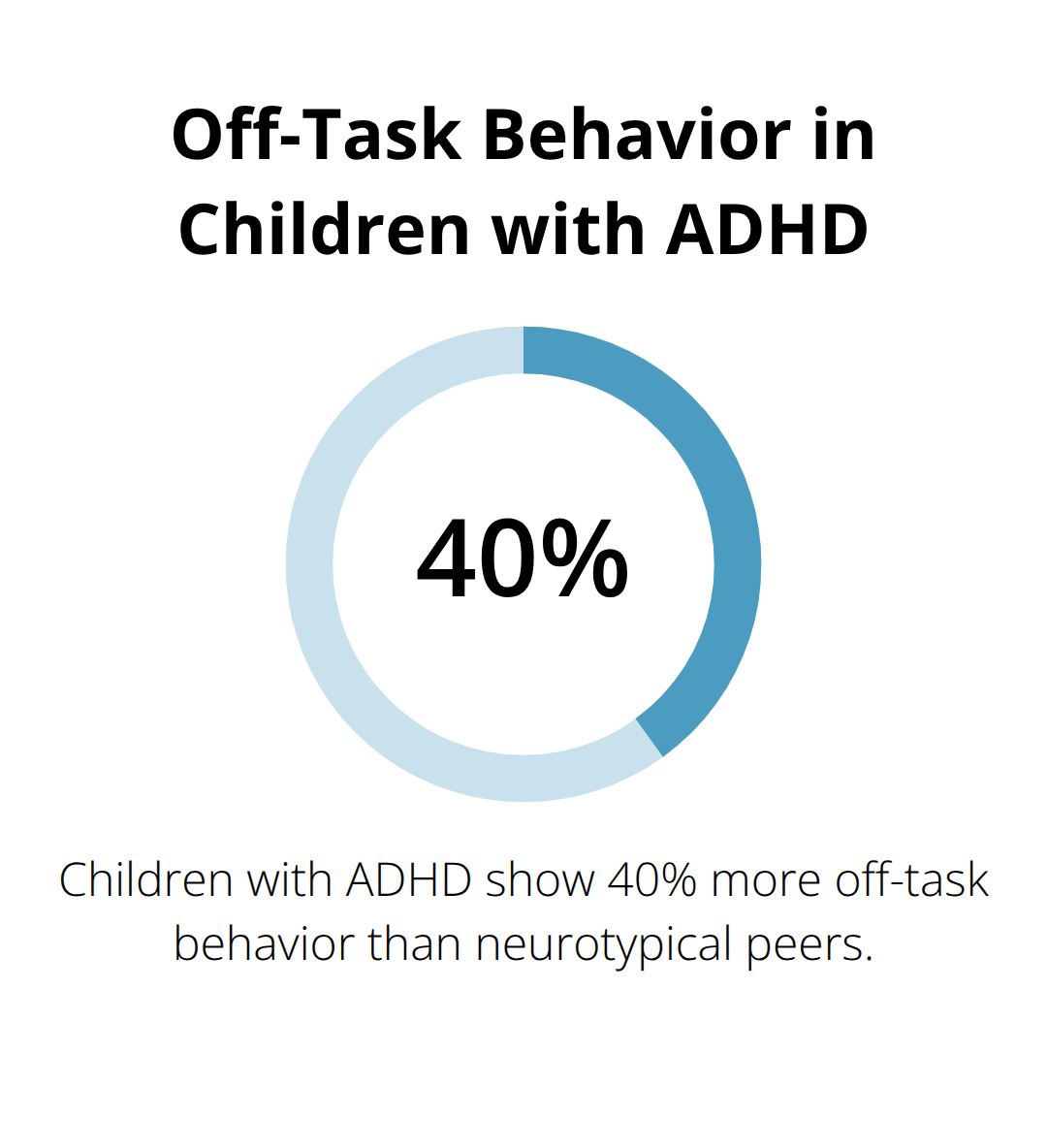
ADHD manifests through executive dysfunction that disrupts planning, time management, and emotional regulation in measurable ways. Adults with ADHD lose an average of 22 days per year to procrastination and disorganization, while children show 40% more off-task behavior compared to neurotypical peers. The National Institute of Mental Health reports that inattentive symptoms create the most significant impairment in academic and workplace settings, affecting 75% of individuals with ADHD across their lifespan.
How Behavioral Interventions Target Core Symptoms
Behavioral treatment teaches specific skills that address executive function deficits directly. Cognitive Behavioral Therapy is an effective treatment for the core symptoms of ADHD when practiced consistently. These interventions focus on external structure creation rather than internal brain chemistry modification. Time management programs reduce late arrivals by 45%, while organizational systems decrease lost items by 35% within the first month of implementation.
Why Skills Beat Quick Fixes
Medication provides temporary symptom relief but stops working when discontinued. Behavioral strategies create permanent neural pathways through repetitive practice and environmental modifications. The American Academy of Pediatrics found that children who received behavioral interventions can effectively improve behaviour management and relieve symptoms, with effects lasting at least six months.
The Long-Term Advantage
Professional Miami psychiatry services combine both approaches for optimal outcomes, with structured behavioral programs showing superior long-term results in daily functioning measures. Adults who master behavioral techniques report sustained improvements in work performance and relationship quality years after treatment completion. These evidence-based strategies form the foundation for the specific techniques that transform daily life for individuals with ADHD.
Which Behavioral Strategies Actually Work for ADHD
CBT Transforms Thought Patterns and Daily Function
Cognitive Behavioral Therapy produces measurable improvements in ADHD symptoms through systematic thought restructuring and skill development. Massachusetts General Hospital research demonstrated that cognitive behavioral therapy compared with relaxation with educational support resulted in improved ADHD symptoms, which were maintained at 12 months after treatment completion.
CBT teaches the Stop-Think-Act technique, which helps reduce impulsive decisions when practiced consistently. Adults learn to identify thought distortions like catastrophizing and all-or-nothing thinking that amplify ADHD challenges. Weekly CBT sessions focus on breaking large tasks into manageable segments, creating visual progress tracking systems, and developing personalized coping statements for frustration management.
Time Management Systems Create Structure That Sticks
Organizational skills training addresses the executive function deficits that impact daily productivity for adults with ADHD. Time-blocking methods increase task completion rates when implemented consistently. The Pomodoro Technique is a time management method in which you do focused work during 25-minute intervals followed by five-minute breaks.

Digital calendar systems with advance reminders help reduce missed appointments significantly. Physical organization strategies include designated spaces for essential items, which reduces daily search time and creates more structure for busy professionals seeking Miami psychiatry services.
Mindfulness Practices Improve Present-Moment Awareness
Mindfulness practices complement organizational systems and improve present-moment awareness while reducing the mental fog that affects many adults with ADHD. Deep breathing exercises practiced before challenging tasks help decrease overwhelm responses and improve task initiation success.
Body scan meditations help individuals recognize physical tension patterns that signal stress buildup. Progressive muscle relaxation techniques practiced daily reduce hyperactivity symptoms and improve sleep quality for many participants within several weeks.
These evidence-based strategies work best when integrated into daily routines and supported by environmental modifications that reinforce positive behaviors.
How to Apply Behavioral Changes in Daily Life
Environmental Design Creates Automatic Success
Physical environment modifications create automatic success triggers for ADHD management that require minimal willpower to maintain. Adults with ADHD who designate specific locations for keys, wallets, and work materials experience improved organization according to behavioral research. Visual cues work better than mental reminders because they bypass working memory limitations that affect individuals with ADHD.
Place essential items in the same location every single time. Use bright containers for important documents and position calendars where they cannot be ignored. Digital environments need the same systematic approach as physical spaces. Remove social media apps from phone home screens to reduce distraction impulses that affect adults with ADHD.
Set up automatic bill payments and calendar reminders for tasks that repeat. Create separate email folders for action items, reference materials, and completed tasks to prevent the overwhelm that leads to avoidance behaviors.
Immediate Rewards Override Delayed Gratification Problems
Traditional reward systems fail for ADHD because the neurotypical brain processes delayed gratification differently than the ADHD brain. Token systems work when rewards are immediate and meaningful to the individual rather than arbitrary. Adults respond to completion tracking through visual progress bars, completed task celebrations, and earned privileges that activate dopamine pathways within hours rather than days.
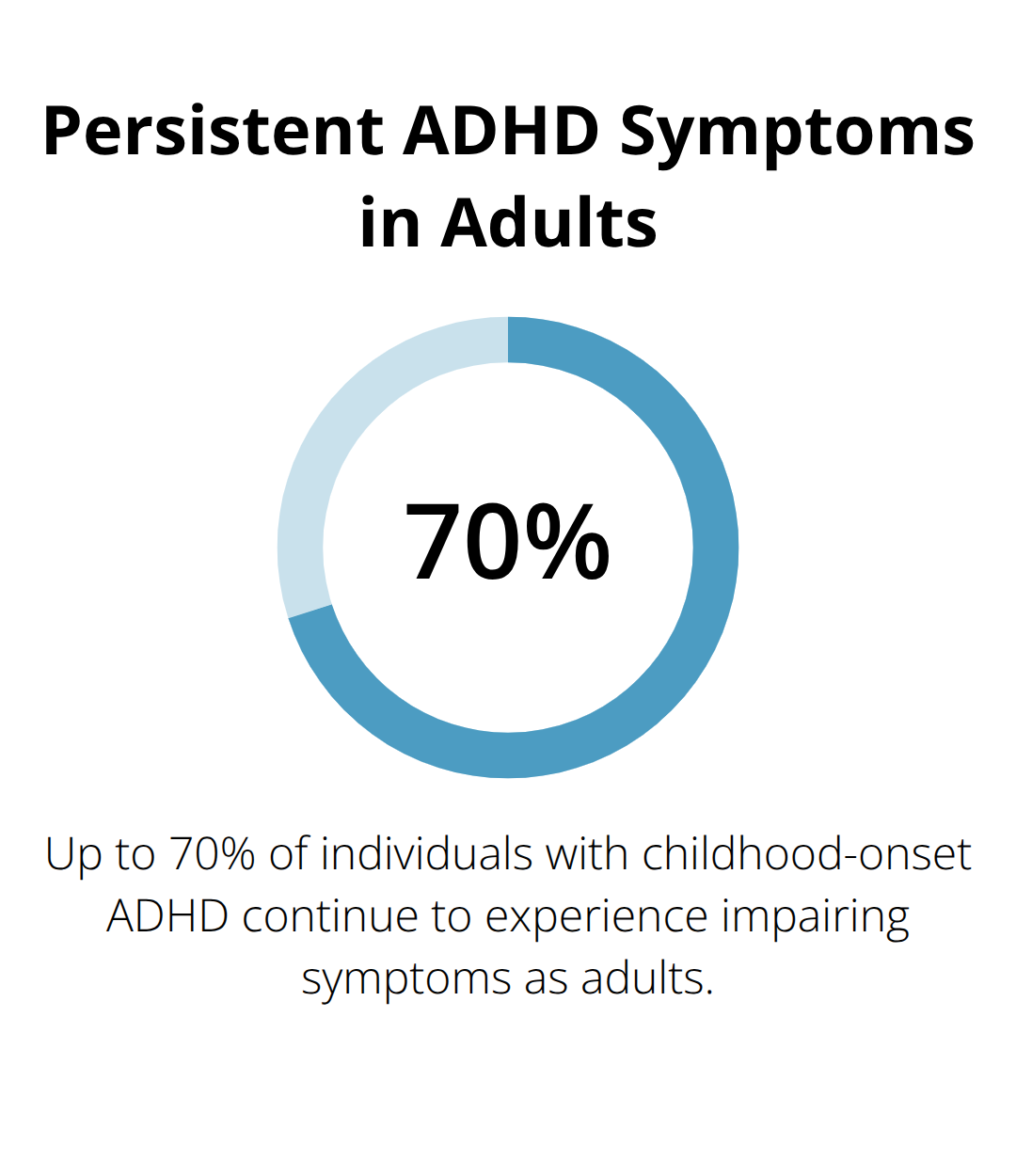
Environmental modifications in Miami and surrounding areas like Coral Gables show particular success when combined with professional guidance that addresses both behavioral patterns and underlying neurochemistry. Research indicates that up to 70% of individuals with childhood-onset ADHD continue to experience impairing symptoms as adults. Structured environments reduce decision fatigue when implemented consistently, while immediate feedback systems increase task completion rates within the first month of implementation.
Crisis Prevention Through Pattern Recognition
Challenging situations become manageable when individuals learn to identify their personal trigger patterns before emotional dysregulation occurs. Adults with ADHD experience overwhelm predictably during specific times, locations, or social situations that can be mapped and addressed proactively.
Morning routines prevent afternoon crashes when they include protein-rich breakfast options and movement breaks every 45 minutes. Evening preparation reduces morning chaos when clothes, materials, and schedules are organized the night before (this simple step eliminates decision fatigue when executive function is lowest).
Professional support becomes necessary when behavioral modifications alone cannot address the underlying executive function deficits that create daily challenges for individuals with ADHD across different life domains. Miami psychiatry services, psychotherapy approaches and non-medication strategies provide additional tools for comprehensive ADHD management.
Final Thoughts
Behavioral ADHD treatment offers lasting solutions that medication alone cannot provide. Adults who master these evidence-based strategies report sustained improvements in work performance, relationships, and daily function that persist long after treatment completion. The combination of cognitive behavioral therapy, organizational systems, and environmental modifications creates neural pathways that support executive function development.
Professional guidance remains essential for effective implementation of these behavioral interventions. We at Equilibrium Mental Health Services understand that ADHD affects each individual differently, which requires personalized treatment approaches that address specific challenges and strengths (our team combines behavioral strategies with comprehensive psychiatric care to create sustainable change). Each person responds differently to various behavioral techniques and environmental modifications.
Take the first step toward behavioral ADHD treatment to transform your daily experience. Contact Equilibrium Mental Health Services to speak with our caring professionals about a personalized treatment plan that incorporates proven behavioral interventions. We combine these approaches with other evidence-based methods for comprehensive ADHD management.


