
At Equilibrium Mental Health Services, we understand the challenges of ADHD-related sleep disturbances.
Many individuals with ADHD struggle to fall asleep, stay asleep, or wake up feeling refreshed. These sleep issues can worsen ADHD symptoms, creating a frustrating cycle.
In this post, we’ll explore effective strategies to manage ADHD sleep disturbances and improve overall well-being.
Why ADHD and Sleep Problems Often Coexist
The ADHD-Sleep Connection
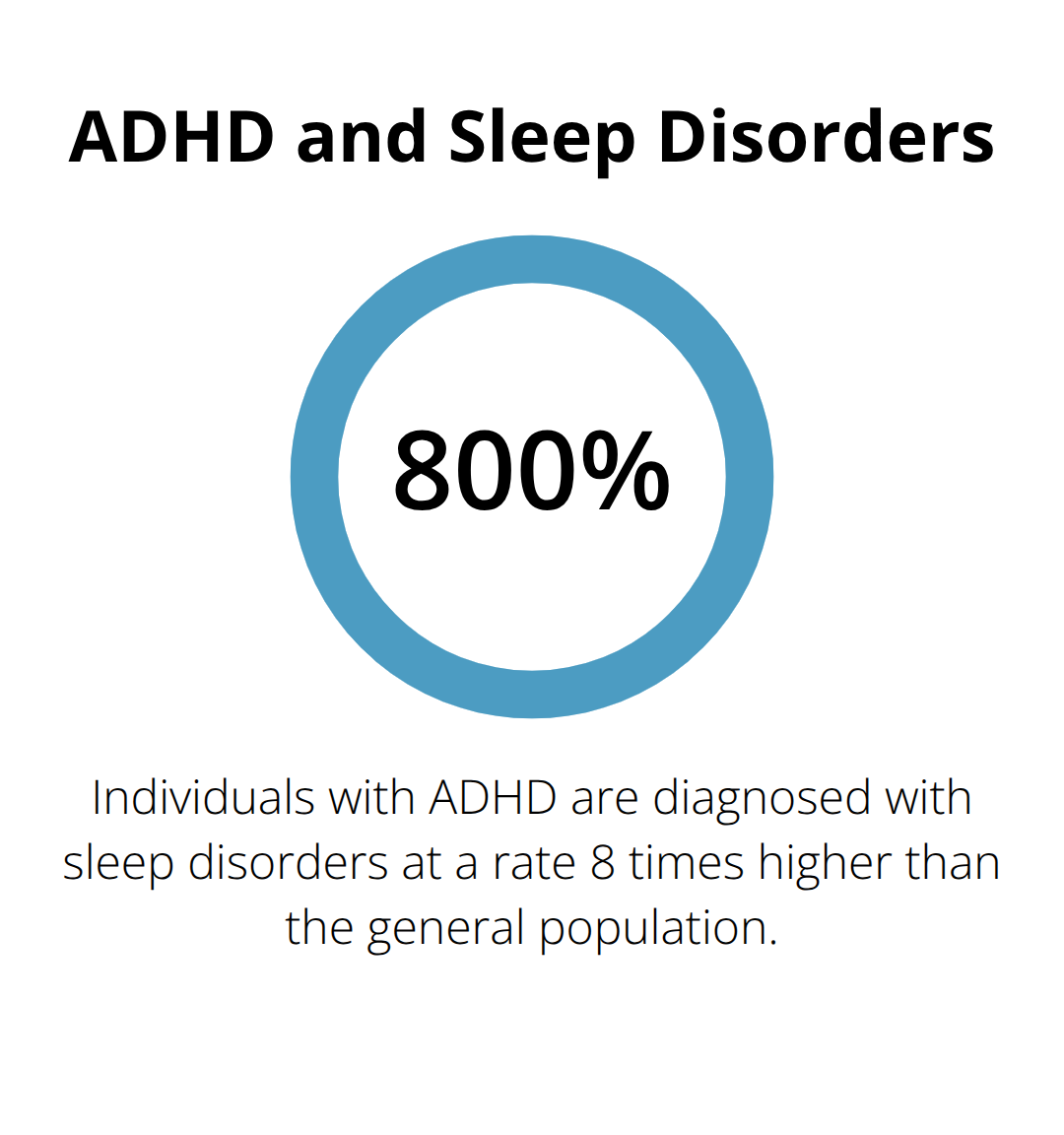
ADHD and sleep disturbances frequently occur together, creating a challenging cycle for many individuals. Research indicates that individuals with ADHD are diagnosed with sleep disorders at a rate eight times higher than the general population. This high prevalence isn’t coincidental. The same brain areas that regulate attention and impulse control also play a role in sleep regulation. When ADHD affects these areas, sleep disturbances often follow.
Common Sleep Issues in ADHD
People with ADHD often report difficulty falling asleep, staying asleep, and waking up feeling refreshed. Many describe their minds as “racing” at bedtime, making it hard to quiet thoughts and drift off. A study published in the Journal of Clinical Sleep Medicine found that adults with ADHD take an average of 30 minutes longer to fall asleep compared to those without ADHD.
Restless sleep is another common complaint. Over 80% of adults with ADHD report waking up multiple times throughout the night. This fragmented sleep can lead to daytime fatigue and worsen ADHD symptoms.
Impact on ADHD Symptoms
Poor sleep significantly exacerbates ADHD symptoms. Lack of quality sleep can impair attention, increase impulsivity, and affect emotional regulation. A study in the journal Pediatrics revealed that children with ADHD who experienced sleep problems showed more severe ADHD symptoms compared to those without sleep issues.
Moreover, sleep deprivation can trigger increased hyperactivity, impulsivity, and difficulty concentrating, making accurate diagnosis challenging. This underscores the importance of addressing sleep problems as part of ADHD treatment.
The Role of Medication
Stimulant medications, commonly prescribed for ADHD, can sometimes contribute to sleep difficulties. These medications may interfere with the ability to fall asleep if taken too late in the day. However, for some individuals, the right dose of stimulant medication can actually improve sleep quality by reducing restlessness and racing thoughts.
Circadian Rhythm Disruptions
Research suggests that individuals with ADHD may have alterations in their circadian rhythms (the body’s internal clock). This can lead to a preference for later bedtimes and difficulty waking up in the morning. Such disruptions can further complicate sleep patterns and exacerbate ADHD symptoms.
Understanding the complex relationship between ADHD and sleep is essential for effective management. In the next section, we’ll explore strategies to improve sleep quality for individuals with ADHD, including techniques that can be particularly helpful for residents of Coral Gables and surrounding areas in Florida.
Miami psychiatry specialists can provide personalized guidance on managing both ADHD and sleep issues effectively.
Practical Sleep Strategies for ADHD
Establish a Consistent Sleep Schedule
One of the most effective tools for managing ADHD-related sleep disturbances is to maintain a consistent sleep schedule. Set a fixed bedtime and wake-up time, and stick to it every day, including weekends. This practice helps regulate your body’s internal clock, making it easier to fall asleep and wake up naturally.
A study found that approximately 85% of subjects with ADHD reported excessive daytime sleepiness or poor sleep quality, with initial insomnia and interrupted sleep being the most common concerns.
Create a Calming Bedtime Routine
Develop a relaxing pre-sleep routine to signal to your brain that it’s time to wind down. This practice is particularly important for individuals with ADHD who often struggle with racing thoughts at bedtime.
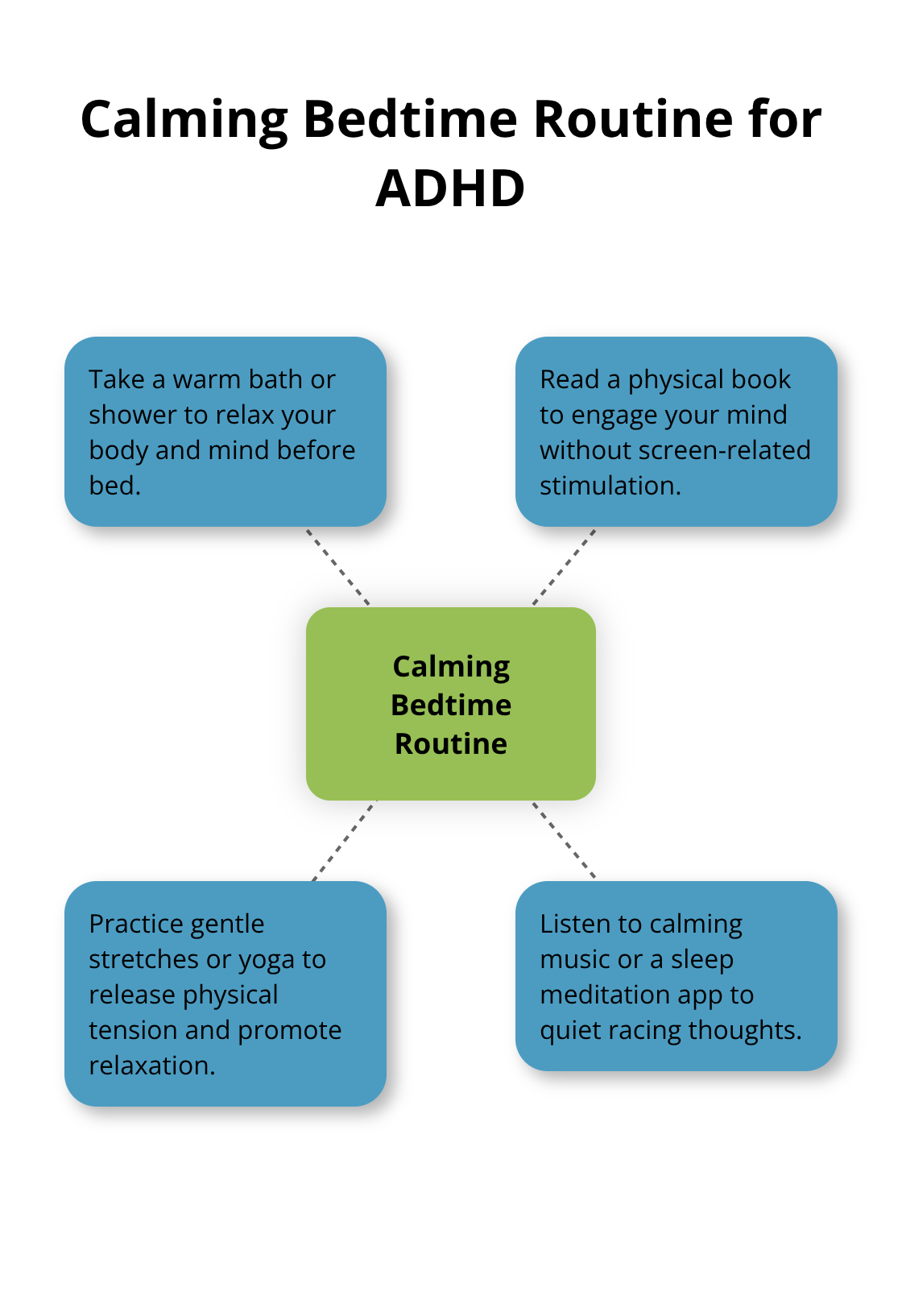
Start your routine 30-60 minutes before your intended bedtime. Consider including activities such as:
- Taking a warm bath or shower
- Reading a book (preferably a physical copy)
- Practicing gentle stretches or yoga
- Listening to calming music or a sleep meditation app
Avoid stimulating activities like watching TV, using your phone, or engaging in intense conversations close to bedtime.
Optimize Your Sleep Environment
Transform your bedroom into a sleep sanctuary. Ensure it’s dark, quiet, and cool. The National Sleep Foundation recommends a bedroom temperature between 60 to 67 degrees for optimal sleep.
Invest in blackout curtains if outside light is an issue. White noise machines can help mask disruptive sounds, especially in urban areas like Miami psychiatry or Coral Gables.
Consider your mattress and pillows too. A comfortable sleeping surface can significantly improve sleep quality.
Manage Stimulant Medication Timing
If you take stimulant medication for ADHD, timing can be crucial for sleep. Work with your psychiatry provider to find the right dosage and timing that manages your ADHD symptoms without interfering with sleep.
Some patients find that taking their last dose of medication earlier in the day helps. Others may benefit from a small dose of immediate-release medication in the evening to help quiet racing thoughts.
Everyone’s needs are different (what works for one person may not work for another). It’s essential to work closely with your healthcare provider to find the right balance.
As we move forward, let’s explore how lifestyle changes can further support better sleep for individuals with ADHD. These strategies, combined with the sleep hygiene practices we’ve discussed, can create a comprehensive approach to managing ADHD-related sleep disturbances.
How Lifestyle Changes Improve ADHD-Related Sleep
The Power of Regular Exercise
Physical activity significantly enhances sleep quality for individuals with ADHD. Regular exercise has been found to be more effective than usual treatments for decreasing time awake and increasing total sleep duration and sleep efficiency.
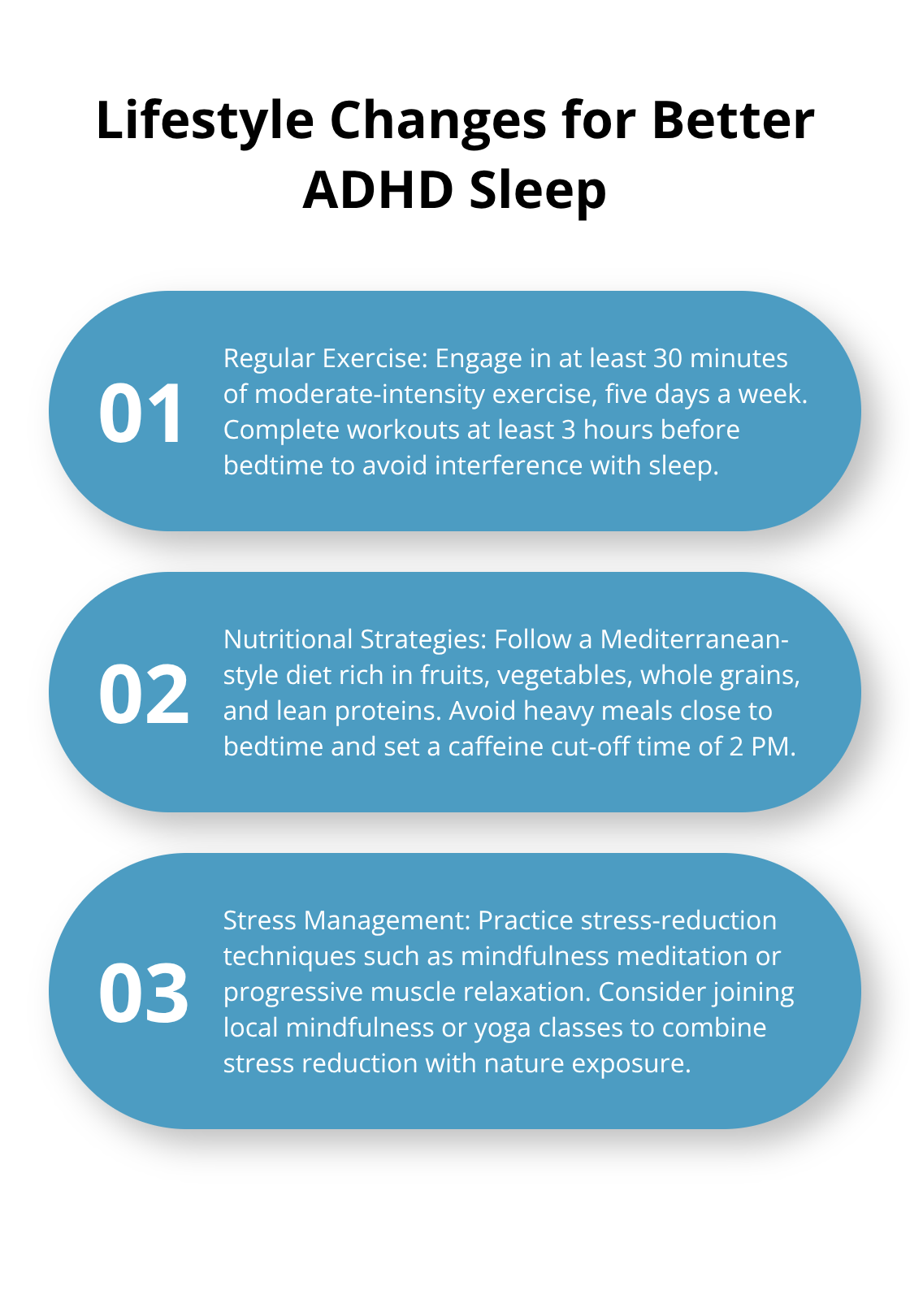
You should try to engage in at least 30 minutes of moderate-intensity exercise, five days a week. Brisk walking, swimming, or cycling are excellent options. However, timing matters. Exercise raises body temperature and releases endorphins, which can interfere with sleep if done too close to bedtime. Complete your workout at least 3 hours before you plan to sleep.
Residents of Coral Gables can take advantage of the year-round pleasant weather for outdoor activities. A morning jog along the Matheson Hammock Park trail or an evening bike ride through the tree-lined streets can promote better sleep.
Nutritional Strategies for Better Sleep
Diet significantly impacts sleep quality, especially for those with ADHD. A study in the journal Nutrients found that a Mediterranean-style diet (rich in fruits, vegetables, whole grains, and lean proteins) improved sleep quality in adults with ADHD.
Avoid heavy meals close to bedtime, as digestion can interfere with sleep. Instead, opt for a light snack combining complex carbohydrates and protein (such as whole-grain crackers with cheese or a small bowl of oatmeal with almonds). These combinations can help stabilize blood sugar levels and promote sleep-inducing hormones.
Be mindful of caffeine intake. While many individuals with ADHD use caffeine to manage symptoms, it can significantly impact sleep if consumed late in the day. Consider setting a caffeine cut-off time of 2 PM to minimize its impact on your sleep.
Effective Stress Management Techniques
Stress often triggers sleep disturbances in individuals with ADHD. Stress-reduction techniques can significantly improve sleep quality.
Progressive muscle relaxation (PMR) is another effective technique. It involves tensing and then relaxing different muscle groups in sequence.
Miami psychiatry residents should consider joining local mindfulness or yoga classes. Many parks and community centers offer outdoor sessions, allowing you to combine stress reduction with the benefits of nature exposure.
The Impact of Screen Time on Sleep
The blue light emitted by electronic devices disrupts sleep patterns, particularly for individuals with ADHD who may already struggle with sleep regulation.
Implement a digital curfew at least one hour before bedtime. If you must use devices in the evening, consider using blue light filtering apps or glasses.
Instead of scrolling through social media or watching TV before bed, engage in calming, screen-free activities. Reading a physical book, practicing gentle stretches, or engaging in a quiet hobby like drawing can signal to your brain that it’s time to wind down.
Final Thoughts
ADHD sleep disturbances require a personalized approach. Consistent sleep schedules, calming bedtime routines, and optimized sleep environments can improve sleep quality for individuals with ADHD. Regular exercise, mindful nutrition, and stress management techniques also play important roles in enhancing sleep.
Everyone’s experience with ADHD and sleep differs. Professional help can offer tailored strategies and treatments for specific needs. We at Equilibrium Mental Health Services specialize in treating various mental health conditions, including ADHD (with both medication management and psychotherapy options).
If you want to address your ADHD symptoms and sleep issues effectively, reach out to Equilibrium Mental Health Services. Our team in Coral Gables and surrounding areas is ready to support your journey to better mental health and overall well-being. Take action today for restful nights and more focused days.


