
Living with ADHD and anxiety can be challenging, but effective management is possible. At Equilibrium Mental Health Services, we understand the complex relationship between these conditions and their treatments.
ADHD medication and anxiety often intersect, requiring a thoughtful approach to care. This post explores strategies for balancing ADHD medication while addressing anxiety symptoms, helping you navigate your path to better mental health.
What Are ADHD and Anxiety?
ADHD and anxiety are two distinct mental health conditions that often coexist, creating unique challenges for those affected. Understanding their interplay is essential for effective treatment.
Defining ADHD
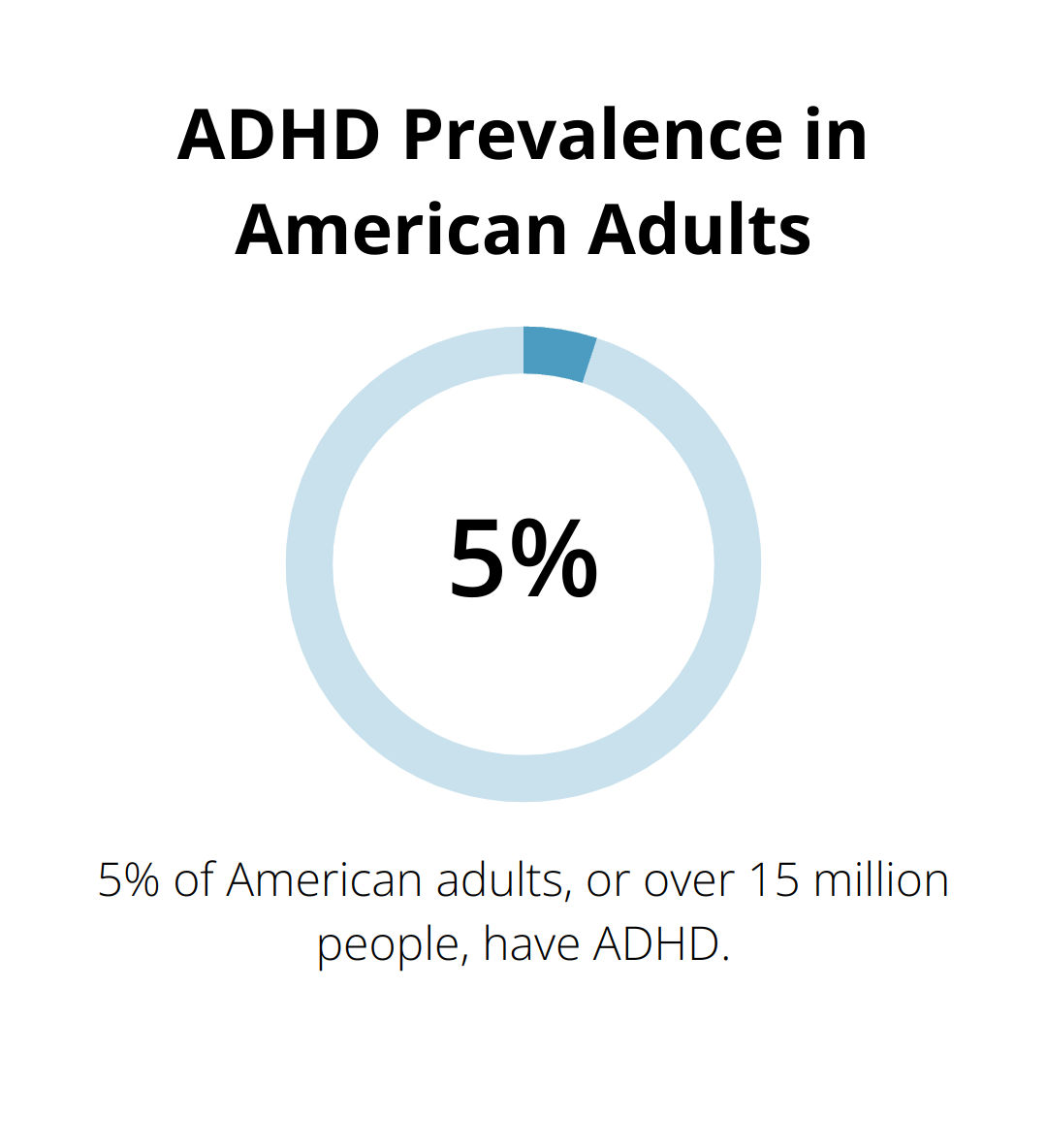
Attention-Deficit/Hyperactivity Disorder (ADHD) is a neurodevelopmental condition affecting more than 15 million adults (or up to 5% of Americans). It manifests through persistent inattention, hyperactivity, and impulsivity that interfere with daily functioning and development.
Common symptoms include:
- Difficulty focusing
- Forgetfulness
- Restlessness
- Impulsive decision-making
These symptoms can significantly impact work performance, relationships, and overall quality of life. Adults with ADHD often struggle to complete tasks, manage time effectively, or maintain organized spaces.
Understanding Anxiety Disorders
Anxiety disorders encompass a range of conditions characterized by excessive worry, fear, and related behavioral disturbances. An estimated 19.1% of U.S. adults had any anxiety disorder in the past year, with a higher prevalence among females (23.4%).
Symptoms of anxiety include:
- Persistent worry
- Restlessness
- Difficulty concentrating
- Physical manifestations (e.g., increased heart rate, sweating)
These symptoms often lead to avoidance behaviors and can severely impact daily life, from social interactions to job performance.
The ADHD-Anxiety Connection
The relationship between ADHD and anxiety is complex and bidirectional. Studies show that about 50% of adults with ADHD also experience an anxiety disorder, indicating a strong comorbidity between the two conditions.
ADHD symptoms can exacerbate anxiety. For example, difficulty with time management or task completion due to ADHD can lead to increased stress and worry. Conversely, anxiety can intensify ADHD symptoms, making it even harder to focus or complete tasks.
Many patients in Coral Gables and surrounding areas struggle with this dual diagnosis. The interplay between these conditions often requires a nuanced approach to treatment, which is why working with a Miami psychiatry professional experienced in both ADHD and anxiety is important.
Impact on Daily Life
The combination of ADHD and anxiety can create significant challenges in various aspects of life:
- Work Performance: Difficulty concentrating (ADHD) coupled with excessive worry (anxiety) can hinder productivity.
- Relationships: Impulsivity (ADHD) and social anxiety can strain personal connections.
- Self-esteem: Constant worry about ADHD symptoms can lead to decreased self-confidence.
Treatment Considerations
Effective management of both ADHD and anxiety often requires a multifaceted approach. This may include:
- Medication management
- Cognitive-behavioral therapy
- Lifestyle modifications
(It’s important to note that treatment plans should be tailored to each individual’s unique needs and symptoms.)
As we explore the impact of ADHD medications on anxiety symptoms in the next section, we’ll discuss strategies for managing both conditions simultaneously. This understanding forms the foundation for developing an effective treatment plan that addresses the complexities of living with both ADHD and anxiety.
ADHD Medications and Anxiety: Understanding the Connection
Types of ADHD Medications
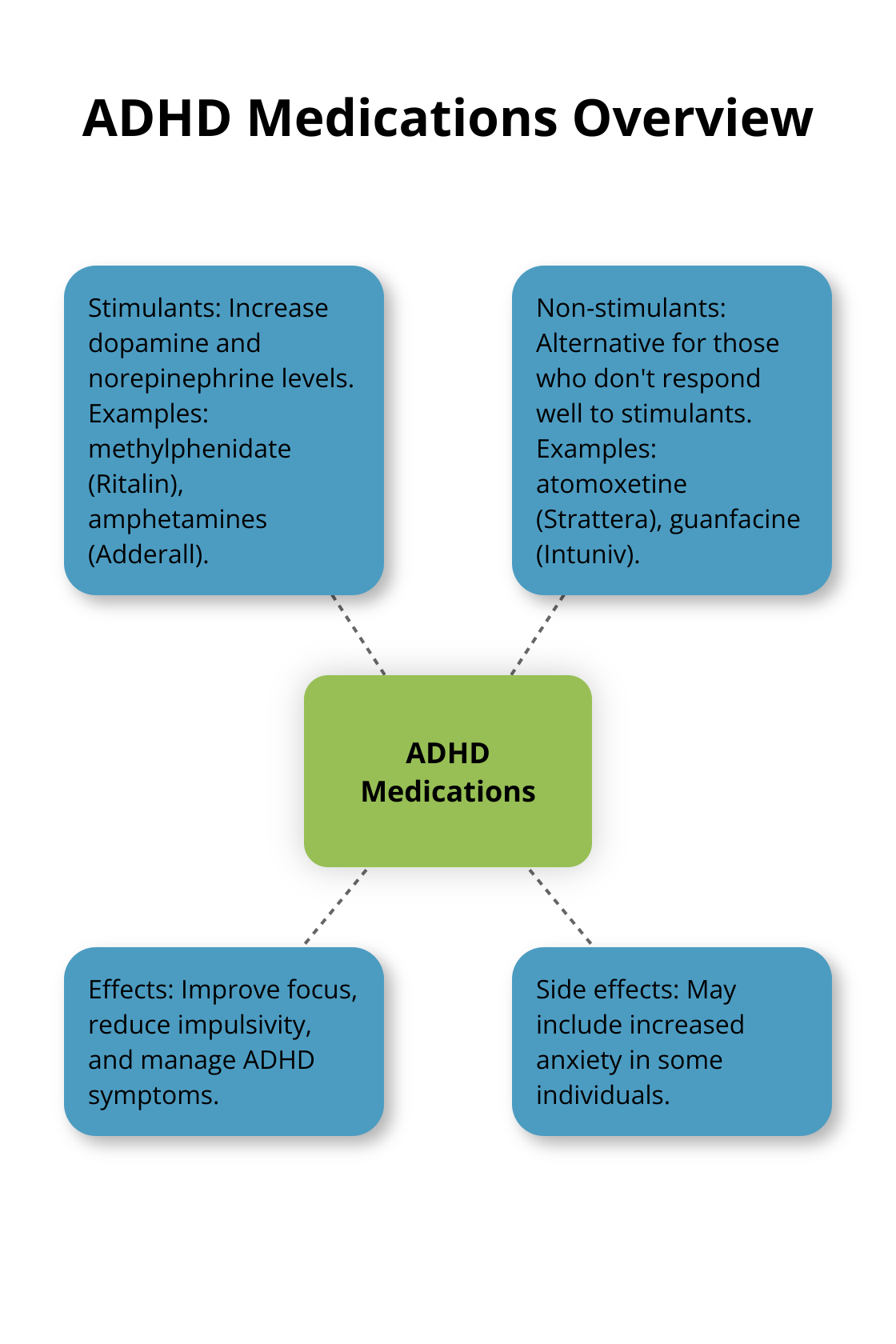
ADHD medications fall into two main categories: stimulants and non-stimulants. Stimulants, such as methylphenidate (Ritalin) and amphetamines (Adderall), are the most commonly prescribed. These medications increase dopamine and norepinephrine levels in the brain, which improves focus and reduces impulsivity. Non-stimulants, like atomoxetine (Strattera) and guanfacine (Intuniv), offer an alternative for those who don’t respond well to stimulants or have concerns about their side effects.
Impact on Anxiety Symptoms
The relationship between ADHD medications and anxiety is complex. Evidence has shown that ADHD and medications for ADHD may be associated with psychiatric disorders such as depression and anxiety in children and adolescents. For some individuals, treating ADHD symptoms can indirectly alleviate anxiety by reducing stress associated with disorganization and poor time management. However, others may experience increased anxiety as a side effect of their ADHD medication.
Research indicates that there is a positive association between ADHD and anxiety. It’s important to note that anxiety symptoms may occur as the body adjusts to the medication.
Managing Side Effects and Interactions
When you start ADHD medication, it’s important to monitor your response closely. Keep a daily log of your symptoms (both ADHD-related and anxiety-related). This information can prove invaluable when discussing your treatment with a Miami psychiatry professional.
If you notice an increase in anxiety symptoms, don’t stop your medication abruptly. Instead, consult with your healthcare provider. They may suggest adjusting your dosage, switching to a different medication, or adding an anti-anxiety treatment to your regimen.
Practical Strategies for Anxiety Management
- Timing your medication: Take stimulants earlier in the day to help minimize sleep disturbances, which can exacerbate anxiety.
- Mindfulness practices: Incorporate mindfulness techniques to help manage both ADHD symptoms and medication-induced anxiety.
- Regular exercise: Engage in physical activity to help reduce anxiety and improve overall mental health.
- Balanced nutrition: Eat regular, balanced meals to help stabilize mood and energy levels throughout the day.
- Sleep hygiene: Maintain a consistent sleep schedule to manage both ADHD and anxiety symptoms effectively.
Many patients in Coral Gables and surrounding areas struggle with balancing ADHD medication and anxiety management. Finding the right equilibrium between these two aspects of treatment often requires professional guidance and a personalized approach. In the next section, we’ll explore strategies for developing a comprehensive treatment plan that addresses both ADHD and anxiety effectively.
Effective Strategies for ADHD and Anxiety Management
Personalized Treatment Plans
Every individual’s experience with ADHD and anxiety is unique. Working with a Miami psychiatry professional to develop a personalized treatment plan is essential. This plan should address both ADHD symptoms and anxiety concerns.
A typical treatment plan might include:
- Medication adjustments: Your psychiatrist may fine-tune your ADHD medication dosage or timing to minimize anxiety symptoms. In some cases, they might recommend adding an anti-anxiety medication.
- Therapy sessions: Cognitive-behavioral therapy (CBT) has proven effective in managing ADHD. Your plan might include regular CBT sessions to develop coping strategies.
- Lifestyle modifications: Your doctor may suggest specific changes to your daily routine, such as adjusting your sleep schedule or incorporating stress-reduction techniques.
- Regular check-ins: Frequent follow-ups allow for timely adjustments to your treatment plan based on your progress and any side effects.
Lifestyle Changes for Symptom Management
Implementing certain lifestyle changes can significantly support your medication management and overall mental health:
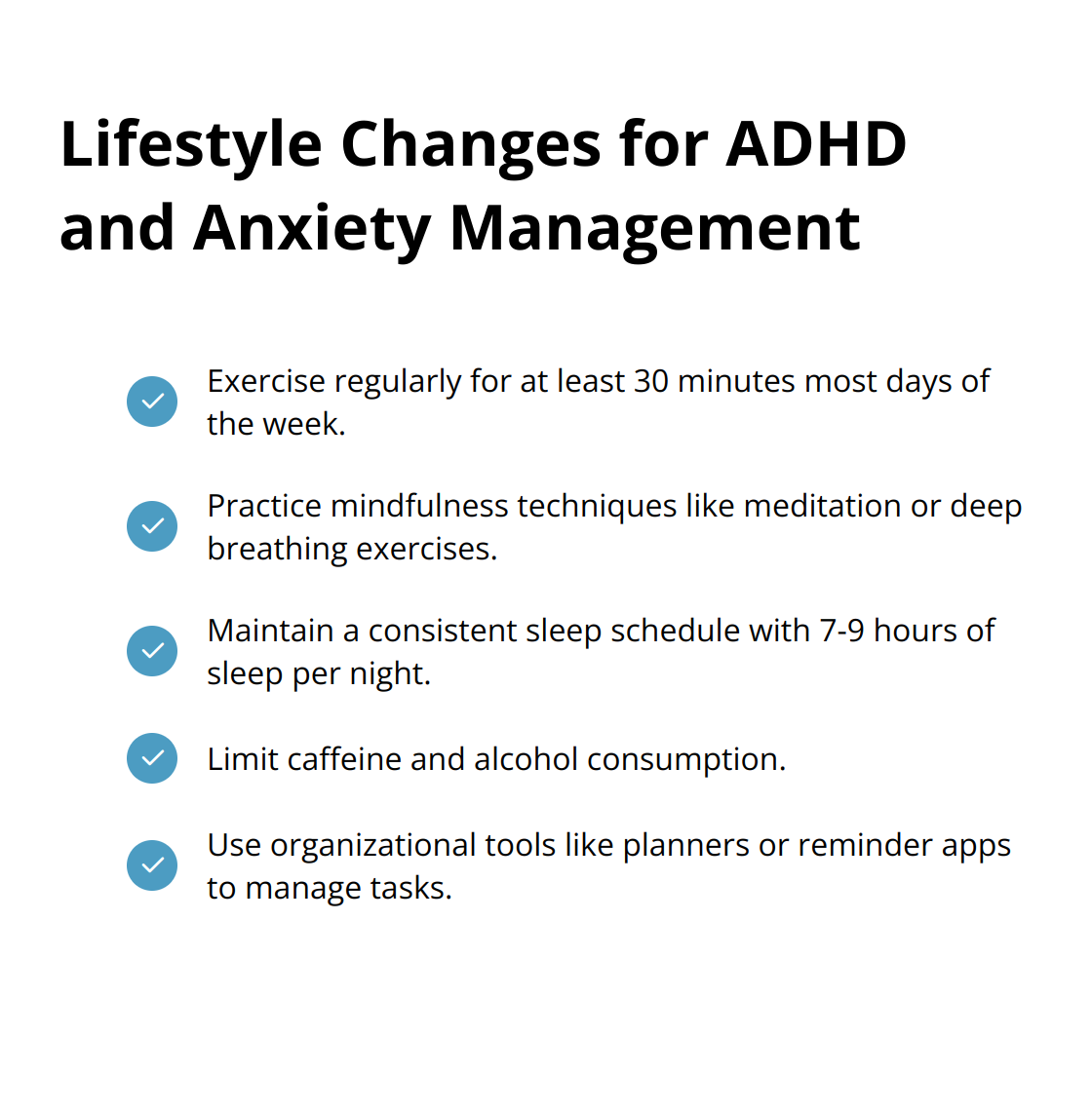
- Exercise regularly: Physical activity can help reduce both ADHD and anxiety symptoms. Try to engage in at least 30 minutes of moderate exercise most days of the week.
- Practice mindfulness: Techniques like meditation or deep breathing exercises can help manage anxiety and improve focus. Apps like Headspace or Calm can be useful tools to start (though they’re not a substitute for professional care).
- Maintain a consistent sleep schedule: Adequate sleep is important for managing both ADHD and anxiety symptoms. Try to get 7-9 hours of sleep per night and establish a regular bedtime routine.
- Limit caffeine and alcohol: Both can worsen anxiety symptoms and interfere with ADHD medication effectiveness.
- Use organizational tools: Planners, reminder apps, or visual schedules can help manage ADHD-related disorganization, which often contributes to anxiety.
Incorporating Therapy and Counseling
While medication can be effective, combining it with therapy often yields the best results. Here are some therapy options that can be particularly beneficial:
- Cognitive-behavioral therapy (CBT): CBT helps you identify and change negative thought patterns and behaviors associated with both ADHD and anxiety.
- Mindfulness-based cognitive therapy (MBCT): This approach combines CBT techniques with mindfulness practices, which can be particularly helpful for managing anxiety.
- Dialectical behavior therapy (DBT): DBT can be useful for emotional regulation, which is often challenging for individuals with ADHD and anxiety.
- Group therapy: Sharing experiences with others facing similar challenges can provide valuable support and coping strategies.
Finding the right balance between ADHD medication and anxiety management is a process that may require some trial and error. Be patient with yourself and maintain open communication with your healthcare provider. Many patients in Coral Gables and surrounding areas have found success in managing both conditions with the right support and treatment plan.
Final Thoughts
ADHD medication and anxiety management require a personalized approach. A comprehensive treatment plan should include medication management, therapy options, and lifestyle modifications. Regular exercise, consistent sleep patterns, and stress-reduction techniques support overall mental health and well-being.
Professional guidance plays a vital role in navigating the complexities of ADHD and anxiety treatment. A mental health expert can adjust medications, provide coping strategies, and tailor the approach to individual needs. Many individuals in Coral Gables have found success in managing both conditions with the right support.
Help is available for those struggling with ADHD, anxiety, or both. At Equilibrium Mental Health Services, we specialize in treating various mental health conditions (including ADHD and anxiety disorders). Our team creates personalized treatment plans to address unique needs and help achieve a healthier, more balanced life.


