
Living with ADHD can be challenging, but it’s not insurmountable. At Equilibrium Mental Health Services, we’ve seen countless individuals learn how to ADHD effectively and thrive.
This guide will explore proven strategies for managing ADHD symptoms, from medication options to lifestyle changes. We’ll also debunk common myths and provide practical tips to help you or your loved ones succeed.
What Is ADHD?
Understanding Attention Deficit Hyperactivity Disorder
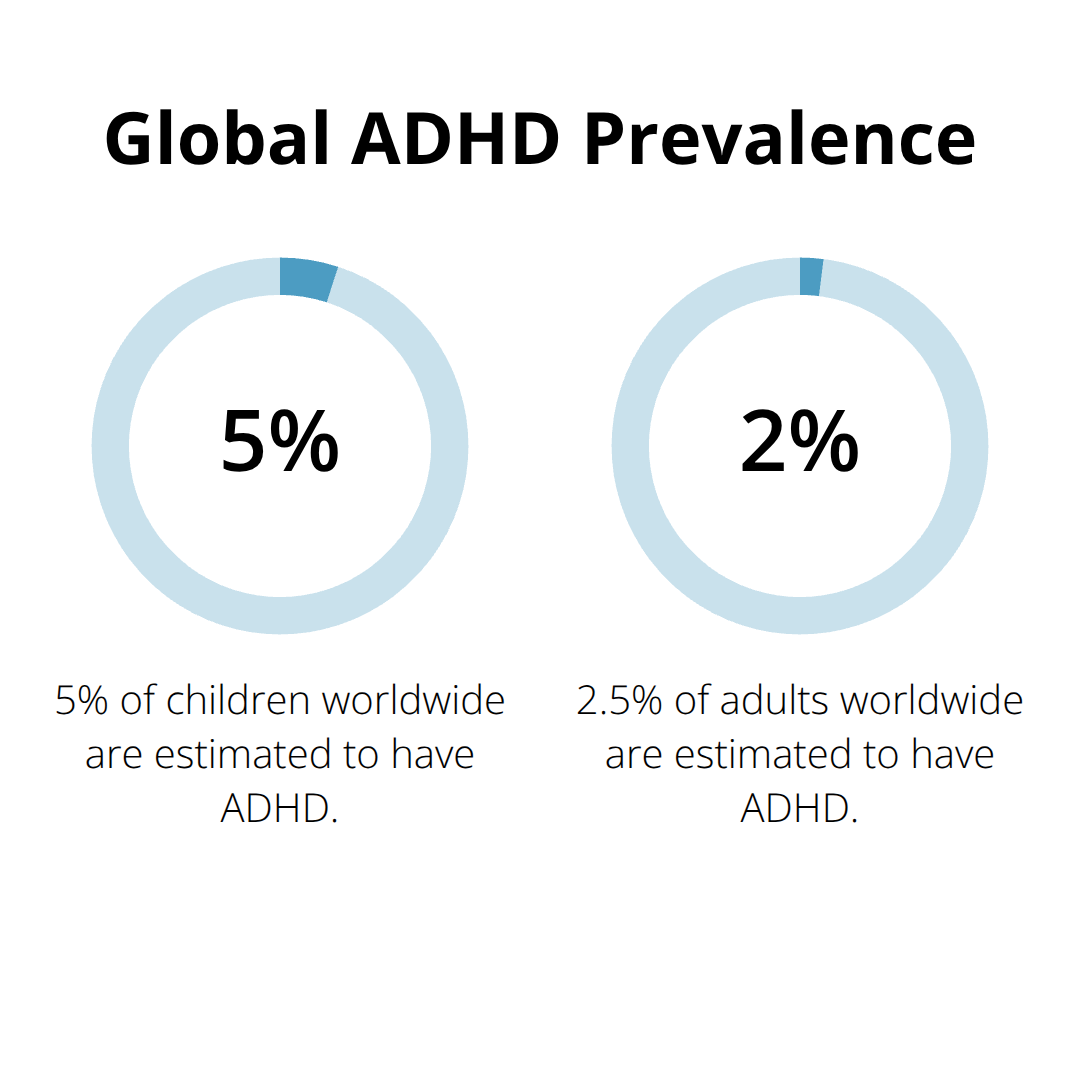
Attention Deficit Hyperactivity Disorder (ADHD) is estimated to affect around 5% of children and 2.5% of adults worldwide, according to the World Health Organization (WHO). This neurodevelopmental condition impacts daily life, but with proper management, individuals can unlock their potential for growth and success.
Adult ADHD Symptoms
ADHD manifests differently in adults compared to children. Common symptoms include:
- Focus difficulties
- Forgetfulness
- Time management challenges
- Task completion struggles
- Impulsivity
- Restlessness
ADHD isn’t just about distractibility. It affects executive functioning – the brain’s ability to plan, organize, and execute tasks. This can lead to difficulties in both personal and professional settings.
Dispelling ADHD Myths
One persistent myth portrays ADHD as a lack of willpower or laziness. This is false. ADHD is a real, neurobiological condition. It doesn’t stem from poor parenting, excessive sugar intake, or too much screen time.
Another misconception limits ADHD to childhood. In reality, ADHD often continues into adulthood. The National Institute of Mental Health reports that over 4% of U.S. adults experience ADHD. Many adults remain undiagnosed, attributing their struggles to personal failings rather than a treatable condition.
ADHD’s Impact on Relationships and Work
ADHD can significantly affect relationships. Partners might misinterpret ADHD symptoms as a lack of care or commitment. For instance, forgetting important dates or chronic lateness can strain even the strongest bonds.
In the workplace, ADHD can result in:
- Missed deadlines
- Difficulty following instructions
- Organizational challenges
However, many adults with ADHD possess unique strengths. They often excel in creative thinking and problem-solving, bringing valuable perspectives to their teams.
Seeking Professional Help
For those in Coral Gables and surrounding areas, understanding ADHD marks the first step towards effective management. If you recognize these symptoms in yourself or a loved one, reaching out to a Miami psychiatry professional can transform your life. Comprehensive ADHD assessments and personalized treatment plans can help you harness your strengths and overcome challenges.
As we move forward, let’s explore the various treatment options available for managing ADHD, including both medication and non-medication strategies.
Medication Options for ADHD
Types of ADHD Medications
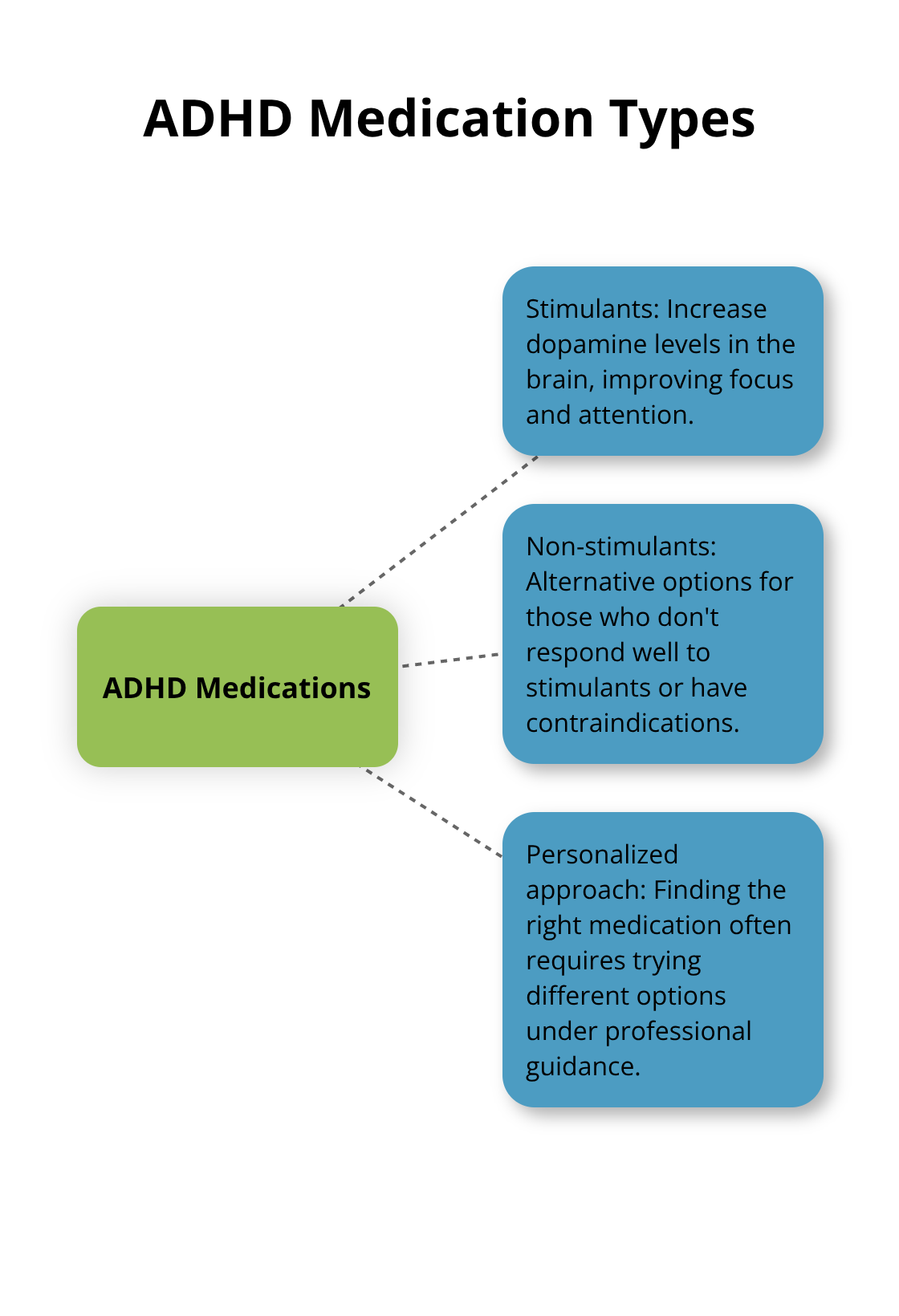
ADHD medications fall into two main categories: stimulants and non-stimulants. Many ADHD stimulant medications contain methylphenidate, an ingredient that works by increasing dopamine levels in the brain. Non-stimulants offer alternatives for those who don’t respond well to stimulants or have certain contraindications.
Benefits and Side Effects
When properly prescribed, ADHD medications can lead to remarkable improvements. Many patients in Coral Gables report better concentration at work, improved relationships, and a newfound sense of calm. However, it’s important to be aware of potential side effects. These can include decreased appetite, sleep disturbances, and (in rare cases) mood changes. A qualified psychiatrist will closely monitor patients to ensure the benefits outweigh any drawbacks.
Finding the Right Medication
There’s no one-size-fits-all approach to ADHD medication. What works for one person may not work for another. That’s why working with a Miami psychiatry professional is essential. This approach is crucial for accurately identifying and effectively treating ADHD. A thorough assessment considers factors like medical history, lifestyle, and specific ADHD symptoms. This information helps create a personalized treatment plan, which may involve trying different medications or dosages to find the optimal balance.
Combining Medication with Other Strategies
Medication often serves as a cornerstone in ADHD treatment. A comprehensive approach ensures that patients receive well-rounded care tailored to their unique needs.
The Importance of Regular Follow-ups
Starting ADHD medication is a process that requires patience and open communication with your healthcare provider. Regular follow-ups are vital to track progress and make necessary adjustments. With the right support and medication management, many individuals with ADHD find they can navigate daily challenges with greater ease and confidence.
As we explore the world of ADHD management, it’s important to recognize that medication is just one piece of the puzzle. In the next section, we’ll discuss non-medication strategies that can complement pharmaceutical treatments and provide additional support for individuals with ADHD.
Beyond Medication: ADHD Management Techniques
Structuring Your Day with Routines
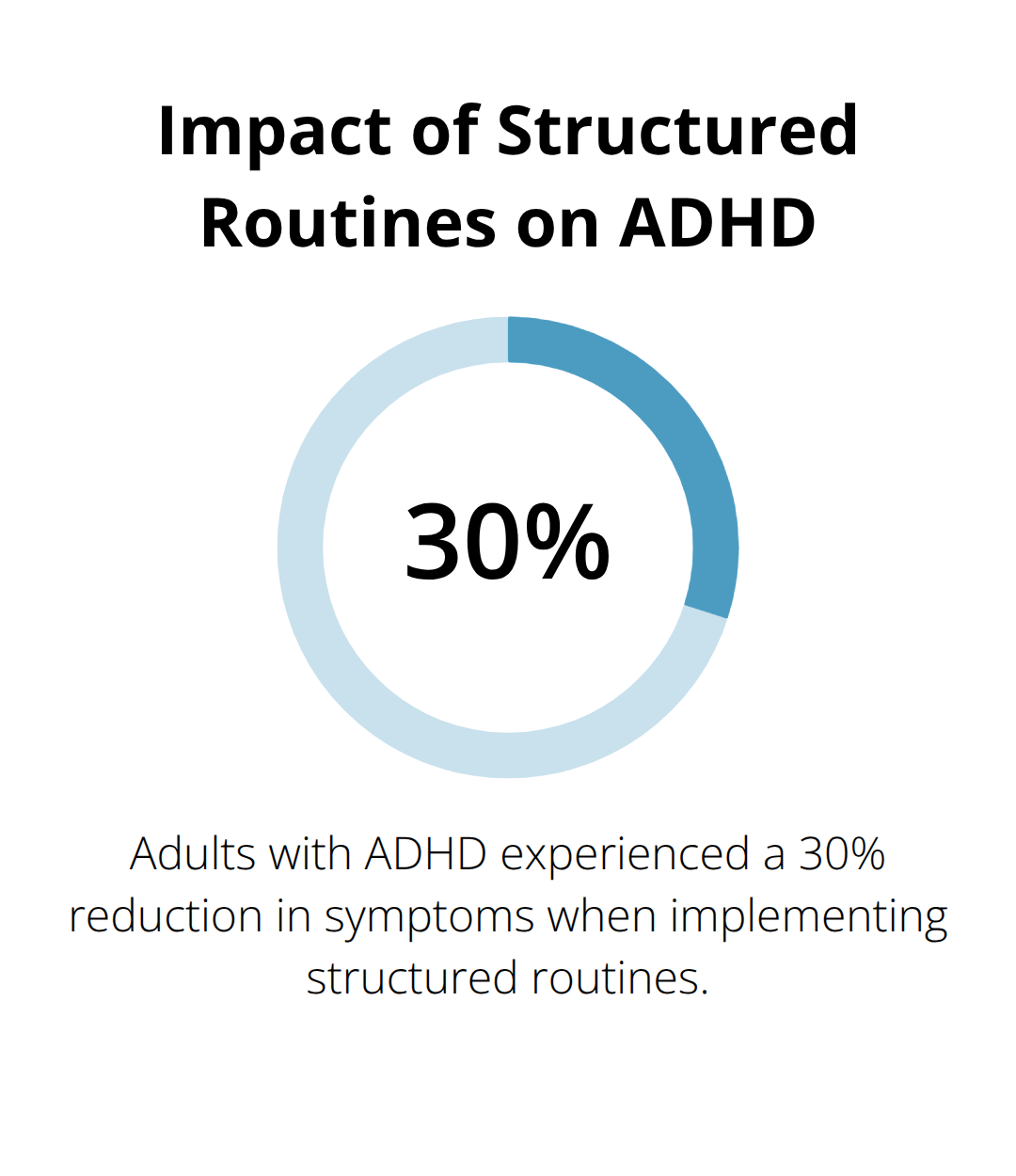
Consistent routines transform daily life for individuals with ADHD. A study in the Journal of Attention Disorders revealed that adults with ADHD who implemented structured routines experienced a 30% reduction in symptoms. Start your day with a morning routine: make your bed, eat breakfast, and review your schedule. This approach sets a positive tone and reduces decision fatigue.
For work or study, divide your day into focused blocks. The Pomodoro Technique proves effective: work for 25 minutes, then take a 5-minute break. After four cycles, take a longer 15-30 minute break. This method maintains focus and prevents burnout.
Conquering Time Management
Time blindness challenges many with ADHD. Warped time perception is a core facet of ADHD, leading to poor time management in the moment and problems organizing toward the future. Combat this issue with visual timers or apps that display passing time. Many patients find the Time Timer app useful for its clear, visual representation of elapsing time.
Prioritize tasks using the Eisenhower Matrix. This method categorizes tasks into four quadrants based on urgency and importance. Focus on tasks that are both urgent and important, and learn to delegate or eliminate less critical tasks.
The Power of Exercise
Physical activity effectively manages ADHD symptoms. A study in the Journal of Neural Transmission found that regular aerobic exercise increases dopamine and norepinephrine levels in the brain, improving attention and reducing impulsivity. Try to engage in at least 30 minutes of moderate exercise daily. Jogging, swimming, or cycling are excellent options.
For those in Coconut Grove, local sports teams or fitness classes offer additional motivation and structure (while providing a social aspect).
Nutrition for Brain Health
Diet significantly impacts ADHD symptom management. A study in Pediatrics found that a diet rich in omega-3 fatty acids improves attention and reduces hyperactivity. Include salmon, walnuts, and flaxseeds in your meals.
Avoid processed foods and excessive sugar, which lead to energy crashes and worsen symptoms. Instead, focus on whole foods, lean proteins, and complex carbohydrates to maintain stable blood sugar levels throughout the day.
Cognitive Behavioral Therapy (CBT) for ADHD
CBT proves a powerful tool for managing ADHD. A study in the Journal of Attention Disorders found that adults with ADHD who underwent CBT showed significant improvements in symptoms and daily functioning. CBT helps individuals identify and change negative thought patterns and behaviors associated with ADHD.
Many mental health providers offer specialized CBT for ADHD. This approach focuses on developing practical skills like time management, organization, and emotional regulation. Patients often experience remarkable improvements in their ability to handle work responsibilities, maintain relationships, and boost self-esteem.
Miami psychiatry services can provide additional support and guidance in implementing these ADHD management techniques.
Final Thoughts
Managing ADHD requires a personalized approach tailored to individual needs. From medication to structured routines, the strategies we’ve explored offer a comprehensive toolkit for those learning how to ADHD effectively. Time management techniques, exercise, and proper nutrition play vital roles in symptom control (alongside Cognitive Behavioral Therapy for developing practical skills).
No single solution works for everyone with ADHD. Finding the right combination of strategies takes time and patience. This journey of discovery and management continues, and it’s acceptable to adjust your approach as needed.
If you struggle with ADHD symptoms in Coconut Grove or nearby areas, professional help is available. Equilibrium Mental Health Services offers expert care for adults with ADHD. Our team creates personalized treatment plans that may include both medication management and psychotherapy. We want to help you find balance and achieve a healthier life.


