
ADHD affects approximately 6.1 million children and 4.4% of adults in the United States, with emotional dysregulation being one of the most challenging aspects to manage.
We at Equilibrium Mental Health Services see firsthand how ADHD and emotional dysregulation can impact daily functioning, relationships, and overall quality of life. The good news is that effective strategies exist to help you regain control and build emotional stability.
Why ADHD Makes Emotions Feel Overwhelming
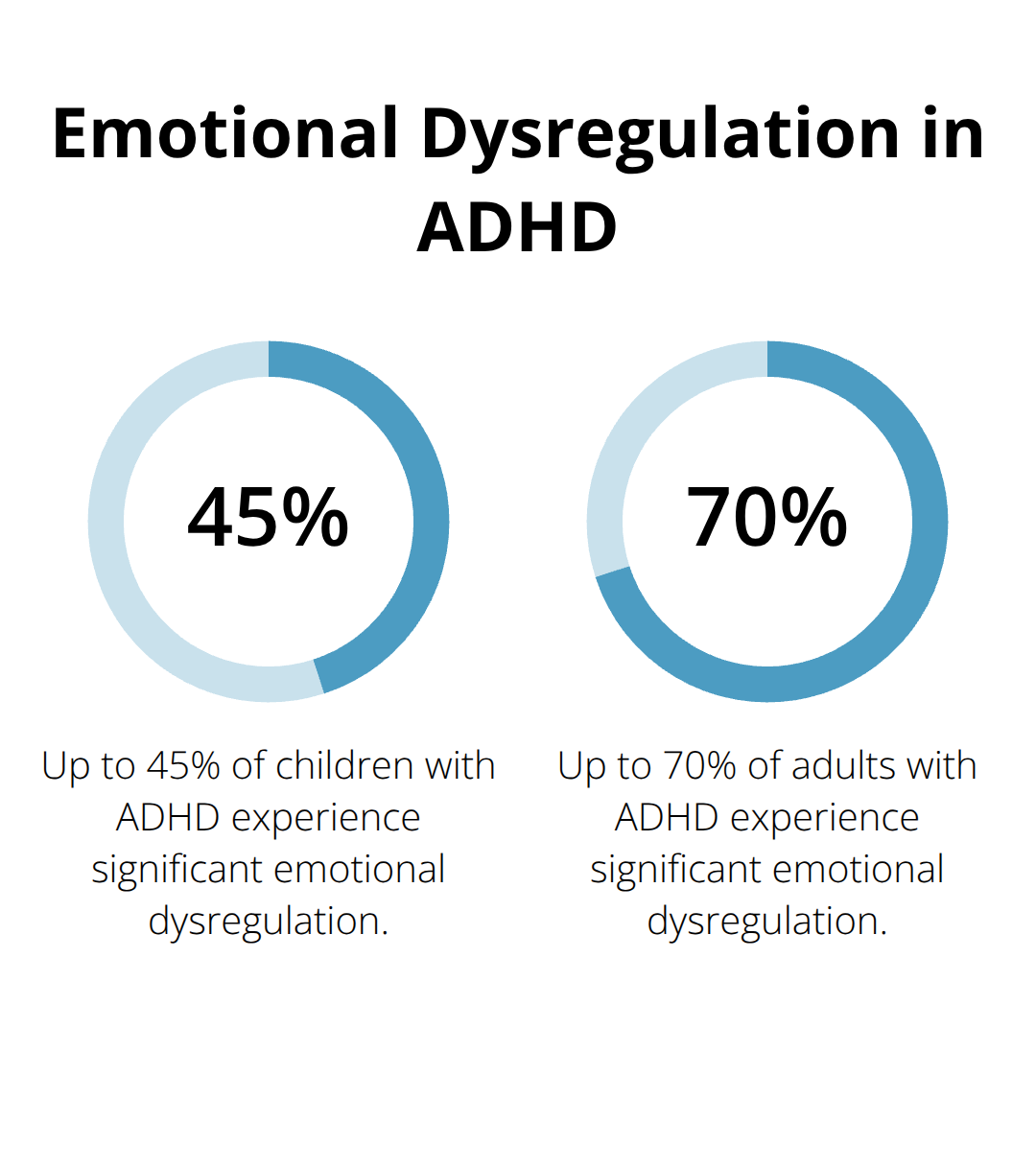
ADHD fundamentally alters how your brain processes and regulates emotions. Research shows that 25-45% of children and 30-70% of adults with ADHD experience significant emotional dysregulation. The ADHD brain has structural differences in the prefrontal cortex (the area responsible for executive function and emotional control). This means your emotional responses happen faster and more intensely than neurotypical individuals, which makes it harder to pause between feeling and reacting.
The Executive Function Connection
Your brain’s executive function system acts as the control center for emotions, but ADHD disrupts this process. When emotional dysregulation occurs, you might experience rapid mood swings, intense anger that seems disproportionate to the situation, or overwhelming feelings that crash over you without warning. Studies indicate that 62.7% of individuals with ADHD score in the moderate to severe range for emotional dysregulation. This isn’t a character flaw – it’s a neurological difference that requires specific strategies and often professional support from Miami psychiatry professionals.
Physical Signs Your Body Shows
Your body often signals emotional dysregulation before your mind recognizes it. Heart rate increases, muscles tense, and breathing becomes shallow when emotions spike. Many people with ADHD report feeling physically “revved up” or agitated before emotional outbursts occur. These physical warning signs can serve as early alerts that your nervous system needs support.
How Time Blindness Amplifies Emotions
Time blindness compounds emotional struggles significantly. When you can’t accurately judge how long negative emotions will last, they feel endless and more threatening. A moment of frustration stretches into what feels like hours of distress. This distorted time perception makes emotional regulation even more challenging because you lose perspective on the temporary nature of difficult feelings.
Gender Differences in Emotional Expression
Girls with ADHD often show higher levels of emotional dysregulation than boys, frequently masking their struggles through people-pleasing or perfectionism. They may internalize their emotional chaos rather than express it outwardly, leading to anxiety, depression, and self-criticism. Boys typically display more external signs like anger or defiance, making their emotional struggles more visible to parents and teachers.
These neurological differences in emotional processing set the stage for understanding why traditional emotion management techniques often fall short for people with ADHD.
What Treatments Actually Work for ADHD Emotional Storms
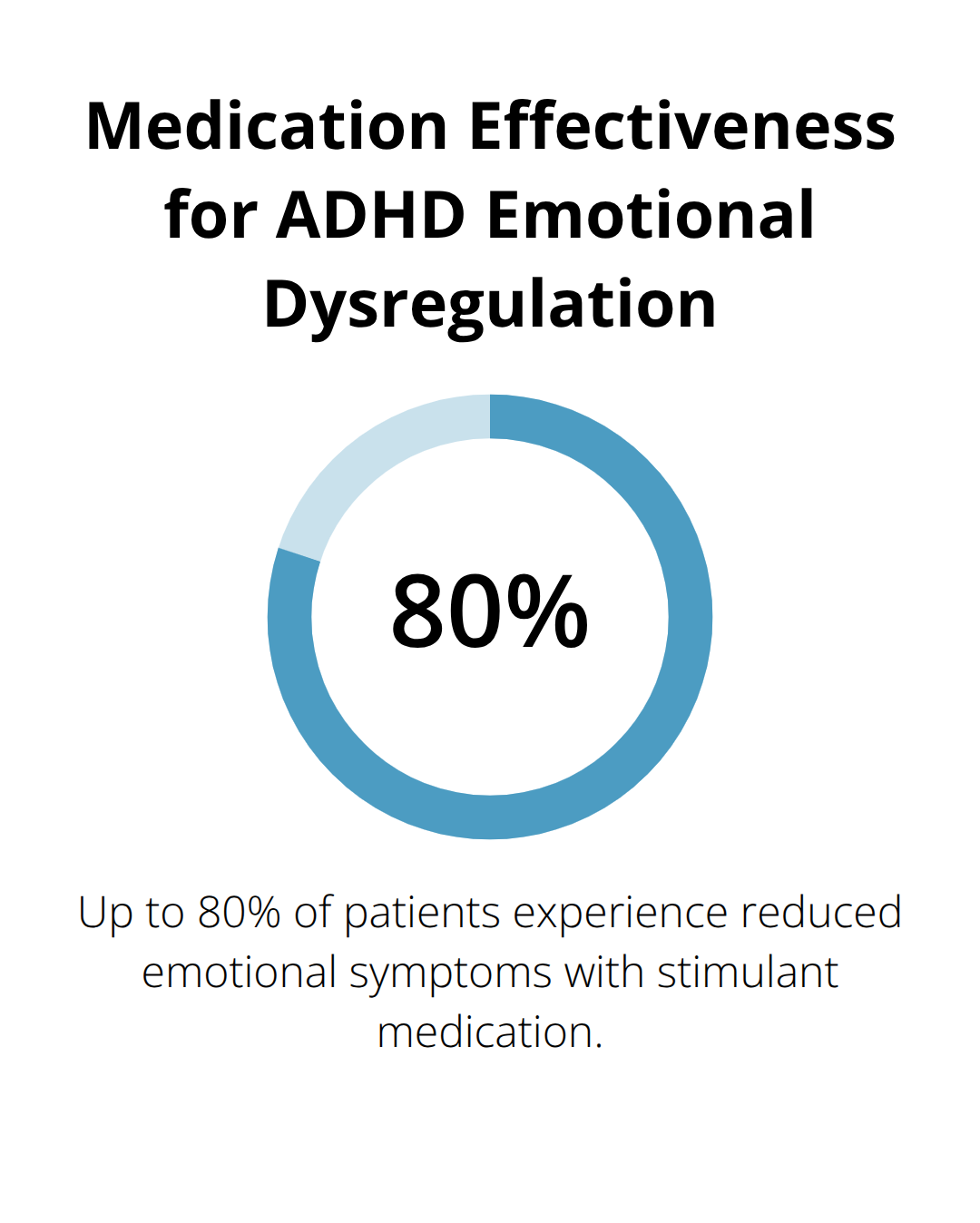
Medication remains the most effective first-line treatment for ADHD emotional dysregulation. Stimulants like methylphenidate and amphetamines reduce emotional symptoms in 70-80% of patients according to multiple clinical trials. Non-stimulant options including atomoxetine and guanfacine specifically target emotional regulation circuits in the brain, often providing smoother mood stability throughout the day.
Medication Combinations That Work
Psychiatrists frequently combine medications strategically when single treatments fall short. A stimulant addresses core ADHD symptoms while a mood stabilizer or antidepressant tackles persistent emotional volatility. This approach proves particularly effective for adults who experience breakthrough emotional episodes despite optimal ADHD treatment (especially common in Miami psychiatry practices dealing with high-stress professional environments).
Therapy That Targets ADHD Brain Patterns
Cognitive Behavioral Therapy adapted for ADHD focuses on identifying emotional triggers before they escalate into full reactions. CBT teaches specific techniques like the STOP method – pause, take a breath, observe your thoughts, and proceed mindfully. Therapists help patients recognize the physical warning signs that precede emotional outbursts.
Dialectical Behavior Therapy proves even more effective for severe emotional dysregulation. DBT teaches distress tolerance skills like ice cubes on wrists during rage episodes or intensive exercise to discharge overwhelming energy. The emotion regulation module includes opposite action techniques – when anger surges, you deliberately act opposite by speaking softly and relaxing your facial muscles.
Sleep and Exercise That Stabilize Your Nervous System
Sleep consistency matters more than sleep duration for ADHD emotional regulation. Going to bed and waking at identical times daily reduces emotional volatility by 40% within two weeks. Your brain’s emotional regulation systems depend on predictable circadian rhythms to function properly.
High-intensity interval training for 20 minutes three times weekly provides exercise benefits for ADHD symptoms, though research shows mixed results on emotional reactivity changes. This approach works because it mimics the ADHD brain’s need for intense stimulation while building stress resilience.
Nutrition Strategies That Prevent Emotional Crashes
Protein-rich breakfasts within one hour of waking prevent the blood sugar crashes that trigger afternoon emotional meltdowns. Your ADHD brain requires steady glucose levels to maintain emotional stability throughout the day. Eliminating caffeine after 2 PM improves both sleep quality and next-day emotional stability, creating a positive cycle of better rest and calmer reactions.
These evidence-based treatments form the foundation, but daily management strategies make the real difference in your moment-to-moment emotional experiences.
How to Build Emotional Stability Into Your Daily Life
The 15-minute morning routine makes or breaks your emotional stability for the entire day. Wake at the same time daily, eat protein within 30 minutes, and complete three specific tasks before you check your phone. This sequence activates your prefrontal cortex while your emotional brain remains calm, which sets you up for better control throughout the day. Your ADHD brain craves predictable structure because it reduces the cognitive load of constant decisions that typically trigger emotional overwhelm.
Create Your Emotional Safety Net Through Structure
Your evening routine matters just as much as your preparation each morning. Set three specific times daily for emotional check-ins with the 0-10 intensity scale. Rate your current emotional state, identify what triggered any spikes above 6, and write down one specific action you took that helped or could help next time. This data collection helps you recognize patterns and builds awareness before emotions escalate beyond your control. Schedule demanding tasks during your personal peak focus hours (typically 2-4 hours after taking ADHD medication), when your emotional regulation capacity runs strongest.
Emergency Techniques That Stop Emotional Spirals
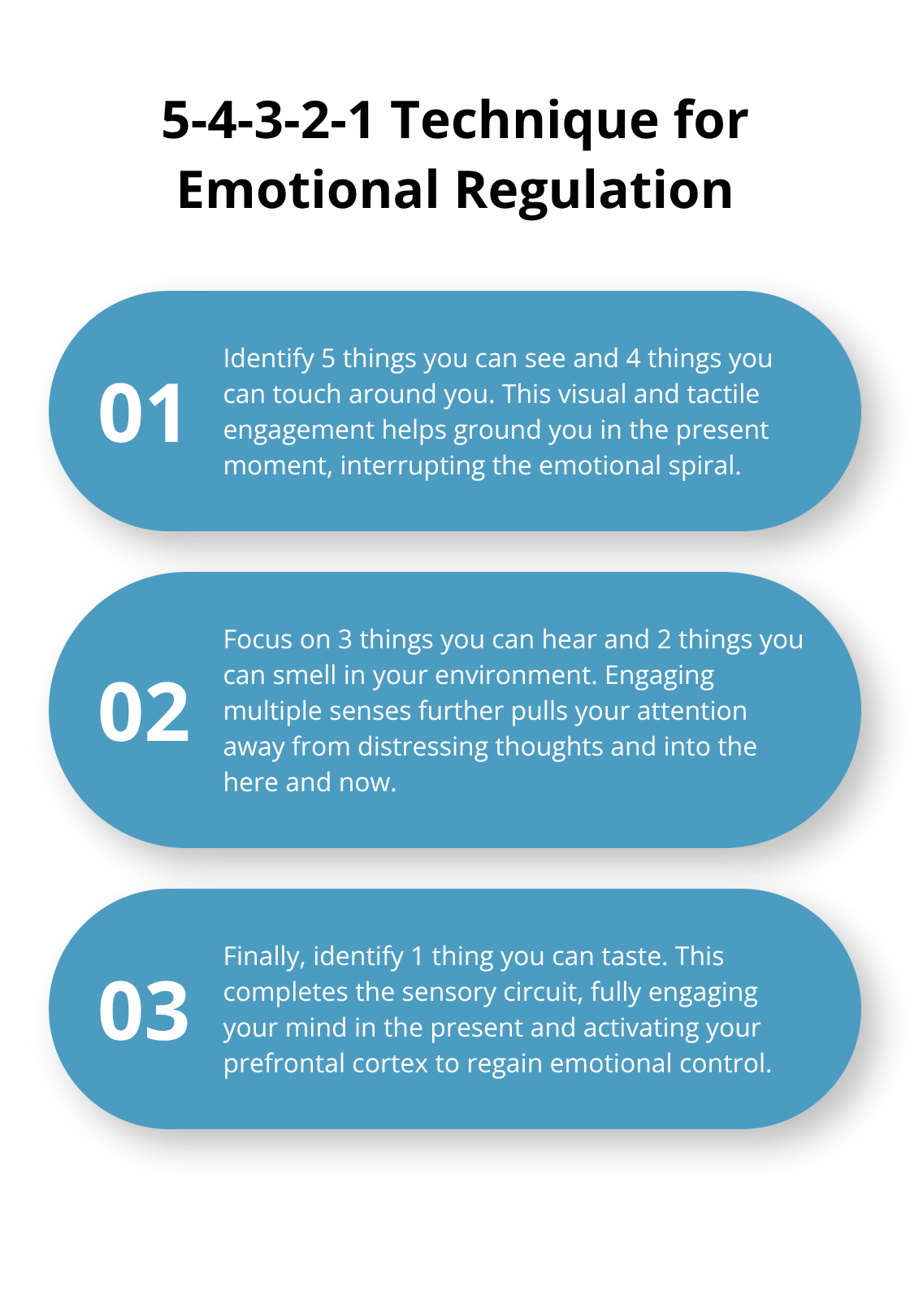
The 5-4-3-2-1 technique involves identifying 5 things you can see, 4 things you can touch, 3 things you can hear, 2 things you can smell, and 1 thing you can taste. This sensory engagement interrupts the emotional spiral because it forces your attention into the present moment rather than the catastrophic thoughts that feed your distress.
Keep ice cubes in your freezer specifically for emotional emergencies – hold them for 30 seconds to activate your parasympathetic nervous system and create immediate calm. Text-based emotional support works better than phone calls for many ADHD individuals because it removes the pressure of immediate response while you process feelings.
Communication Scripts That Prevent Relationship Damage
Use the phrase “I need 10 minutes to process this before I respond” instead of reacting immediately when emotions spike during conversations. This buys you time to engage your prefrontal cortex rather than respond from your emotional brain. Practice the specific script “I feel overwhelmed right now, and I want to give you my best response” with family members and coworkers before you need it. Share your ADHD emotional patterns with close relationships during calm moments, and explain that your intense reactions don’t reflect your actual feelings about them personally.
Track What Actually Works for Your Brain
Document your emotional patterns for two weeks to identify your personal triggers and effective strategies. Note sleep quality, meal timing, medication effects, and stress levels alongside your emotional ratings. Most people with ADHD discover that specific combinations of factors predict their emotional stability better than any single variable. This data becomes invaluable when working with Miami psychiatry professionals who can help you optimize your treatment plan based on real patterns rather than general recommendations.
Taking Control of Your Emotional Life
ADHD and emotional dysregulation respond best to comprehensive treatment that combines medication, therapy, and structured daily routines. Professional support transforms the struggle from an isolated battle into a manageable condition with clear strategies. Your brain needs individualized care that addresses both attention symptoms and emotional volatility together (rather than treating them as separate issues).
We at Equilibrium Mental Health Services provide psychiatric care and therapy specifically designed for adults who face these complex challenges. Our team creates personalized treatment plans that target your specific symptoms and help you build sustainable emotional stability. We work with you to identify triggers, optimize medication schedules, and develop practical coping strategies that fit your lifestyle.
Take the first step toward better emotional regulation by contacting Equilibrium Mental Health Services today. Our experienced professionals support your journey toward improved emotional control and enhanced quality of life. You deserve to feel confident in your ability to handle life’s emotional challenges effectively.


