
Living with ADHD and depression can feel like an overwhelming challenge. These two conditions often intertwine, creating a complex web of symptoms that can significantly impact daily life.
At Equilibrium Mental Health Services, we understand the unique struggles faced by individuals dealing with ADHD depression. This guide offers practical strategies to help you manage both conditions effectively, improving your overall well-being and quality of life.
How ADHD and Depression Interact
ADHD and depression often coexist, creating a complex interplay of symptoms that significantly impact daily life. At Equilibrium Mental Health Services, we frequently observe patients struggling with both conditions simultaneously. Understanding this relationship is essential for effective management and treatment.
Overlapping Symptoms
ADHD and depression share several symptoms, which complicates diagnosis. Both conditions cause difficulty concentrating, low motivation, and irritability. For example, a patient might struggle to focus at work due to ADHD, leading to feelings of inadequacy and potentially triggering depressive symptoms.
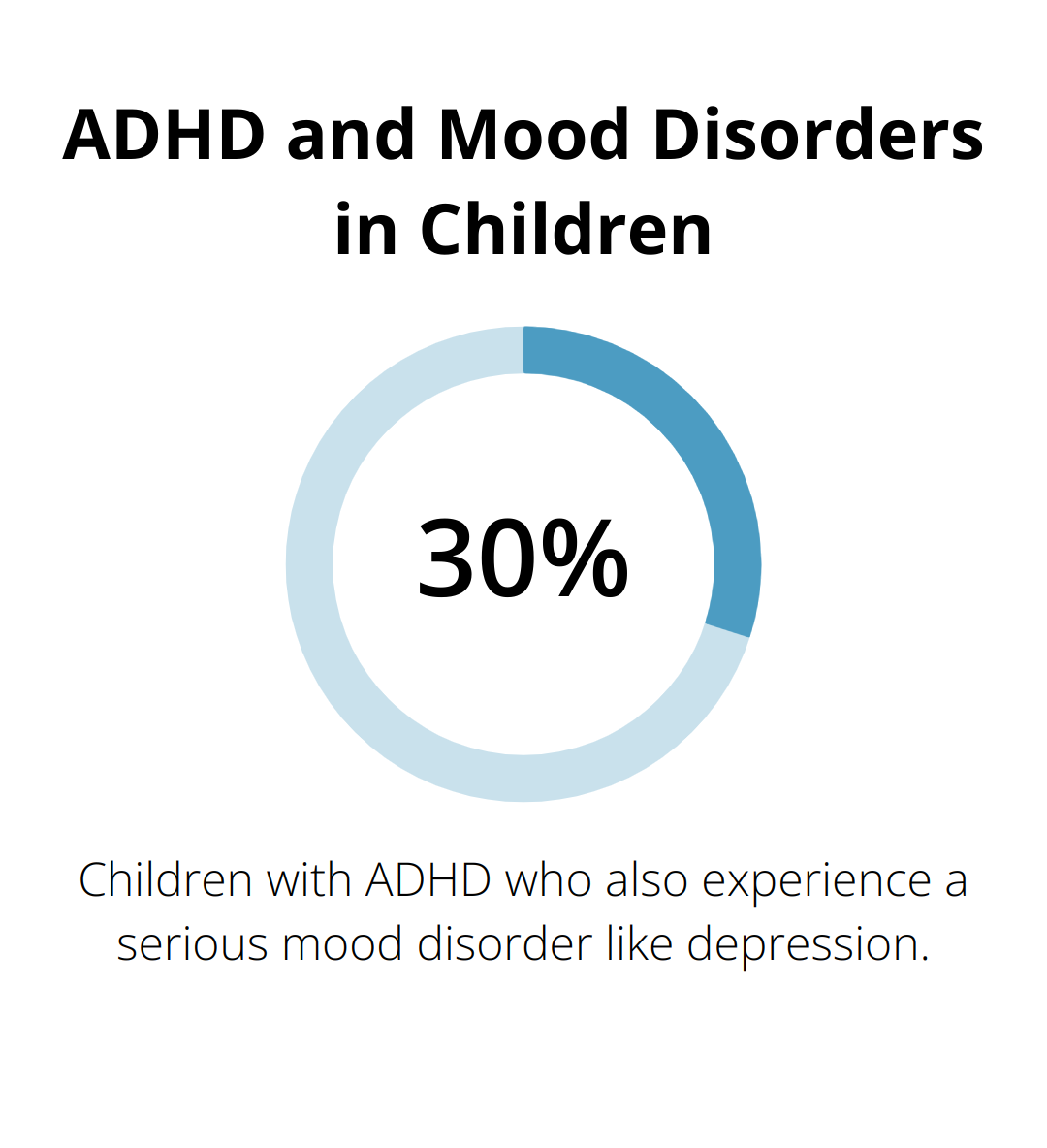
Research from the National Institute of Mental Health reveals that approximately 30% of children with ADHD also experience a serious mood disorder like depression. This statistic highlights the frequent co-occurrence of these conditions.
ADHD as a Catalyst for Depression
Untreated ADHD often paves the way for depression. The constant struggle with organization, time management, and impulsivity leads to repeated failures in personal and professional life. Over time, these experiences erode self-esteem and trigger depressive episodes.
Recent research suggests that ADHD genetic liability is associated with an increased risk of depression. This underscores the importance of early ADHD diagnosis and treatment in preventing secondary depression.
Challenges of Dual Management
Managing both ADHD and depression simultaneously presents unique challenges. Medications for one condition may exacerbate symptoms of the other. For instance, some antidepressants increase restlessness in individuals with ADHD, while stimulants used for ADHD might potentially worsen anxiety symptoms associated with depression.
At Equilibrium Mental Health Services in Miami psychiatry (serving Coral Gables and surrounding areas), we take a comprehensive approach to treatment. We carefully consider the interplay between ADHD and depression when developing personalized treatment plans for our patients.
The Importance of Concurrent Treatment
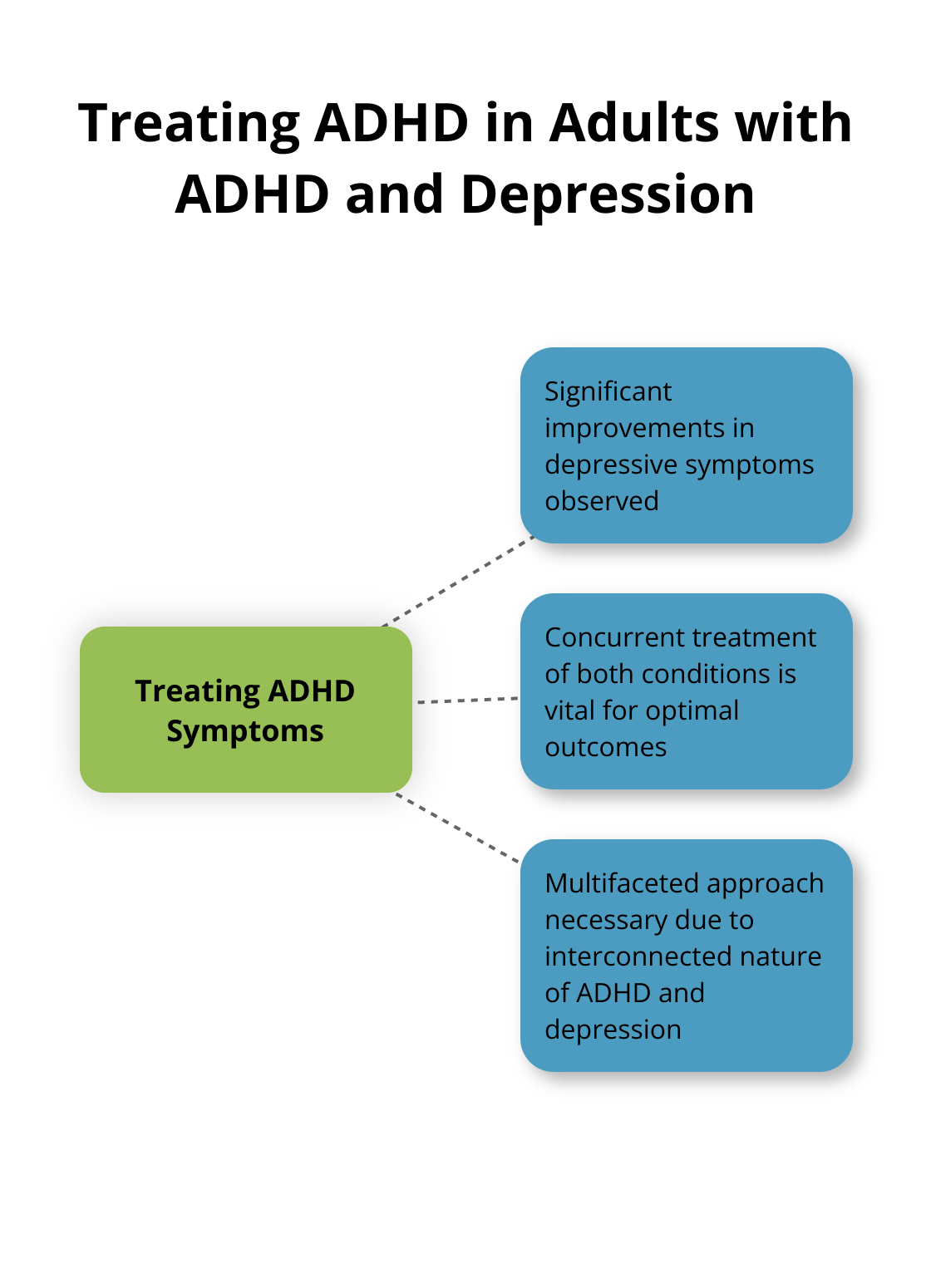
Addressing both conditions concurrently is vital for optimal outcomes. A study in the Journal of Clinical Psychiatry found that treating ADHD symptoms in adults with both ADHD and depression led to significant improvements in depressive symptoms as well.
This interconnected nature of ADHD and depression necessitates a multifaceted treatment approach. In the next section, we will explore various treatment options that target both conditions effectively, providing a roadmap for those seeking relief from the combined burden of ADHD and depression.
Effective Treatments for ADHD and Depression
Managing ADHD and depression simultaneously requires a multifaceted approach. At Equilibrium Mental Health Services, we tailor treatment plans to address both conditions effectively. Here’s an overview of the most successful strategies we employ:
Medication Management
The combination of medications for ADHD and depression demands careful consideration. Doctors often prescribe stimulants like methylphenidate or amphetamines for ADHD. For depression, selective serotonin reuptake inhibitors (SSRIs) are common choices. However, the interaction between these medications can be complex.
A study published in the Journal of Clinical Psychiatry found that treating ADHD symptoms in adults with both ADHD and depression led to significant improvements in depressive symptoms. This finding underscores the importance of addressing both conditions concurrently.
In some cases, a single medication might target both conditions. For instance, bupropion (Wellbutrin) can help with both ADHD and depression symptoms. However, it’s important to work closely with a psychiatrist to find the right combination and dosage.
Psychotherapy Approaches
Cognitive Behavioral Therapy (CBT) proves highly effective for both ADHD and depression. It helps patients identify and change negative thought patterns and behaviors. A meta-analysis indicates that CBT for adults with ADHD was effective in reducing both core and emotional symptoms.
Dialectical Behavior Therapy (DBT) is another powerful tool, especially for emotional regulation. It teaches mindfulness, distress tolerance, and interpersonal effectiveness skills. These skills are particularly beneficial for managing the impulsivity associated with ADHD and the mood fluctuations of depression.
Mindfulness-Based Cognitive Therapy (MBCT) combines mindfulness practices with cognitive therapy techniques. It’s particularly effective in preventing depressive relapse. Results of a meta-analysis indicate that MBCT is an effective intervention for relapse prevention in patients with recurrent MDD in remission.
Lifestyle Modifications
Exercise is a powerful tool for managing both ADHD and depression. A study in the Frontiers in Psychology journal showed that regular aerobic exercise improved attention, cognitive function, and impulse control in adults with ADHD. Similarly, the Harvard T.H. Chan School of Public Health reports that running for 15 minutes a day (or walking for an hour) reduces the risk of major depression by 26%.
Sleep hygiene plays a vital role. Both ADHD and depression can disrupt sleep patterns, which in turn exacerbates symptoms. Try to establish a consistent sleep schedule, avoid screens before bedtime, and create a relaxing bedtime routine to significantly improve sleep quality.
Nutrition also contributes significantly. A diet rich in omega-3 fatty acids (found in fish, flaxseeds, and walnuts) has shown to improve both ADHD and depression symptoms. The American Journal of Psychiatry published a study indicating that omega-3 supplementation reduced ADHD symptoms in children by 40%.
These evidence-based approaches form the foundation of personalized treatment plans. Our goal is to help patients in Miami psychiatry (and surrounding areas like Pinecrest and Palmetto Bay) find balance and improve their quality of life while managing both ADHD and depression.
As we move forward, let’s explore practical coping strategies that can complement these treatments and enhance daily life for individuals managing ADHD and depression.
Daily Strategies for ADHD and Depression
Time Management Techniques
The Pomodoro Technique stands out as an effective tool for managing ADHD and depression. This method involves working in focused 25-minute intervals, followed by short breaks. A study published in the Journal of Attention Disorders found that adults with ADHD who used this technique improved their time management skills by 30% over a six-week period.
Time blocking also proves powerful. Dedicate specific time slots to tasks, and use visual aids like color-coded calendars. Research from the University of California, Irvine shows that people who use time blocking are 20% more productive than those who don’t.
For those who struggle with procrastination, the “two-minute rule” can transform habits. If a task takes less than two minutes, do it immediately. This approach helps build momentum and prevents small tasks from piling up (which can overwhelm individuals with ADHD and depression).
Stress Reduction Methods
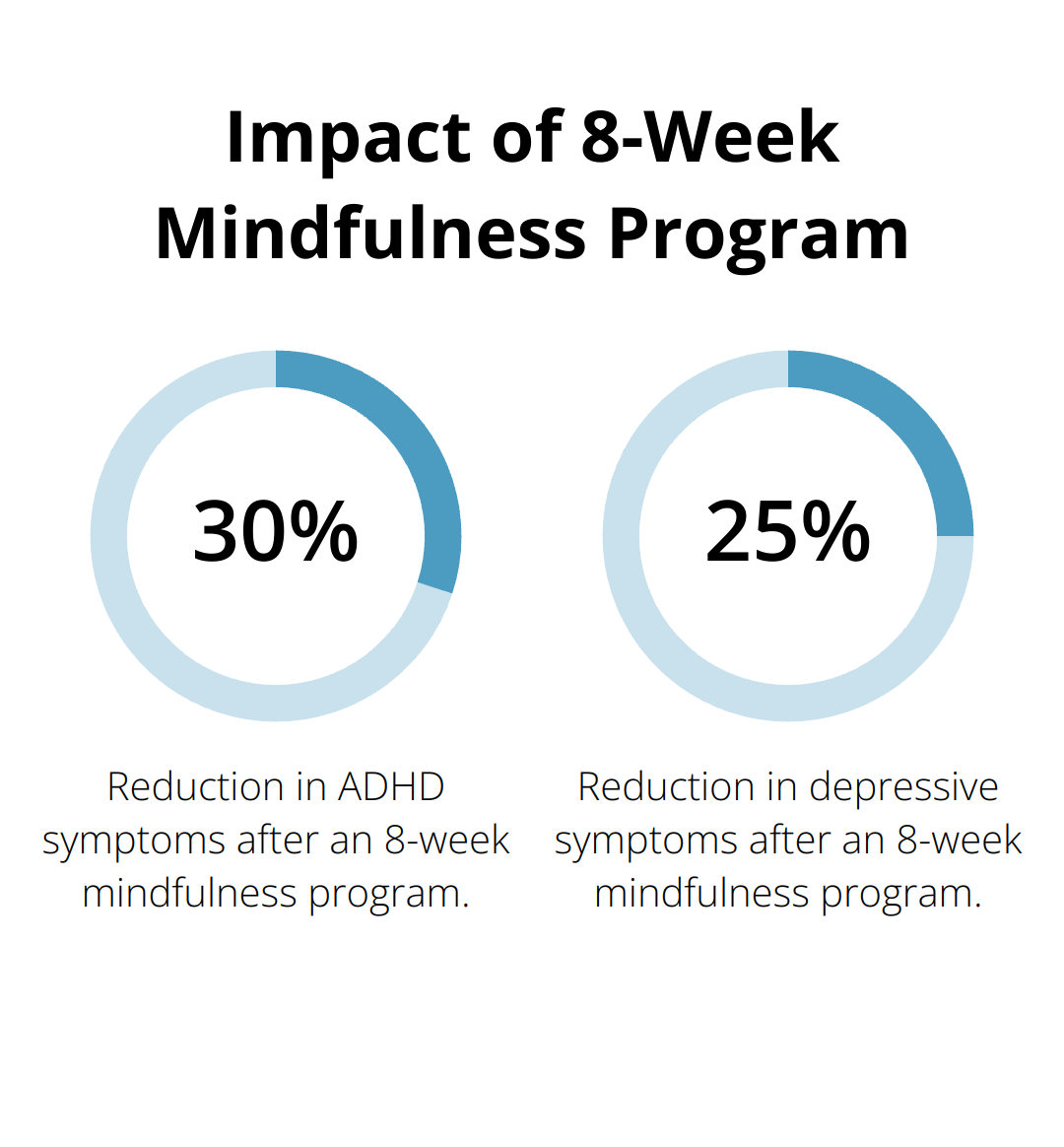
Mindfulness meditation offers proven benefits for both ADHD and depression. A study in the Journal of Attention Disorders found that an 8-week mindfulness program reduced ADHD symptoms by 30% and depressive symptoms by 25%. Start with just 5 minutes a day and gradually increase the duration.
Progressive muscle relaxation also effectively reduces stress. This involves tensing and relaxing different muscle groups in sequence. Research published in the Journal of Clinical Psychology shows that this method can reduce anxiety symptoms by up to 60% in individuals with comorbid ADHD and depression.
Regular exercise plays a vital role. A study in the Frontiers in Psychology journal revealed that 30 minutes of moderate aerobic exercise three times a week can improve attention and reduce depressive symptoms by up to 40%. Find an activity you enjoy, whether it’s jogging in Pinecrest, swimming, or joining a local sports team in Palmetto Bay.
Building a Support Network
Social support proves vital for managing ADHD and depression. A study in the Journal of Affective Disorders found that individuals with strong social support networks were 50% less likely to experience severe depressive episodes.
Consider joining a support group. The National Alliance on Mental Illness (NAMI) offers free support groups in many areas (including Miami). These groups provide a safe space to share experiences and learn from others facing similar challenges.
Open communication with friends and family proves essential. Educate them about ADHD and depression to foster understanding. A study in the Journal of Attention Disorders found that family psychoeducation improved ADHD symptoms and family functioning by 35%.
Managing ADHD and depression requires ongoing effort. These strategies can help, but professional support often proves necessary. If you struggle, reach out to Miami psychiatry professionals in your area (such as those at Equilibrium Mental Health Services in Coral Gables). They can provide personalized care and support on your journey to better mental health.
Final Thoughts
Managing ADHD and depression requires a personalized approach. Effective strategies include medication, psychotherapy, and lifestyle changes. Time management techniques, stress reduction methods, and a strong support network also play vital roles in symptom management.
Professional help can make a significant difference for individuals with ADHD depression. Our team at Equilibrium Mental Health Services specializes in creating tailored treatment plans for adults in Coral Gables and surrounding areas. We provide evidence-based care in a supportive environment.
Take the first step towards a healthier life by reaching out to mental health professionals who understand ADHD depression. With the right support and strategies, you can navigate these conditions successfully. Contact us today to start your journey towards better mental health.


