
Postpartum depression affects countless new mothers, yet many struggle to find the right support. At Equilibrium Mental Health Services, we understand the challenges of navigating this difficult period.
Psychotherapy for postpartum depression can be a lifeline, offering effective strategies to manage symptoms and promote healing. This guide will help you understand your options and find the right therapist to support your journey towards recovery.
Understanding Postpartum Depression
What is Postpartum Depression?
Postpartum depression (PPD) is a serious mental health condition that affects many new mothers in Miami and beyond. It goes beyond the typical “baby blues” and manifests as a persistent state of sadness, anxiety, and exhaustion. These feelings can disrupt daily life and hinder a mother’s ability to care for her newborn.
Recognizing the Signs
PPD symptoms can vary, but often include:
- Intense sadness or mood swings
- Difficulty bonding with the baby
- Withdrawal from family and friends
- Changes in appetite or sleep patterns
- Overwhelming fatigue
- Feelings of worthlessness or guilt
- Thoughts of harming oneself or the baby (in severe cases)
These symptoms typically appear within the first few weeks after childbirth but can develop up to a year postpartum.
The Impact on New Mothers
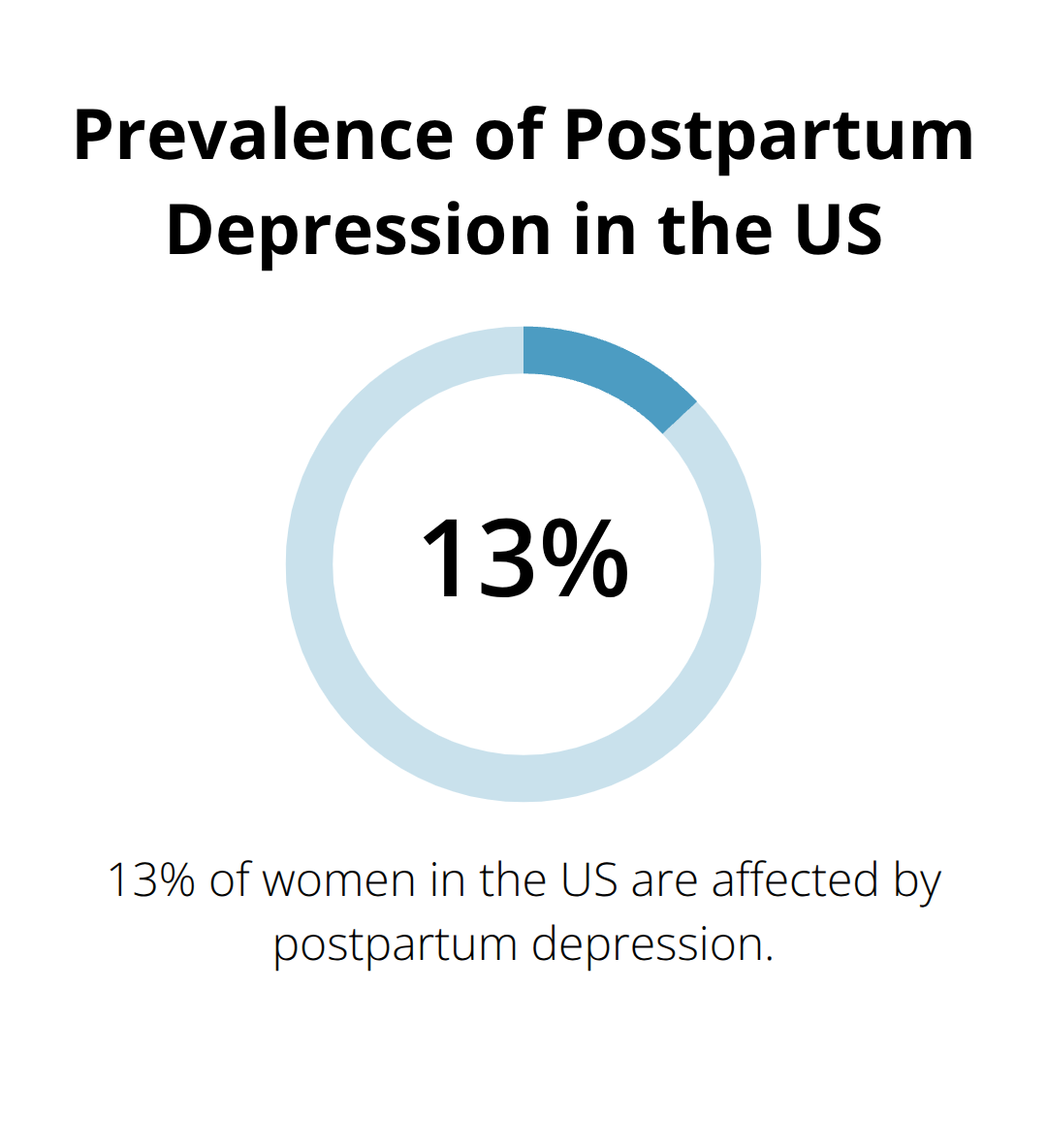
Recent research indicates that postpartum depression affects about 13% of women in the US. This condition affects not only the mother but can have significant impacts on the entire family, including the baby’s development.
Untreated PPD can lead to:
- Difficulty forming a secure attachment with the baby
- Increased risk of developmental delays in children
- Strain on relationships with partners and family members
- Challenges in returning to work or daily routines
The Importance of Professional Help
Many women (especially in areas like Coral Gables and Pinecrest) hesitate to seek help due to stigma or the belief that they should handle everything on their own. However, professional treatment is essential for recovery.
Early intervention is crucial for addressing postpartum depression, which has been increasingly identified as a major public health problem.
Treatment Options in Miami
For those in the Miami area (including Brickell and Coconut Grove), numerous resources are available. Miami psychiatry services offer specialized care for postpartum depression, including therapy and medication management when necessary.
Seeking help is a sign of strength, not weakness. With proper support and treatment (which may include therapy, medication, or a combination), recovery is possible. The next section will explore the various types of psychotherapy that have proven effective in treating postpartum depression.
Effective Therapies for Postpartum Depression
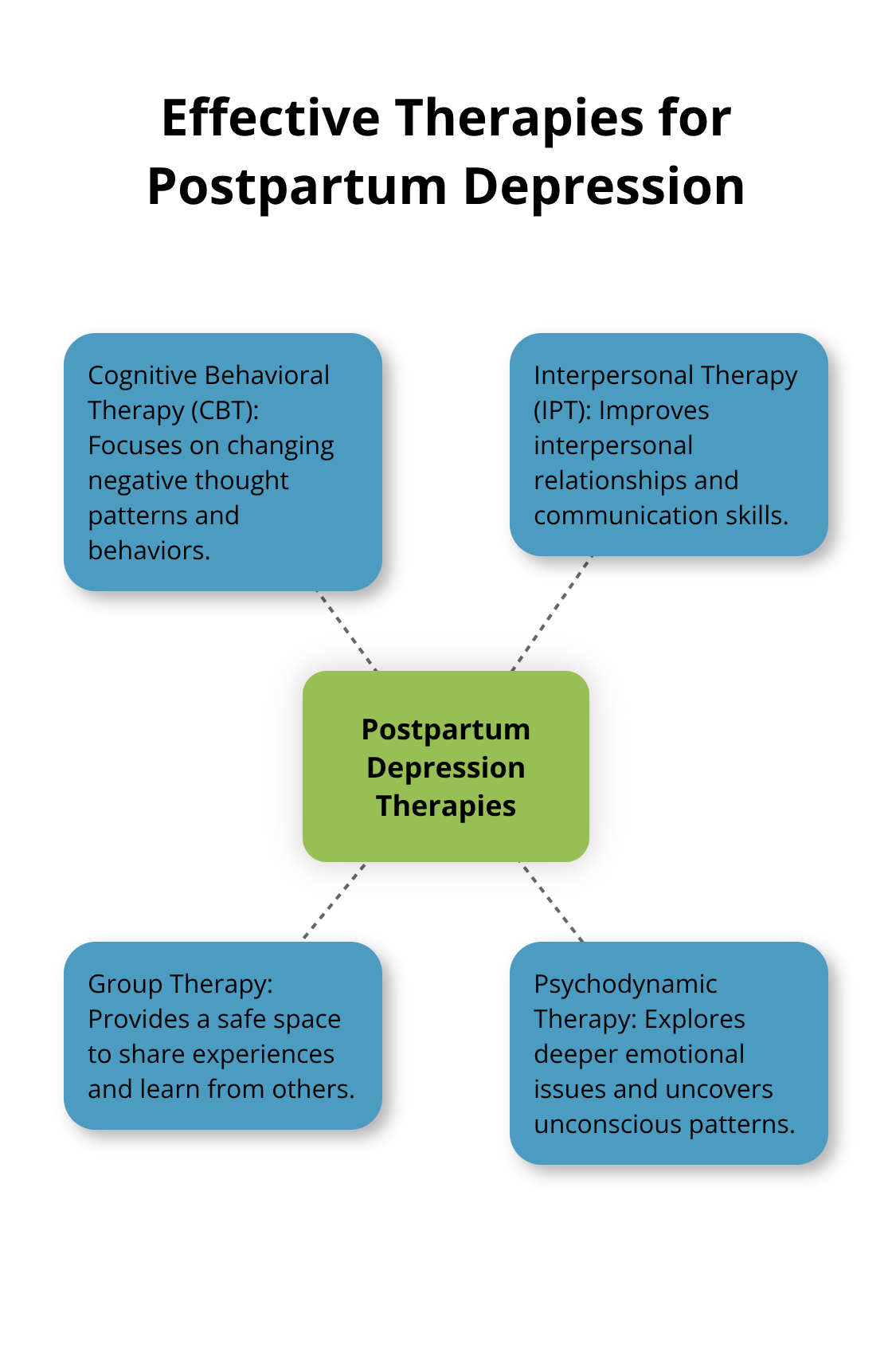
Postpartum depression (PPD) can be treated effectively with various psychotherapy approaches. We offer evidence-based treatments tailored to each mother’s unique needs. Let’s explore some of the most effective therapies for PPD.
Cognitive Behavioral Therapy (CBT)
CBT is a structured, short-term therapy that focuses on changing negative thought patterns and behaviors. For new mothers in Miami dealing with PPD, CBT can address feelings of guilt, inadequacy, or overwhelming anxiety.
A recent study examined the effect of mobile phone applications-based cognitive behavioral therapy (CBT) on postpartum depression. CBT sessions typically involve:
- Identifying triggers
- Challenging negative thoughts
- Developing coping strategies
Interpersonal Therapy (IPT)
IPT is another effective treatment for PPD, especially for mothers in Coral Gables who struggle with relationship changes or social isolation. This therapy focuses on improving interpersonal relationships and communication skills.
Recent research defines postpartum depression (PPD) as a set of mood disorders characterized by persistent depression occurring in mothers within 4 weeks after delivery. IPT helps new mothers:
- Navigate role transitions
- Resolve conflicts
- Build a strong support network
Group Therapy
Group therapy offers a unique opportunity for mothers to connect with others experiencing similar challenges. In Brickell, many new moms find comfort and support in group settings.
These sessions provide a safe space to:
- Share experiences
- Learn from others
- Reduce feelings of isolation
Psychodynamic Therapy
Psychodynamic therapy can be beneficial for mothers with PPD, particularly those in Pinecrest who want to explore deeper emotional issues. This approach focuses on:
- Uncovering unconscious patterns
- Addressing unresolved conflicts
- Improving self-awareness
The right therapy for postpartum depression plays a vital role in recovery. If you’re a new mother in Miami struggling with PPD, professional help is available. The next section will guide you through the steps to find a qualified therapist who can provide the support and treatment you need.
Miami psychiatry offers various treatment options for postpartum depression, including the therapies discussed above.
Finding the Right Therapist for Postpartum Depression
Start with Your Healthcare Provider
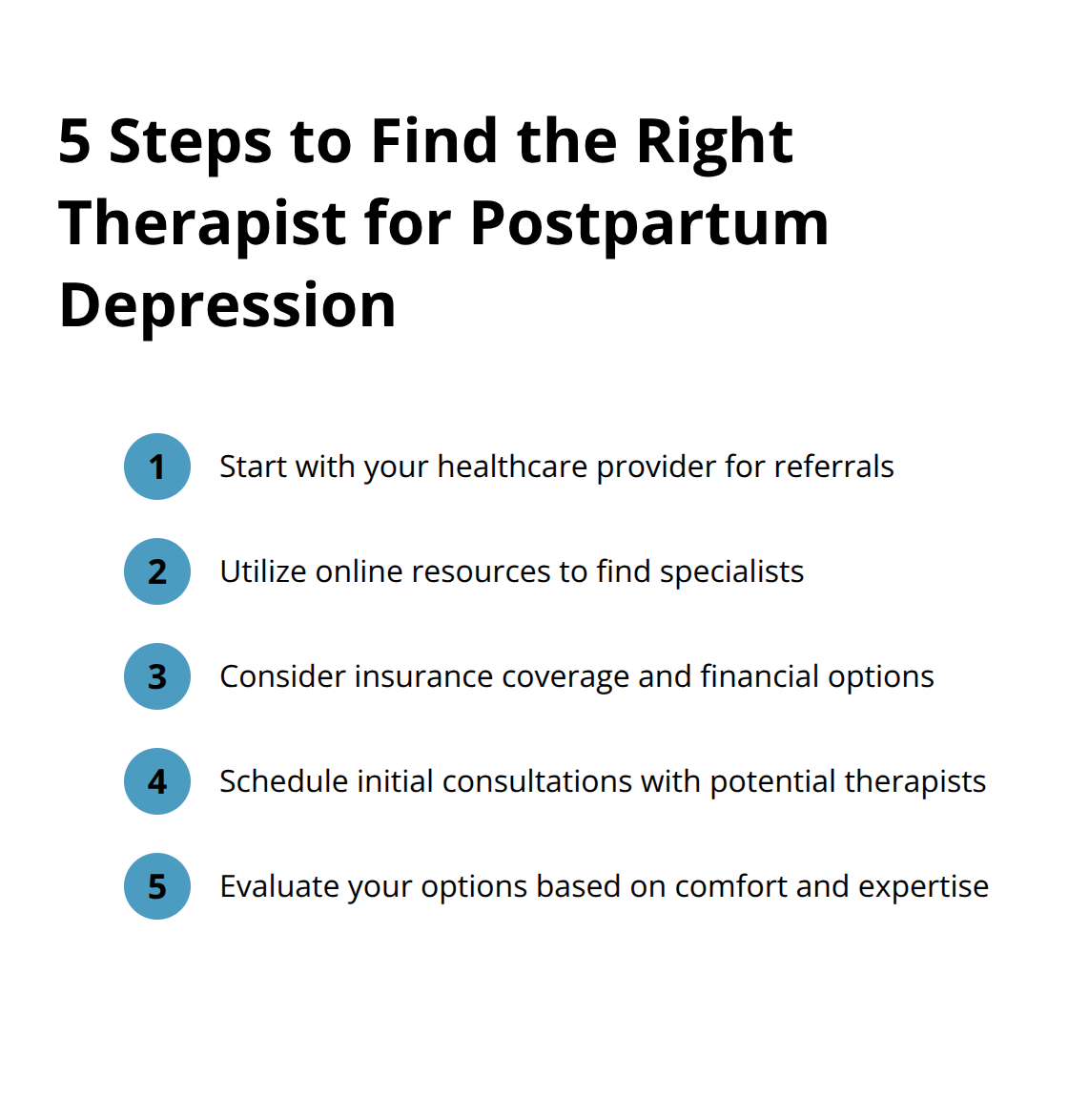
Your OB-GYN or primary care physician should be your first point of contact. These professionals often maintain a network of trusted mental health specialists and can provide referrals tailored to your specific needs. In Coral Gables, many healthcare providers have strong connections with local therapists who specialize in postpartum care.
Utilize Online Resources
The Postpartum Support International website offers a directory of perinatal mental health trained professionals, childbirth professionals, medical providers, and support groups in the US. For Miami residents, this resource serves as an excellent starting point to find therapists experienced in treating PPD. The American Psychological Association’s Psychologist Locator is another valuable tool that allows you to search for professionals by location and specialty.
Consider Insurance and Finances
Before you schedule appointments, check your insurance coverage for mental health services. Many plans cover a portion of therapy costs, but it’s important to understand your benefits. If you live in Brickell or Coconut Grove and find that insurance doesn’t fully cover your needs, ask potential therapists about sliding scale fees or payment plans.
Schedule Initial Consultations
Most therapists offer brief initial consultations, often at no charge. Use these sessions to assess your comfort level with the therapist and ask important questions. For example:
- What is your experience in treating PPD?
- What approach do you use in therapy?
- What might a typical treatment plan look like?
Evaluate Your Options
After your consultations, take time to reflect on your interactions with each therapist. Consider factors such as:
- Your comfort level during the conversation
- The therapist’s understanding of your specific concerns
- Their availability and location (convenience is key for new mothers)
- Your gut feeling about working with them long-term
The process of finding the right therapist is personal. You might need to meet with several professionals before you make a decision. Your goal is to find someone you trust and feel comfortable with, as this will significantly impact the success of your treatment.
Mental health services in Miami, including those offered at Equilibrium Psychiatry, provide specialized care for postpartum depression. Our team of experienced professionals supports new mothers through this challenging time with compassion and expertise.
Miami psychiatry services are available to help individuals dealing with various mental health concerns, including postpartum depression.
Final Thoughts
Postpartum depression affects numerous new mothers in Miami and surrounding areas. Seeking help demonstrates strength and a commitment to recovery. Psychotherapy for postpartum depression offers effective support and strategies to manage symptoms and promote healing.
Many women in Coral Gables, Pinecrest, and throughout Miami-Dade County have overcome postpartum depression with professional help. Taking action to seek support prioritizes your well-being and creates a healthier environment for your baby and family. Miami psychiatry services provide specialized care for various mental health concerns, including postpartum depression.
At Equilibrium Mental Health Services, we understand the unique challenges faced by new mothers dealing with postpartum depression. Our team of experienced professionals specializes in providing compassionate, evidence-based care tailored to your individual needs (including psychotherapy and medication management when necessary). Don’t hesitate to reach out to us for support on your path to recovery.


