
At Equilibrium Mental Health Services, we understand the challenges adults with ADHD face daily. Many seek natural alternatives to traditional medications, hoping for effective symptom management without unwanted side effects.
Natural ADHD supplements for adults have gained popularity as part of a holistic approach to treatment. This guide will explore various options, their potential benefits, and how to choose the right supplements for your needs.
What is Adult ADHD?
The Hidden Struggle of Adult ADHD
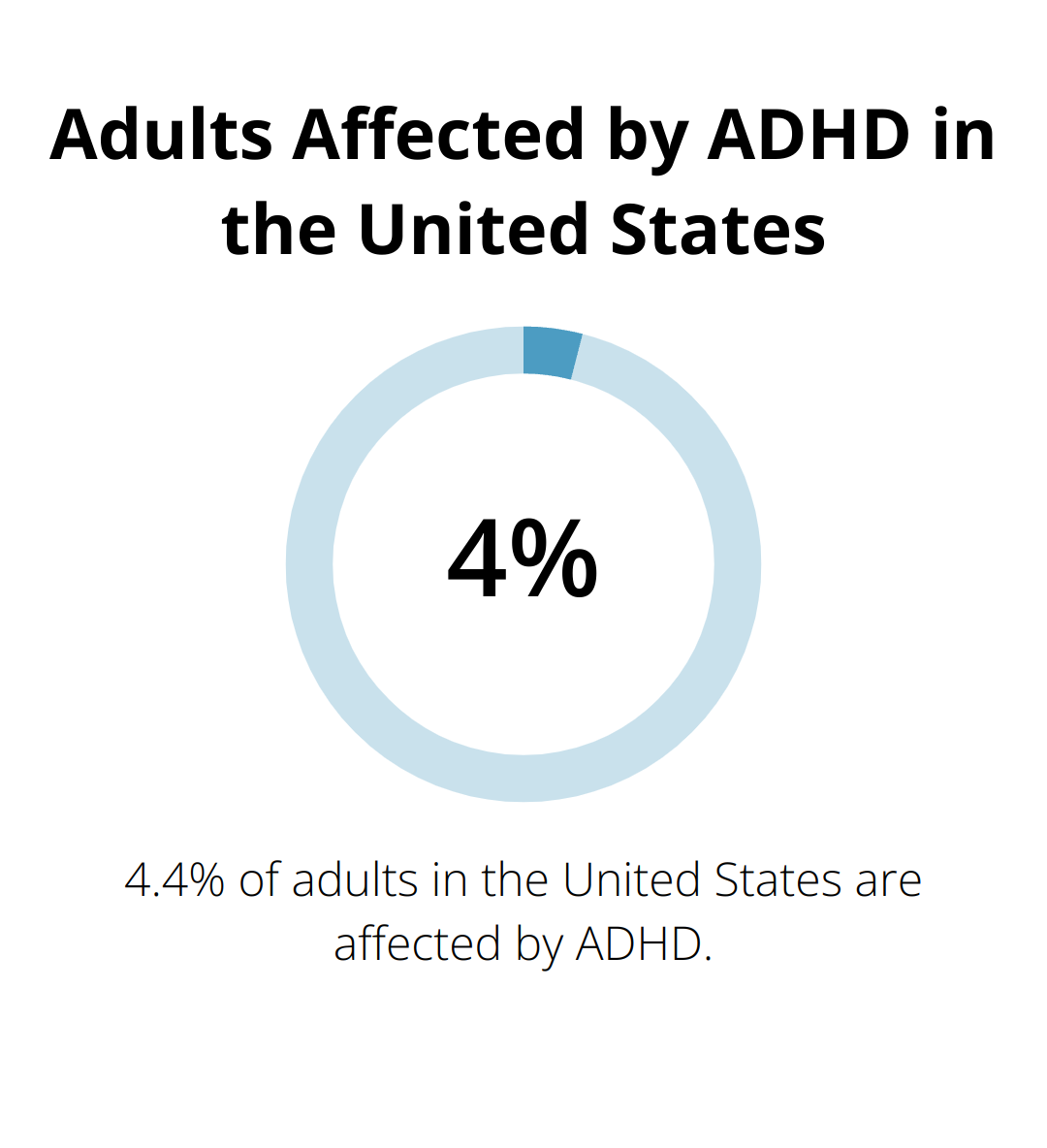
Attention Deficit Hyperactivity Disorder (ADHD) affects approximately 4.4% of adults in the United States (according to the National Institute of Mental Health). This condition extends far beyond childhood, impacting many adults in Miami and surrounding areas who may not realize the root cause of their struggles.
Adult ADHD typically presents as difficulties with memory, focus, and restlessness rather than hyperactivity. Adults with ADHD often face challenges in maintaining focus during meetings, frequently misplace important items, or struggle with time management. These issues can lead to problems at work, in relationships, and with self-esteem.
In Coral Gables, we’ve observed a trend of adults seeking help for what they initially believe is anxiety or depression, only to discover that ADHD underlies their concerns. It’s important to recognize that ADHD symptoms in adults can be subtle yet impactful.
Beyond Medication: A Holistic Approach
While medication proves effective for many, a significant number of adults prefer a more comprehensive treatment plan. A holistic approach considers lifestyle factors, nutrition, and natural supplements alongside traditional therapies.
For example, regular exercise shows promising results in managing ADHD symptoms. A study published in the Journal of Attention Disorders found that physical activity improves both agitation and attention in individuals with ADHD.
The Appeal of Natural Alternatives
Many adults in Pinecrest and surrounding areas explore natural supplements as part of their ADHD management strategy. This interest stems from various factors:
- Concern about long-term medication use
- Desire for fewer side effects
- Interest in complementary approaches to enhance overall well-being
It’s important to note that while natural supplements can benefit some individuals, they should be used under professional guidance. A tailored treatment plan may include both conventional and natural approaches.
Nutrition’s Role in ADHD Management
Diet plays a significant role in managing ADHD symptoms. Research published in the journal Neurotherapeutics suggests that certain food additives and preservatives may exacerbate ADHD symptoms in some individuals.
A balanced diet rich in omega-3 fatty acids (found in fish and certain seeds) shows potential in improving ADHD symptoms. However, dietary changes should occur in consultation with a healthcare provider to ensure nutritional needs are met.
Exploring Natural Supplement Options
As we move forward, we’ll examine various natural supplements that have shown promise in managing adult ADHD symptoms. Some options that have been studied include passionflower extract, Korean red ginseng, ginkgo biloba, and marine bark. These options offer potential benefits when incorporated into a comprehensive treatment plan.
Natural Supplements for Adult ADHD
At Equilibrium Mental Health Services, we often meet adults in Coral Gables and surrounding areas who seek natural alternatives for managing ADHD symptoms. While medication remains a primary treatment option, many individuals express interest in complementary approaches. Let’s explore some natural supplements that show promise in supporting cognitive function and potentially alleviating ADHD symptoms in adults.
Omega-3 Fatty Acids: Brain Food for Focus
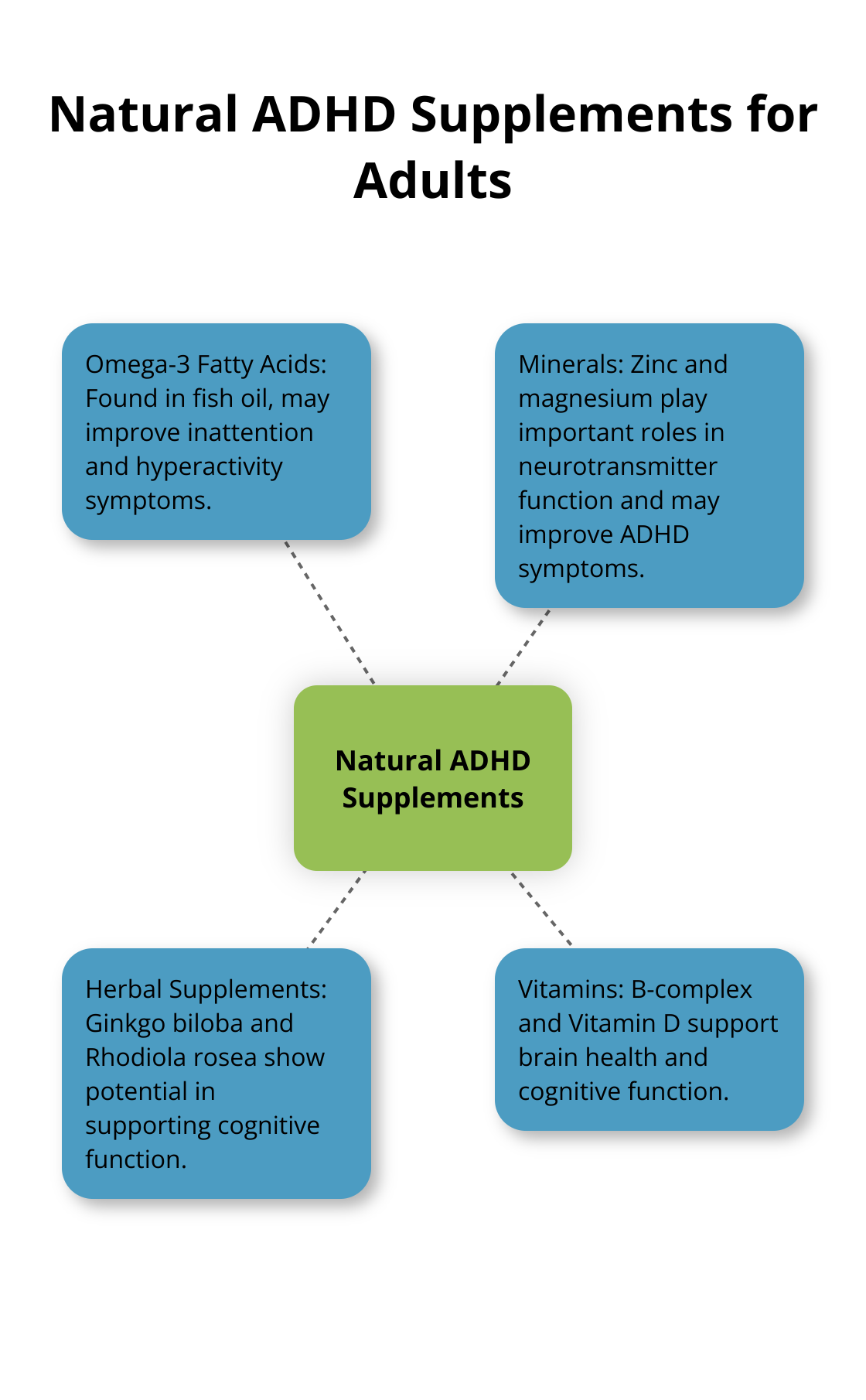
Omega-3 fatty acids, particularly EPA and DHA found in fish oil, have attracted significant attention in ADHD research. A study published in the Journal of Lipids reported that omega-3 supplementation improved inattention and hyperactivity symptoms in adults with ADHD. For those in Pinecrest looking to increase their omega-3 intake, we recommend consuming fatty fish like salmon twice a week or considering a high-quality fish oil supplement.
Mineral Support: Zinc and Magnesium
Zinc and magnesium play important roles in neurotransmitter function and have links to ADHD symptom improvement. The Journal of Child and Adolescent Psychopharmacology reported that zinc supplementation might reduce ADHD symptoms and potentially lower stimulant medication dosage in some cases. Magnesium has shown promise in preliminary studies for improving attention and impulse control.
Adults in Miami interested in these minerals should first consult with a healthcare provider to assess their current levels and determine appropriate dosages. Food sources rich in zinc include oysters, beef, and pumpkin seeds, while magnesium appears in leafy greens, nuts, and whole grains.
Herbal Helpers: Ginkgo Biloba and Rhodiola Rosea
Certain herbal supplements show potential in supporting cognitive function and managing ADHD symptoms. Ginkgo biloba appears to show potential as a complementary approach for attention-deficit/hyperactivity disorder (ADHD). Rhodiola rosea, an adaptogenic herb, has undergone studies for its ability to reduce fatigue and enhance mental performance under stress.
However, herbal supplements can interact with medications and may not suit everyone. We at Equilibrium Mental Health Services always advise our patients in Coconut Grove (and beyond) to discuss herbal supplementation with a qualified healthcare professional before starting any new regimen.
Vitamins for Cognitive Support
Certain vitamins play essential roles in brain health and may support cognitive function in adults with ADHD. Vitamin D deficiency has links to increased ADHD symptoms, according to findings reported by the Journal of Attention Disorders. Residents of Key Biscayne and other sunny areas might assume they get enough vitamin D from sunlight, but many adults still benefit from supplementation.
B-complex vitamins (particularly B6 and B12) prove essential for neurotransmitter production and overall brain health. While these vitamins come from a balanced diet, some adults with ADHD may benefit from supplementation under professional guidance.
As we move forward, it’s important to consider how to choose the right natural supplements for your individual needs. This process involves careful consideration and professional guidance to ensure safety and effectiveness.
How to Choose the Right ADHD Supplements
Consult a Healthcare Professional
Selecting appropriate natural supplements for ADHD requires professional guidance. At Equilibrium Mental Health Services, we recommend adults in Coral Gables and surrounding areas to seek out a psychiatrist or integrative medicine practitioner who specializes in ADHD. These professionals will guide you through the process of selecting the most appropriate supplements, consider potential interactions with existing medications, and recommend appropriate dosages.
Dr. Sarah Johnson, a psychiatrist at the University of Miami, states, “Working with a healthcare provider who understands both conventional and complementary approaches to ADHD management is essential. They will help you navigate the complex landscape of supplements and ensure your choices align with your overall treatment plan.”
Research Supplement Quality
The FDA doesn’t regulate supplements as strictly as medications, so choosing high-quality products from reputable manufacturers is important. Look for brands that undergo third-party testing and have Good Manufacturing Practice (GMP) certification.
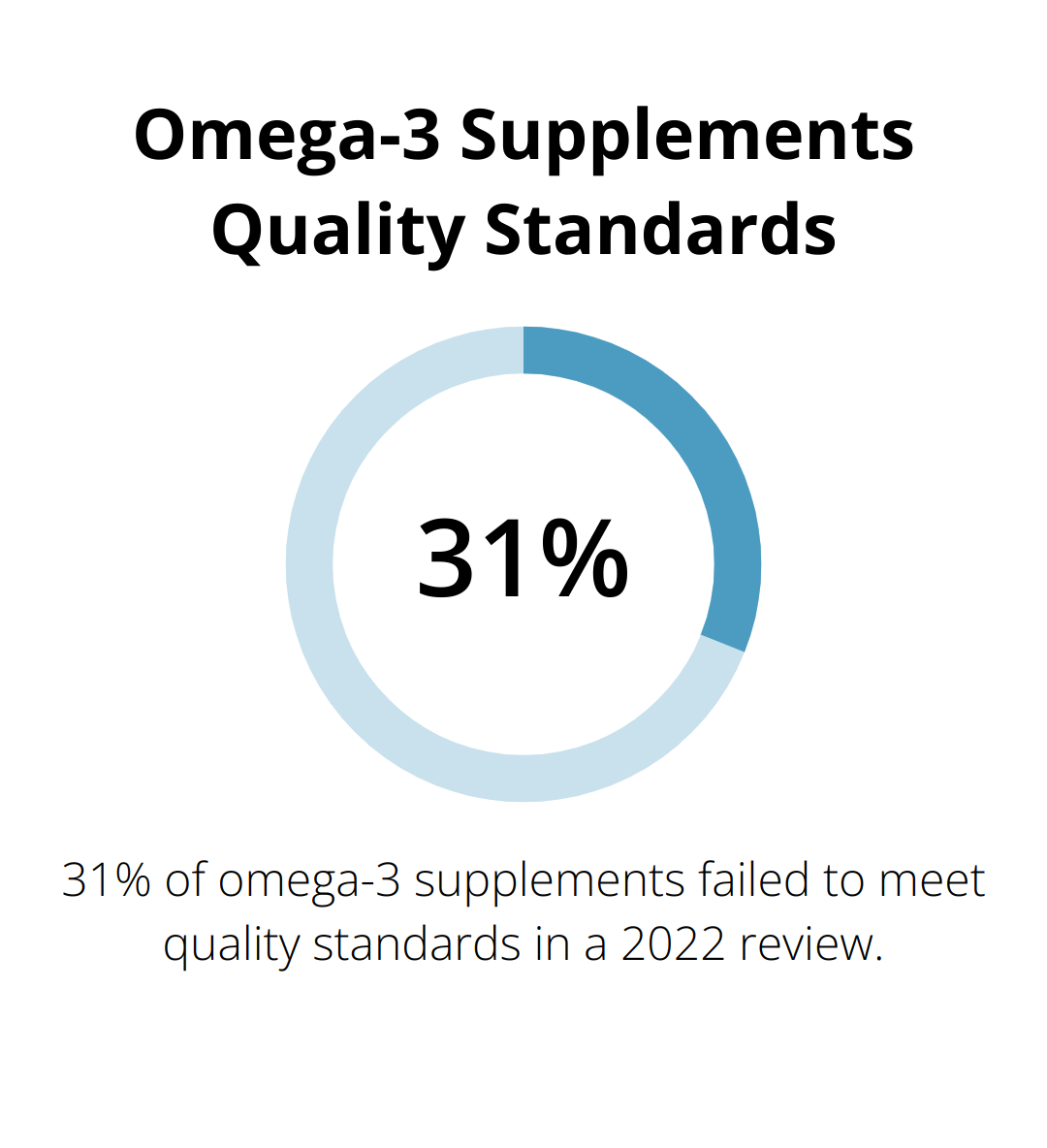
ConsumerLab.com (an independent testing organization) found that 31% of omega-3 supplements failed to meet quality standards in their 2022 review. This fact underscores the importance of thorough research before purchasing any supplement.
Start with Low Doses
When introducing new supplements, start with a low dose and gradually increase as needed. This approach allows you to monitor for any adverse effects and assess the supplement’s impact on your symptoms.
Dr. Michael Lara, a psychiatrist specializing in nutritional approaches to mental health, advises, “Keep a symptom journal when starting new supplements. Note any changes in focus, energy levels, or side effects. This information will prove invaluable for fine-tuning your supplement regimen.”
Consider Potential Interactions
Understanding how supplements might interact with medications or other supplements is vital. For example, St. John’s Wort (sometimes used for mood support) can interact with many common medications, including some ADHD drugs.
The National Center for Complementary and Integrative Health maintains a comprehensive database of potential supplement interactions. We recommend reviewing this resource and discussing any concerns with your healthcare provider.
In Pinecrest, an increasing number of adults combine natural supplements with conventional ADHD treatments. While this approach can be effective, it requires careful management to avoid adverse interactions and ensure optimal results.
Final Thoughts
Natural ADHD supplements for adults offer potential benefits when used as part of a comprehensive treatment plan. These supplements, ranging from omega-3 fatty acids to herbal remedies, can support cognitive function and alleviate ADHD symptoms for some individuals. However, an individualized approach proves essential, as effectiveness varies from person to person.
Introducing supplements into your routine requires careful consideration and professional guidance. We recommend starting with low doses, monitoring your body’s response, and choosing high-quality products from reputable brands (those that undergo third-party testing). It’s also important to be aware of potential interactions with medications or other supplements.
If you’re considering natural supplements for ADHD, don’t navigate this journey alone. Equilibrium Mental Health Services offers expert guidance in creating personalized treatment plans that may include both traditional and natural approaches. Our team of specialists can help you explore safe, effective options tailored to your unique needs.


