
Dissociative Identity Disorder affects approximately 1% of the global population, yet finding qualified therapists remains challenging for many patients. Talk therapy for Dissociative Identity Disorder (DID) requires specialized training and experience that most general practitioners lack.
At Equilibrium Mental Health Services, we understand the complexity of DID treatment and the importance of connecting patients with properly trained specialists. The right therapeutic approach can make the difference between years of ineffective treatment and meaningful recovery progress.
Why DID Requires Specialized Treatment
Dissociative Identity Disorder manifests through distinct identity states, with those with DID reporting more emotional and physical neglect, emotional abuse, physical abuse, and sexual abuse than those without dissociative disorders. Memory gaps between different identity states create significant daily functioning challenges. Patients often report lost hours or days, unfamiliar items in their possession, or conversations they cannot remember. These symptoms differ drastically from typical anxiety or depression, making standard therapeutic approaches inadequate.
The Complexity of Multiple Identity States
Each identity state in DID possesses unique memories, preferences, and behavioral patterns. The American Psychiatric Association reports that diagnosis typically takes seven years because symptoms often mimic other psychiatric conditions. Standard therapy techniques fail because they address only one aspect of a fragmented personality system.
Trauma-informed approaches like Eye Movement Desensitization and Reprocessing therapy and Internal Family Systems therapy show superior outcomes for DID patients. Cognitive Behavioral Therapy alone cannot address the complex dissociative barriers between identity states. Miami psychiatry specialists understand these nuanced treatment requirements.
Evidence-Based Treatment Modalities
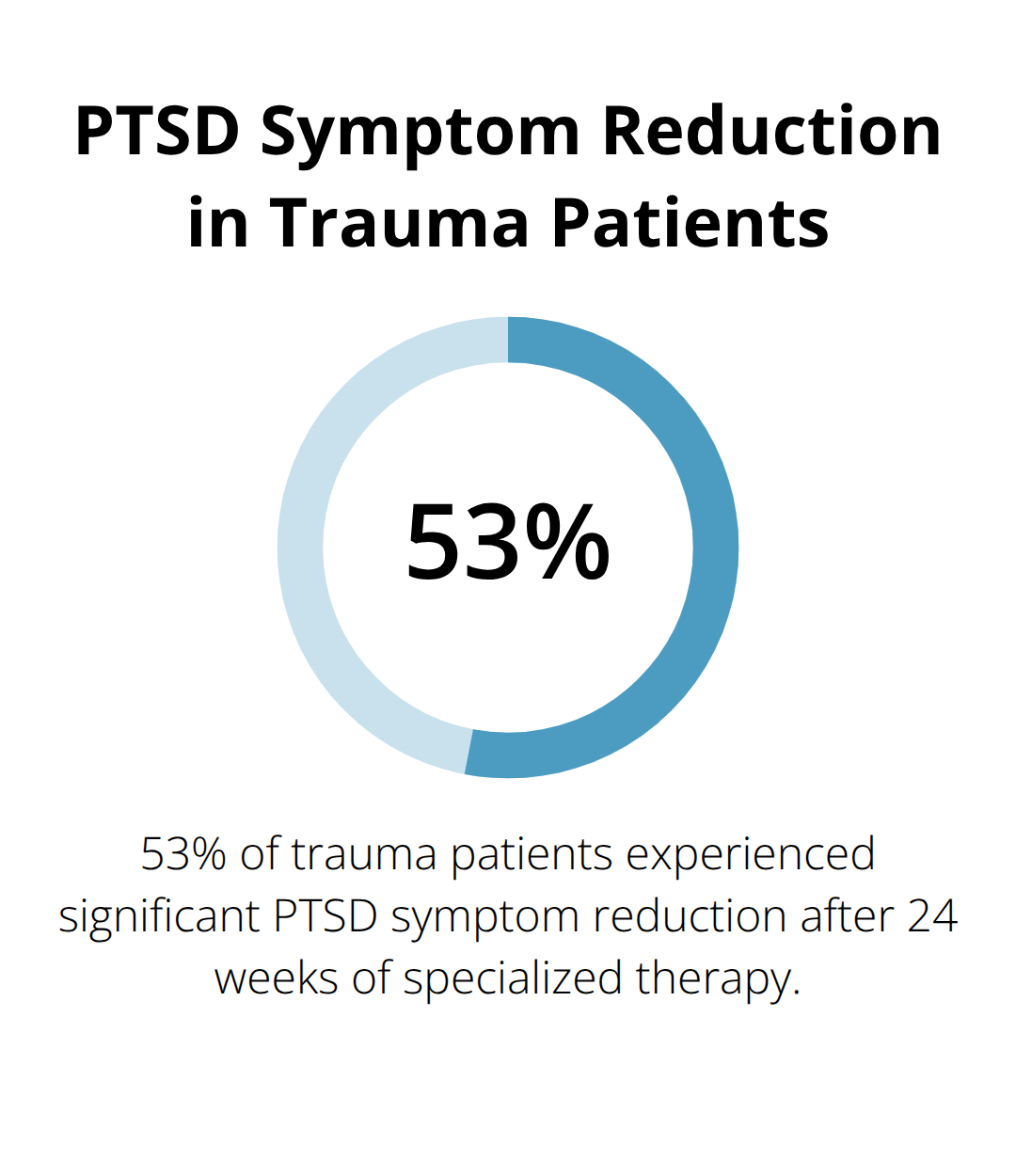
Dialectical Behavior Therapy helps DID patients manage intense emotional responses across identity states, while EMDR processes traumatic memories that fuel dissociative episodes. Internal Family Systems therapy specifically targets the internal relationship dynamics between different identity states. The 2024 pilot study showed 53% of trauma patients experienced significant PTSD symptom reduction after 24 weeks of specialized therapy.
Generic counseling approaches lack the structured framework needed to facilitate healthy communication between identity states and build internal cooperation. This complexity explains why finding qualified therapists becomes so important for effective treatment outcomes.
How Do You Find the Right DID Therapist
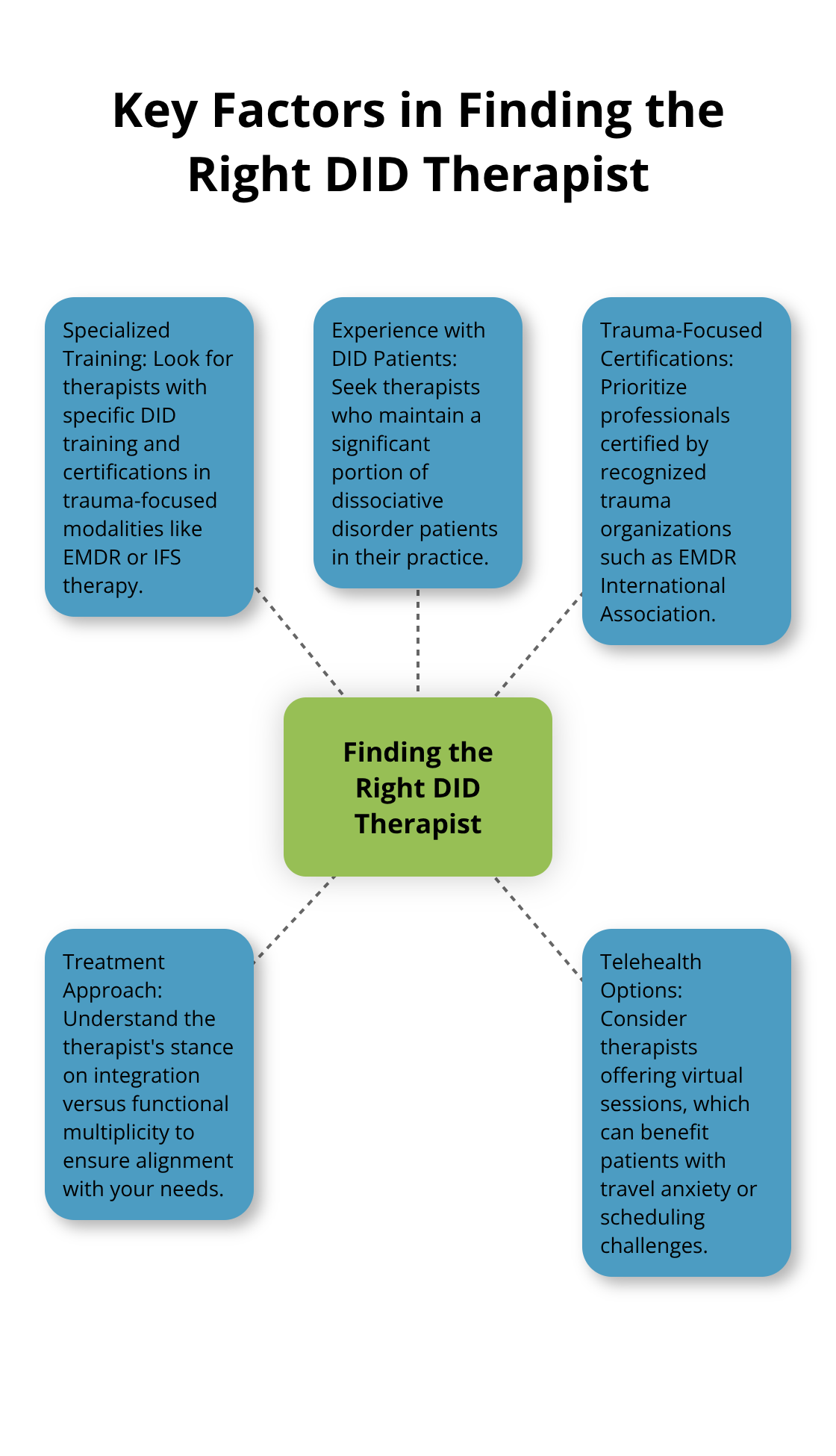
The search for a qualified DID therapist demands more than basic credentials – you need specialized training and experience. The International Society for the Study of Trauma and Dissociation maintains a therapist directory, but finding professionals with advanced dissociation training requires careful vetting. Licensed clinical social workers, psychologists, and psychiatrists can all treat DID, yet certification in trauma-focused modalities like EMDR or IFS therapy proves more valuable than general licenses alone. Research shows that treatment types are associated with improvements in symptoms of dissociation, general mental health symptoms, psychopathology, and general functioning.
Essential Questions for Potential Therapists
Initial consultations require direct questions about their DID caseload and treatment approach. “How many DID patients do you currently treat?” becomes your first filter – experienced specialists typically maintain a significant portion of dissociative disorder patients in their practice. Request specifics about their training in Internal Family Systems, EMDR, or Dialectical Behavior Therapy rather than accepting vague trauma experience claims. Ask about their stance on integration versus functional multiplicity, as this reveals their theoretical framework and treatment philosophy.
Professional Credentials That Matter Most
Look for therapists who hold certifications from recognized trauma organizations (such as EMDR International Association or the Center for Self Leadership). Board certification in psychiatry or psychology provides foundational knowledge, but specialized trauma training separates effective DID therapists from general practitioners. Many qualified specialists complete additional coursework through the International Society for the Study of Trauma and Dissociation or similar professional organizations.
Warning Signs That Disqualify Specialists
Avoid therapists who dismiss the validity of DID or suggest rapid integration within months. Effective DID treatment requires substantial time and consistent therapeutic work. Red flags include therapists who focus exclusively on memory recovery, promise quick fixes, or lack understanding of complex trauma presentations. Therapists who express skepticism about multiple identity states or suggest medication as the primary treatment approach lack the specialized knowledge DID requires. Current research indicates that DID affects an estimated 1.5% of people.
Geographic Considerations for Treatment Access
Miami and surrounding areas like Coral Gables offer more Miami psychiatry options than rural locations. However, telehealth expands access to qualified specialists regardless of location. Many experienced DID therapists now offer virtual sessions, which can benefit patients who experience travel anxiety or have scheduling challenges across different identity states. Talk therapy remains the primary treatment modality for DID, making therapist selection crucial for recovery outcomes.
Once you identify potential therapists who meet these criteria, the next step involves understanding what to expect during your first sessions and how effective DID therapy typically unfolds.
What Happens During DID Therapy Sessions
DID therapy progresses through distinct phases that therapists cannot rush or condense. The stabilization phase involves careful treatment planning, where therapists focus exclusively on symptom management and safety plans rather than trauma processing. During this essential period, patients learn techniques to stay grounded, establish communication protocols between identity states, and develop strategies to cope with dissociative episodes. The International Society for the Study of Trauma and Dissociation emphasizes that premature trauma work often destabilizes patients and prolongs treatment duration. Therapists who rush into memory processing within the first few months demonstrate inadequate understanding of DID treatment protocols.
Session Structure and Safety Protocols
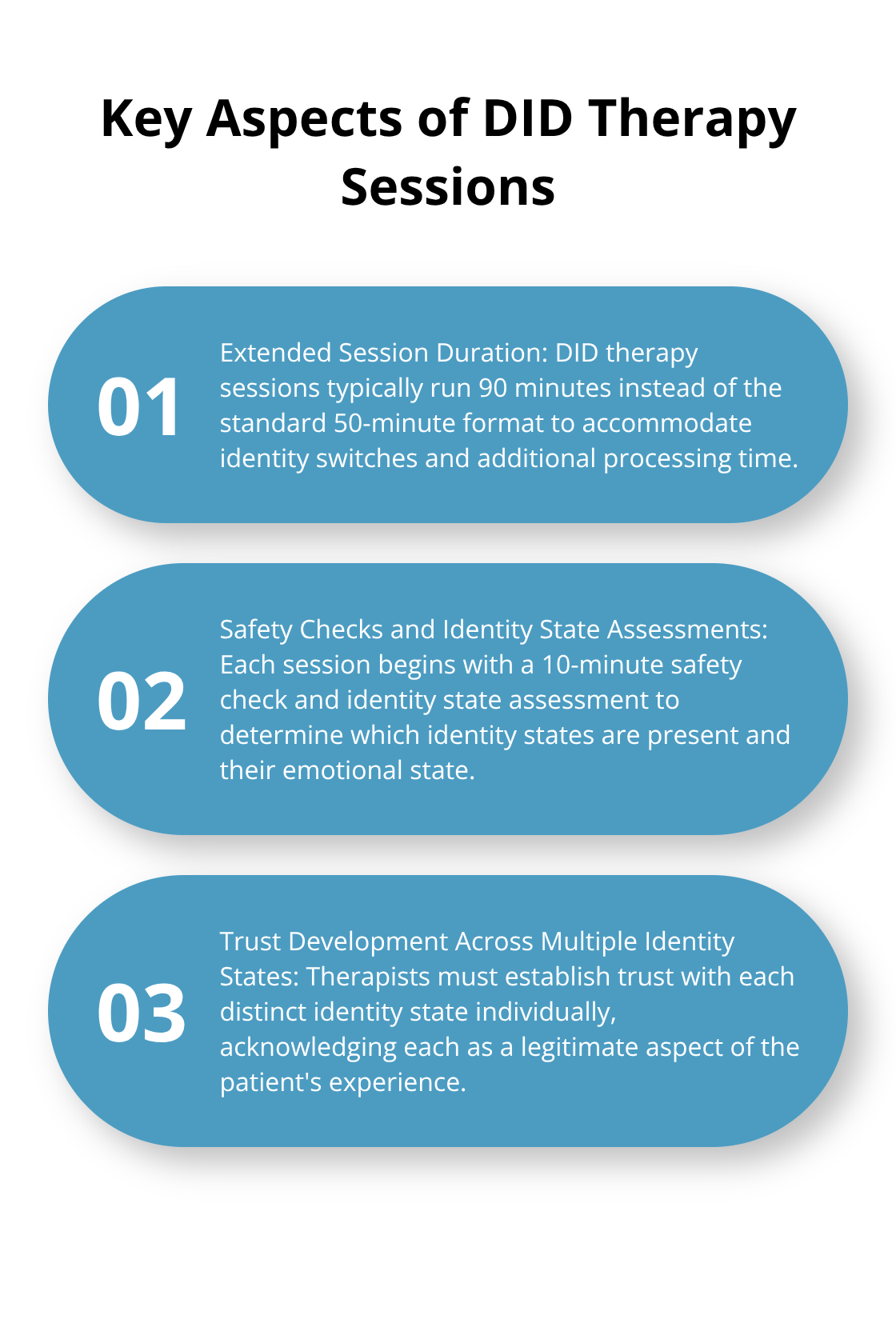
Each therapy session begins with a safety check and identity state assessment before any therapeutic work commences. Experienced DID therapists allocate the first ten minutes to determine which identity states are present and their current emotional state. Sessions typically run ninety minutes rather than the standard fifty-minute format because identity switches require additional processing time. Therapists maintain detailed session notes that document which identity states participated, their specific concerns, and any communication between states. The final fifteen minutes focus on exercises to help patients stay grounded and feel stable before they leave the office.
Trust Development Across Multiple Identity States
Therapists must establish trust with each distinct identity state individually rather than treat them as a unified whole. Some identity states may resist therapy while others desperately seek help, which creates complex therapeutic dynamics that demand specialized skills. Effective therapists acknowledge each identity state as a legitimate aspect of the patient’s experience without encouraging further fragmentation. Research from the Journal of Trauma and Dissociation indicates that patients who maintain some level of multiplicity often achieve better functional outcomes than those who pursue complete integration.
The Integration Phase Process
The integration phase can span several years and focuses on increased cooperation and communication between identity states rather than forced merger. Therapists help patients develop internal dialogue systems that allow different states to share information and coordinate daily activities. This phase requires patience from both patient and therapist, as progress often occurs in small increments rather than dramatic breakthroughs. Successful integration means identity states work together harmoniously (rather than disappear entirely) to create stable daily functioning and emotional regulation. For those seeking specialized care, Miami psychiatry offers comprehensive treatment options for complex dissociative disorders.
Final Thoughts
Effective talk therapy for Dissociative Identity Disorder (DID) requires patience and careful research, but the right specialist makes recovery possible. The key lies in identifying therapists with specific DID training rather than general trauma experience. Look for professionals certified in EMDR, Internal Family Systems, or Dialectical Behavior Therapy who understand the complexity of multiple identity states.
Effective DID treatment takes years, not months. Therapists who promise quick integration or dismiss the validity of your experience lack the specialized knowledge this condition demands. Trust your instincts during consultations and prioritize specialists who demonstrate genuine understanding of dissociative disorders (especially those with extensive DID caseloads).
We at Equilibrium Mental Health Services recognize the unique challenges DID patients face when seeking appropriate care. Our team provides evidence-based treatment tailored to complex mental health conditions in a supportive environment. If you struggle to find qualified DID treatment, contact Equilibrium Mental Health to speak with our experienced professionals about your specific needs and begin your path toward healing.


