
Living with ADHD can be challenging, affecting various aspects of daily life and relationships. At Equilibrium Mental Health Services, we understand the importance of finding effective psychotherapy for ADHD to manage symptoms and improve overall well-being.
This guide will explore different types of psychotherapy for ADHD and provide practical tips on finding the right therapist in <a href=”https://g.co/kgs/Toi7gBP”>Miami psychiatry</a> services. By taking the first step towards treatment, you can gain valuable tools and strategies to navigate life with ADHD more successfully.
What is ADHD and How Does It Impact Daily Life?
Understanding ADHD: A Neurodevelopmental Condition
Attention Deficit Hyperactivity Disorder (ADHD) affects millions of adults and children worldwide. This neurodevelopmental condition is characterized by symptoms including inattention (not being able to keep focus), hyperactivity (excess movement that is not fitting to the setting) and impulsivity.
Core Symptoms of ADHD
ADHD presents with three main symptoms: inattention, hyperactivity, and impulsivity. These symptoms manifest differently in each individual. Some people struggle to focus on tasks, while others find it challenging to sit still or control their impulses.
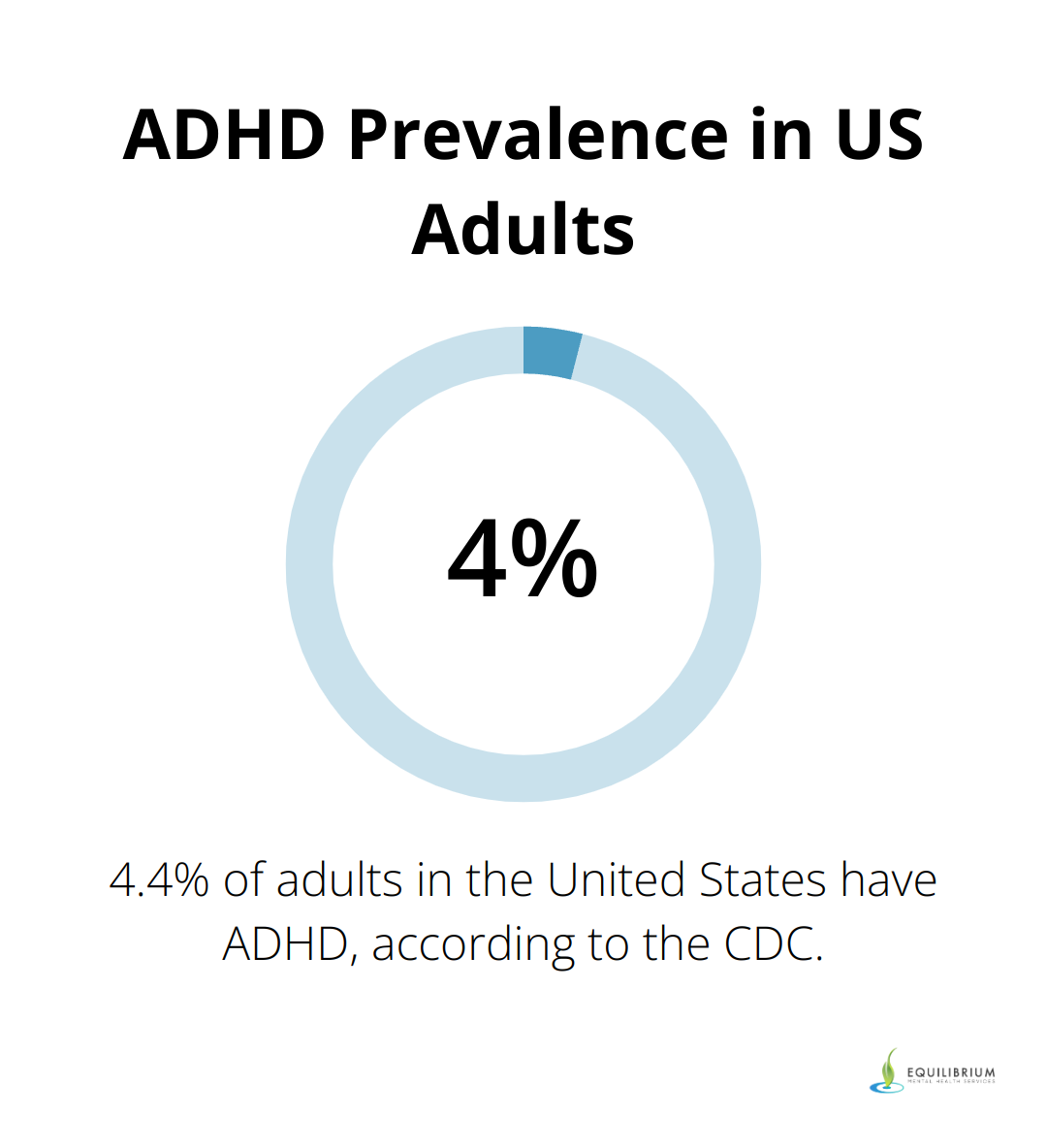
The Centers for Disease Control and Prevention (CDC) reports that about 4.4% of adults in the United States have ADHD. This statistic underscores the prevalence of this condition and the need for effective management strategies.
ADHD’s Effect on Daily Life and Relationships
ADHD can influence various aspects of daily life, from work performance to personal relationships. Adults with ADHD often struggle with time management, frequently running late or missing deadlines. They may also find it difficult to organize tasks or maintain focus during conversations, which can strain relationships with colleagues, friends, and family members.
In Coral Gables, ADHD impacts academic performance in students. Many students (with ADHD) struggle to complete assignments on time or stay focused during lectures. This can lead to underachievement and frustration, despite having the intellectual capacity to excel.
The Necessity of Professional Help
Professional help proves essential for effective ADHD management. A study published in the Journal of Clinical Psychiatry found that adults with ADHD who received treatment reported significant improvements in their quality of life and daily functioning.
The Impact of Early Intervention
Early intervention can make a substantial difference in managing ADHD symptoms. The American Academy of Pediatrics recommends that children as young as four years old can undergo evaluation for ADHD if they show persistent symptoms that interfere with their daily functioning.
In Miami psychiatry, early diagnosis and treatment can help prevent secondary issues such as low self-esteem or academic difficulties that often develop when ADHD goes untreated.
Understanding ADHD and its impact marks the first step towards effective management. The next crucial step involves exploring the various types of psychotherapy available for ADHD treatment. These therapeutic approaches offer valuable tools and strategies to help individuals with ADHD navigate their daily challenges more effectively.
Effective Psychotherapy Options for ADHD
Cognitive Behavioral Therapy (CBT) for ADHD
CBT stands out as a highly effective treatment for adults with ADHD. This therapy targets negative thought patterns and behaviors associated with ADHD. A study in the Journal of Attention Disorders revealed that adults who underwent CBT alongside medication showed greater improvement in ADHD symptoms compared to those who only took medication.
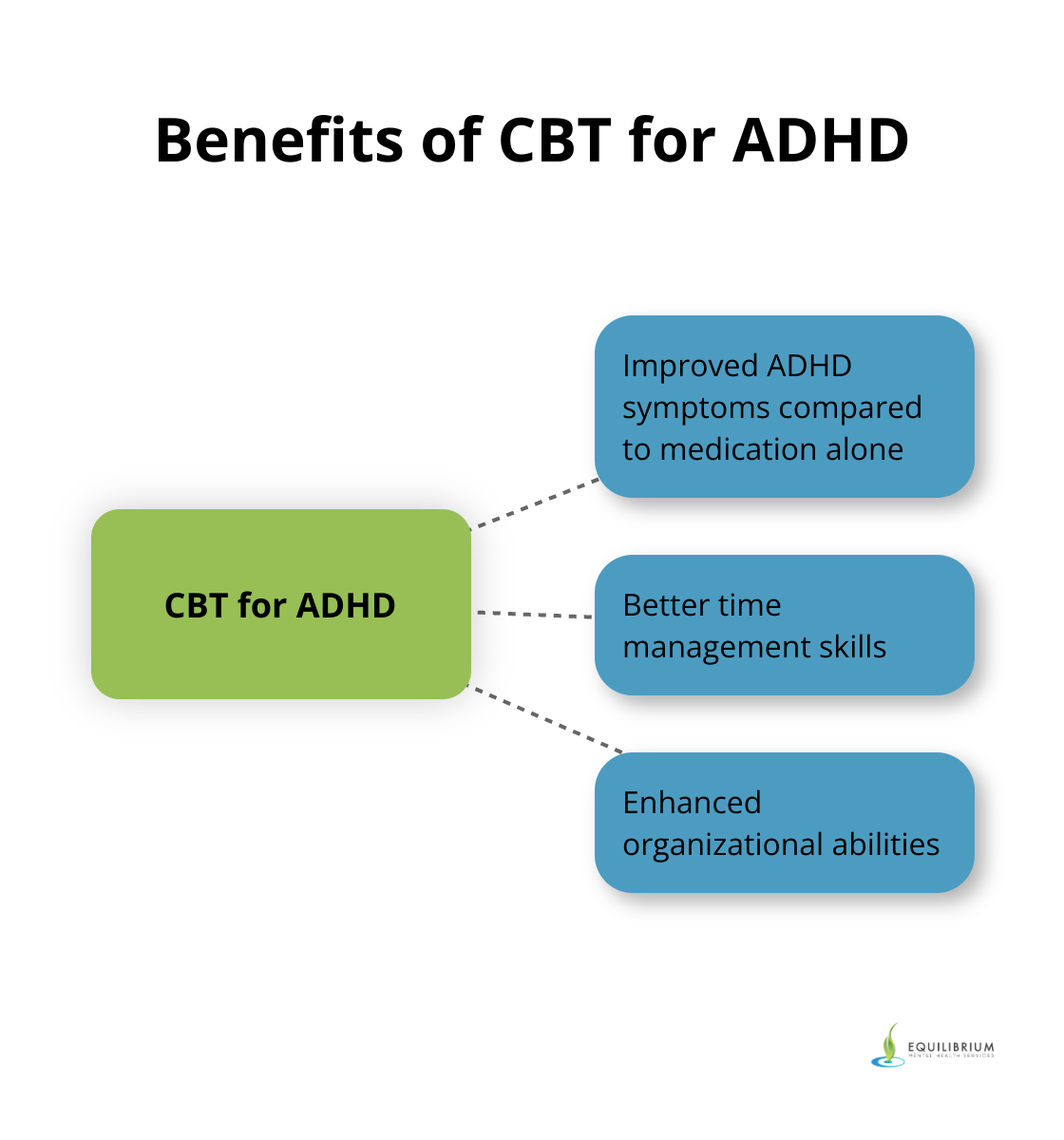
Many patients in Coral Gables report significant improvements in time management and organizational skills after CBT sessions. One practical technique we teach is the “chunking” method, where patients break large tasks into smaller, manageable steps. This approach reduces overwhelm and improves task completion rates.
Mindfulness-Based Cognitive Therapy (MBCT)
MBCT combines traditional cognitive therapy with mindfulness practices. This approach benefits individuals with ADHD who struggle with impulsivity and emotional regulation. Dr. Lidia Zylowska, a cofounder of UCLA’s Mindful Awareness Research Center, conducted the first study of mindfulness-training for adults with ADHD.
Short, active mindfulness exercises work well for patients in Pinecrest. The “5-4-3-2-1” grounding technique, for example, fits easily into daily routines and helps manage ADHD symptoms in real-time situations.
Dialectical Behavior Therapy (DBT) for ADHD
DBT proves effective for ADHD, particularly for those who struggle with emotional regulation. This therapy teaches skills in four key areas: mindfulness, distress tolerance, emotion regulation, and interpersonal effectiveness.
Palmetto Bay patients often see remarkable results with DBT. The “STOP” technique (Stop, Take a step back, Observe, Proceed mindfully) helps individuals pause and assess situations before reacting impulsively.
Family Therapy and Support Groups
Family therapy plays a vital role in ADHD management, especially when the condition affects relationships at home. This therapy helps family members understand ADHD better and develop strategies to support their loved ones effectively.
Support groups (both in-person and online) provide a platform for individuals with ADHD to share experiences and coping strategies. In Miami, patients who participate in support groups often feel less isolated and more empowered in managing their ADHD.
Finding the right psychotherapy approach for ADHD requires a personal journey. The most effective treatment plan varies from person to person. The next step involves understanding how to find the right therapist who specializes in ADHD treatment and can provide tailored, compassionate care.
How to Choose the Right ADHD Therapist
Qualifications That Matter
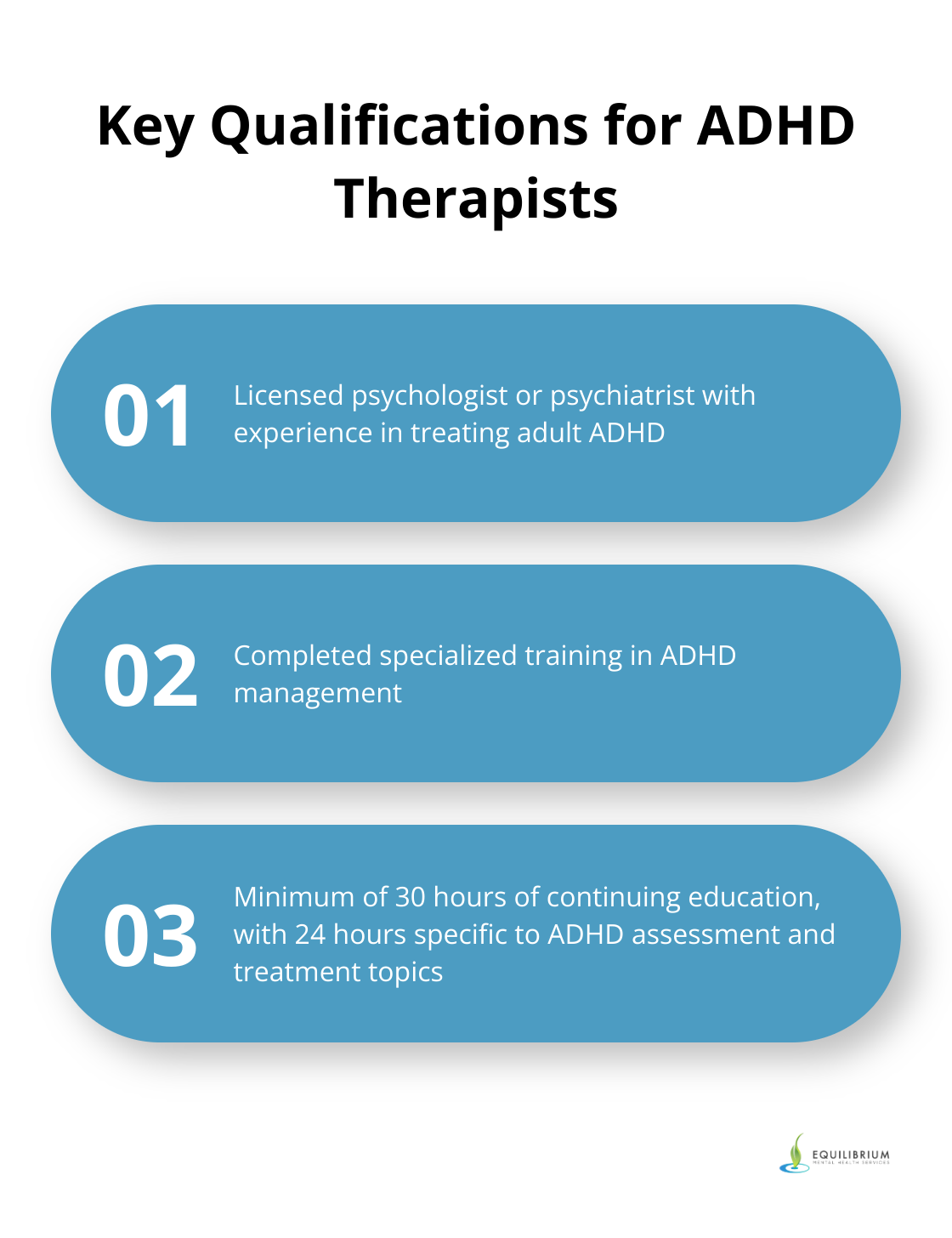
When you search for an ADHD therapist in Miami, focus on professionals with specific qualifications. A licensed psychologist or psychiatrist with experience in treating adult ADHD will provide the best care. The American Psychological Association suggests therapists who have completed specialized training in ADHD management, which typically includes a minimum of 30 hours of continuing education, with 24 hours specific to ADHD assessment and treatment topics.
In Coral Gables, therapists with additional certifications in cognitive-behavioral therapy (CBT) or mindfulness-based approaches often provide more targeted treatment for ADHD symptoms. These specialized skills can significantly improve treatment outcomes.
Essential Questions to Ask
Before you commit to a therapist, ask specific questions about their approach to ADHD treatment. Key questions include:
- What is your experience in treating adults with ADHD?
- Which therapeutic approaches do you use for ADHD?
- How do you measure progress in ADHD treatment?
- Do you work with other healthcare providers if medication is needed?
The Importance of Therapist-Patient Relationship
The quality of the therapist-patient relationship significantly influences treatment success. Research has shown that interventions addressing poor adherence to ADHD pharmacotherapy can be crucial in improving treatment outcomes.
In Pinecrest, patients who felt comfortable discussing their ADHD challenges openly with their therapists reported better adherence to treatment plans and more consistent progress.
Resources for Finding ADHD-Specialized Therapists
Several resources can help you locate ADHD-specialized therapists in Miami. The Children and Adults with Attention-Deficit/Hyperactivity Disorder (CHADD) organization maintains a directory of ADHD professionals. The Florida Psychological Association also offers a search tool to find licensed psychologists specializing in ADHD treatment.
Try to schedule initial consultations with multiple therapists to find the best fit for your needs. This process may take time, but it’s an important step in your mental health journey.
Final Thoughts
Psychotherapy for ADHD provides effective strategies to manage symptoms and enhance life quality. Various therapeutic approaches, including Cognitive Behavioral Therapy and Mindfulness-Based techniques, offer unique tools to address ADHD challenges. Family therapy and support groups also contribute significantly to creating a supportive environment for individuals with ADHD.
Seeking professional help marks a positive step towards improved mental health. Finding the right therapist who specializes in ADHD treatment can make a substantial difference in managing symptoms effectively. At Equilibrium Mental Health Services, we offer personalized treatment plans that combine medication management and psychotherapy for ADHD.
We encourage you to take action and reach out to our team of experienced professionals in Miami. Our caring staff stands ready to help you navigate ADHD challenges and work towards positive change. Contact Equilibrium Mental Health Services today to start your journey towards a more balanced, fulfilling life.


