
Bipolar disorder can be a challenging condition to manage, but effective psychotherapy can make a significant difference. At Equilibrium Mental Health Services, we’ve seen firsthand how the right therapeutic approach can help individuals with bipolar disorder lead more stable and fulfilling lives.
Finding the most effective bipolar psychotherapy is crucial for long-term success. This guide will walk you through the key steps to identify and engage with the right therapist for your needs.
What is Bipolar Disorder and How Can Psychotherapy Help?
Understanding Bipolar Disorder
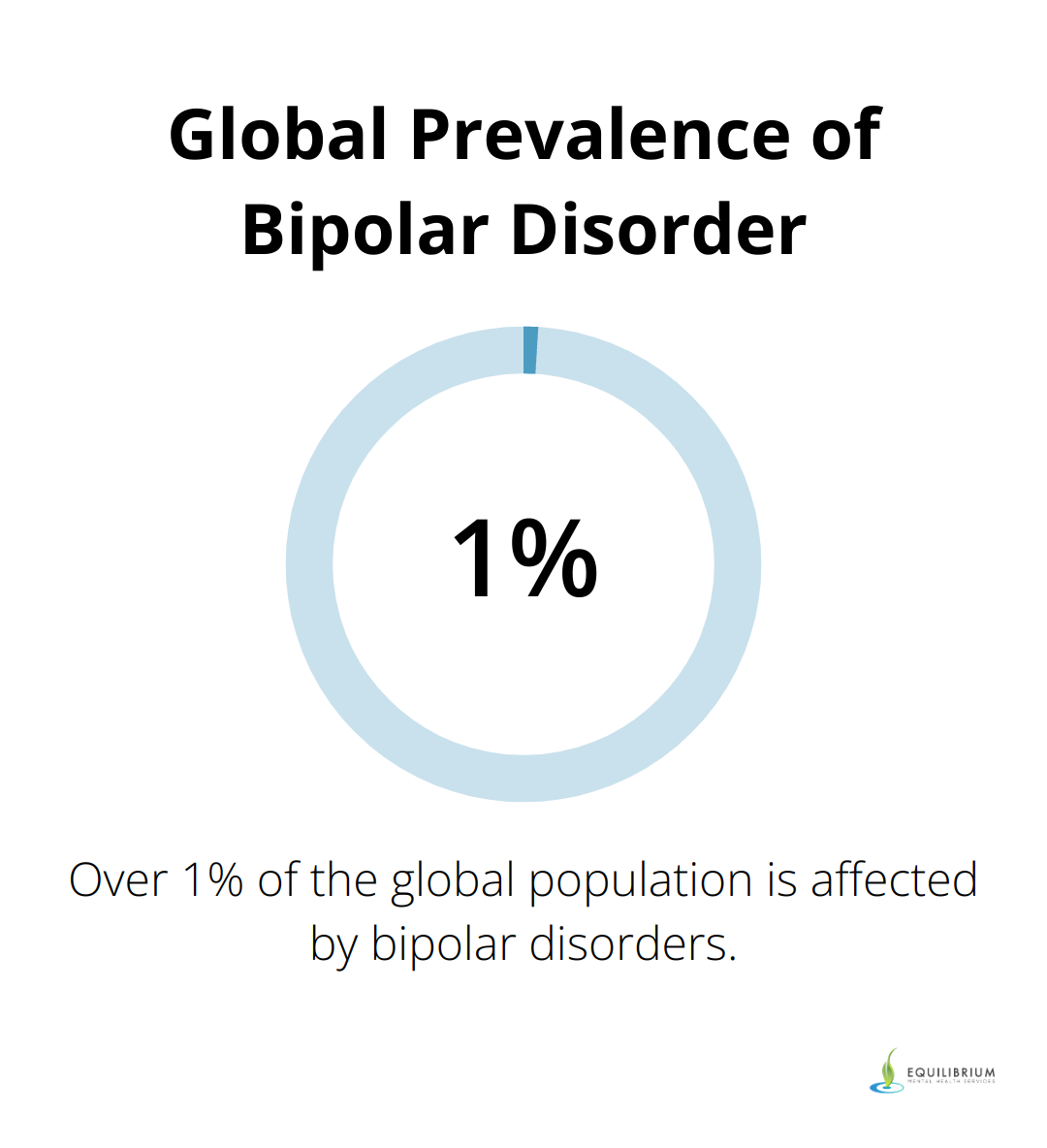
Bipolar disorders affect over 1% of the global population. This complex mental health condition involves extreme mood swings. These swings include emotional highs (mania or hypomania) and lows (depression). Mood episodes significantly impact a person’s energy, activity levels, and daily functioning.
Psychotherapy plays a vital role in managing bipolar disorder. While medication is often necessary, therapy provides essential tools and strategies for long-term stability and improved quality of life.
Benefits of Psychotherapy for Bipolar Management
Psychotherapy offers several advantages for individuals with bipolar disorder:
- Symptom management: Therapy helps identify early warning signs of mood episodes, enabling prompt intervention.
- Stress reduction: Patients learn techniques to manage stress, a common trigger for mood episodes.
- Relationship improvement: Therapy enhances communication skills and helps repair strained relationships.
- Better medication adherence: Psychotherapy often improves consistency with medication regimens, which is essential for stability.
Effective Psychotherapy Approaches
Several psychotherapy types show effectiveness in treating bipolar disorder:
- Cognitive Behavioral Therapy (CBT): This approach helps individuals identify and change negative thought patterns and behaviors associated with mood swings.
- Interpersonal and Social Rhythm Therapy (IPSRT): IPSRT focuses on stabilizing daily routines and improving interpersonal relationships to regulate mood.
- Family-Focused Therapy (FFT): This therapy involves family members in treatment, improving communication and support systems.
- Dialectical Behavior Therapy (DBT): DBT teaches skills for emotional regulation and mindfulness, particularly helpful for managing impulsivity during manic episodes.
In Coral Gables and surrounding areas, finding a therapist experienced in these approaches is important for effective treatment. Specialized care tailored to each individual’s needs can make a significant difference.
It’s worth noting that while these therapies are effective, the best approach often involves a combination of treatments. Combined drug therapy and psychotherapy are more effective in treating patients with bipolar disorder than medication alone.
For those in Miami seeking specialized care, Miami psychiatry (https://g.co/kgs/Toi7gBP) offers expert guidance and treatment options.
The journey to managing bipolar disorder is unique for each individual. The right combination of psychotherapy and other treatments can make a significant difference in achieving stability and improving overall well-being.
Now that we understand the importance of psychotherapy in managing bipolar disorder, let’s explore how to choose the right therapist for your needs.
Finding the Right Therapist for Bipolar Disorder
Qualifications and Specializations
Selecting a therapist for bipolar disorder treatment is a key step in your mental health journey. The right professional can significantly improve symptom management and overall quality of life. When searching for a therapist, focus on professionals with specific qualifications in treating bipolar disorder. Licensed clinical psychologists, psychiatrists, and therapists with experience in mood disorders often provide effective treatment. To be eligible for certification, these professionals must have earned a minimum of a master’s degree in their profession and hold a state or national license. In Coral Gables and surrounding areas, many qualified professionals specialize in bipolar disorder management.
Look for certifications in Cognitive Behavioral Therapy (CBT) or Dialectical Behavior Therapy (DBT). These therapeutic approaches show significant success in treating bipolar disorder.
The Importance of Experience
A therapist’s experience with bipolar disorder is vital. Those who have worked extensively with bipolar patients understand the nuances of the condition and its impact on daily life. They recognize subtle symptoms and provide targeted interventions.
A study published in the Journal of Affective Disorders found that therapists with at least five years of experience treating bipolar disorder showed better outcomes in patient stability and symptom management. When considering a therapist, ask about their specific experience with bipolar disorder.
Essential Questions for Potential Therapists
Before committing to a therapist, have a preliminary conversation. Here are key questions to ask:
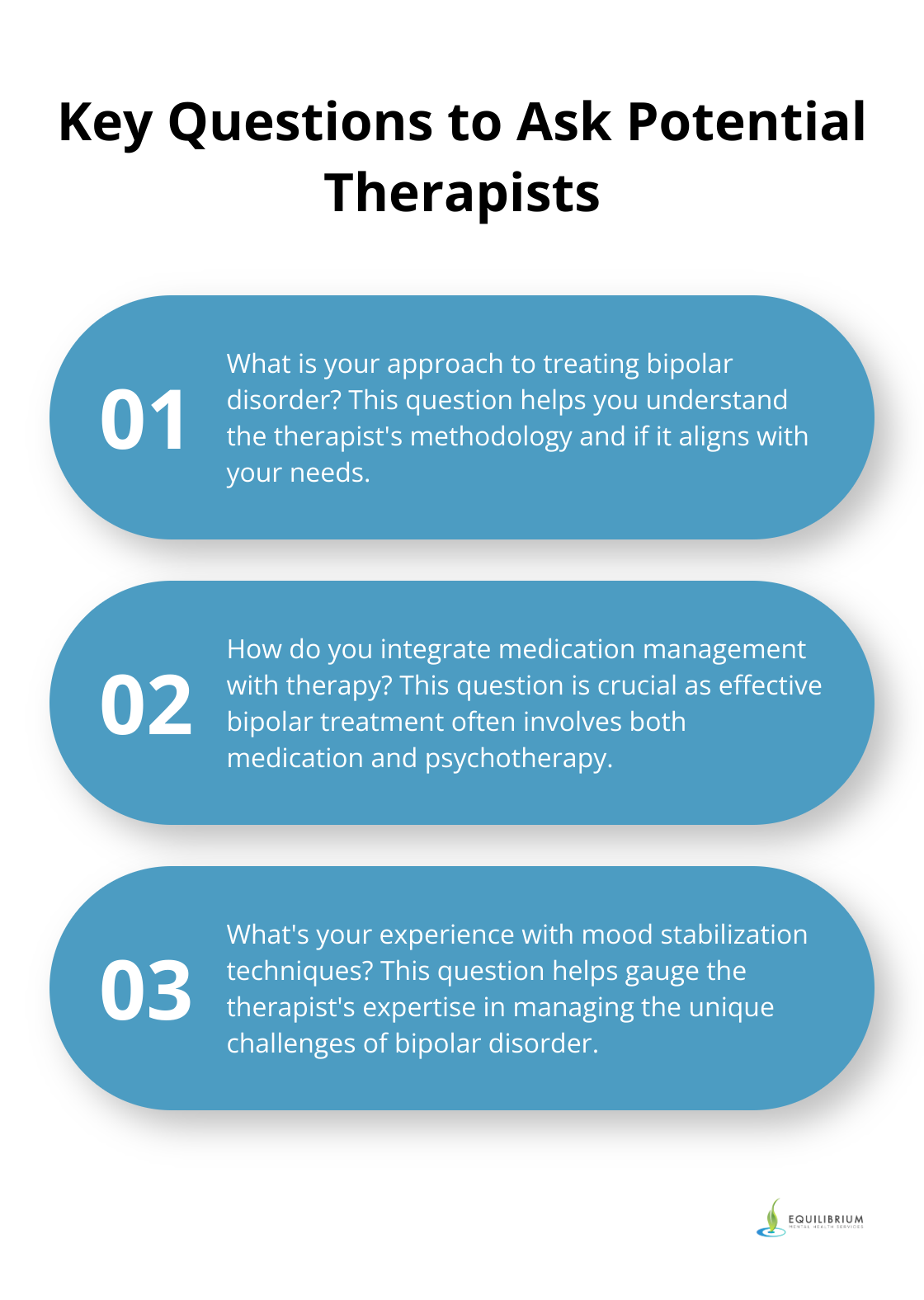
These questions help gauge the therapist’s expertise and determine if their approach aligns with your needs. The therapeutic relationship is essential for successful treatment. You should feel comfortable and understood by your therapist.
Local Options in Miami
For those seeking specialized care in Miami, several options exist. Miami psychiatry (https://g.co/kgs/Toi7gBP) offers expert guidance and treatment options. However, Equilibrium Psychiatry stands out as a top choice, providing personalized care tailored to each individual’s needs.
Choosing the right therapist is a significant step towards effective bipolar disorder management. Take your time, ask questions, and trust your instincts. The right therapeutic relationship can be a powerful tool in your journey towards stability and well-being. Now that we’ve covered how to find the right therapist, let’s explore what you can expect during bipolar psychotherapy sessions.
What Happens in Bipolar Psychotherapy Sessions?
Setting the Foundation: The First Session
Your initial session involves a comprehensive assessment. Your therapist will ask about your symptoms, medical history, and current life circumstances. This information helps create a tailored treatment plan. Prepare to discuss your mood patterns, sleep habits, and any triggers you’ve noticed.
Building Skills and Stability: Ongoing Sessions
In subsequent sessions, you’ll work on specific goals. These often include:
- Identifying early warning signs of mood episodes
- Developing coping strategies for manic and depressive phases
- Improving communication with family and friends
- Addressing sleep disturbances and establishing healthy routines
Treatment Frequency and Duration
Most patients start with weekly sessions, each lasting about 50 minutes. As you progress, sessions may become less frequent. The duration of treatment varies, but many people see significant improvements within 12 to 20 weeks.
Integrating Medication Management
If you take medication, your therapist will likely coordinate with your psychiatrist. Many mental health services in Coral Gables (including Equilibrium Mental Health Services) offer integrated care, ensuring seamless communication between your therapy and medication management.
Practical Techniques You’ll Learn
You’ll learn and practice various techniques during your sessions:
- Mood charting to track patterns and triggers
- Mindfulness exercises for emotional regulation
- Problem-solving skills for managing life stressors
- Cognitive restructuring to challenge negative thought patterns
These techniques are practical tools you’ll use in your daily life. For instance, mood charting can help you identify that lack of sleep often precedes manic episodes, allowing you to take preventive action.
Between-Session Work
Your therapist will likely assign “homework” between sessions. This might include practicing new coping skills, keeping a mood journal, or reading educational materials about bipolar disorder. Completing these tasks can significantly enhance your progress.
Psychotherapy for bipolar disorder is a collaborative process. Your active participation and open communication with your therapist are essential for success. Many mental health providers in Miami (including Equilibrium Mental Health Services) commit to supporting you every step of the way on your journey to stability and well-being.
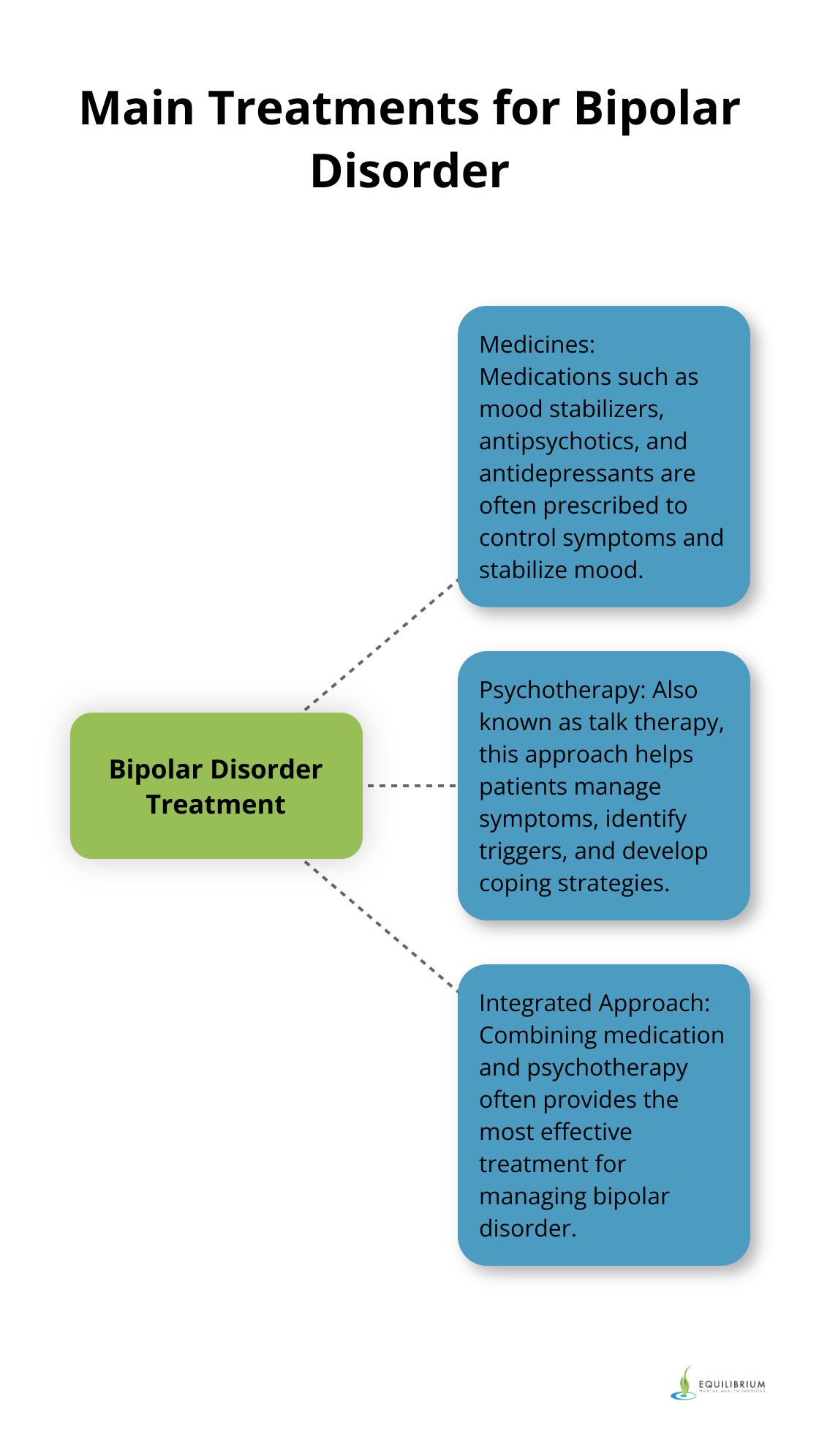
The main treatments for bipolar disorder include medicines and talk therapy, also known as psychotherapy, to control symptoms.
For those seeking professional help, Miami psychiatry services are available. You can find more information at https://g.co/kgs/Toi7gBP.
Final Thoughts
Effective bipolar psychotherapy plays a vital role in managing this complex condition and improving overall quality of life. The right combination of medication management and therapy provides powerful tools to navigate the challenges of bipolar disorder. Patience and persistence in your search for the right therapist and treatment approach will yield the best results.
Professional help for bipolar disorder can make a significant difference in reclaiming control over your life. Equilibrium Mental Health Services offers expert care tailored to individual needs in Coral Gables and surrounding areas. Our team specializes in bipolar psychotherapy and strives to help you achieve stability and improve your well-being.
Taking the first step towards seeking help demonstrates strength and commitment to your mental health. Whether you experience symptoms for the first time or want to enhance your current treatment plan, professional support can transform your life (and the lives of those around you). Contact Equilibrium Mental Health Services today to start your journey towards better mental health and a more balanced life.


