
At Equilibrium Mental Health Services, we often encounter patients grappling with the complexities of mood disorders.
Understanding the distinction between clinical depression and bipolar depression is vital for accurate diagnosis and effective treatment.
This blog post will explore the key differences between these two conditions, helping you recognize their unique characteristics and symptoms.
What Is Clinical Depression?
Definition and Key Characteristics
Clinical depression, also known as major depressive disorder (MDD), is a serious mental health condition that affects millions of people worldwide. It is diagnosed when an individual has a persistently low or depressed mood, anhedonia or decreased interest in pleasurable activities.
Common Symptoms
Clinical depression manifests through various symptoms that must last for at least two weeks for a diagnosis. These include:
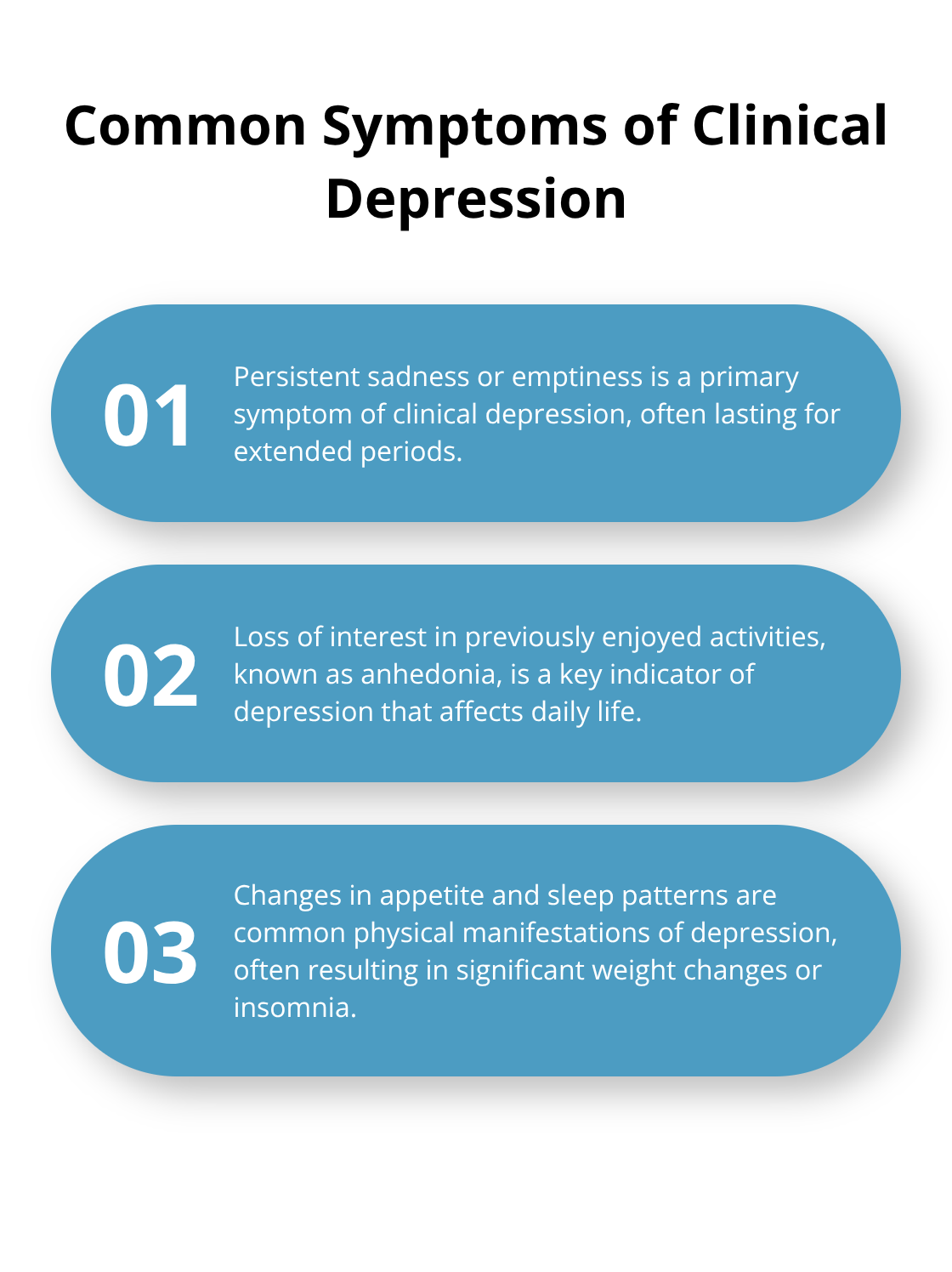
- Persistent sadness or emptiness
- Loss of interest in previously enjoyed activities
- Changes in appetite and sleep patterns
- Difficulty concentrating or making decisions
- Feelings of worthlessness or excessive guilt
- Thoughts of death or suicide
If you experience several of these signs, it’s important to seek help from a mental health professional.
Impact on Daily Life
Depression can severely disrupt a person’s life. It often leads to:
- Decreased work or academic performance
- Strained relationships with family and friends
- Neglect of personal hygiene and self-care
- Increased risk of substance abuse
- Physical health problems (such as chronic pain or cardiovascular issues)
In Coral Gables, untreated depression can affect every aspect of a person’s life. Early intervention is key to prevent this downward spiral.
Risk Factors
While anyone can develop clinical depression, certain factors increase the risk:
- Family history of depression or other mood disorders
- Traumatic life events or chronic stress
- Certain medical conditions or medications
- Substance abuse
- Personality traits like low self-esteem or pessimism
According to the National Institute of Mental Health, one in six U.S. adults lives with a mental illness. Women are more likely to receive a depression diagnosis than men.
It’s important to note that having risk factors doesn’t guarantee you’ll develop depression, and people without these factors can still experience the condition. If you’re concerned about your mental health, don’t hesitate to reach out to a Miami psychiatry professional for an evaluation.
As we move forward, it’s essential to understand how clinical depression differs from bipolar depression. The next section will explore the unique characteristics of bipolar disorder and its depressive phase, shedding light on the distinctions between these two conditions.
What Is Bipolar Depression?
Definition and Characteristics
Bipolar disorder is a complex mental health condition that causes extreme mood swings. These swings include emotional highs (mania or hypomania) and lows (depression). The depressive phase of bipolar disorder, known as bipolar depression, presents unique challenges for individuals living with this condition.
Symptoms of Bipolar Depression
Bipolar depression shares many symptoms with clinical depression, but key differences exist. During a depressive episode, individuals with bipolar disorder may experience:
- Intense sadness or hopelessness
- Loss of interest in activities
- Changes in appetite and sleep patterns
- Difficulty concentrating
- Fatigue or loss of energy
- Thoughts of death or suicide
Unique Features of Bipolar Depression
One distinguishing feature of bipolar depression is its potential for rapid onset. While clinical depression often develops gradually, bipolar depression can strike suddenly (sometimes within hours). This rapid shift can be jarring for both the individual and their loved ones.
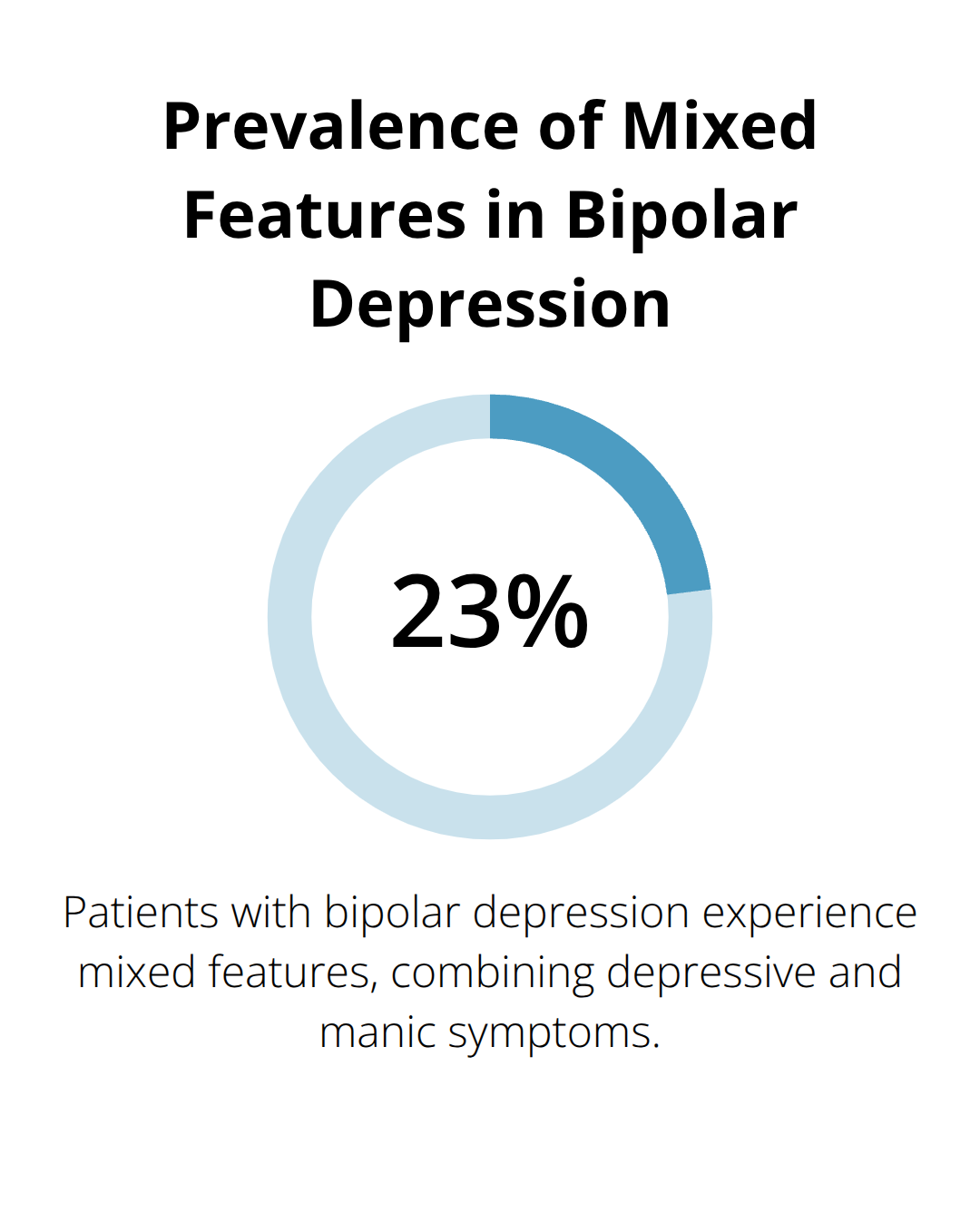
Another unique aspect is the presence of mixed features. Some people with bipolar disorder experience depressive symptoms alongside manic symptoms simultaneously. This can manifest as irritability, agitation, or racing thoughts during a depressive episode.
A recent study found that the prevalence of mixed features was 23.72% in patients with bipolar depression. This combination can make diagnosis and treatment more challenging, highlighting the importance of seeking help from experienced mental health professionals.
The Cyclical Nature of Bipolar Disorder
Bipolar disorder is characterized by its cyclical pattern of mood episodes. Unlike clinical depression, which may be more persistent, bipolar depression typically alternates with periods of mania or hypomania.
The frequency and duration of these cycles can vary greatly among individuals. Some may experience rapid cycling (defined as four or more mood episodes within a year). Others might have longer periods of stability between episodes.
Mental health professionals emphasize the importance of mood tracking for individuals with bipolar disorder. Keeping a daily mood log can help identify patterns, triggers, and early warning signs of mood shifts. This information is invaluable for both the individual and their treatment team in managing the condition effectively.
It’s important to note that while the cyclical nature of bipolar disorder can be challenging, it also offers hope. Unlike persistent depressive disorder, individuals with bipolar disorder often experience periods of euthymia (normal mood) between episodes. With proper treatment and management, these stable periods can be extended, improving overall quality of life.
Understanding the unique features of bipolar depression is the first step towards effective management. If you or a loved one experience symptoms that align with bipolar depression, professional help is essential. A comprehensive evaluation by a qualified mental health professional can provide clarity and guide you towards appropriate treatment options. In the next section, we will explore the key differences between clinical and bipolar depression to further aid in distinguishing these two conditions.
Miami psychiatry specialists can provide expert guidance and treatment for individuals dealing with bipolar depression.
How Do Clinical and Bipolar Depression Differ?
Symptom Presentation and Duration
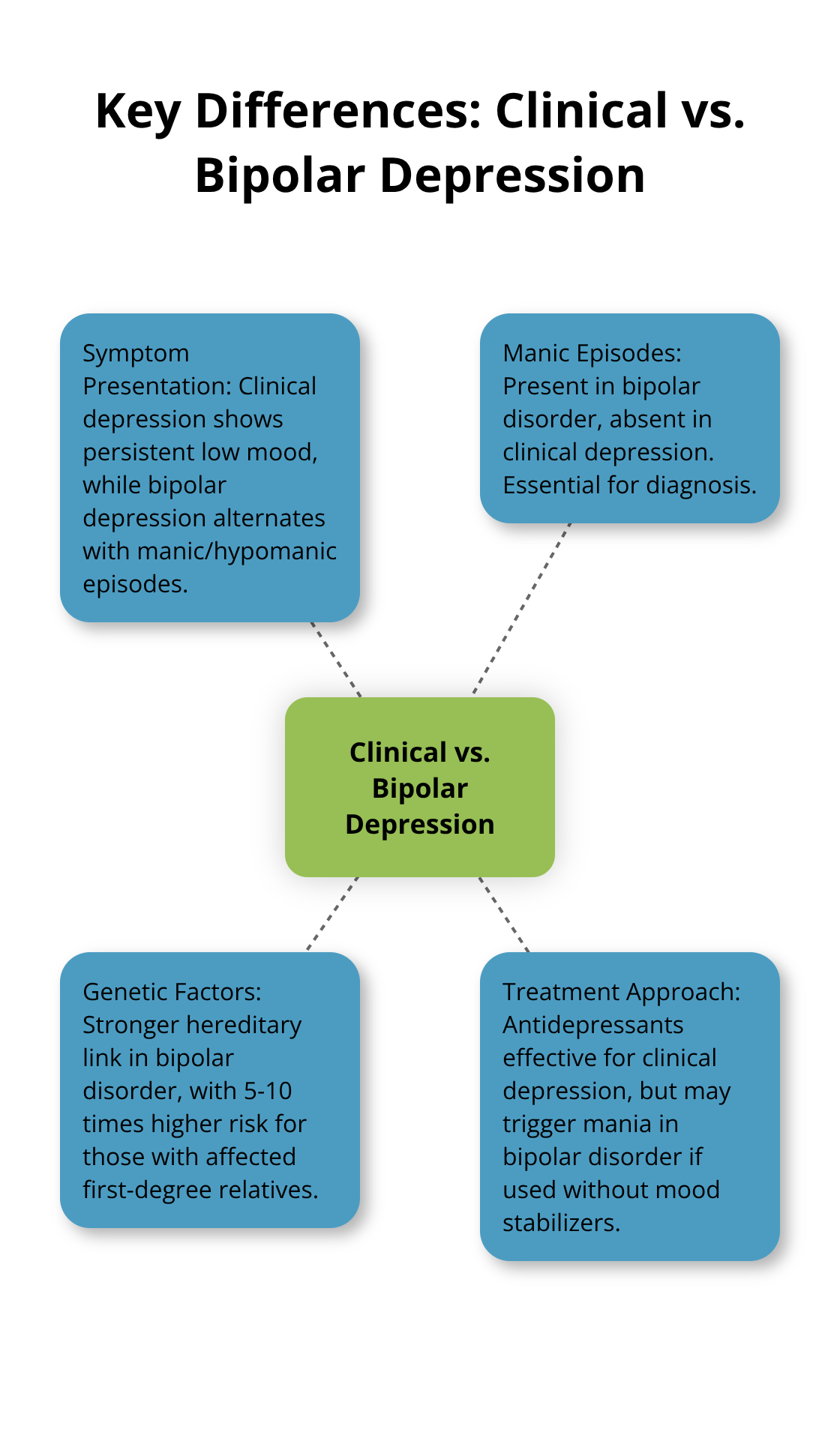
Clinical and bipolar depression share many symptoms, but their patterns and duration differ significantly. Clinical depression presents as a persistent low mood lasting at least two weeks. Bipolar depression occurs as part of a larger pattern of mood swings, alternating between depressive episodes and periods of mania or hypomania.
A study in the Journal of Affective Disorders found that individuals with bipolar depression more often experience hypersomnia (excessive sleep) and psychomotor retardation (slowed physical movements) compared to those with clinical depression. These specific symptoms play a key role in differentiating between the two conditions.
The Role of Manic Episodes
Manic or hypomanic episodes define bipolar disorder. These periods of elevated mood, increased energy, and sometimes reckless behavior do not occur in clinical depression. Recognizing these episodes is essential for accurate diagnosis.
In Coral Gables, many patients initially seek help during a depressive phase, unaware of their past manic episodes. This fact underscores the need for thorough psychiatric evaluations that explore a patient’s full mood history.
Genetic Factors and Family History
Both clinical and bipolar depression have genetic components, but research suggests a stronger hereditary link for bipolar disorder. A study in the American Journal of Psychiatry found that individuals with a first-degree relative diagnosed with bipolar disorder have a 5-10 times higher risk of developing the condition themselves.
Mental health professionals always take a comprehensive family history as part of the diagnostic process. This information provides valuable insights into a patient’s risk factors and helps guide treatment decisions.
Treatment Response and Approaches
The response to treatment can also differ between clinical and bipolar depression. Antidepressants, often effective for clinical depression, can potentially trigger manic episodes in individuals with bipolar disorder if used without mood stabilizers.
A study focused on the effect and safety of antidepressants when used with therapeutic doses of mood stabilizers or antipsychotic medications in bipolar depression.
For this reason, accurate diagnosis must precede treatment initiation. Miami psychiatry professionals must carefully consider the full spectrum of a patient’s symptoms and history to develop an appropriate treatment plan.
In Pinecrest and surrounding areas, tailored treatment approaches can significantly improve outcomes for both clinical and bipolar depression. This might include a combination of medication, psychotherapy, and lifestyle modifications (carefully adjusted to each individual’s needs).
Final Thoughts
Clinical depression and bipolar depression have distinct characteristics that set them apart. Clinical depression presents as a persistent low mood, while bipolar depression is part of a larger pattern of mood swings including manic or hypomanic episodes. The cyclical nature of bipolar disorder contrasts with the more consistent nature of clinical depression, making accurate diagnosis essential for effective treatment.
Professional assessment plays a key role in distinguishing clinical depression vs bipolar depression. Accurate diagnosis allows for the development of appropriate treatment plans and better outcomes. Seeking help from qualified mental health professionals is vital for individuals experiencing symptoms of depression or mood swings.
We at Equilibrium Mental Health Services offer expert care for various mental health conditions (including depression and bipolar disorder). Our team creates personalized treatment plans tailored to each individual’s needs. If you’re in Coral Gables or surrounding areas, reach out to us for support on your journey towards improved mental well-being.


