
Depression affects over 280 million people worldwide, yet many cases remain misdiagnosed for years. The difference between bipolar and unipolar depression often confuses both patients and healthcare providers.
At Equilibrium Mental Health Services, we see firsthand how proper diagnosis transforms treatment outcomes. Understanding these distinctions can mean the difference between years of ineffective treatment and finding the right path to recovery.
What Makes These Two Depression Types Different?
Unipolar depression, also known as major depressive disorder, affects approximately 21 million adults in the United States according to the National Institute of Mental Health. This condition involves persistent sadness, loss of interest in activities, and significant impairment in daily function without any manic episodes. The brain chemistry changes remain consistently depressed, which creates a pattern that mental health professionals can identify through careful assessment.
The Manic Episode Factor
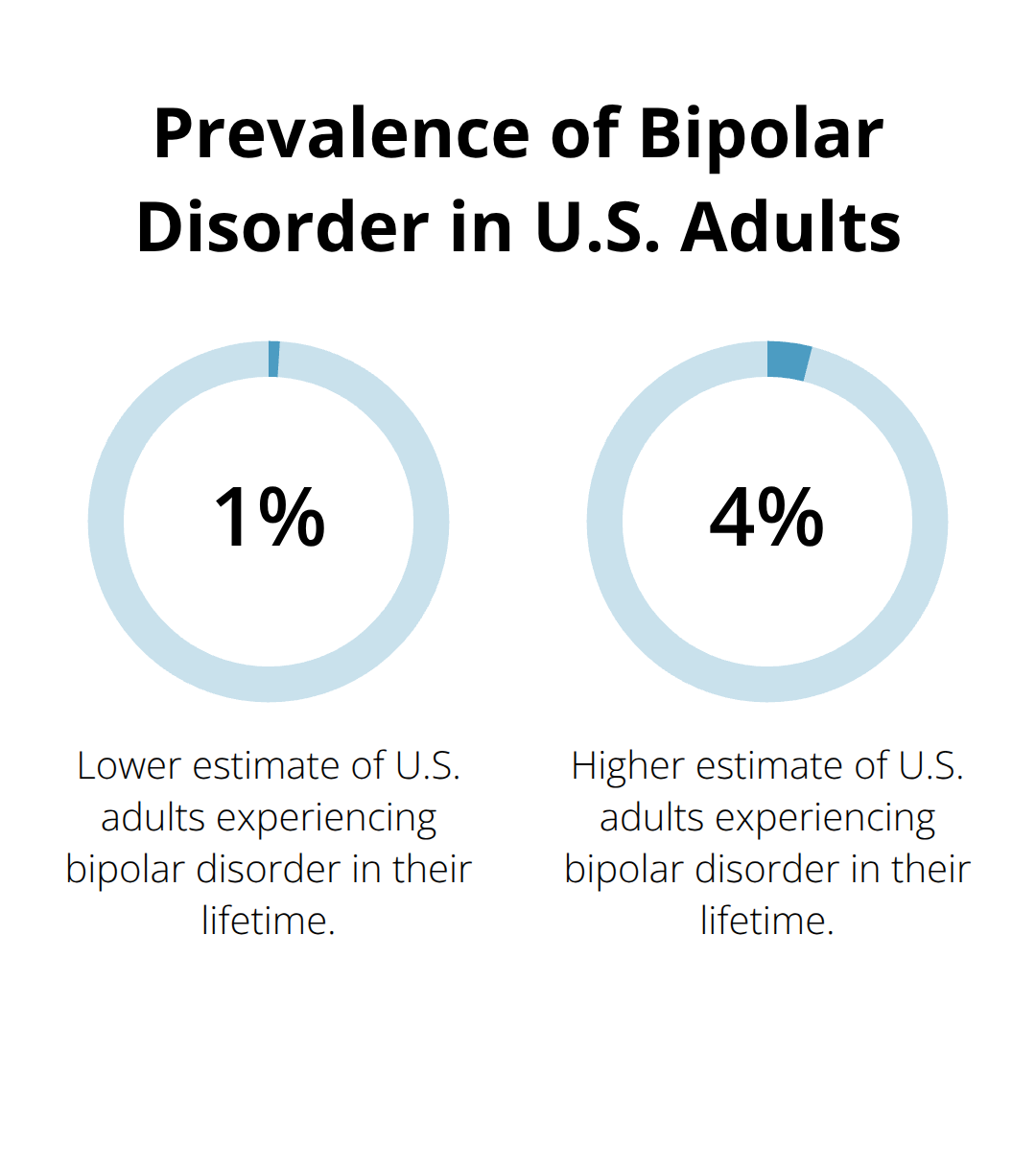
Bipolar disorder differs fundamentally because it includes manic or hypomanic episodes alongside depression. Between 1.5% to 4.4% of U.S. adults experience bipolar disorder at some point in their lives. Manic episodes last at least one week and involve elevated mood, decreased need for sleep, racing thoughts, and impulsive behaviors that often require hospitalization. Hypomanic episodes are less severe but still noticeable (lasting a minimum of four days). These mood elevations never occur in unipolar depression, which makes this the primary factor that distinguishes the two conditions.
Medication Approaches Differ Dramatically
The medication approach differs dramatically between these conditions. Antidepressants work effectively for unipolar depression but can trigger dangerous manic episodes in bipolar patients when used alone. Studies show that mood stabilizers like lithium combined with antidepressants provide better outcomes for bipolar depression. Misdiagnosis leads to years of ineffective treatment – patients often spend decades on wrong medications before they receive proper care. For comprehensive mental health support, consider consulting with Miami psychiatry professionals.
The Diagnostic Timeline Problem
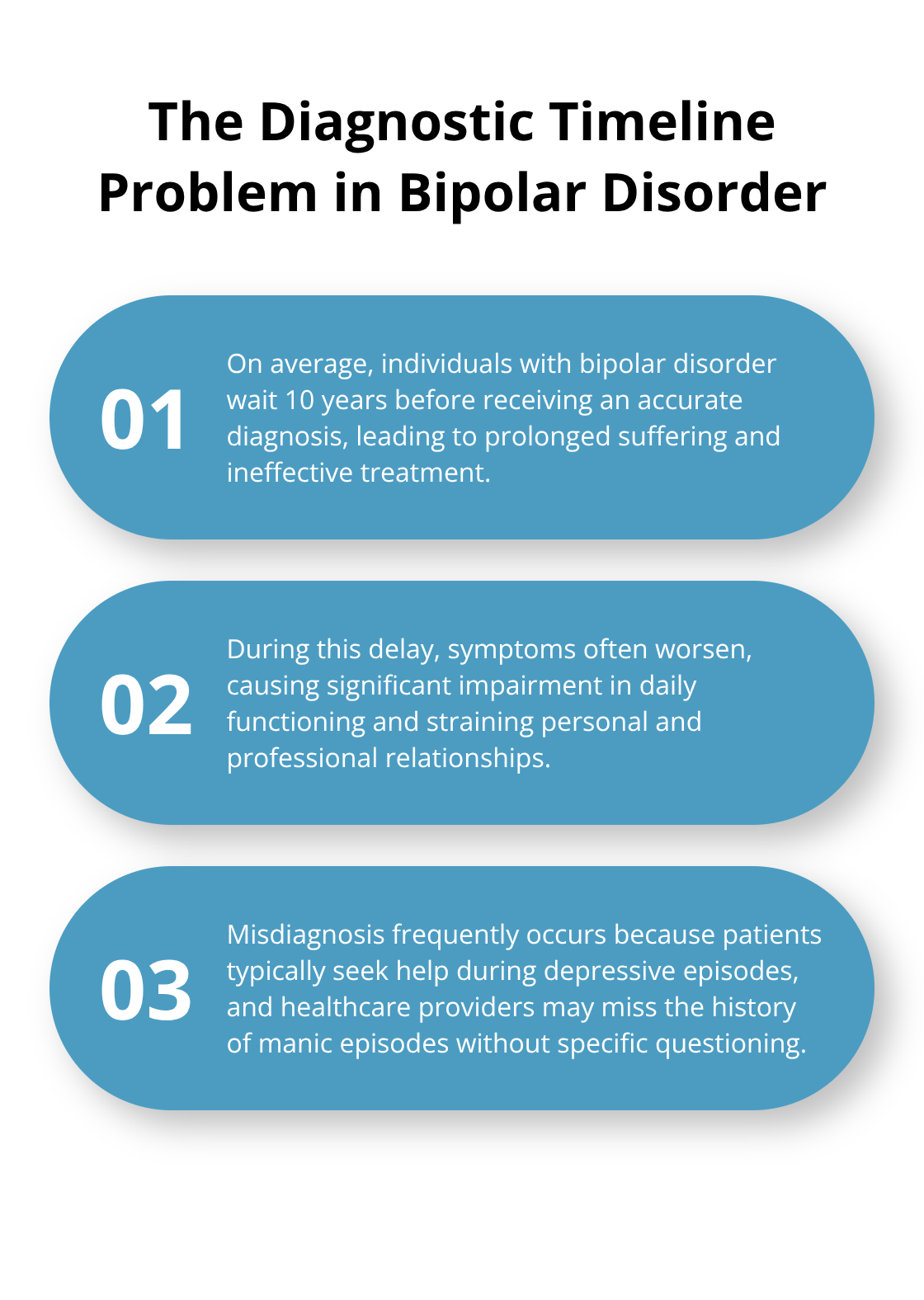
The average person with bipolar disorder waits 10 years for accurate diagnosis (during which time symptoms worsen and relationships suffer unnecessarily). This delay occurs because individuals with bipolar disorder typically seek help during depressive episodes rather than manic ones. Healthcare providers may miss the manic history if they don’t ask specific questions about past mood elevations. The next step involves understanding how to recognize these distinct warning signs and symptoms.
What Warning Signs Should You Watch For?
Spotting Manic Episodes Before They Peak
Manic episodes create unmistakable patterns that family members often notice first. The person sleeps only limited hours nightly yet feels completely energized, talks rapidly without pauses, and makes impulsive financial decisions like spending thousands on unnecessary purchases. Racing thoughts jump from topic to topic so quickly that conversations become impossible to follow.
These episodes escalate over several days, and early intervention prevents hospitalization. Watch for grandiose beliefs about special abilities or unrealistic business plans that seem completely out of character. The key difference from normal excitement is the sustained intensity that lasts at least one week combined with significant impairment in work or relationships.
Depression Patterns Tell Different Stories
Unipolar depression follows a steady downward trajectory without any mood elevation periods. Symptoms persist for at least two weeks and include overwhelming fatigue, loss of appetite, difficulty with concentration, and feelings of worthlessness that interfere with daily activities.
Sleep patterns change dramatically – either the person sleeps 12+ hours daily or experiences insomnia with early morning awakening. The National Institute of Mental Health reports that individuals with unipolar depression show consistent low mood without the energy bursts seen in bipolar disorder.
Family History Reveals Important Clues
Family history plays a major role in both conditions. People with first-degree relatives who have unipolar depression face three times higher risk of developing the condition themselves. Research shows that bipolar disorder has significant heritability, with lifetime prevalence rates between 5% and 10% in first-degree relatives of patients, which makes family psychiatric history the strongest predictor for both conditions.
Healthcare providers need this family information to make accurate diagnoses (especially when patients seek help during depressive episodes). The genetic component explains why these conditions often run in families and why detailed family histories become essential diagnostic tools. For comprehensive psychiatric care, consider consulting Miami psychiatry specialists.
Professional mental health evaluation becomes necessary when these warning signs appear, as proper assessment techniques can distinguish between these similar-looking conditions.
How Do Professionals Make the Right Diagnosis?
Mental health professionals use structured clinical interviews and standardized assessment tools to distinguish between bipolar and unipolar depression. The Diagnostic and Statistical Manual of Mental Health Disorders (DSM-5) provides specific criteria that require detailed exploration of past mood episodes, family psychiatric history, and symptom patterns over time.
Clinical Assessment Methods
Psychiatrists conduct comprehensive evaluations that typically span 90 minutes. They examine not just current symptoms but the entire timeline of mood changes. The key breakthrough often comes when clinicians ask direct questions about periods of elevated mood, increased energy, or decreased sleep that patients may not initially report.
Studies from Massachusetts General Hospital show that systematic screening for manic episodes increases diagnostic accuracy by 40% compared to standard depression assessments. This thorough approach prevents years of misdiagnosis and inappropriate treatment.
Medication Strategies Differ Completely
Treatment plans require different strategies and determine long-term outcomes. Unipolar depression responds well to selective serotonin reuptake inhibitors like sertraline or escitalopram, which typically take 4-6 weeks to show full effectiveness according to the American Psychiatric Association.
However, bipolar depression requires mood stabilizers such as lithium or valproate as the foundation, with antidepressants added cautiously if needed. Research shows that antidepressants alone in bipolar patients require careful consideration due to potential risks of mood switching.
Therapy Approaches Target Specific Needs
Cognitive behavioral therapy works effectively for both conditions, but bipolar patients benefit from additional interpersonal and social rhythm therapy. This specialized approach helps maintain stable daily routines and sleep patterns (which prevents mood episode triggers).
Therapists focus on different goals for each condition. Unipolar depression treatment emphasizes thought pattern changes and behavioral activation. Bipolar therapy adds mood episode recognition and lifestyle stability techniques.
Continuous Monitoring Prevents Setbacks
Regular psychiatric follow-ups every 4-6 weeks during initial treatment phases allow for medication adjustments and early identification of mood changes. Patients keep mood journals to track sleep patterns, energy levels, and daily function, which provides objective data for treatment decisions.
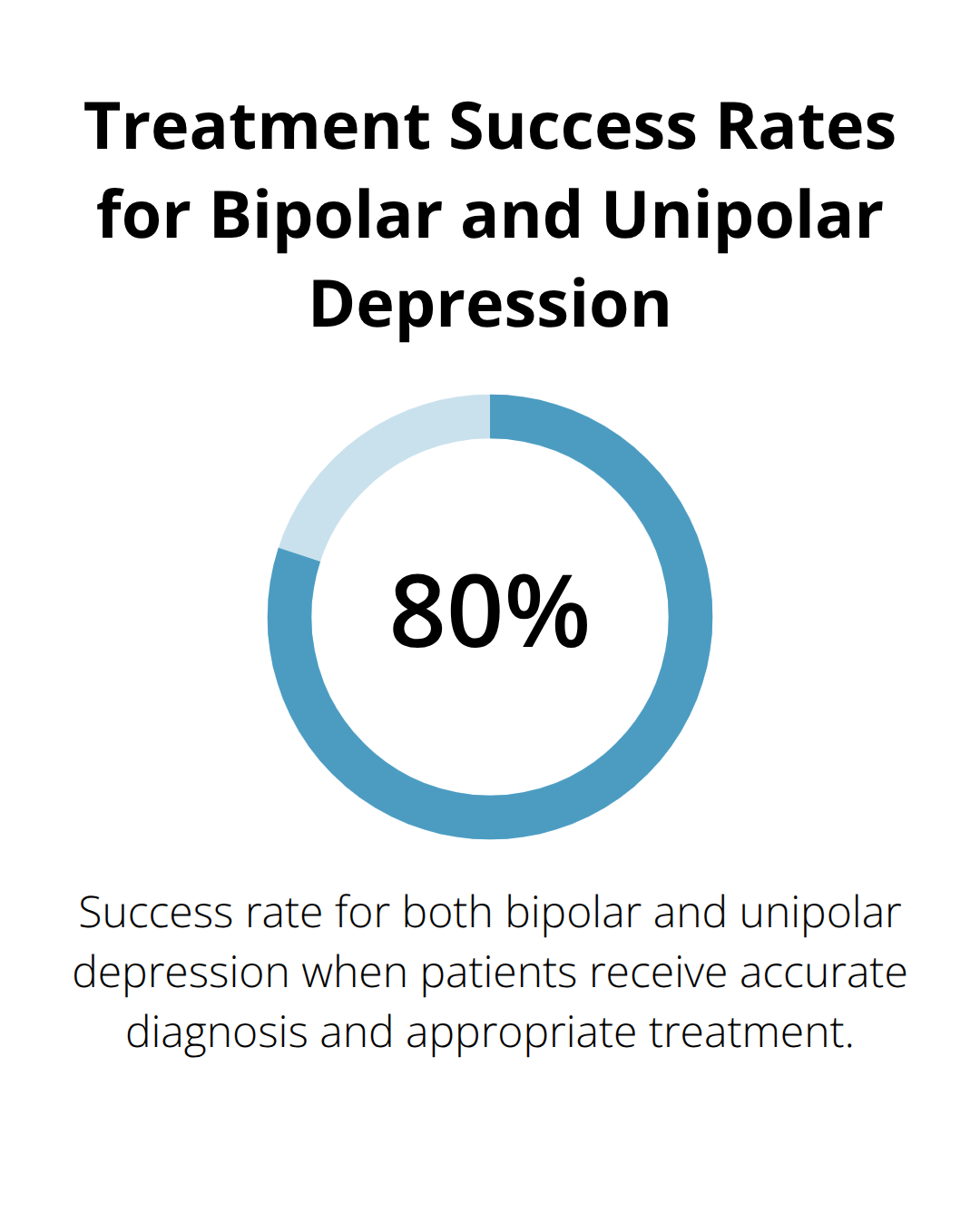
The National Institute of Mental Health emphasizes that successful bipolar treatment requires lifelong monitoring, while unipolar depression may achieve remission with 12-18 months of consistent treatment. Treatment success rates reach 80% for both conditions when patients receive accurate diagnosis and appropriate medication management combined with psychotherapy (making proper initial assessment absolutely essential). For those seeking specialized care, Miami psychiatry offers comprehensive diagnostic and treatment services.
Final Thoughts
The difference between bipolar and unipolar depression affects millions of lives, yet proper diagnosis remains achievable with professional evaluation. Research shows that 80% of patients with both conditions achieve significant improvement when they receive accurate diagnosis and appropriate treatment. We at Equilibrium Mental Health Services understand that patients often spend years with symptoms before they find the right diagnosis.
Professional psychiatric evaluation provides the clarity you need. Both conditions respond well to evidence-based treatment approaches when properly identified (making accurate assessment the foundation of recovery). Our team creates treatment plans tailored to each individual’s unique needs through personalized medication management and psychotherapy.
Don’t let another year pass with ineffective treatment. If you recognize symptoms of depression with or without mood elevation periods, contact Miami psychiatry professionals today. Your path toward proper diagnosis and recovery can begin with one phone call.


