
Depression can be overwhelming, but developing effective coping mechanisms is a powerful way to manage its impact. At Equilibrium Mental Health Services, we understand the importance of equipping individuals with practical tools to navigate their mental health journey.
This guide explores various coping mechanisms for depression, from emotional strategies to problem-focused techniques. We’ll provide actionable steps to help you build resilience and improve your overall well-being.
What Is Depression and How Can We Cope?
Depression is more than just feeling sad. It’s a complex mental health condition that affects millions of people worldwide. At Equilibrium Mental Health Services, we see the impact of depression on daily life, relationships, and overall well-being firsthand.
Recognizing Depression Symptoms
Depression manifests differently for everyone, but common symptoms include:
- Persistent sadness
- Loss of interest in activities
- Changes in sleep patterns
- Difficulty concentrating
- Physical symptoms like fatigue and unexplained aches
If you experience these symptoms for more than two weeks, it might be time to seek help.
The Power of Coping Mechanisms
Effective coping mechanisms are essential for managing depression. These strategies and tools help you navigate challenging emotions and situations. They’re not just temporary fixes; they’re skills that can significantly improve your quality of life.
Types of Coping Strategies
There are three main types of coping strategies:
- Emotional coping: This involves managing your feelings (e.g., practicing mindfulness or talking to a friend).
- Problem-focused coping: This tackles issues head-on (e.g., breaking down overwhelming tasks into smaller steps).
- Avoidance coping: While sometimes necessary for short-term relief, this isn’t recommended as a long-term strategy.
In Coral Gables, patients successfully use a combination of these strategies. For example, one patient found that journaling (emotional coping) helped them identify triggers, which led to problem-solving strategies for work-related stress.
The Prevalence of Depression
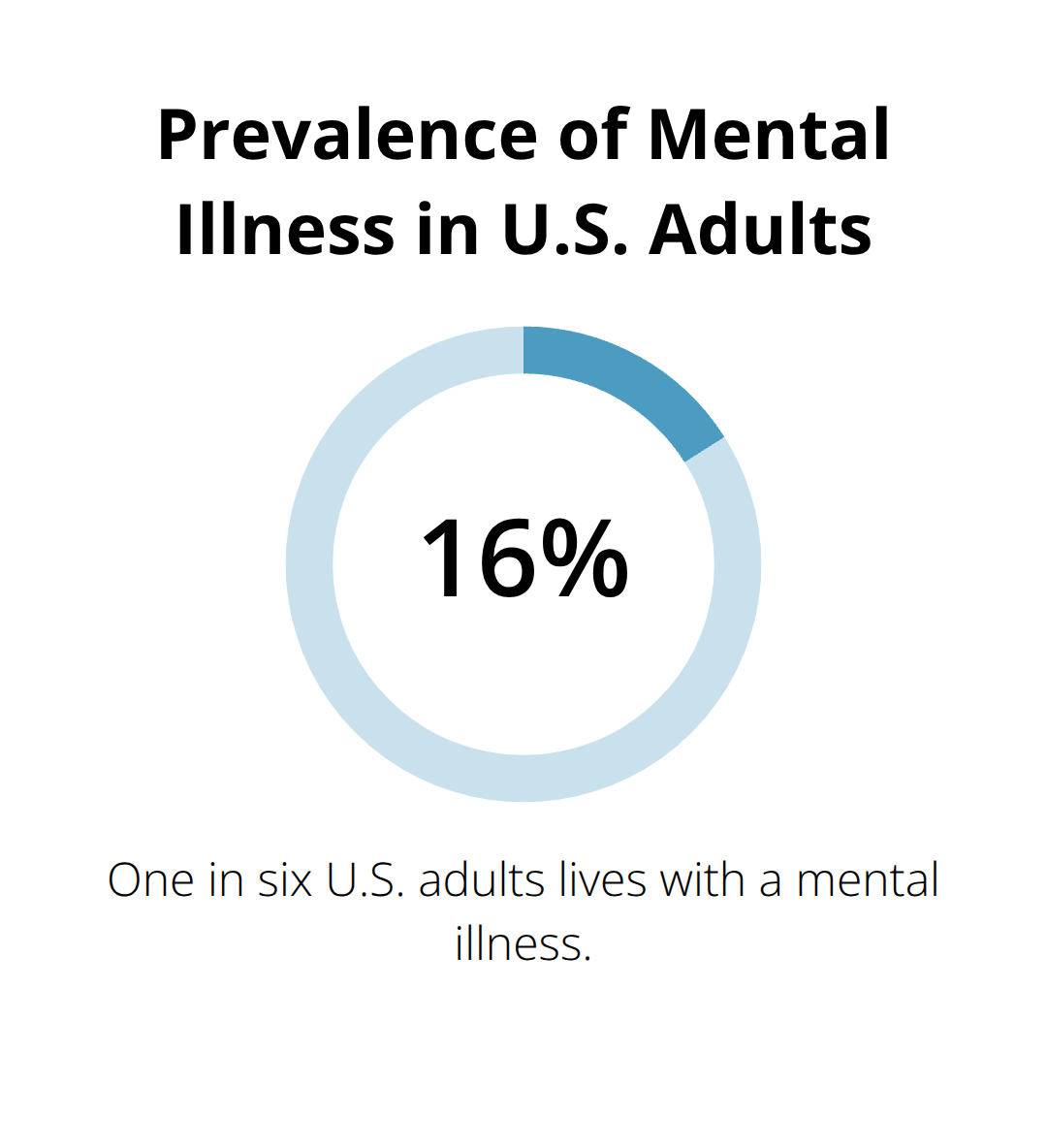
One in six U.S. adults lives with a mental illness. This statistic underscores the importance of developing robust coping mechanisms.
Personalized Approach to Coping
It’s important to note that what works for one person may not work for another. That’s why at Equilibrium Mental Health Services, we work with each patient to develop a personalized coping toolkit. This tailored approach leads to better outcomes and long-term management of depression symptoms.
If you struggle with depression, don’t hesitate to reach out for professional help. Miami psychiatry services can provide the support and guidance needed to develop effective coping strategies and manage your symptoms effectively.
As we move forward, let’s explore specific healthy emotional coping strategies that can help you navigate the challenges of depression.
Emotional Coping Strategies That Work
Depression presents challenges, but effective emotional coping strategies can transform lives. At Equilibrium Mental Health Services, we’ve witnessed the positive impact of these techniques firsthand.
The Power of Mindfulness
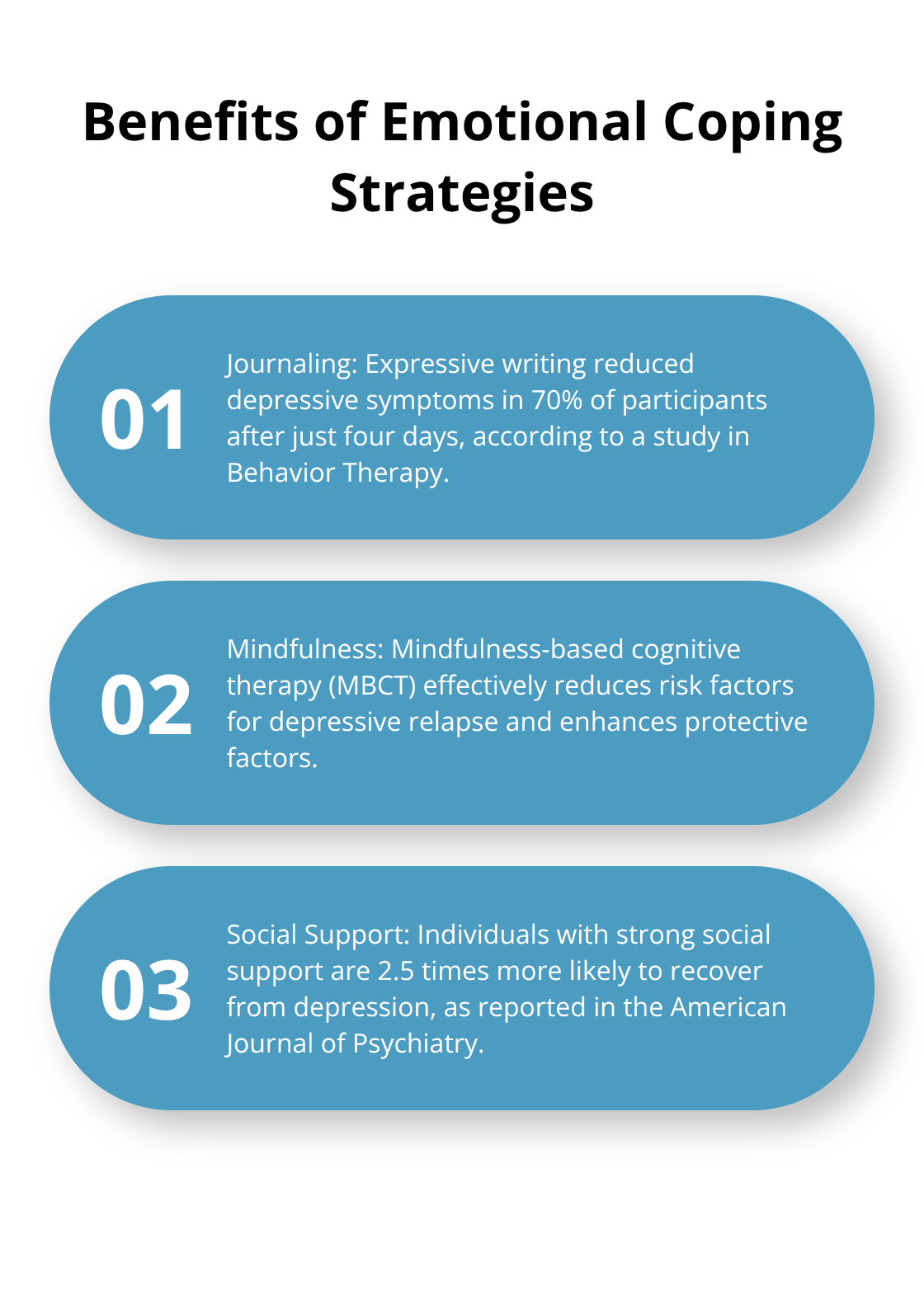
Mindfulness proves a powerful tool for managing depression. A recent study found that mindfulness-based cognitive therapy (MBCT) effectively reduces risk factors for depressive relapse and enhances protective factors. Start with five minutes daily of focused breathing or body scanning. (Apps like Headspace or Calm offer guided sessions.)
Unleash Your Creativity
Creative activities provide a potent emotional outlet. Recent findings suggest that art-based interventions can be effective in reducing depressive symptoms in children and adolescents. Try painting, writing, or adult coloring books. Focus on the process, not the result.
Build Your Support Network
Social connections play a vital role in mental health. The American Journal of Psychiatry reports that individuals with strong social support are 2.5 times more likely to recover from depression. Reach out to friends, family, or join support groups. In Coral Gables, patients benefit greatly from local community groups and online forums.
The Healing Power of Journaling
Journaling offers a simple yet effective way to process emotions. A study in the journal Behavior Therapy found that expressive writing reduced depressive symptoms in 70% of participants after just four days. Try 15 minutes of free writing each day, focusing on your thoughts and feelings without judgment.
Seeking Professional Support
These strategies work best when combined with professional guidance. If depression affects you in Miami or surrounding areas (such as Pinecrest or Palmetto Bay), consider reaching out to a qualified mental health provider. A trained professional can help you tailor these coping strategies to your unique situation and provide additional support when needed.
As we explore emotional coping strategies, it’s important to also consider practical, problem-focused techniques. These hands-on approaches complement emotional strategies and provide concrete ways to manage depression in daily life.
Miami psychiatry services can offer additional support and guidance in implementing these strategies effectively.
Practical Steps to Manage Depression
Depression can feel overwhelming, but taking concrete actions can make a significant difference. We’ve seen patients in Coral Gables and surrounding areas make remarkable progress by implementing practical problem-focused techniques.
Break Tasks into Manageable Steps
When depression hits, even simple tasks can seem insurmountable. The key is to break them down. Start with something as basic as making your bed. This small accomplishment can set a positive tone for the day.
A study in the Journal of Behavior Therapy and Experimental Psychiatry found that individuals who made their beds in the morning were 19% more likely to report a good night’s sleep. This simple act can create a ripple effect of productivity.
Establish a Structured Routine
Creating a daily routine provides stability and purpose. Start by setting a consistent wake-up time. A study in the journal Sleep found that irregular sleep patterns are associated with higher rates of depression and anxiety.
Try this: Set three main goals for each day. They don’t have to be big – “take a shower,” “go for a 10-minute walk,” and “call a friend” are all valid goals. Achieving these small wins can boost your mood and motivation.
Prioritize Physical Health
Physical health and mental health are deeply interconnected. Regular exercise is a powerful tool against depression. As little as one hour of exercise a week can make a difference in preventing future cases of depression.
Nutrition also plays an important role. Omega-3 fatty acids (found in fish like salmon) have been shown to alleviate depressive symptoms. A balanced diet rich in fruits, vegetables, and whole grains can significantly impact your mood and energy levels.
We often recommend patients in Pinecrest and Palmetto Bay to start with small, achievable fitness goals. Even a 10-minute walk can make a difference.
Seek Professional Help
While self-help strategies are valuable, professional support often proves essential in managing depression effectively. Miami psychiatry services offer evidence-based treatments that can significantly improve outcomes.
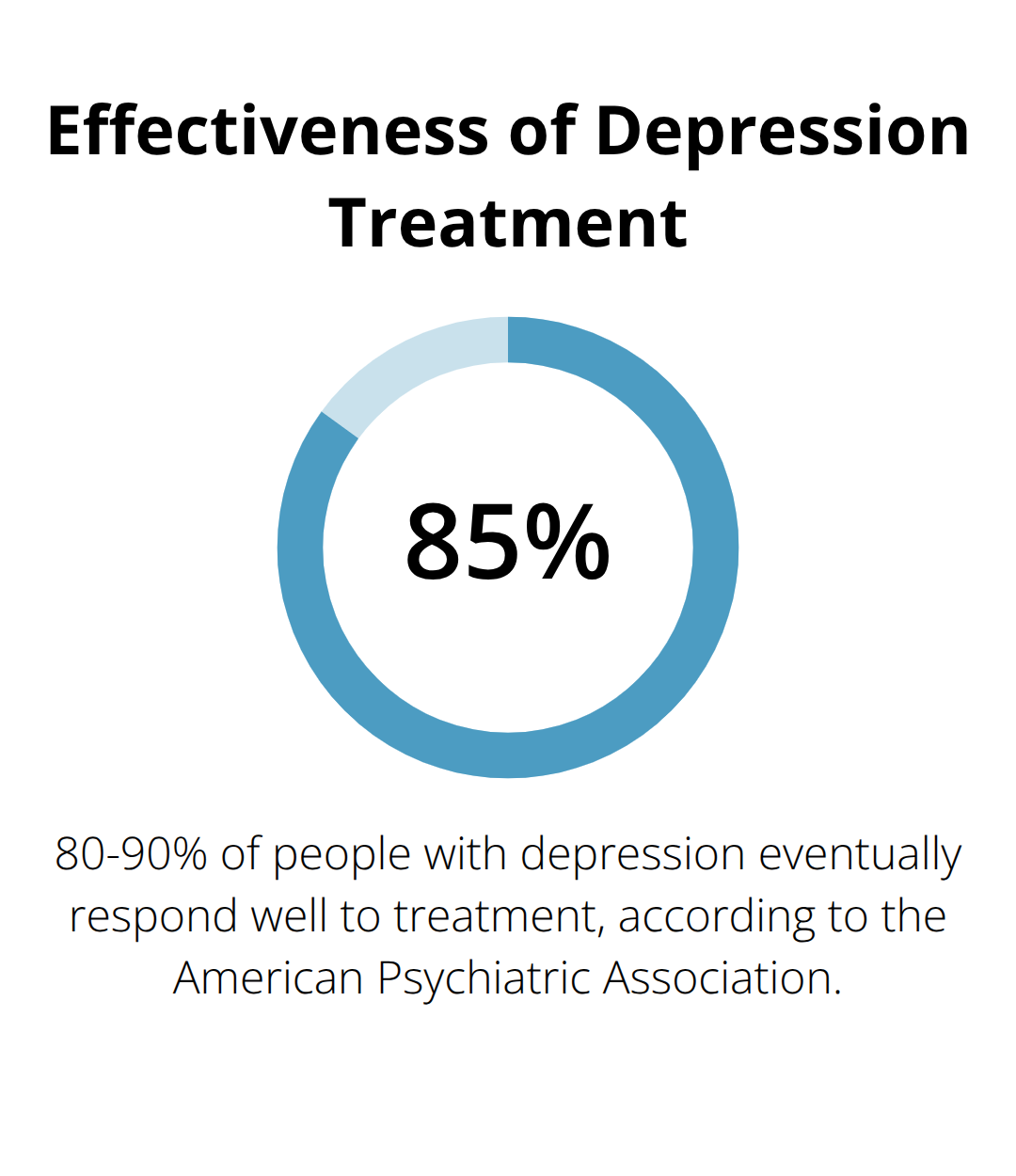
A combination of medication and psychotherapy has shown to be particularly effective. The American Psychiatric Association reports that 80-90% of people with depression eventually respond well to treatment.
Equilibrium Mental Health Services offers personalized treatment plans that combine these practical strategies with professional care. This approach has helped numerous patients in Miami and surrounding areas regain control over their lives and find renewed hope.
Seeking help is a sign of strength, not weakness. If you struggle with depression, don’t hesitate to reach out to a mental health professional. With the right support and strategies, you can navigate through depression and emerge stronger on the other side.
Final Thoughts
Effective coping mechanisms for depression require patience and personalization. You must experiment with different approaches to find the combination that works best for you. Some individuals benefit from daily journaling, while others prefer structured exercise routines (the key is to remain open to new strategies).
Professional support often proves necessary for managing depression effectively. We at Equilibrium Mental Health Services offer personalized treatment plans that combine evidence-based therapies with medication management when appropriate. Our team of dedicated professionals commits to helping you navigate your mental health journey and find balance in your life.
If you struggle with depression or find it challenging to implement coping strategies on your own, don’t hesitate to reach out. Our compassionate team in Miami psychiatry is here to support you every step of the way. With the right combination of self-help techniques and professional care, you can develop resilience, manage your symptoms effectively, and move towards a healthier, more fulfilling life.


