
Real Event OCD guilt can be an overwhelming and distressing experience, causing individuals to fixate on past actions and replay them endlessly in their minds.
At Equilibrium Mental Health Services, we understand the impact this condition can have on daily life and overall well-being.
In this post, we’ll explore effective strategies to cope with Real Event OCD guilt and provide insights into when to seek professional help from a <a href=”https://g.co/kgs/Toi7gBP”>Miami psychiatry</a> specialist.
Understanding Real Event OCD
What is Real Event OCD?
Real-Event OCD is characterized by the presence of obsessions pertaining to concerns that stem from an event that has occurred in the past. This condition can significantly impact daily life in Miami and surrounding areas like Coral Gables and Pinecrest.
Recognizing the Signs
Individuals with Real Event OCD often experience intrusive thoughts about past actions, which lead to excessive rumination and distress. These thoughts might revolve around minor mistakes or perceived moral transgressions from years ago. For example, a patient might obsess over a white lie told to a friend in high school, convinced it makes them a terrible person.
Common Triggers and Manifestations
Real Event OCD can be triggered by various factors, including stress, major life changes, or reminders of past events. Some common manifestations include:
- Constant replaying of memories
- Excessive apologizing for past actions
- Seeking reassurance from others about past events
- Avoiding people or places associated with the memory
Distinguishing from Normal Guilt
While it’s normal to feel remorse over past mistakes, Real Event OCD takes this to an extreme level. The guilt experienced in Real Event OCD is disproportionate to the actual event and persists despite logical reasoning or reassurance from others.
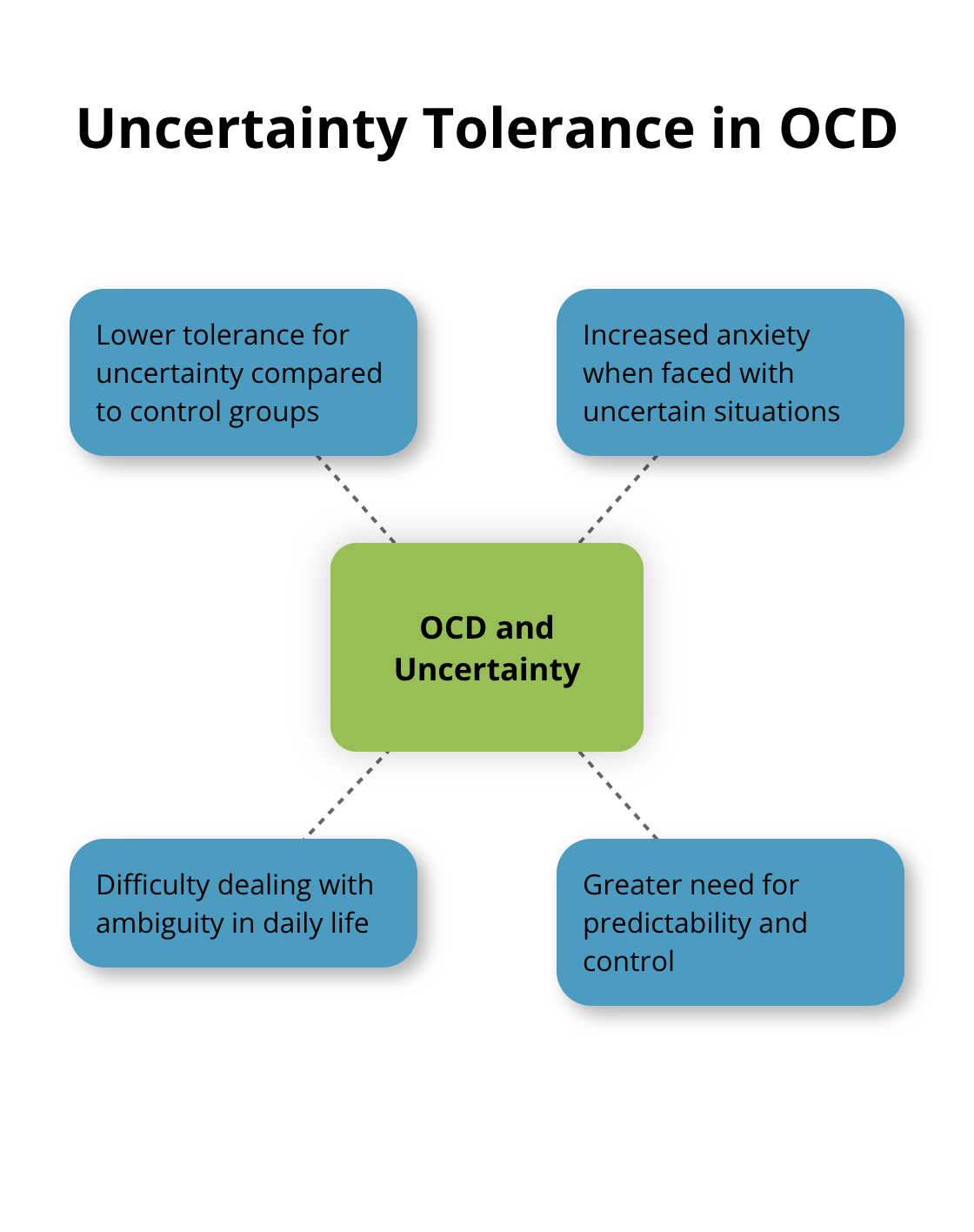
Individuals with OCD reported less ability to tolerate uncertainty than did nonanxious and anxious control groups.
Seeking Professional Help
If you find yourself constantly plagued by guilt over past events, it may be time to consult with a Miami psychiatry specialist who can provide a proper diagnosis and treatment plan. Professional help can offer relief and strategies to manage the symptoms of Real Event OCD effectively.
As we move forward, let’s explore the various strategies that can help individuals cope with the guilt associated with Real Event OCD and regain control over their thoughts and emotions.
Effective Strategies to Manage Real Event OCD Guilt
Real Event OCD guilt can significantly impact daily life, but proven strategies exist to help individuals overcome these intrusive thoughts. Let’s explore practical approaches that can make a substantial difference in managing Real Event OCD guilt.
Cognitive Restructuring Techniques
Cognitive restructuring stands out as one of the most effective ways to combat Real Event OCD guilt. This technique involves the identification and challenge of distorted thought patterns. For instance, if you constantly replay a minor mistake from years ago, ask yourself: “Is this thought realistic? Am I overestimating my responsibility?” Questioning these intrusive thoughts allows you to develop a more balanced perspective.
Mindfulness and Acceptance Practices
Mindfulness serves as a powerful tool in managing Real Event OCD guilt. Focusing on the present moment reduces the tendency to dwell on past events. Try this simple exercise: When an intrusive thought about a past event arises, acknowledge it without judgment, then gently redirect your attention to your breath or your immediate surroundings.
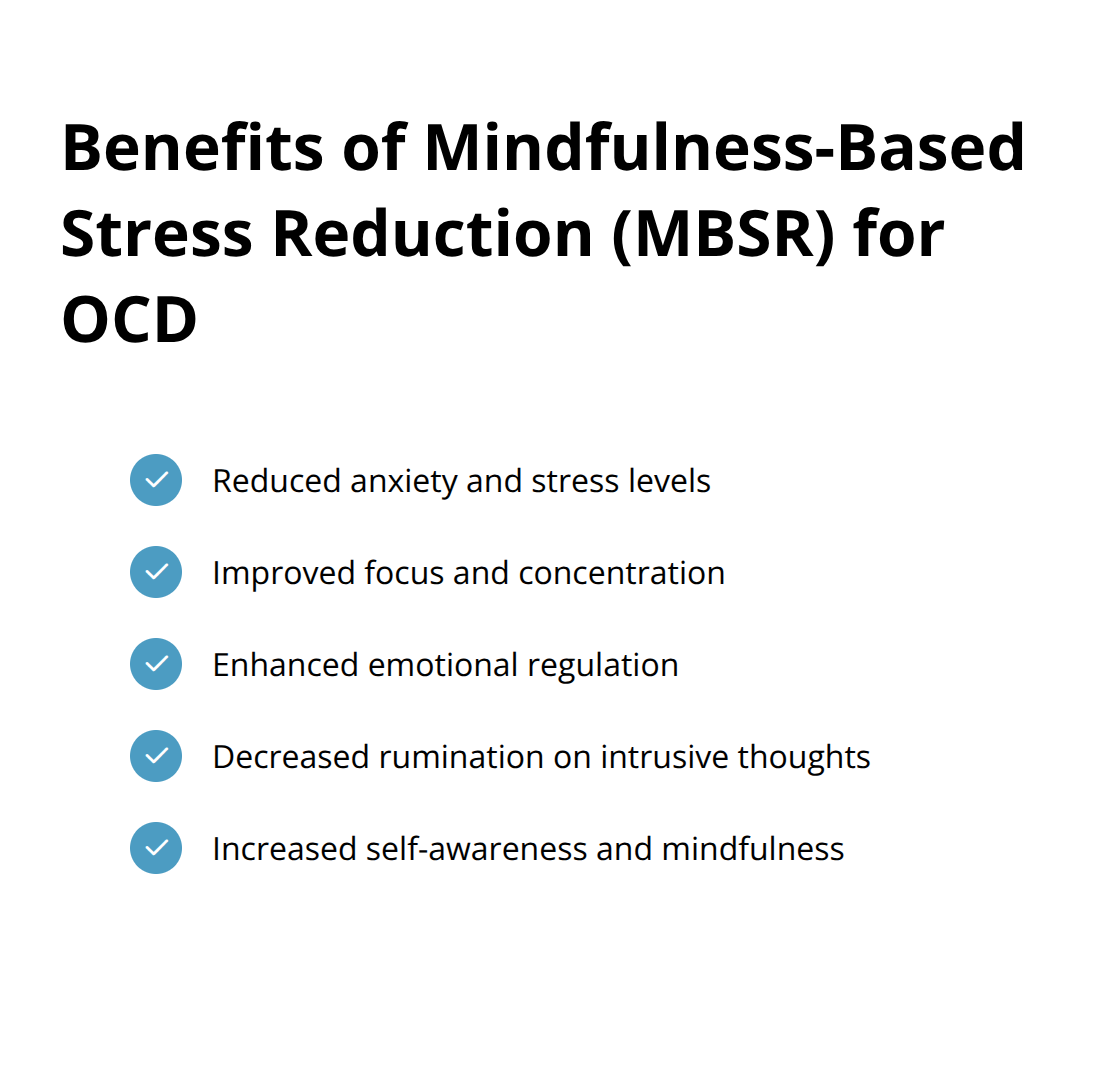
The Mindfulness-Based Stress Reduction (MBSR) program, developed at the University of Massachusetts Medical Center, has shown promising results in reducing OCD symptoms.
Exposure and Response Prevention (ERP) Therapy
ERP therapy is considered the gold standard in treating OCD, including Real Event OCD. This therapy involves gradual exposure to thoughts or situations that trigger your guilt, while resisting the urge to engage in compulsive behaviors. For instance, if you constantly seek reassurance about a past event, an ERP exercise might involve deliberately not asking for reassurance when the urge arises.
Practical Tips for Daily Management
- Keep a thought journal: Write down intrusive thoughts and challenge them rationally.
- Practice self-compassion: Treat yourself with the same kindness you would offer a friend.
- Engage in regular exercise: Physical activity can help reduce anxiety and improve mood.
- Establish a routine: Structure can provide a sense of control and reduce stress.
Managing Real Event OCD guilt requires patience and persistence. While these strategies can be highly effective, working with a qualified mental health professional who can tailor the approach to your specific needs is important. If you struggle with Real Event OCD guilt in Pinecrest or the surrounding areas, consider reaching out to a Miami psychiatry specialist for personalized support and guidance. The next section will explore when and how to seek professional help for Real Event OCD.
When Should You Seek Professional Help for Real Event OCD?
Recognizing the Need for Professional Intervention
Real Event OCD can significantly impact your daily life, relationships, and overall well-being. While self-help strategies can benefit you, professional intervention becomes necessary at a certain point. You should consult a Miami psychiatry specialist for Real Event OCD when obsessive thoughts about past events interfere with your ability to function in daily life. This interference might manifest as difficulty concentrating at work, avoidance of social situations, or persistent sleep disturbances. The Anxiety and Depression Association of America suggests that if OCD symptoms consume more than an hour of your day, you should consult a mental health professional.
Available Therapies and Treatments
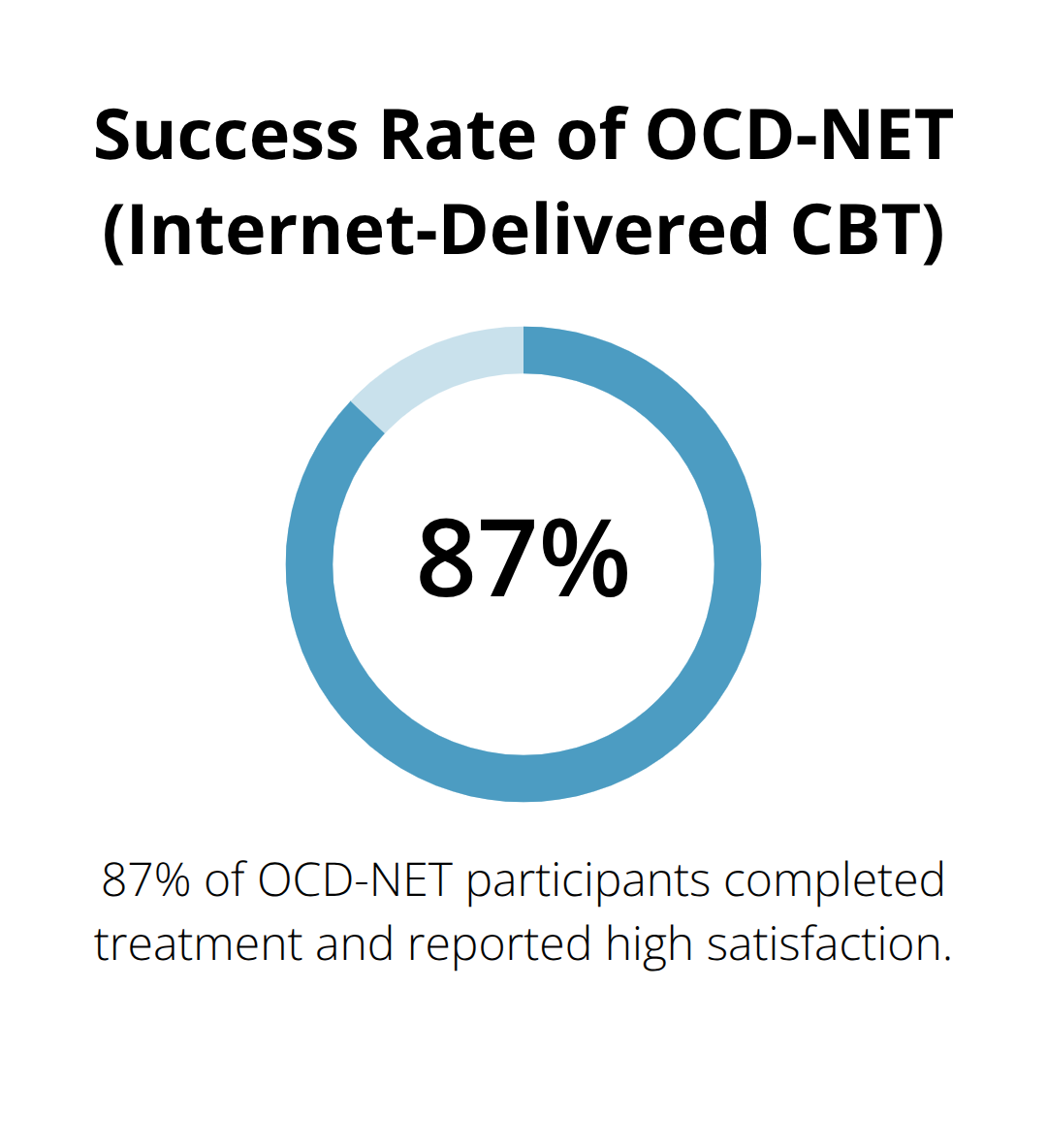
When you decide to seek help, you’ll find various evidence-based treatments available. Cognitive Behavioral Therapy (CBT) often serves as the first-line treatment for Real Event OCD. A study found that 87% of participants in OCD-NET (an internet-delivered CBT program) were treatment completers and reported high satisfaction with the treatment.
Exposure and Response Prevention (ERP) therapy, a specific type of CBT, has shown particularly promising results. In ERP, you work with a therapist to confront your obsessive thoughts gradually without engaging in compulsive behaviors. This process helps rewire your brain’s response to these thoughts over time.
In some cases, a psychiatrist may recommend medication in conjunction with therapy. Selective Serotonin Reuptake Inhibitors (SSRIs) have proven effective in managing OCD symptoms. A psychiatrist can help determine if medication suits you and monitor its effects closely.
Benefits of Professional Support
Working with a mental health professional offers numerous advantages. They can provide an accurate diagnosis, ruling out other conditions that may present similarly to Real Event OCD. A professional can also tailor treatment to your specific needs and symptoms.
Moreover, a therapist can teach you coping strategies that you might not discover on your own. These strategies can include mindfulness techniques, cognitive restructuring exercises, and stress management tools.
Finding the Right Professional in Coral Gables
When seeking help for Real Event OCD in Coral Gables or surrounding areas (such as Pinecrest or Palmetto Bay), it’s important to find a mental health professional with experience in treating OCD. Look for specialists who use evidence-based treatments like CBT and ERP. You can start by asking your primary care physician for referrals or searching for local psychiatrists who specialize in anxiety disorders.
The Role of Ongoing Support
Professional help for Real Event OCD isn’t a one-time fix; it often requires ongoing support and treatment. Regular sessions with a therapist or psychiatrist can help you maintain progress, address new challenges as they arise, and refine your coping strategies over time. This continuous support can prove invaluable in managing Real Event OCD long-term.
Final Thoughts
Real Event OCD guilt can overwhelm individuals, but effective coping strategies and professional help exist. We at Equilibrium Mental Health Services understand the impact of this condition on daily life. Our team specializes in providing evidence-based care for various mental health conditions, including OCD.
Self-compassion and patience play vital roles in managing Real Event OCD guilt. Healing takes time, and setbacks are normal (it’s part of the process). We encourage you to celebrate small victories and acknowledge your progress, no matter how small it may seem.
If you struggle with Real Event OCD guilt in Coral Gables, we urge you to seek professional support. Our dedicated team can create a personalized treatment plan tailored to your unique needs. Don’t let Real Event OCD guilt control your life – take the first step towards healing today.


