
Choosing the right medication for OCD and depression can be a complex process. At Equilibrium Mental Health Services, we understand the challenges patients face when seeking effective treatment for these conditions.
This guide will help you navigate the various medication options available and highlight key factors to consider in your decision-making process. We’ll explore how to find the most suitable medication for OCD and depression, tailored to your unique needs and circumstances.
What Are OCD and Depression?
Understanding OCD
Obsessive-Compulsive Disorder (OCD) is a mental health condition characterized by persistent, intrusive thoughts (obsessions) and repetitive behaviors or mental acts (compulsions). People with OCD feel compelled to perform these actions to alleviate anxiety. Common obsessions include fear of contamination, need for symmetry, or intrusive violent or sexual thoughts. Compulsions might involve excessive hand washing, checking, or counting.
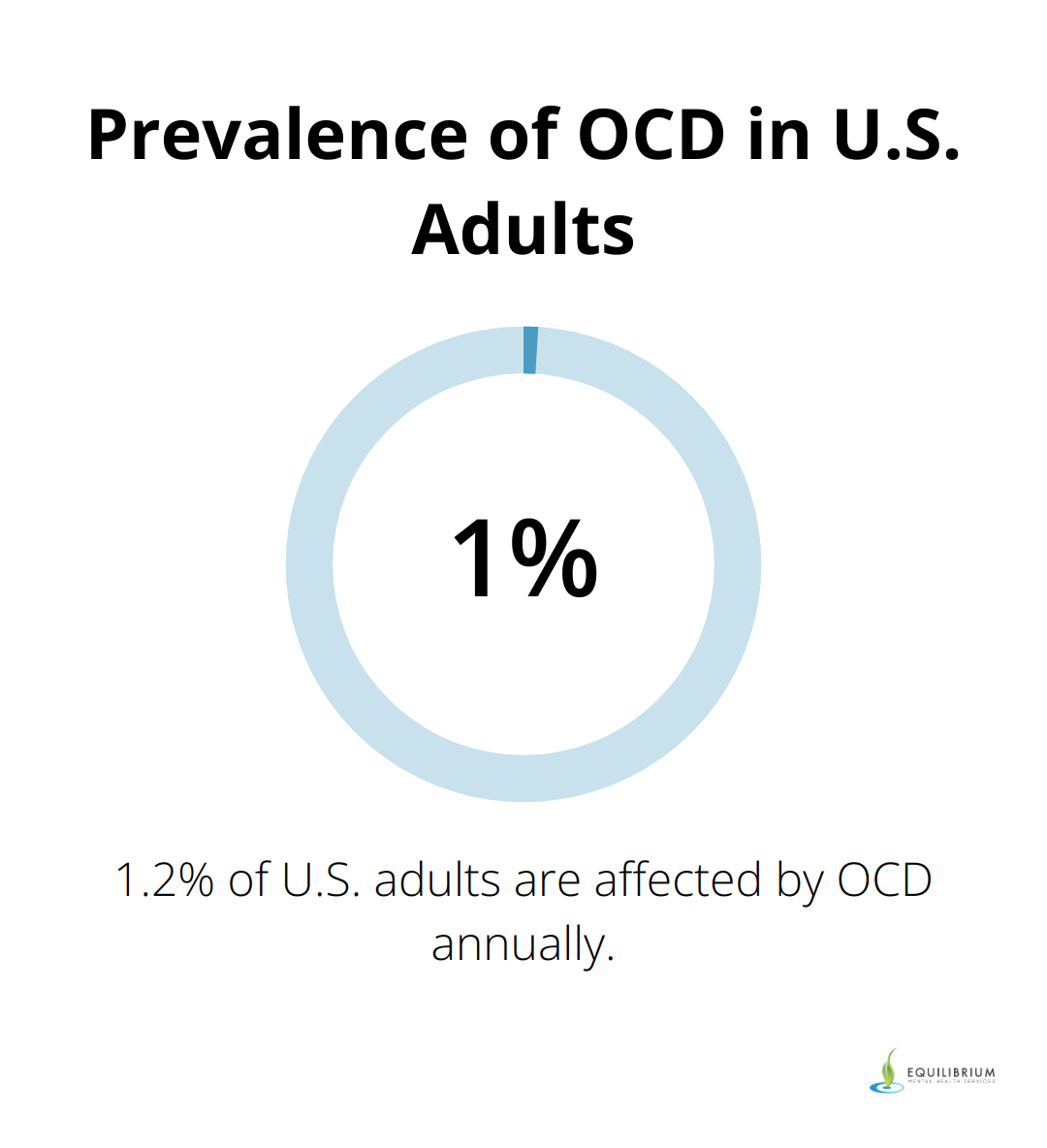
OCD affects approximately 1.2% of U.S. adults annually. It’s important to note that OCD is not just about being tidy or particular; it significantly impairs daily functioning and quality of life.
Recognizing Depression
Depression is a mood disorder characterized by persistent feelings of sadness, hopelessness, and loss of interest in activities. Physical symptoms can include changes in sleep patterns, appetite, and energy levels. Depression affects 280 million people globally, including 23 million children and adolescents.
In Coral Gables and surrounding areas, we’ve observed an increase in depression cases, particularly following major life stressors or transitions. It’s important to distinguish clinical depression from temporary sadness or grief.
The OCD-Depression Connection
Research indicates that up to 63% of individuals with OCD also experience depression at some point in their lives. This high comorbidity rate poses unique challenges in treatment. For instance, a patient in Pinecrest might seek help for depression symptoms, unaware that underlying OCD exacerbates their condition.
The relationship between OCD and depression is complex. OCD symptoms can lead to feelings of hopelessness and isolation, potentially triggering depressive episodes. Conversely, depression can worsen OCD symptoms by reducing a person’s ability to resist compulsions.
Comprehensive Assessment
A comprehensive assessment is essential to identify both conditions accurately. Our approach in Brickell and other Miami areas involves tailored treatment plans that address both OCD and depression simultaneously, often combining medication management with cognitive-behavioral therapy.
Understanding the interplay between these conditions is essential for effective treatment. If you experience symptoms of either OCD or depression (or suspect you might be dealing with both), seeking professional help is a critical first step towards recovery.
As we move forward, let’s explore the various types of medications available for treating OCD and depression, and how they work to alleviate symptoms.
Medication Options for OCD and Depression
Selective Serotonin Reuptake Inhibitors (SSRIs)
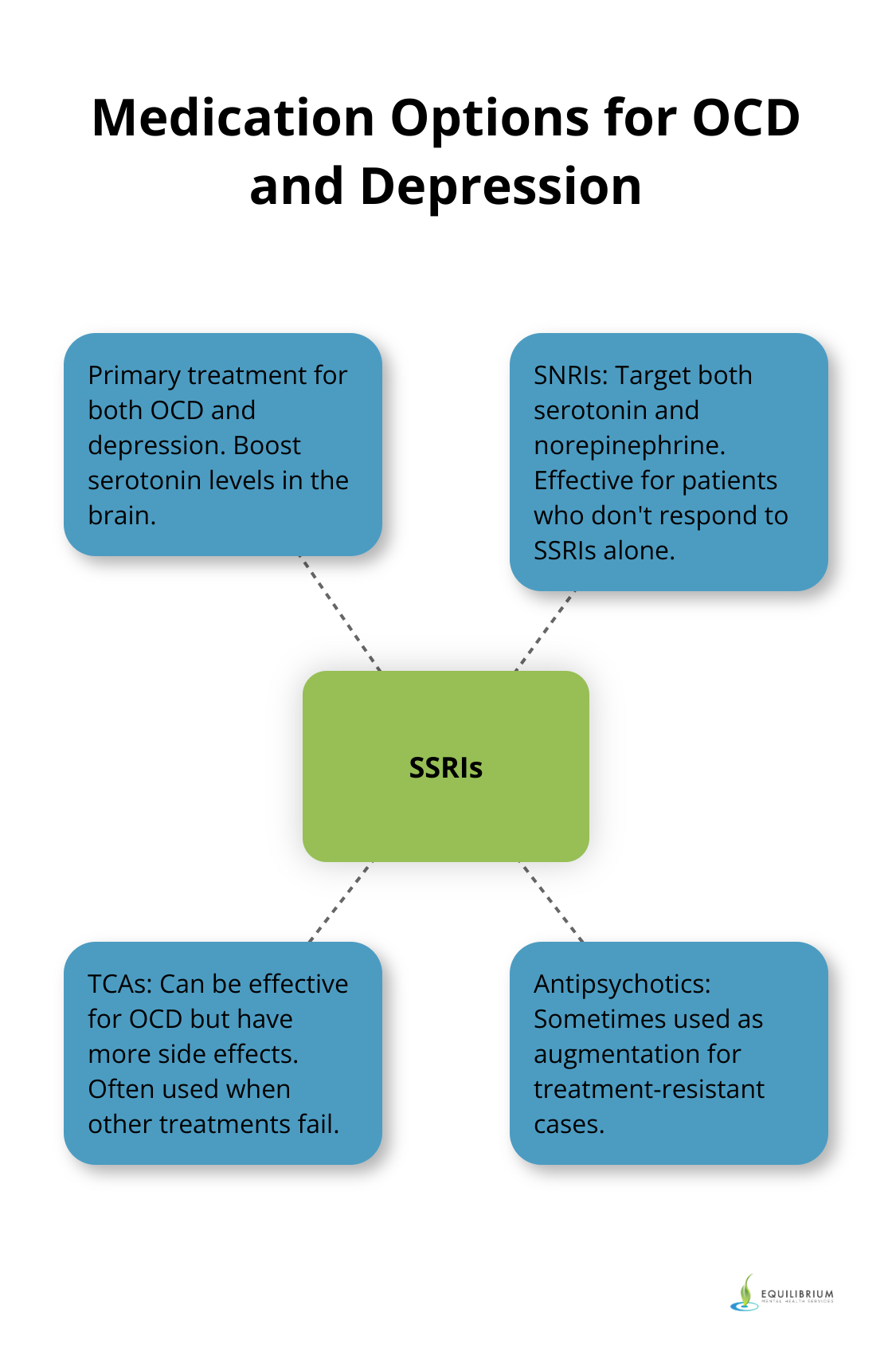
SSRIs stand as the primary treatment for both OCD and depression. These medications boost serotonin levels in the brain, which improves mood and reduces obsessive thoughts and compulsive behaviors. Fluoxetine, sertraline, and paroxetine are common SSRIs.
In Coral Gables, about 40-60% of OCD patients experience significant symptom reduction with SSRIs. Depression patients show similar response rates, often reporting improved mood within 4-6 weeks of treatment initiation.
It’s noteworthy that OCD often requires higher SSRI doses compared to depression. A Journal of Clinical Psychiatry study found that OCD patients needed doses 2-4 times higher than typical depression doses for optimal results.
Serotonin-Norepinephrine Reuptake Inhibitors (SNRIs)
SNRIs, such as venlafaxine and duloxetine, target both serotonin and norepinephrine neurotransmitters. These medications prove particularly effective for patients with both OCD and depression who don’t respond adequately to SSRIs alone.
In Pinecrest, SNRIs show promise for patients with severe depression alongside OCD symptoms. An International Clinical Psychopharmacology study reported venlafaxine’s efficacy similar to SSRIs in treating OCD, with potential improvements in energy levels and concentration.
Tricyclic Antidepressants (TCAs)
While not typically first-line treatments due to side effects, TCAs like clomipramine can effectively treat OCD. The American Journal of Psychiatry reports clomipramine can reduce OCD symptoms by 40-50% in some patients.
However, TCAs carry a higher risk of side effects compared to SSRIs and SNRIs (e.g., dry mouth, constipation, and rare heart rhythm abnormalities). Careful monitoring is essential for patients on TCAs, often reserved for cases where other medications prove ineffective.
Other Medication Options
For treatment-resistant cases, augmentation strategies might include adding an antipsychotic medication to an SSRI regimen. A Molecular Psychiatry meta-analysis found that this combination improved symptoms in 30-50% of treatment-resistant OCD cases.
In some instances, off-label use of medications like N-acetylcysteine or memantine shows promise for OCD treatment in small studies. These approaches require careful consideration and close monitoring.
The selection of the right medication for OCD and depression involves a personalized process. Symptom severity, potential side effects, and individual patient characteristics all influence medication choice. The most effective treatment approach often combines medication with psychotherapy.
As we move forward, let’s explore the key factors to consider when choosing the most suitable medication for your unique situation.
Tailoring Medication to Your Unique Needs
Assessing Symptom Severity
The severity of OCD and depression symptoms influences medication choice. For mild cases, we start with a lower dose of an SSRI. Severe OCD often requires higher doses than those prescribed for depression. A recent review evaluated the rationale, clinical efficacy, tolerability, and practical considerations associated with high-dose SSRI use in OCD.
In Coconut Grove, patients with severe depression alongside OCD symptoms often benefit from SNRIs like venlafaxine. These medications target both serotonin and norepinephrine, potentially offering broader symptom relief.
Individual Characteristics Matter
Age, gender, medical history, and lifestyle factors influence medication selection. Older adults in Key Biscayne may be more sensitive to medication side effects, requiring careful dosage adjustments. Pregnant women or those planning pregnancy need special consideration – some SSRIs (like sertraline) have a better-established safety profile during pregnancy.
We also consider a patient’s daily routine. For those with demanding schedules in Brickell’s financial district, we prioritize medications with once-daily dosing to improve adherence.
Navigating Side Effects
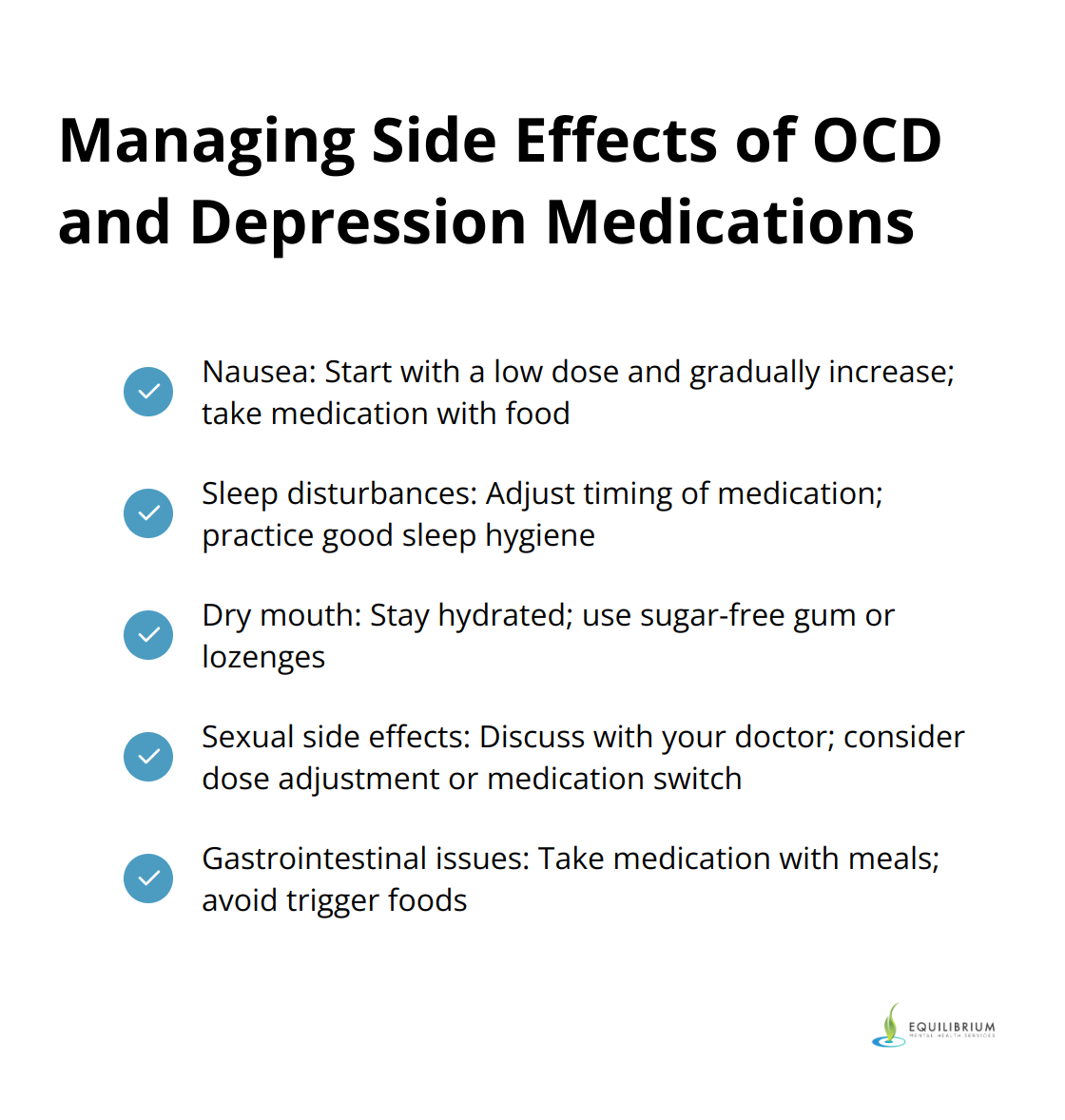
Every medication carries potential side effects, but their impact varies from person to person. SSRIs, while generally well-tolerated, can cause initial side effects like nausea or sleep disturbances. These often subside within a few weeks.
In Kendall, patients are more likely to stick with their treatment when they’re well-informed about potential side effects. We provide detailed information and strategies to manage common side effects, empowering patients to navigate their treatment journey confidently.
Evaluating Drug Interactions
Many OCD and depression patients take multiple medications or supplements. It’s important to consider potential interactions. For example, combining certain SSRIs with NSAIDs (like ibuprofen) can increase the risk of gastrointestinal bleeding. We conduct thorough medication reviews to prevent harmful interactions and ensure treatment safety.
Learning from Treatment History
A patient’s past experiences with medications provide valuable insights. If a particular SSRI was effective for a family member with OCD, it might be a good starting point. Conversely, if a patient had adverse reactions to a specific medication class in the past, we’ll explore alternatives.
In Miami, we’ve seen cases where patients didn’t respond to multiple SSRIs. For these treatment-resistant cases, we consider augmentation strategies, such as adding an antipsychotic to an SSRI regimen. A study found that about one-third of SRI-resistant OCD patients benefited from an augmentation strategy with antipsychotics.
Final Thoughts
Choosing the right medication for OCD and depression requires professional guidance. At Equilibrium Mental Health Services, we provide personalized care and consider all factors when recommending treatment options. Our experienced team in Miami combines medication with psychotherapy for optimal results, as this integrated approach has shown remarkable success rates among our patients.
Seeking help is a sign of strength. If you struggle with OCD, depression, or both, our team at Equilibrium Mental Health Services will support you every step of the way. We offer expert, evidence-based care tailored to your individual needs, helping you improve your quality of life.
Our compassionate professionals will guide you through the process of selecting the most appropriate medication for OCD and depression (and therapy options). Whether you’re in Brickell, Pinecrest, or anywhere in the Miami area, we’re here to help you on your path to better mental health. Take the first step towards treatment today.


