
Obsessive-Compulsive Disorder (OCD) can feel like an unbreakable cycle, trapping individuals in a loop of intrusive thoughts and compulsive behaviors. At Equilibrium Mental Health Services, we understand the challenges of living with OCD and the impact it can have on daily life.
This guide explores effective strategies on how to break the OCD cycle, offering practical techniques and lifestyle changes that can help manage symptoms. We’ll delve into cognitive-behavioral approaches, exposure therapy, and supportive habits that can empower you to regain control over your thoughts and actions.
What Is the OCD Cycle?
The Anatomy of OCD
Obsessive-Compulsive Disorder (OCD) affects millions worldwide. This mental health condition consists of two main components: obsessions and compulsions. Obsessions are unwanted, intrusive thoughts, images, or urges that cause significant distress. Compulsions are repetitive behaviors or mental acts that a person feels compelled to perform in response to an obsession.
Common obsessions include fears of contamination, doubts about locking doors or turning off appliances, and unwanted aggressive or sexual thoughts. Compulsions often manifest as excessive hand washing, checking behaviors, counting, or mental rituals (such as silently repeating phrases).
The Vicious Cycle
The OCD cycle perpetuates itself. When a person experiences an obsessive thought, it triggers intense anxiety. To alleviate this anxiety, they engage in a compulsive behavior. This provides temporary relief but reinforces the belief that the compulsion prevents harm.
For instance, a patient in Miami once described how a fleeting thought about harming a loved one led to hours of mental rituals to “neutralize” the thought. The more she engaged in these rituals, the more frequent and intense the thoughts became.
Breaking Down the Cycle
Understanding the OCD cycle is essential for treatment. Evidence-based approaches help patients recognize and interrupt this cycle.
One effective method involves keeping a thought diary. This requires recording obsessive thoughts, the anxiety level they cause, and the compulsions performed in response. Over time, patterns emerge, making it easier to identify triggers and develop coping strategies.
Another technique employs the “exposure hierarchy.” Patients create a list of anxiety-provoking situations, ranking them from least to most distressing. Working with a therapist, they gradually expose themselves to these situations without performing compulsions, a process known as Exposure and Response Prevention (ERP). ERP therapy was created specifically for OCD, and it’s the most effective treatment option to this day.
The Impact of OCD
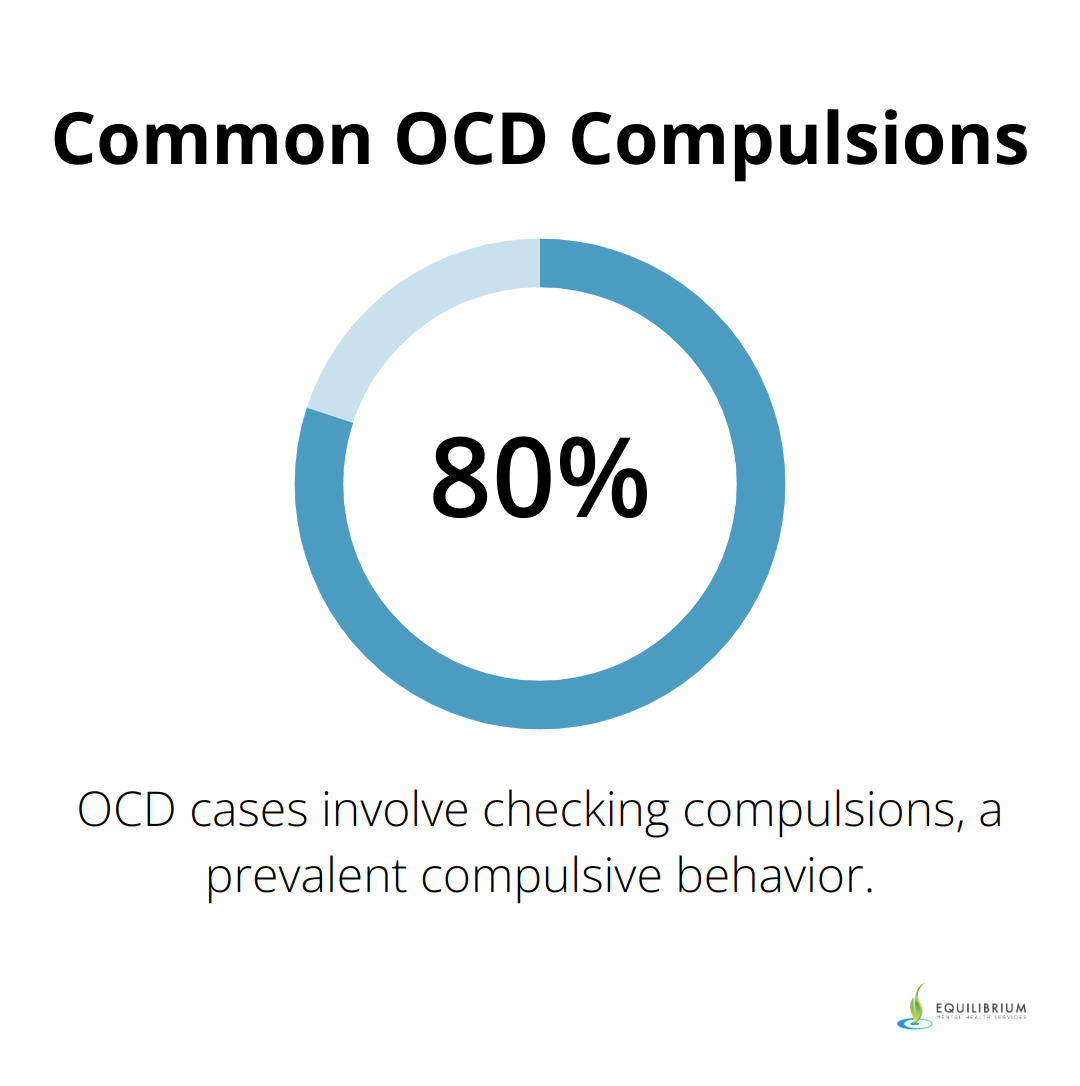
OCD significantly impacts daily life. Checking compulsions occur in 80% of OCD cases, making it one of the most common compulsive behaviors. This interferes with work, relationships, and overall quality of life.
The Role of Neurobiology
Research suggests that OCD involves dysfunction in specific brain circuits. A study published in the Journal of Neuroscience found that individuals with OCD showed hyperactivity in the orbitofrontal cortex and striatum, areas involved in decision-making and habit formation.
This neurobiological understanding informs treatment approaches. Combining psychotherapy with medication management (when appropriate) targets the underlying brain mechanisms involved in OCD.
As we explore effective strategies to break the OCD cycle, it’s important to understand that professional help plays a vital role. In the next section, we’ll discuss cognitive-behavioral strategies that have proven effective in managing OCD symptoms.
How Can You Rewire Your Brain to Break the OCD Cycle?
Breaking the OCD cycle requires a multi-faceted approach that targets both thoughts and behaviors. We use evidence-based strategies to help our patients in Coral Gables and surrounding areas overcome OCD.
Challenge Intrusive Thoughts
The first step in breaking the OCD cycle is to learn how to identify and challenge intrusive thoughts. This process, known as cognitive restructuring, involves examining the validity of obsessive thoughts and replacing them with more realistic ones.
A patient from Pinecrest once shared how she constantly worried about contamination from doorknobs. We worked together to challenge this thought by examining the actual likelihood of becoming seriously ill from touching a doorknob. Over time, she learned to recognize these thoughts as OCD-driven rather than factual.
A helpful technique is to keep a thought record. Write down the intrusive thought, the emotion it triggers, and a more balanced perspective. This practice helps create distance from obsessive thoughts and reduces their power.
Practice Exposure and Response Prevention (ERP)
ERP is the gold standard for OCD treatment. This technique involves gradual exposure to anxiety-triggering situations while resisting the urge to perform compulsions.
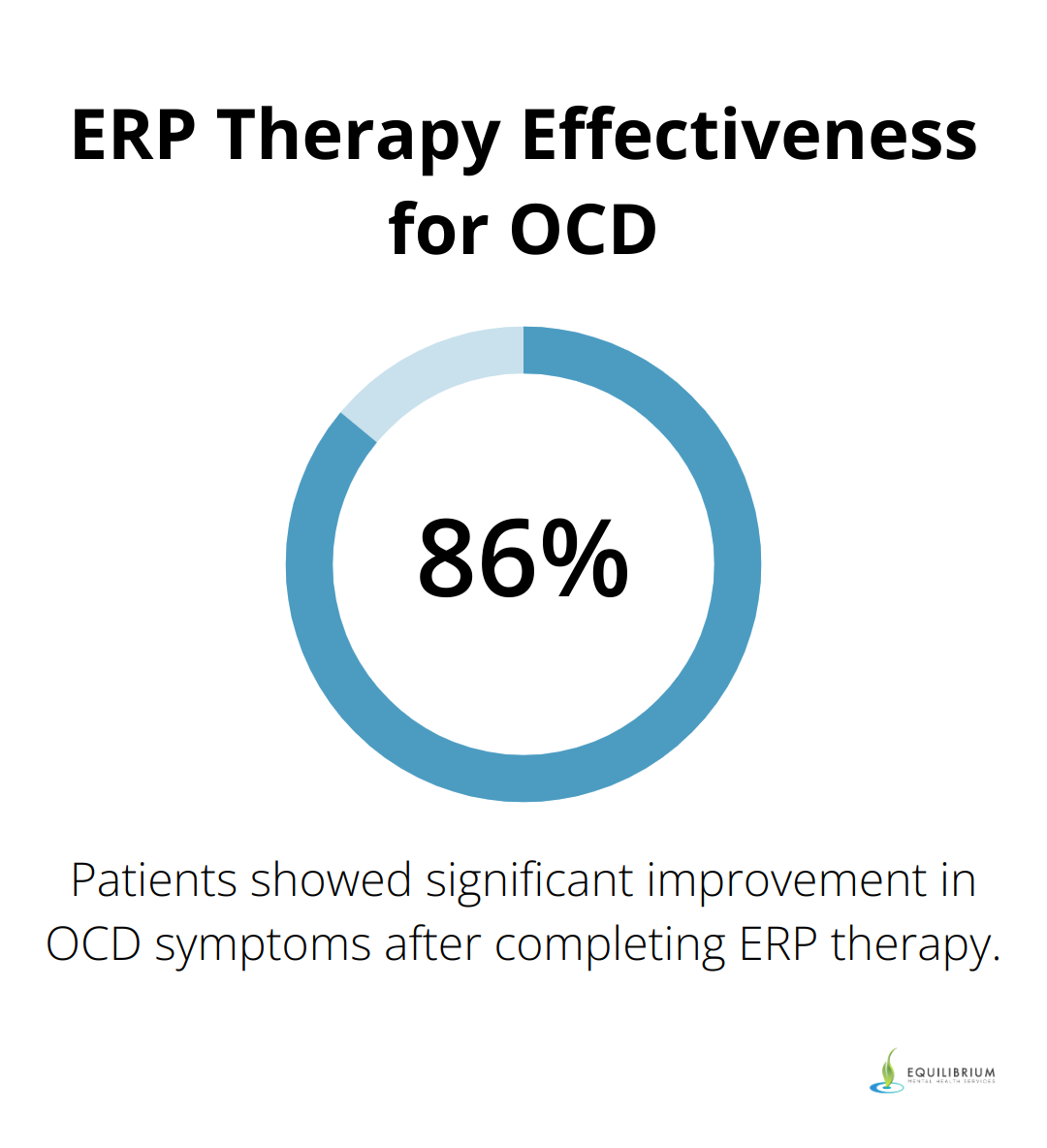
A study published in the Journal of Consulting and Clinical Psychology found that 86% of patients who completed ERP therapy showed significant improvement in OCD symptoms.
We create personalized ERP plans for our patients. For instance, we might work with a patient from Coconut Grove who fears leaving the house without checking the stove multiple times. We’d start with brief exposures (like leaving for just a minute) and gradually increase the duration while preventing the checking compulsion.
Embrace Mindfulness and Acceptance
Mindfulness practices can be powerful tools in managing OCD symptoms. These techniques help you observe your thoughts without judgment, reducing their emotional impact.
One effective mindfulness exercise is the “leaves on a stream” visualization. Imagine your thoughts as leaves floating down a stream. As intrusive thoughts arise, picture them on a leaf, and watch them float away. This practice helps create distance from obsessive thoughts.
Acceptance and Commitment Therapy (ACT) is another approach we use. ACT focuses on accepting the presence of intrusive thoughts while committing to actions aligned with your values. This approach can be particularly helpful for patients who find traditional thought-challenging techniques difficult.
A patient from Key Biscayne found great success with ACT. She learned to acknowledge her intrusive thoughts about harm coming to her family without engaging with them. Instead, she focused on spending quality time with her loved ones, aligning with her value of family connection.
Implementing these strategies consistently can lead to significant improvements in OCD symptoms. However, it’s important to note that breaking the OCD cycle is a process that requires patience and professional guidance. In the next section, we’ll explore lifestyle changes that can support your OCD management journey.
How Lifestyle Changes Support OCD Management
Establish a Consistent Sleep Schedule
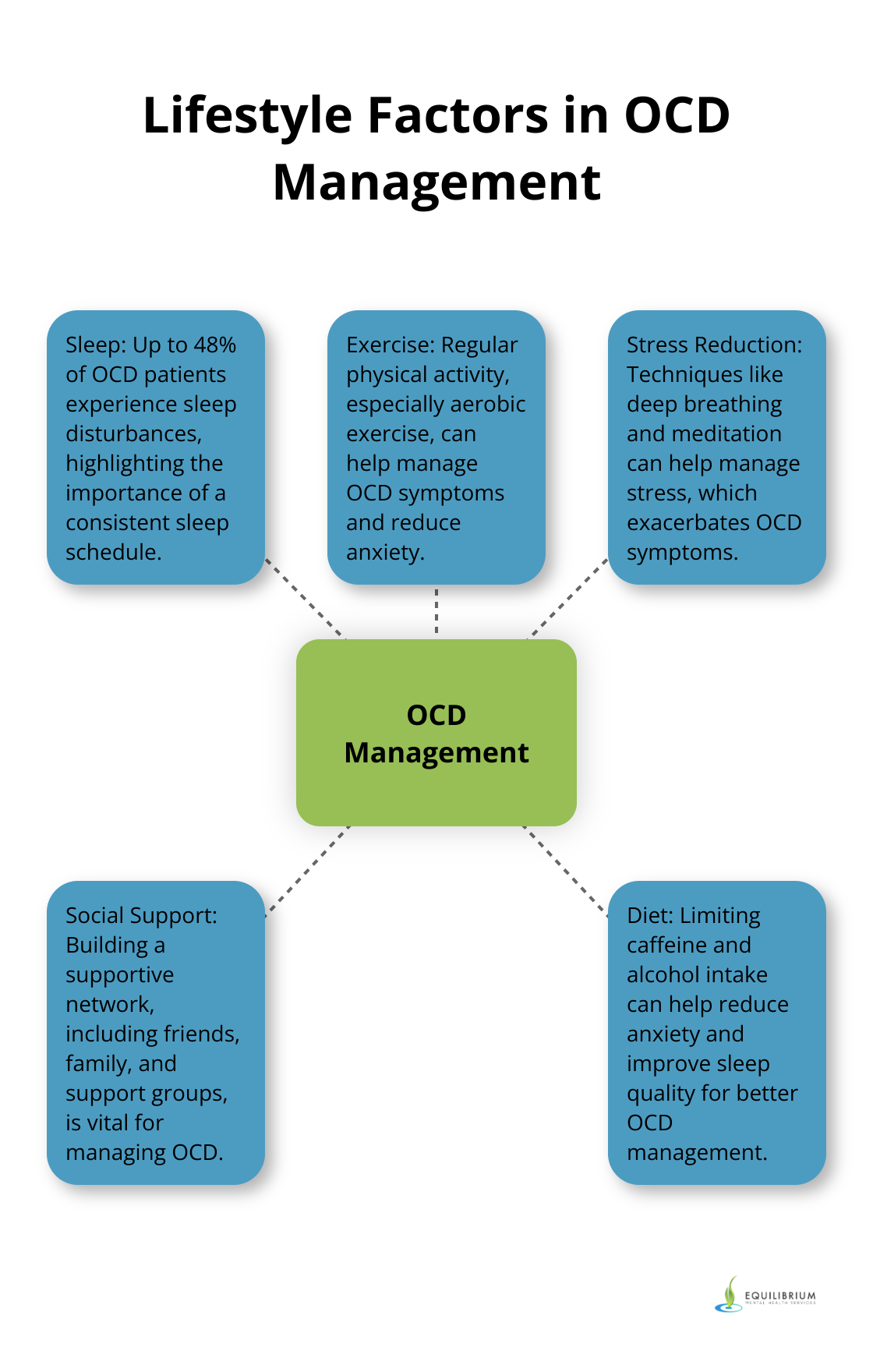
Sleep disturbances affect up to 48% of OCD patients. A regular sleep schedule can improve OCD symptoms. We recommend a consistent bedtime and wake-up time, even on weekends. Try to get 7-9 hours of sleep per night.
A patient from Pinecrest created a calming bedtime routine (including 30 minutes of reading and avoiding screens before bed). This reduced her nighttime anxiety and compulsive checking behaviors.
Incorporate Regular Exercise
Physical activity helps manage OCD symptoms. Aerobic exercise has been associated with decreases in anxiety and depression, as well as improvements in OCD symptoms in small-scale studies. We suggest 150 minutes of moderate-intensity exercise per week.
For those new to exercise, start small. A 10-minute walk around Coconut Grove can be a great beginning. Increase duration and intensity as you build the habit.
Practice Stress-Reduction Techniques
Stress exacerbates OCD symptoms, making stress management important. Deep breathing, progressive muscle relaxation, and meditation can be effective.
We often recommend the 5-4-3-2-1 grounding technique. This involves identifying 5 things you see, 4 things you touch, 3 things you hear, 2 things you smell, and 1 thing you taste. This technique brings you back to the present moment, interrupting obsessive thoughts.
Build a Supportive Network
Social support is vital in managing OCD. We encourage patients to be open with trusted friends and family about their struggles. Joining a support group can also be beneficial. The International OCD Foundation aims to help everyone affected by obsessive compulsive disorder (OCD) and related disorders.
Miami has several OCD support groups available. For professional guidance in a supportive environment, consider group therapy sessions tailored specifically for OCD management.
Limit Caffeine and Alcohol Intake
Caffeine and alcohol can interfere with sleep and increase anxiety, potentially worsening OCD symptoms. We recommend limiting caffeine intake (especially after 2 PM) and avoiding alcohol or keeping consumption to a minimum.
A patient from Key Biscayne switched from coffee to herbal tea in the afternoons. This significantly reduced her evening anxiety and compulsive behaviors.
Final Thoughts
Breaking the OCD cycle requires patience, persistence, and professional guidance. We at Equilibrium Mental Health Services provide evidence-based psychiatric care tailored to your unique needs. Our team specializes in treating various mental health conditions, including OCD, using a combination of medication management and psychotherapy.
If you struggle with OCD, you’re not alone, and help is available. Taking the first step towards recovery can feel daunting, but it’s necessary to reclaim your life from OCD. Equilibrium Mental Health Services in Coral Gables supports you on your journey to better mental health.
With the right treatment and support, you can break free from the OCD cycle and lead a more balanced, fulfilling life. Our expert team will guide you through effective strategies (such as ERP and mindfulness techniques) to help you overcome intrusive thoughts and compulsive behaviors. Contact us today to start your path to recovery.


