
Depression can be a formidable opponent, but it’s not unbeatable. At Equilibrium Mental Health Services, we’ve seen countless individuals overcome this challenging condition with the right strategies and support.
This guide will explore effective ways to battle depression, from professional treatments to self-help techniques. Whether you’re struggling yourself or supporting a loved one, understanding how to fight depression is the first step towards healing and reclaiming your life.
What Is Clinical Depression?
Defining the Condition
Clinical depression, also known as major depressive disorder, is a serious mental health condition that affects millions worldwide. It goes beyond temporary sadness or having a bad day. This disorder impacts every aspect of a person’s life, from their mood to their daily functioning.
Recognizing the Signs
Clinical depression manifests through various symptoms that persist for at least two weeks:
- Persistent feelings of sadness
- Loss of interest in previously enjoyed activities
- Changes in appetite or weight
- Sleep disturbances
- Fatigue
- Difficulty concentrating
- Thoughts of death or suicide (in severe cases)
The Impact on Daily Life
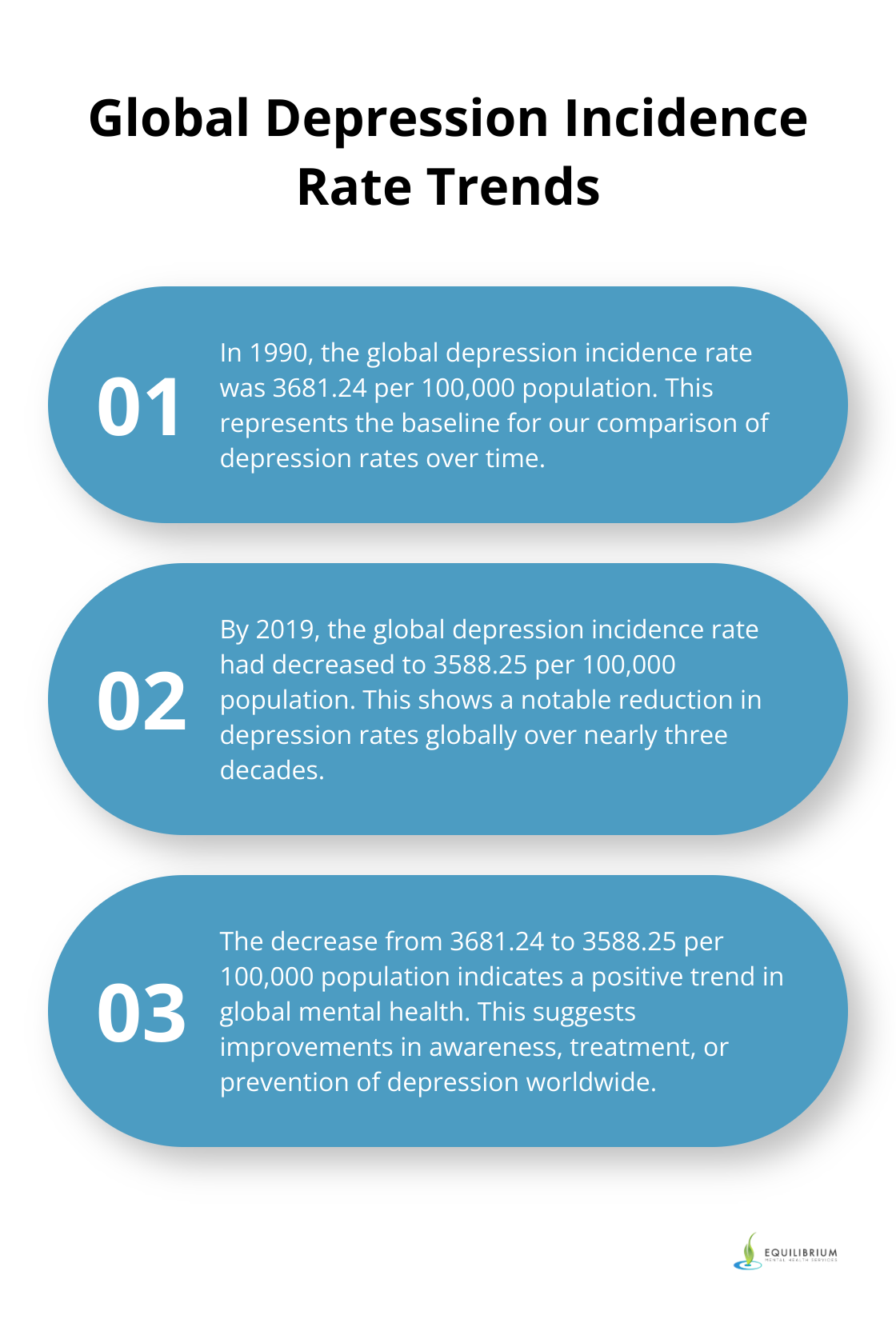
Depression disrupts every facet of daily life. Many individuals struggle with work performance, maintaining relationships, and even basic self-care. The World Health Organization reports that globally, the age-standardized incidence rate of depression decreased from 3681.24 per 100,000 population in 1990 to 3588.25 per 100,000 population in 2019.
Understanding the Causes
The exact cause of depression isn’t always clear, but several factors contribute to its development:
- Biological factors: Brain chemistry imbalances and genetic predisposition
- Environmental factors: Trauma, loss, or significant life changes
- Psychological factors: Low self-esteem, negative thought patterns, or chronic stress
Research from the National Institute of Mental Health suggests that a combination of these factors typically plays a role in the onset of depression.
Risk Factors to Consider
Certain life circumstances increase the likelihood of developing depression:
- Family history of depression
- Experiencing trauma or abuse
- Chronic illness
- Substance abuse
- Major life changes (e.g., divorce or job loss)
Women face a higher risk, with studies showing they’re twice as likely as men to experience depression. In areas like Coral Gables and Pinecrest, unique stressors related to work-life balance and community pressures can contribute to depression risk.
Understanding depression is the first step towards effective treatment. If you identify these symptoms in yourself or a loved one, it’s important to seek professional help. Early intervention can significantly improve outcomes and quality of life. Let’s explore the various treatment options available to those battling depression.
Effective Treatments for Depression
Depression requires a multifaceted approach to treatment. At Equilibrium Mental Health Services, we offer various evidence-based strategies to help our patients in Coral Gables and surrounding areas overcome this challenging condition.
Psychotherapy: A Powerful Tool
Psychotherapy, or talk therapy, often serves as the first line of defense against depression. Cognitive Behavioral Therapy (CBT) stands out as particularly effective. In CBT, patients learn to identify and change negative thought patterns and behaviors. Studies indicate that CBT can be as effective as medications for the initial treatment of moderate to severe major depression.
Interpersonal Therapy (IPT) focuses on improving relationships and communication skills, which significantly impact mood. A study published in the American Journal of Psychiatry found that 70-80% of patients with major depression showed improvement after 12-16 weeks of IPT.
Dialectical Behavior Therapy (DBT) combines CBT techniques with mindfulness strategies. It helps individuals who struggle with intense emotions or suicidal thoughts alongside depression.
Medication Management
Antidepressants can transform the lives of many people battling depression. Selective Serotonin Reuptake Inhibitors (SSRIs) are commonly prescribed due to their effectiveness and relatively mild side effects. However, finding the right medication often requires patience and close collaboration with a psychiatrist.
It’s important to note that antidepressants typically take 4-6 weeks to reach full effect. During this time, regular check-ins with your doctor are essential to monitor progress and adjust dosage if needed.
Combining Therapy and Medication
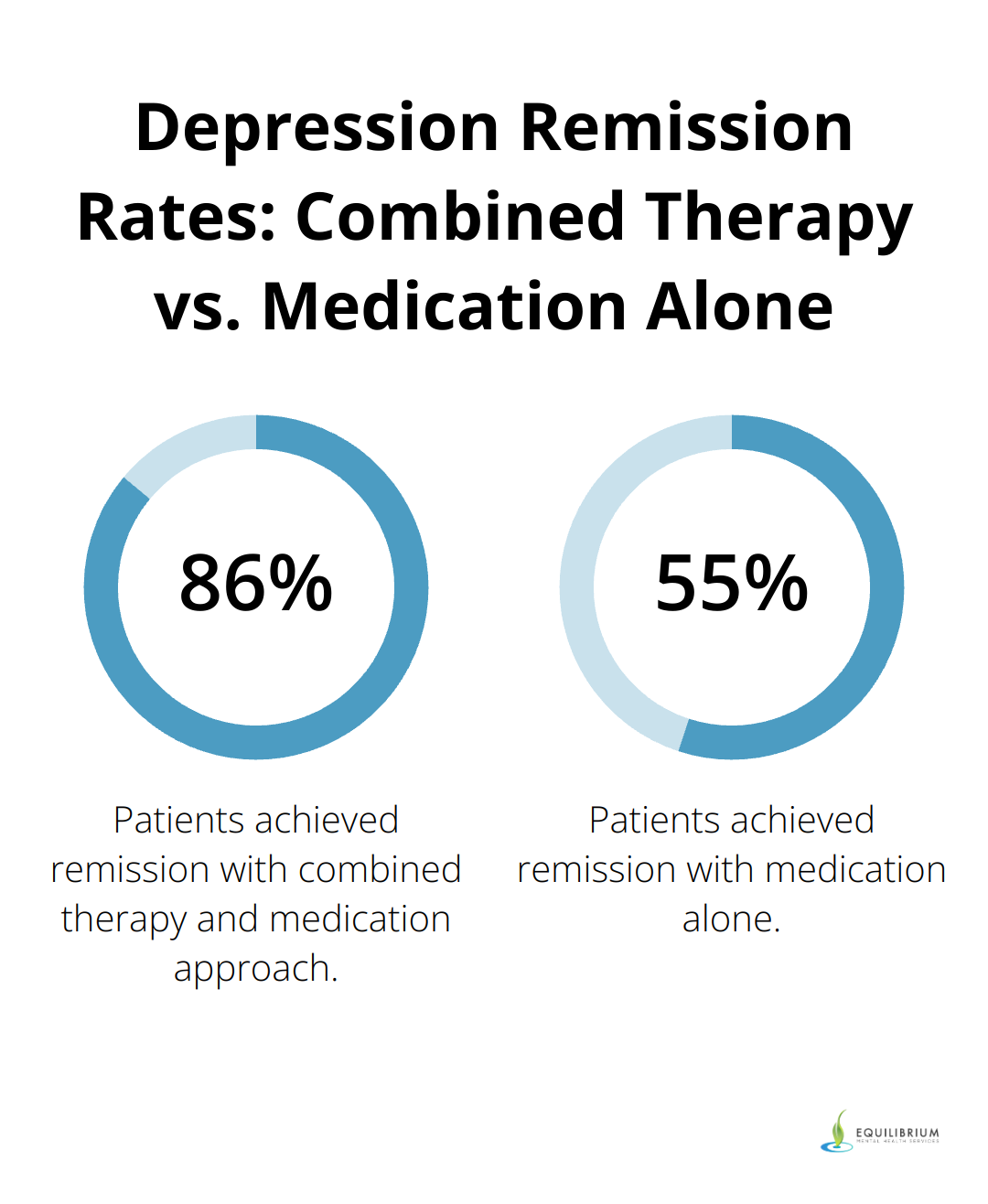
For many patients, a combination of psychotherapy and medication yields the best results. A landmark study published in the New England Journal of Medicine found that this combined approach led to remission in 86% of patients with chronic depression (compared to 55% for those on medication alone).
Alternative Treatments
For treatment-resistant depression, we consider alternative options. Transcranial Magnetic Stimulation (TMS) is a non-invasive procedure that uses magnetic fields to stimulate specific areas of the brain. It’s FDA-approved and has shown promising results, with about 50% of patients responding well to rTMS and over 30% achieving full remission.
In severe cases, Electroconvulsive Therapy (ECT) might be recommended. While it carries a stigma from its early days, modern ECT is safe and effective. It’s particularly useful for patients who haven’t responded to other treatments or who need rapid improvement due to severe symptoms.
At Equilibrium Mental Health Services, we tailor our approach to each individual’s needs. We understand that what works for one person may not work for another. That’s why we offer comprehensive evaluations and personalized treatment plans for our patients in Miami and the surrounding areas.
Seeking help is a sign of strength. If you struggle with depression, don’t hesitate to reach out to a mental health professional. With the right treatment and support, recovery is possible. In the next section, we’ll explore self-help strategies that can complement professional treatment and support your journey towards healing.
Self-Help Strategies That Work
The Power of a Consistent Sleep Schedule
Sleep and depression have a strong connection. A regular sleep routine can improve mood and energy levels significantly. Try to get 7-9 hours of sleep each night. Set a consistent bedtime and wake-up time (even on weekends). Create a relaxing bedtime routine, such as reading a book or taking a warm bath. Avoid screens at least an hour before bed, as the blue light can disrupt your sleep cycle.
Exercise: Your Natural Mood Booster
Physical activity is a powerful tool against depression. A systematic review and meta-analysis of randomised controlled trials showed that exercise had moderate effects on depression compared with active controls. Start small – even a 10-minute walk can make a difference. Gradually increase your activity level. Try to do at least 30 minutes of moderate exercise most days of the week. Miami’s pleasant climate offers great opportunities for outdoor activities like jogging in Coconut Grove or swimming at Key Biscayne, combining exercise with nature exposure.
Mindfulness and Meditation: Calming the Mind
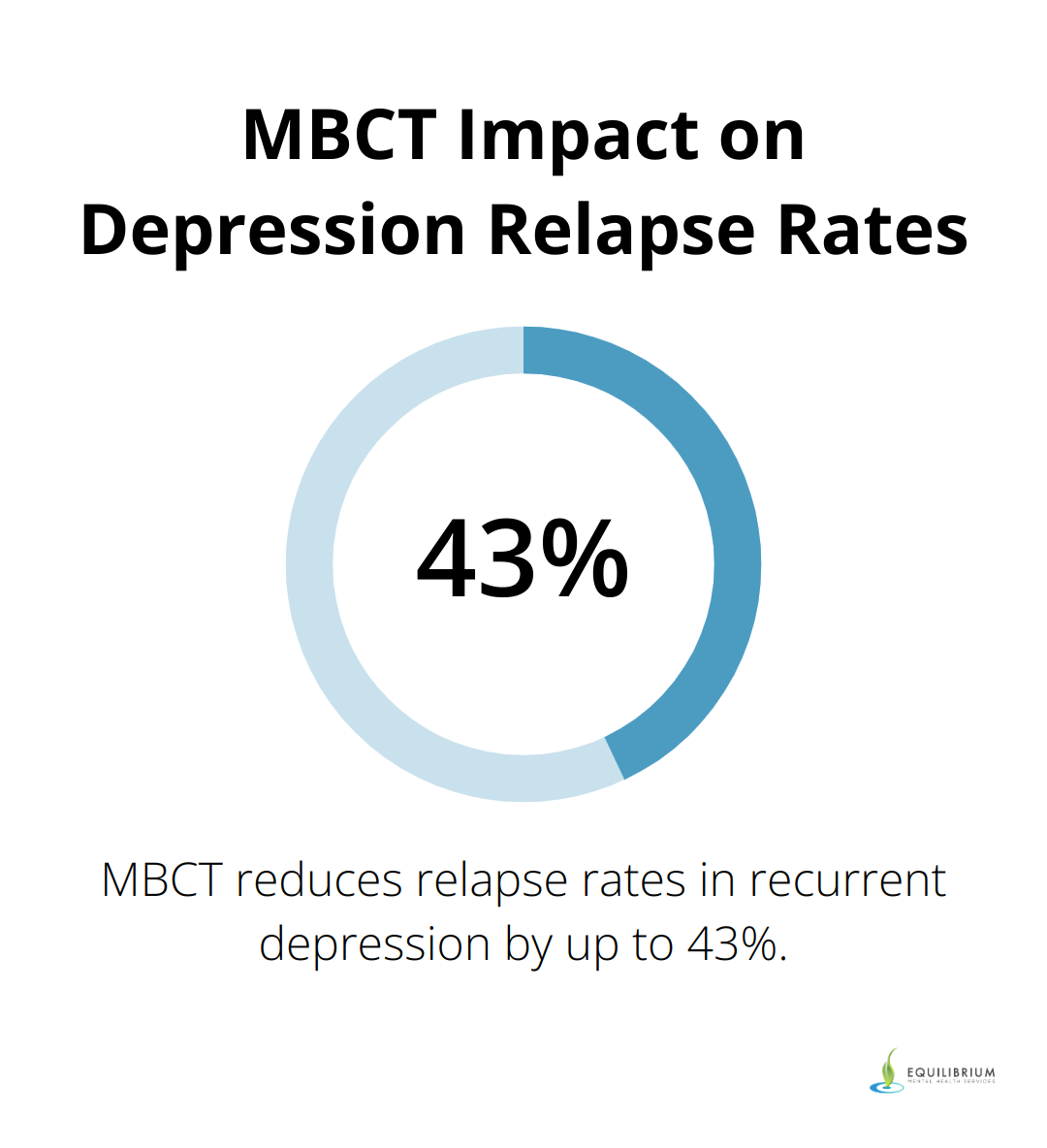
Mindfulness practices can help manage depressive thoughts and reduce stress. Start with just 5 minutes a day of focused breathing or guided meditation. Apps like Headspace or Calm can help beginners. Mindfulness-Based Cognitive Therapy (MBCT) reduces relapse rates in recurrent depression by up to 43%.
Consider joining a local mindfulness group in Pinecrest or Palmetto Bay for added support and motivation.
Building a Strong Support Network
Social connections play a vital role in managing depression. Reach out to friends and family members you trust. Share your feelings and experiences with them. Join support groups or community organizations in Coral Gables or surrounding areas. These groups can provide understanding, empathy, and practical advice from others who have similar experiences.
Setting Achievable Goals
Depression can make even small tasks seem overwhelming. Break larger goals into smaller, manageable steps. Celebrate each accomplishment, no matter how small. This approach can help build confidence and motivation. Use a planner or app to track your progress. Try to set one achievable goal each day, such as making your bed or taking a short walk in Kendall.
Final Thoughts
Depression presents a significant challenge, but effective strategies exist to combat it. Professional treatments like psychotherapy and medication offer powerful tools to manage symptoms and promote healing. Self-help techniques, including regular exercise, mindfulness practices, and building a support network, play a vital role in the recovery process.
Equilibrium Mental Health Services provides expert psychiatric care tailored to individual needs. Our team specializes in treating various conditions, including depression, and we commit to helping patients find balance and achieve a healthier life. We offer evidence-based approaches to help you battle depression effectively.
Taking the first step towards healing can feel daunting, but it’s the most important one. If you struggle with depression in Coral Gables, Pinecrest, or anywhere in the Miami area, help is available. Don’t face depression alone; reach out today and start your journey towards a brighter future.


