
Obsessive-Compulsive Disorder (OCD) and depression often intertwine, creating a complex mental health landscape. Many individuals grapple with both conditions simultaneously, leading to increased distress and impaired daily functioning.
At Equilibrium Mental Health Services, we frequently encounter patients asking, “Does OCD lead to depression?” The relationship between these two disorders is intricate and multifaceted, warranting a closer examination.
What Are OCD and Depression?
Understanding OCD
Obsessive-Compulsive Disorder (OCD) manifests as persistent, intrusive thoughts (obsessions) and repetitive behaviors or mental acts (compulsions). Individuals with OCD feel compelled to perform these actions to alleviate anxiety. These symptoms can significantly interfere with daily life, causing distress and impairment in social, occupational, or other important areas of functioning.
For instance, a person with OCD might experience an intense fear of contamination, leading to excessive hand-washing that causes skin damage. Alternatively, they might feel compelled to check locks repeatedly, resulting in tardiness for work or social engagements.
Defining Depression
Depression is a mood disorder characterized by persistent feelings of sadness, hopelessness, and loss of interest in activities. It affects a person’s thoughts, emotions, and behaviors, leading to various physical and emotional problems.
Symptoms of depression include changes in sleep patterns, appetite, and energy levels, difficulty concentrating, and in severe cases, thoughts of self-harm or suicide. These symptoms must persist for at least two weeks for a diagnosis of major depressive disorder.
The Overlap Between OCD and Depression
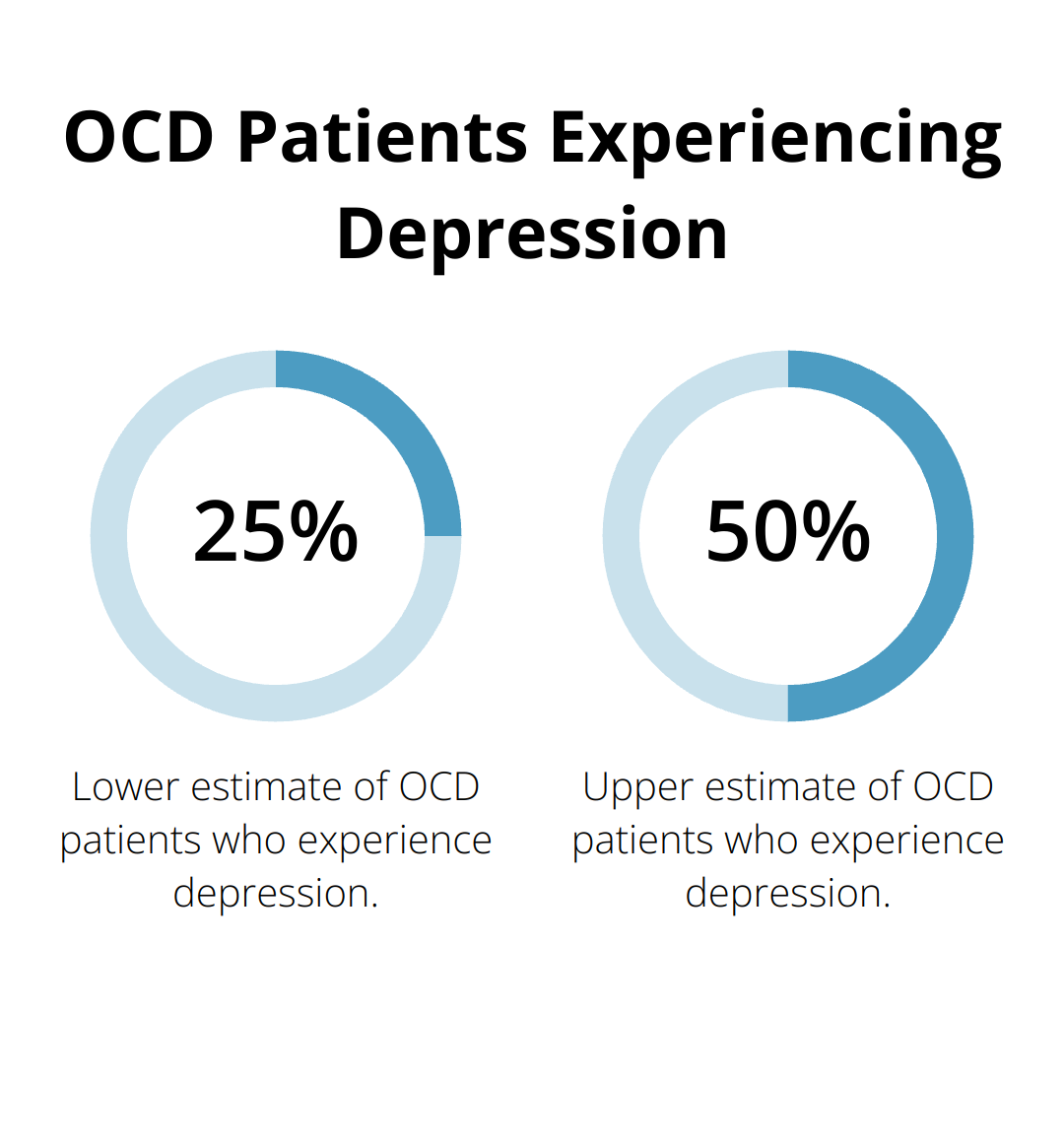
Research reveals a significant overlap between OCD and depression. People often have OCD and depression at the same time. The International OCD Foundation estimates that between 25 and 50 percent of those with OCD will also experience depression at some point in their lives. This high comorbidity rate indicates a complex relationship between the two disorders.
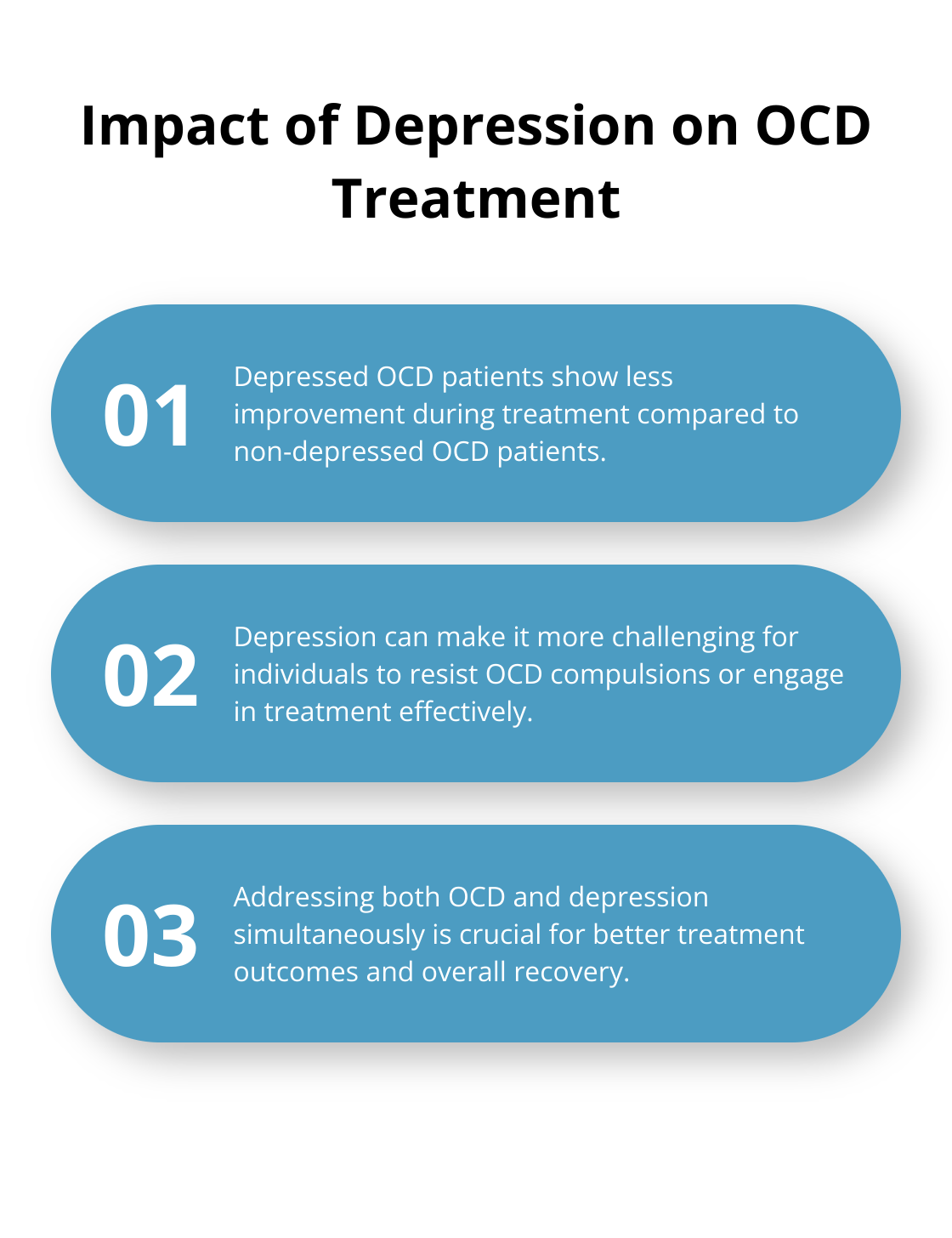
In our Miami psychiatry practice, we often observe how the relentless nature of OCD symptoms can lead to feelings of hopelessness and despair, potentially triggering depressive episodes. Conversely, the low mood and lack of motivation associated with depression can make it more challenging for individuals to resist OCD compulsions or engage in treatment.
Impact on Daily Life in Coral Gables
Residents of Coral Gables and surrounding areas who struggle with both OCD and depression often face unique challenges. The combination of these conditions can significantly impact various aspects of life, including:
- Work performance
- Social relationships
- Personal hygiene
- Sleep patterns
- Overall quality of life
Seeking Professional Help
Understanding the interplay between OCD and depression is essential for effective treatment. A comprehensive approach that addresses both conditions simultaneously provides the best possible outcomes for patients (especially those in Coral Gables and nearby communities).
If you or a loved one experiences symptoms of OCD, depression, or both, it’s important to seek professional help. Mental health experts can provide personalized treatment plans tailored to your specific needs and circumstances.
The next chapter will explore the intricate connection between OCD and depression, shedding light on shared risk factors and how these conditions influence each other.
The Interplay of OCD and Depression
OCD and depression often coexist, creating a complex mental health challenge for many individuals. Understanding this relationship proves essential for effective treatment.
Shared Risk Factors
Both OCD and depression share common risk factors. Genetic predisposition plays a significant role, with family history increasing the likelihood of developing either condition. Environmental stressors, such as traumatic experiences or major life changes, can trigger both OCD and depressive symptoms. In Coral Gables, high-pressure academic or professional environments contribute to the onset or exacerbation of these conditions.
OCD’s Impact on Mood
The relentless nature of OCD symptoms wears down an individual’s mental resilience. Constant intrusive thoughts and the need to perform compulsions lead to feelings of hopelessness and isolation, potentially triggering depressive symptoms. For example, a patient in Pinecrest struggled with contamination fears, spending hours each day cleaning. This behavior interfered with work and social life, eventually resulting in isolation and depressive symptoms.
Depression’s Influence on OCD
Depression negatively affects OCD treatment outcomes. A study found that depressed OCD patients showed less improvement than non-depressed OCD patients on most scales during treatment.
Breaking the Cycle
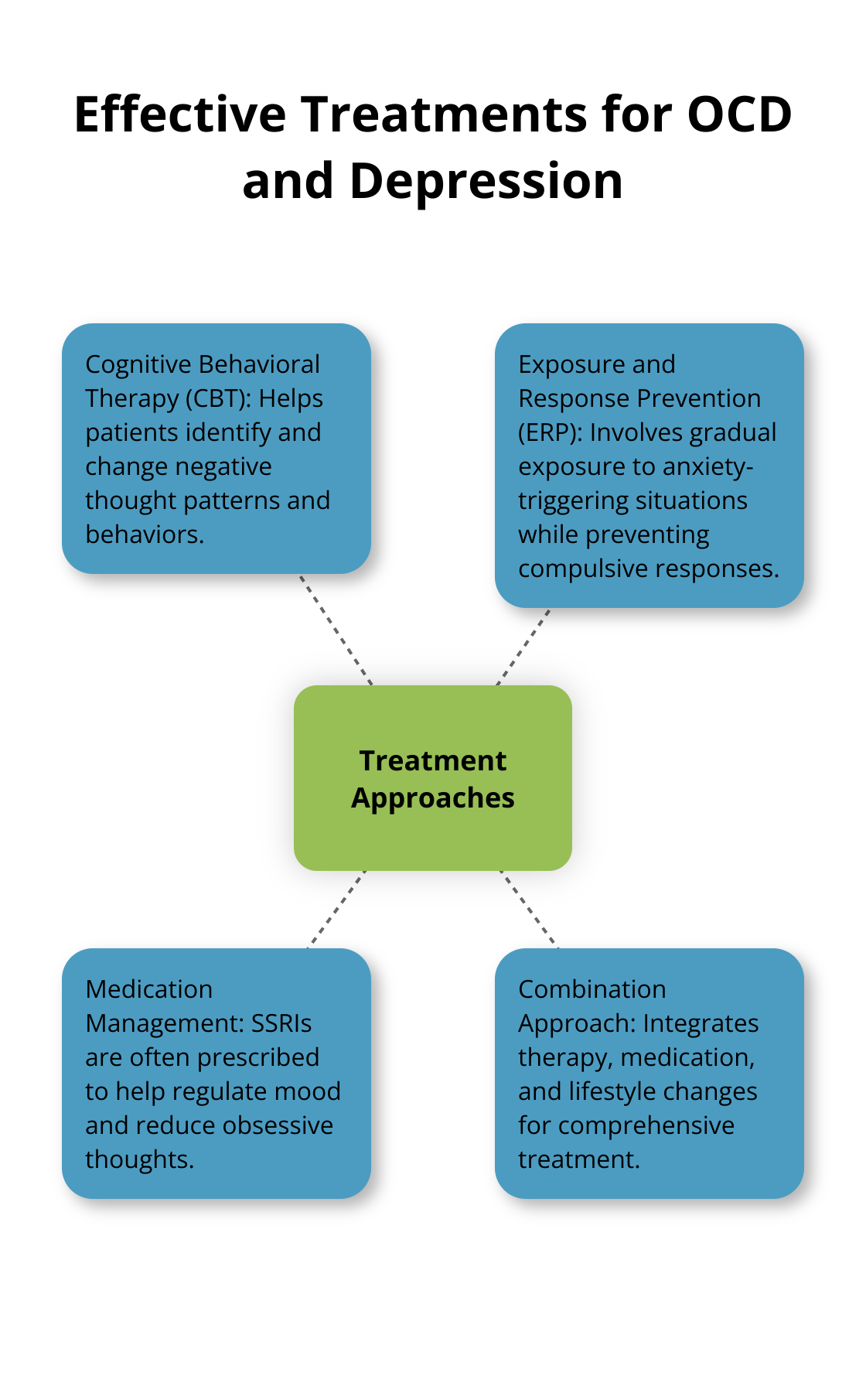
Recognizing the interconnected nature of OCD and depression is important for effective treatment. A comprehensive approach that addresses both conditions simultaneously yields the best results. This might include a combination of cognitive-behavioral therapy (CBT) and medication management.
For residents in Miami and surrounding areas, seeking help early prevents the reinforcement of negative thought patterns and behaviors that link OCD and depression. If you experience symptoms of either condition, don’t hesitate to reach out to a Miami psychiatry professional.
Recovery is possible. With the right support and treatment, individuals can learn to manage both OCD and depression effectively, leading to improved quality of life and overall well-being.
The next section will explore various treatment approaches for comorbid OCD and depression, providing insights into the most effective strategies for managing these intertwined conditions.
Effective Treatments for OCD and Depression
Cognitive Behavioral Therapy (CBT)
CBT has been shown to be effective across primary OCD measures, remission, and secondary depression measures. This therapy helps patients identify and change negative thought patterns and behaviors. For example, a patient from Coconut Grove learned to challenge his intrusive thoughts about contamination, which reduced both his OCD symptoms and depressive feelings.
The outcomes of effectiveness studies for CBT were comparable to or better than those of efficacy studies. CBT sessions typically last 12 to 20 weeks, with homework assignments between sessions to reinforce new skills.
Exposure and Response Prevention (ERP)
ERP, a specific type of CBT, proves particularly effective for OCD. This technique involves gradual exposure to anxiety-triggering situations while preventing the usual compulsive response.
A patient from Palmetto Bay (with a fear of germs) started by touching doorknobs without immediately washing her hands. Over time, this reduced her anxiety and compulsive behaviors, also alleviating her depression symptoms.
Medication Management
Selective Serotonin Reuptake Inhibitors (SSRIs) are often prescribed for both OCD and depression. These medications can help regulate mood and reduce obsessive thoughts. The FDA has approved several SSRIs for OCD treatment, including fluoxetine, sertraline, and paroxetine.
Finding the right medication and dosage often requires patience and close monitoring by a psychiatrist. At our Miami psychiatry practice, we work closely with patients to find the most effective medication regimen with minimal side effects.
Combination Approach
Research shows that combining therapy and medication yields the best results for many patients.
We tailor treatment plans to each individual’s needs. This might include a combination of CBT, ERP, medication, and lifestyle changes such as regular exercise and stress management techniques.
Importance of Simultaneous Treatment
Addressing both OCD and depression concurrently is important. Treating one condition while neglecting the other can lead to incomplete recovery and increased risk of relapse. Our integrated approach ensures that all aspects of a patient’s mental health are considered and treated effectively.
For residents in Coral Gables and surrounding areas, seeking professional help early can prevent the reinforcement of negative thought patterns and behaviors that link OCD and depression. With the right support and treatment, individuals can manage both conditions effectively, leading to improved quality of life and overall well-being.
Final Thoughts
OCD and depression often intertwine, creating a complex mental health landscape. The persistent stress and anxiety associated with OCD can erode mental resilience and potentially lead to depressive symptoms. Understanding this connection proves essential for effective treatment, as both conditions share risk factors and can exacerbate each other.
Professional help plays a vital role in recovery from OCD and depression. Mental health experts provide personalized treatment plans that address both conditions simultaneously, offering the best chance for improvement. These plans often combine evidence-based therapies like Cognitive Behavioral Therapy (CBT) and Exposure and Response Prevention (ERP) with medication management when necessary.
For residents of Coral Gables and surrounding areas who wonder, “Does OCD lead to depression?” or experience symptoms of either condition, Equilibrium Mental Health Services offers expert care. Our team of dedicated professionals understands the nuances of these conditions and provides compassionate, evidence-based treatment tailored to each individual’s needs. Don’t hesitate to reach out and take the first step towards improving your mental health and overall quality of life.


