
At Equilibrium Mental Health Services, we often encounter patients grappling with both OCD and depression. These two conditions frequently overlap, leading many to wonder: does OCD cause depression?
While the relationship between these disorders is complex, understanding their connection is vital for effective treatment. In this post, we’ll explore how OCD and depression interact, and why seeking help from Miami psychiatry experts is crucial for those experiencing symptoms of both conditions.
What Are OCD and Depression?
Understanding OCD
Obsessive-Compulsive Disorder (OCD) manifests as persistent, intrusive thoughts (obsessions) and repetitive behaviors or mental acts (compulsions) that a person feels compelled to perform to alleviate anxiety. These symptoms can significantly interfere with daily life, causing distress and impairment in social, occupational, or other important areas of functioning.
For instance, a patient in Coral Gables might experience intrusive thoughts about contamination, leading to excessive hand-washing that disrupts their work and relationships. The International OCD Foundation estimates that OCD affects about 1 in 40 adults in the United States, highlighting its prevalence in communities like ours.
Recognizing Depression
Depression is a mood disorder characterized by persistent feelings of sadness, hopelessness, and loss of interest in activities. It affects a person’s thoughts, emotions, and behaviors, leading to various physical and emotional problems.
In Miami, patients with depression often experience symptoms such as changes in sleep patterns, appetite fluctuations, difficulty concentrating, and in severe cases, thoughts of self-harm or suicide. The National Institute of Mental Health reports that major depressive disorder affects approximately 7.1% of U.S. adults in a given year.
The Overlap Between OCD and Depression
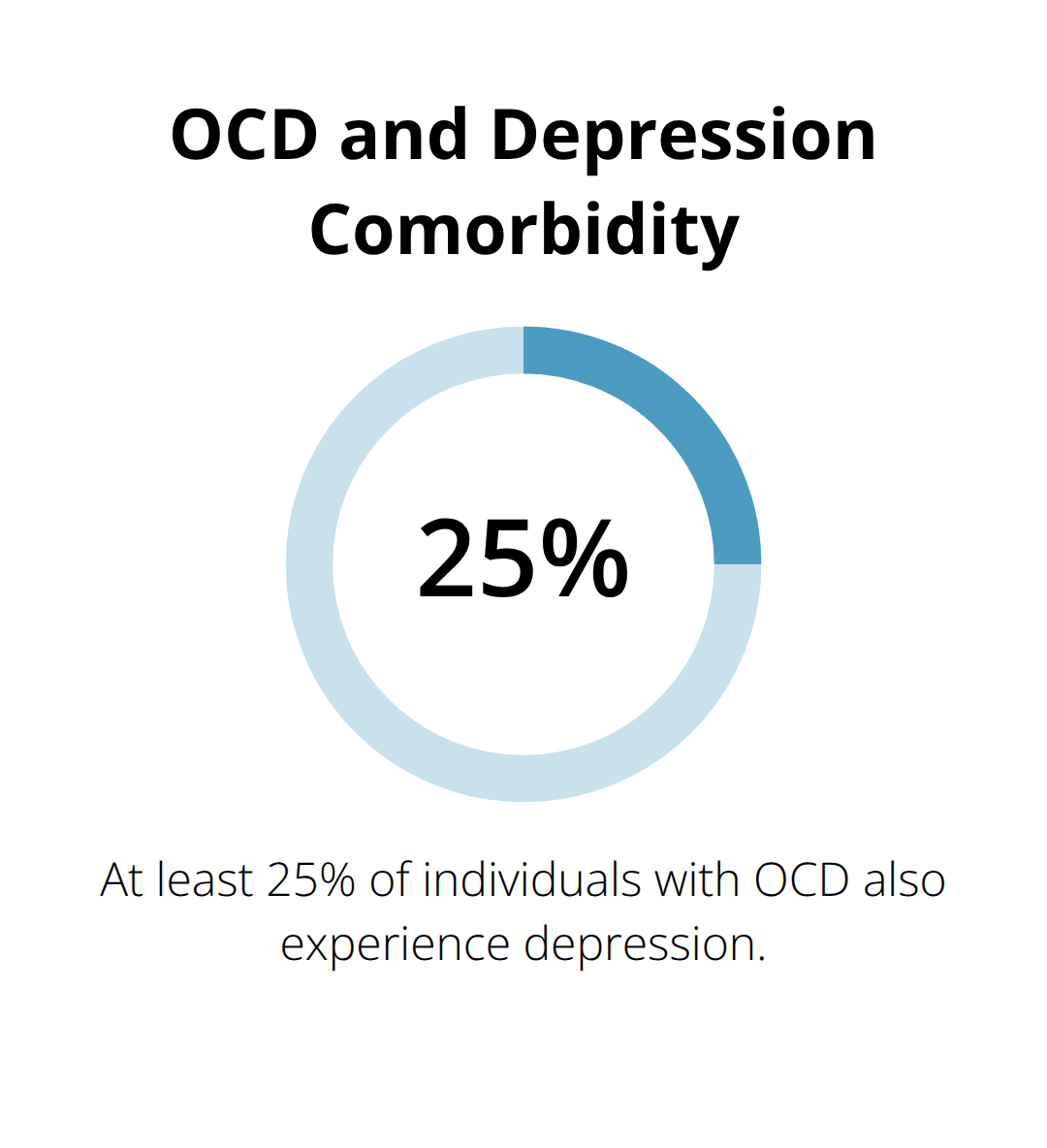
The relationship between OCD and depression is significant and often bidirectional. Studies show that between 25 and 50 percent of individuals with OCD also experience depression. This high comorbidity rate underscores the importance of comprehensive mental health assessments.
OCD symptoms often lead to feelings of frustration, helplessness, and ultimately depression. Conversely, depressive symptoms can exacerbate OCD, creating a challenging cycle for patients to navigate without professional help.
Impact on Daily Life
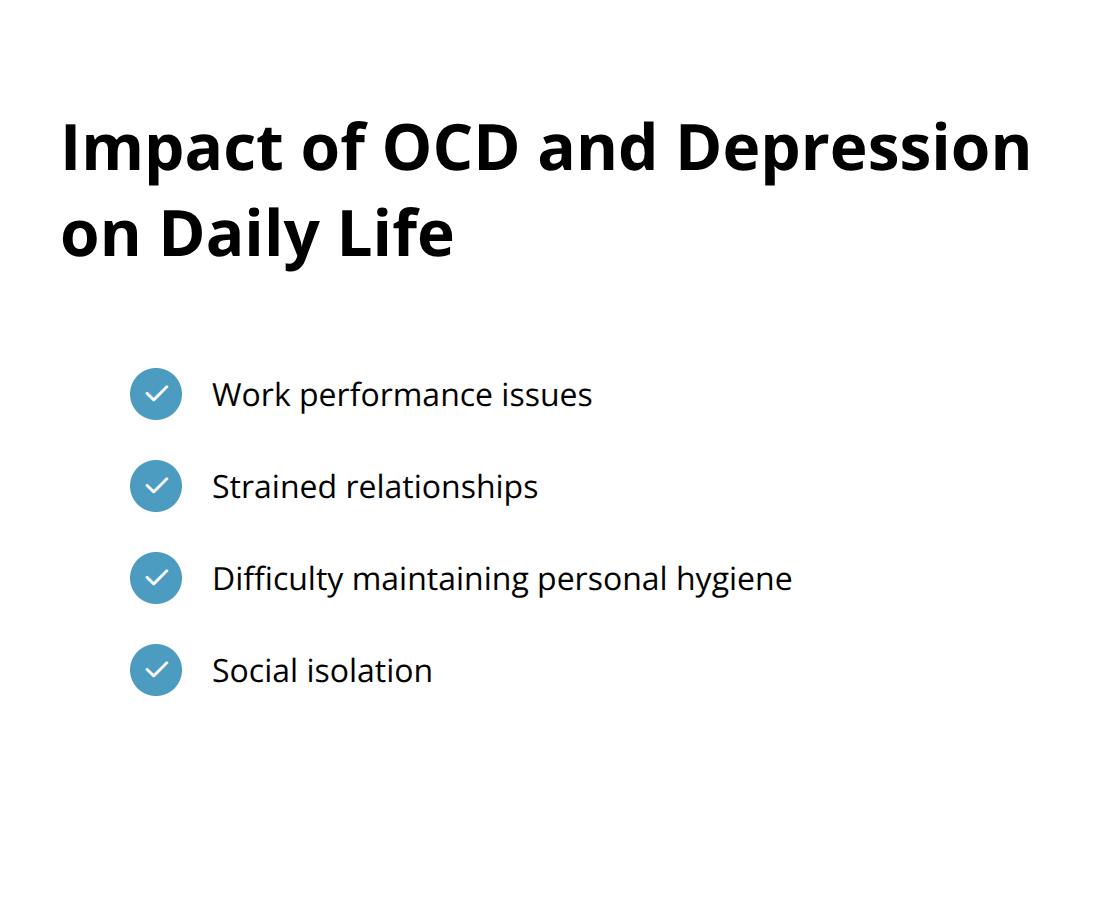
Both OCD and depression can have a profound impact on an individual’s quality of life. In Brickell, we’ve observed patients struggling with:
- Work performance issues
- Strained relationships
- Difficulty maintaining personal hygiene
- Social isolation
Seeking Professional Help
Understanding the intricate relationship between OCD and depression is essential for effective treatment. A holistic perspective, considering how these conditions interact and influence each other, forms the foundation of successful therapy.
If you or someone you know in Pinecrest is experiencing symptoms of OCD, depression, or both, it’s important to seek professional help. Early intervention can make a significant difference in managing these conditions and improving overall quality of life.
The OCD-Depression Link: Understanding the Interplay
Shared Genetic and Environmental Factors
Research points to a genetic overlap between OCD and depression. A study in the Journal of Affective Disorders found that depressive and obsessive-compulsive (OC) symptoms frequently co-occur. This genetic connection explains why we often observe both conditions in patients from Coconut Grove and surrounding areas.
Environmental stressors also play a role in triggering both OCD and depressive symptoms. For example, a patient from Kendall might develop OCD symptoms after a job loss, which could then lead to depression as the OCD symptoms interfere with daily life.
From Obsessive Thoughts to Depressive Symptoms
OCD symptoms can drain a person emotionally and consume significant time, often resulting in feelings of hopelessness and sadness. A patient in Brickell might spend hours each day performing compulsive rituals, leaving little time for enjoyable activities or social interactions. This isolation and loss of pleasure can contribute to the development of depressive symptoms.
The constant battle with intrusive thoughts can also wear down a person’s mental resilience. For instance, a patient from Key Biscayne struggling with contamination fears might experience intense anxiety and guilt (believing they’re putting their loved ones at risk). Over time, these negative thought patterns can evolve into full-blown depression.
Impact on Treatment Outcomes
When depression co-occurs with OCD, it can complicate the treatment process. Depressive symptoms such as lack of motivation and energy can make it harder for patients to engage in OCD treatments (like Exposure and Response Prevention therapy).
A study in the Journal of Affective Disorders revealed that both patients with and without comorbid depression profited similarly from anxiety, OCD, or depression treatment. This finding underscores the importance of addressing both conditions simultaneously in treatment plans.
The Role of Professional Help
If you live in Palmetto Bay or the surrounding areas and experience symptoms of OCD, depression, or both, professional help can make a significant difference. A comprehensive evaluation by experienced mental health professionals can lead to a personalized treatment plan that addresses your unique needs. With proper care and support, it’s possible to manage both OCD and depression effectively and improve your quality of life.
As we move forward, let’s explore the various treatment approaches available for individuals dealing with both OCD and depression. Understanding these options can provide hope and direction for those seeking relief from these challenging conditions.
Miami psychiatry can be a valuable resource for individuals struggling with OCD and depression, offering expert care and tailored treatment plans.
Effective Treatments for OCD and Depression
Cognitive Behavioral Therapy (CBT)
CBT stands as a primary treatment for both OCD and depression. This evidence-based therapy helps patients identify and change negative thought patterns and behaviors. For OCD, Exposure and Response Prevention (ERP), a specific type of CBT, proves particularly effective. ERP gradually exposes patients to their obsessive thoughts while teaching them to resist compulsive behaviors.
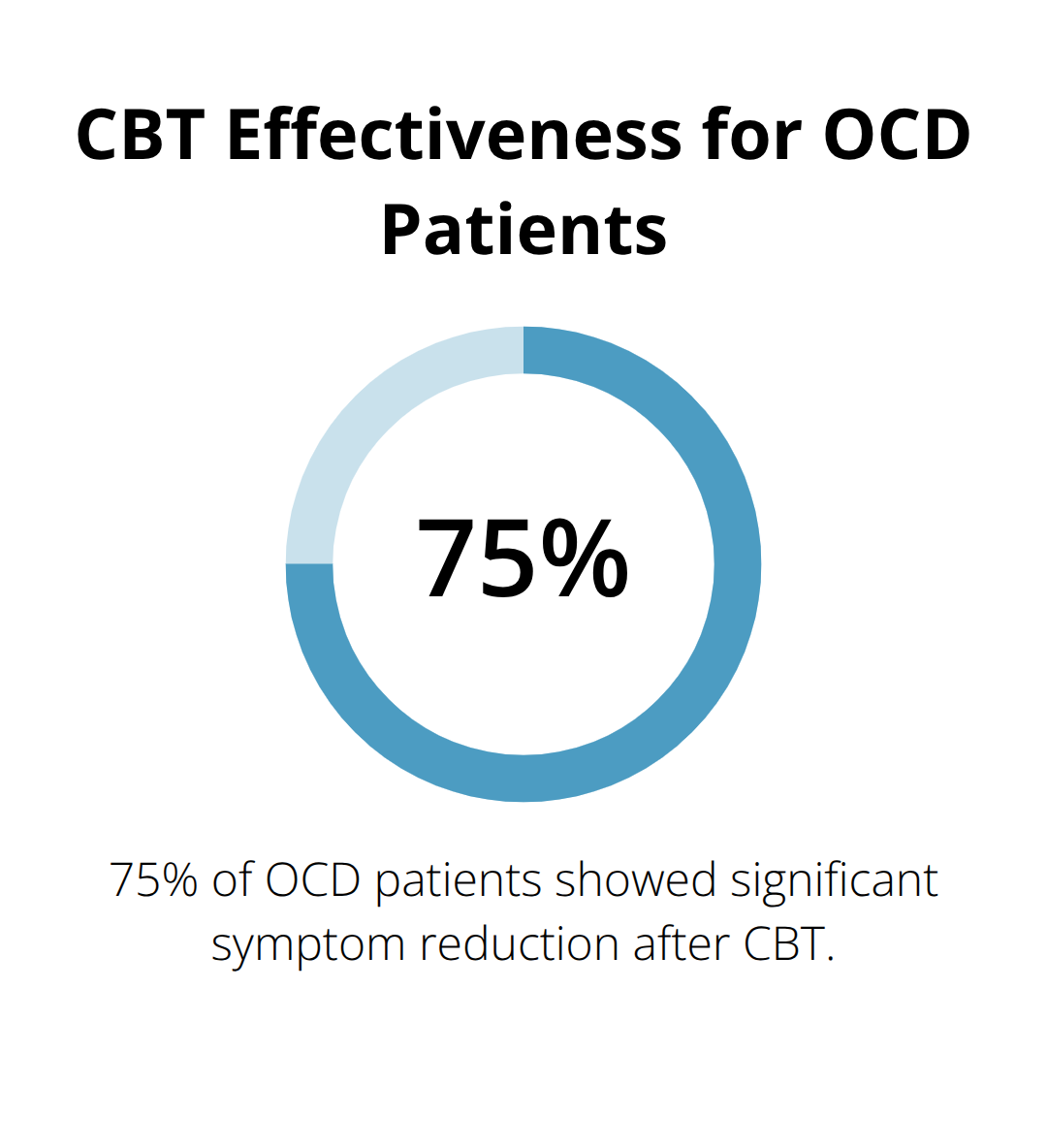
Patients in Coral Gables who commit to CBT often show remarkable improvements. A study published in the Journal of Anxiety Disorders found that 75% of OCD patients demonstrated significant symptom reduction after completing a course of CBT.
Medication Management
Selective Serotonin Reuptake Inhibitors (SSRIs) often play a role in treating both OCD and depression. These medications increase serotonin levels in the brain, which can help regulate mood and reduce obsessive thoughts.
Common SSRIs include fluoxetine, sertraline, and paroxetine. Research suggests that higher doses of SSRIs are associated with greater efficacy in the treatment of OCD.
Integrated Treatment Plans
Creating integrated treatment plans that address both OCD and depression simultaneously proves most effective. This approach typically combines medication management with psychotherapy, ensuring that all aspects of a patient’s mental health receive attention.
For example, a patient from Pinecrest might receive a combination of SSRI medication (to alleviate depressive symptoms and reduce OCD intrusions) along with weekly CBT sessions (to develop coping strategies and challenge negative thought patterns).
Personalized Care
Miami psychiatry experts emphasize the importance of personalized care. What works for one patient may not work for another, which is why thorough assessments and regular treatment plan adjustments (based on progress and feedback) are essential.
Seeking Professional Help
If you struggle with symptoms of OCD, depression, or both, don’t hesitate to reach out to mental health professionals. With the right support and treatment, you can manage these conditions effectively and improve your quality of life. (Seeking help is a sign of strength, not weakness.)
Final Thoughts
OCD and depression often coexist, but OCD does not directly cause depression. The persistent intrusive thoughts and compulsive behaviors of OCD can lead to feelings of hopelessness, potentially triggering depressive episodes. Conversely, depression can intensify OCD symptoms, creating a challenging cycle for those affected.
Professional help is essential for individuals experiencing symptoms of OCD, depression, or both. An accurate diagnosis from a qualified mental health expert can lead to tailored treatment plans that address both conditions simultaneously. These plans often combine evidence-based therapies like Cognitive Behavioral Therapy with medication management, offering a comprehensive approach to mental wellness.
Equilibrium Mental Health Services offers expert psychiatric care for adults dealing with OCD, depression, and various other mental health conditions. Our team provides personalized treatment plans in a supportive environment (helping you navigate the challenges of OCD and depression). Taking the first step towards seeking help is the beginning of your path to recovery.


