
Bipolar depression affects over 2.8% of adults in the United States, yet it remains one of the most misdiagnosed mental health conditions. The first signs of bipolar depression often appear subtle and can easily be mistaken for regular depression.
At Equilibrium Mental Health Services, we see patients struggle for years before receiving an accurate diagnosis. Recognizing these early warning signs can make the difference between effective treatment and prolonged suffering.
Understanding Bipolar Depression vs Regular Depression
What Makes Bipolar Depression Different?
Bipolar depression stands apart from regular depression through one defining feature: the presence of manic or hypomanic episodes in a person’s history. The National Institute of Mental Health reports that individuals with bipolar disorder experience depressive episodes that look identical to major depression on the surface, but the underlying brain chemistry and treatment requirements differ dramatically.
Regular depression (also called unipolar depression) involves only low mood episodes without any periods of elevated mood. This distinction matters because antidepressants alone can trigger dangerous manic episodes in people with bipolar disorder, making accurate diagnosis life-saving.
The Widespread Misdiagnosis Problem
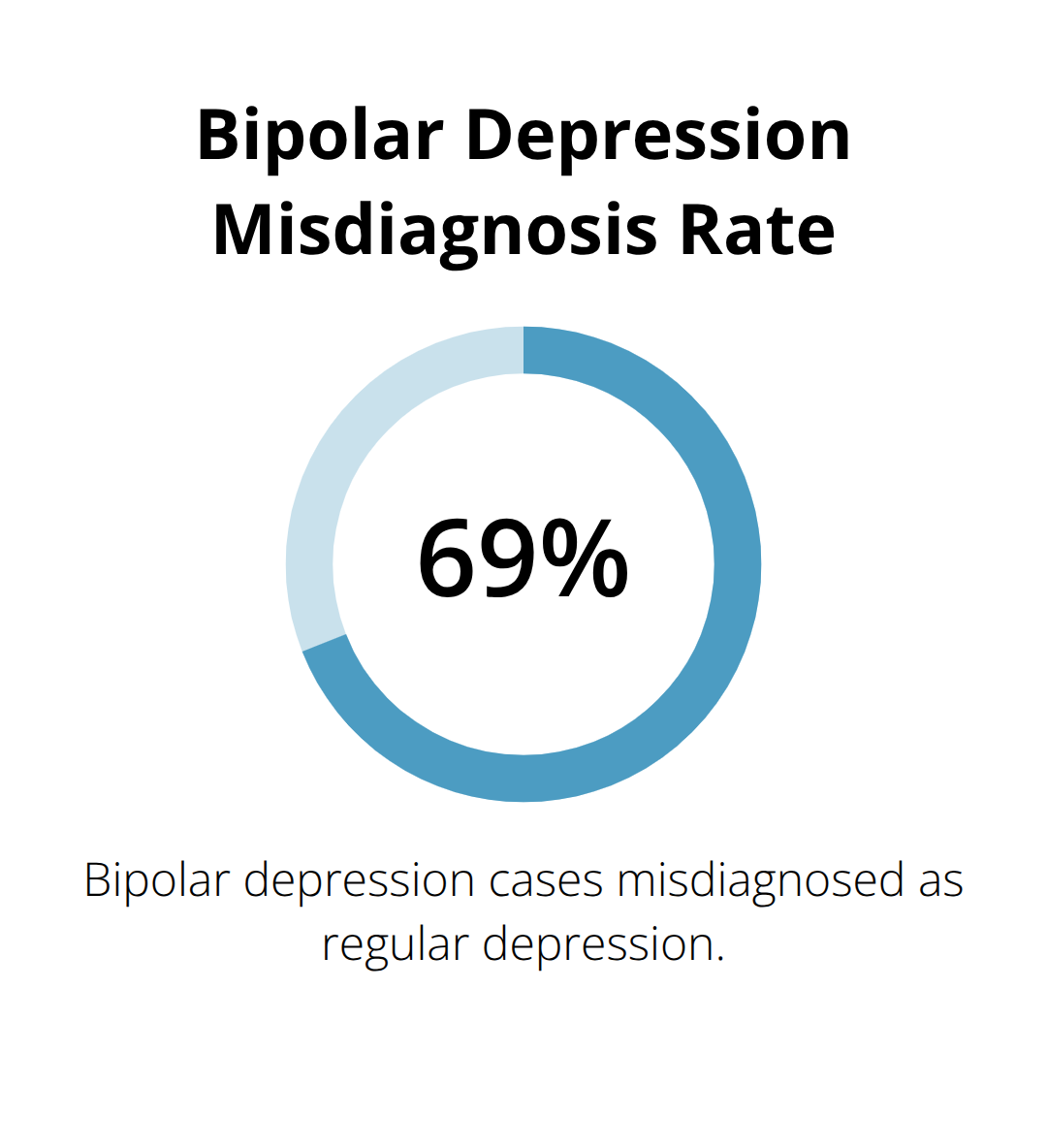
Bipolar depression gets misdiagnosed as regular depression in 69% of cases according to the Depression and Bipolar Support Alliance. This happens because most people with bipolar disorder seek help during depressive episodes, not manic ones. Manic episodes often feel good initially, so patients don’t report them as problems.
Healthcare providers in Miami and surrounding areas like Coral Gables frequently miss the connection between past energetic periods and current depression. The average person waits 5–10 years for correct diagnosis, cycling through ineffective treatments that can worsen their condition.
Why Mood Pattern Recognition Matters
Accurate diagnosis requires looking beyond current symptoms to identify historical mood patterns. Mental health professionals must examine the complete picture of a person’s mood history rather than focus solely on present depressive symptoms. This comprehensive approach helps distinguish between bipolar and unipolar depression.
Keep a daily mood journal that rates energy levels, sleep needs, and decision-making patterns on a 1-10 scale for at least three months. Look for periods when you needed less than four hours of sleep yet felt energetic, made impulsive major purchases, or felt unusually confident for several days straight. These episodes (even if they seemed positive) indicate potential bipolar disorder rather than regular depression.
If you’re experiencing mood-related concerns, consider consulting with specialists in Miami psychiatry who can provide comprehensive evaluation and personalized treatment approaches.
Now that you understand how bipolar depression differs from regular depression, let’s examine the specific early warning signs that often appear before a full depressive episode develops.
What Physical Signs Signal Bipolar Depression?
Sleep Disruption Patterns That Stand Out
The sleep changes in bipolar depression go far beyond typical insomnia. Research shows that 23% to 78% of patients with bipolar disorder experience sleep disturbances-they sleep 10-14 hours daily yet wake up exhausted. This differs dramatically from regular depression, where people typically struggle to fall asleep or wake up early.
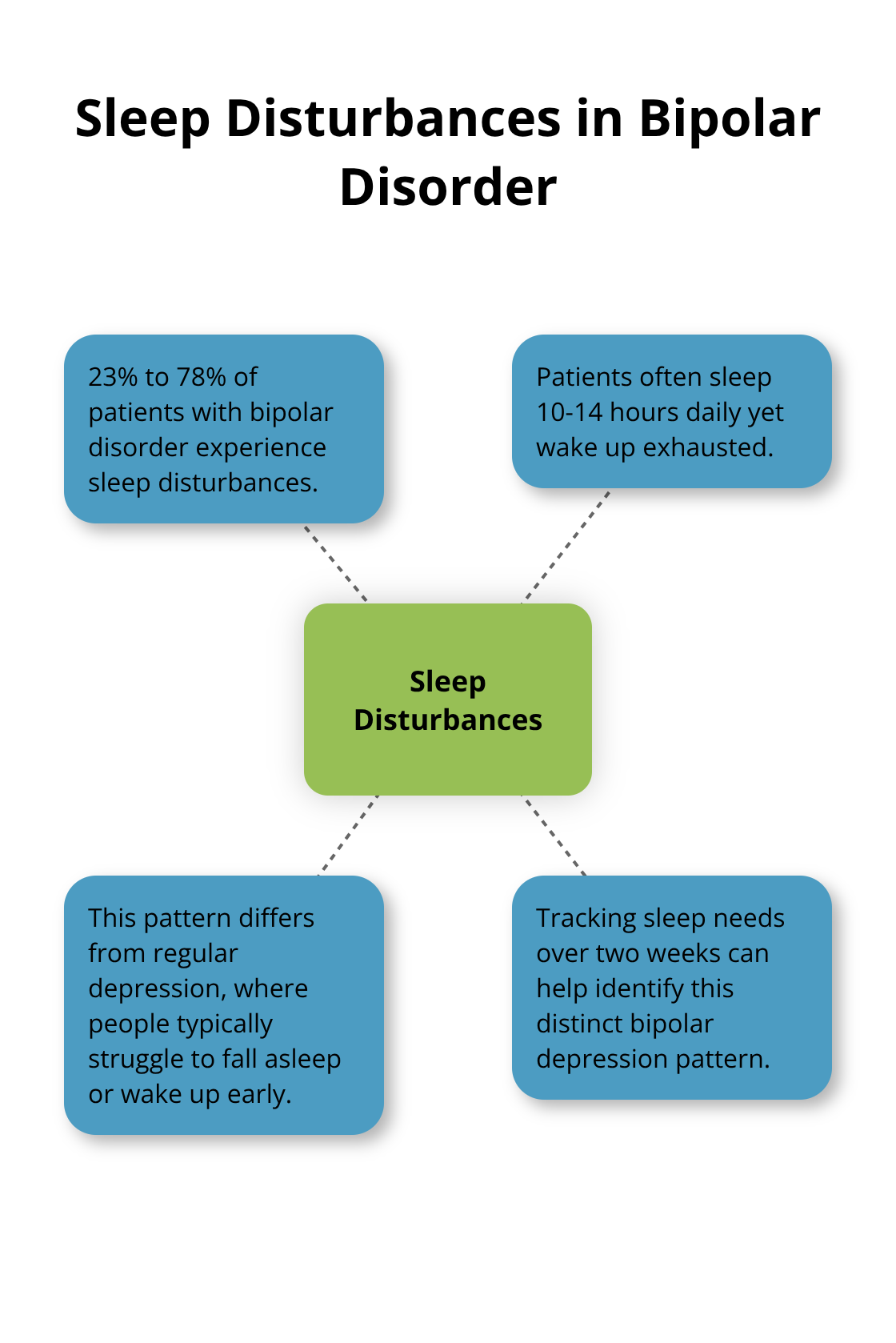
Track your sleep needs over two weeks with a simple smartphone app. If you need significantly more sleep than usual yet feel drained, this pattern suggests bipolar rather than unipolar depression. People in Miami often mistake this for seasonal changes or work stress, but the intensity and duration make bipolar depression distinct.
Cognitive Fog and Memory Problems
Bipolar depression creates what psychiatrists call pseudodementia, where memory problems and concentration issues become so severe they mimic cognitive decline. Research shows that cognitive symptoms of depression interfere with work performance in multiple ways.
These symptoms cluster together and persist for at least two weeks. People find themselves unable to complete simple tasks they once handled easily. Decision-making becomes nearly impossible, and conversations feel overwhelming.
Dramatic Physical Changes
Weight changes happen rapidly and dramatically in bipolar depression. People gain or lose 15-20 pounds within months without dietary changes. Physical symptoms include persistent headaches, unexplained body aches, and digestive issues that don’t respond to typical treatments.
Social withdrawal becomes complete rather than selective. People in Coral Gables and surrounding areas often isolate from close family members for weeks (not just casual acquaintances). This creates a distinct pattern that separates bipolar depression from other mood disorders.
These physical manifestations often appear alongside specific risk factors that can help identify who might develop bipolar depression. For professional evaluation and treatment options, consider consulting with Miami psychiatry specialists.
Who Should Worry Most About Bipolar Depression?
Genetic Risk Factors You Cannot Ignore
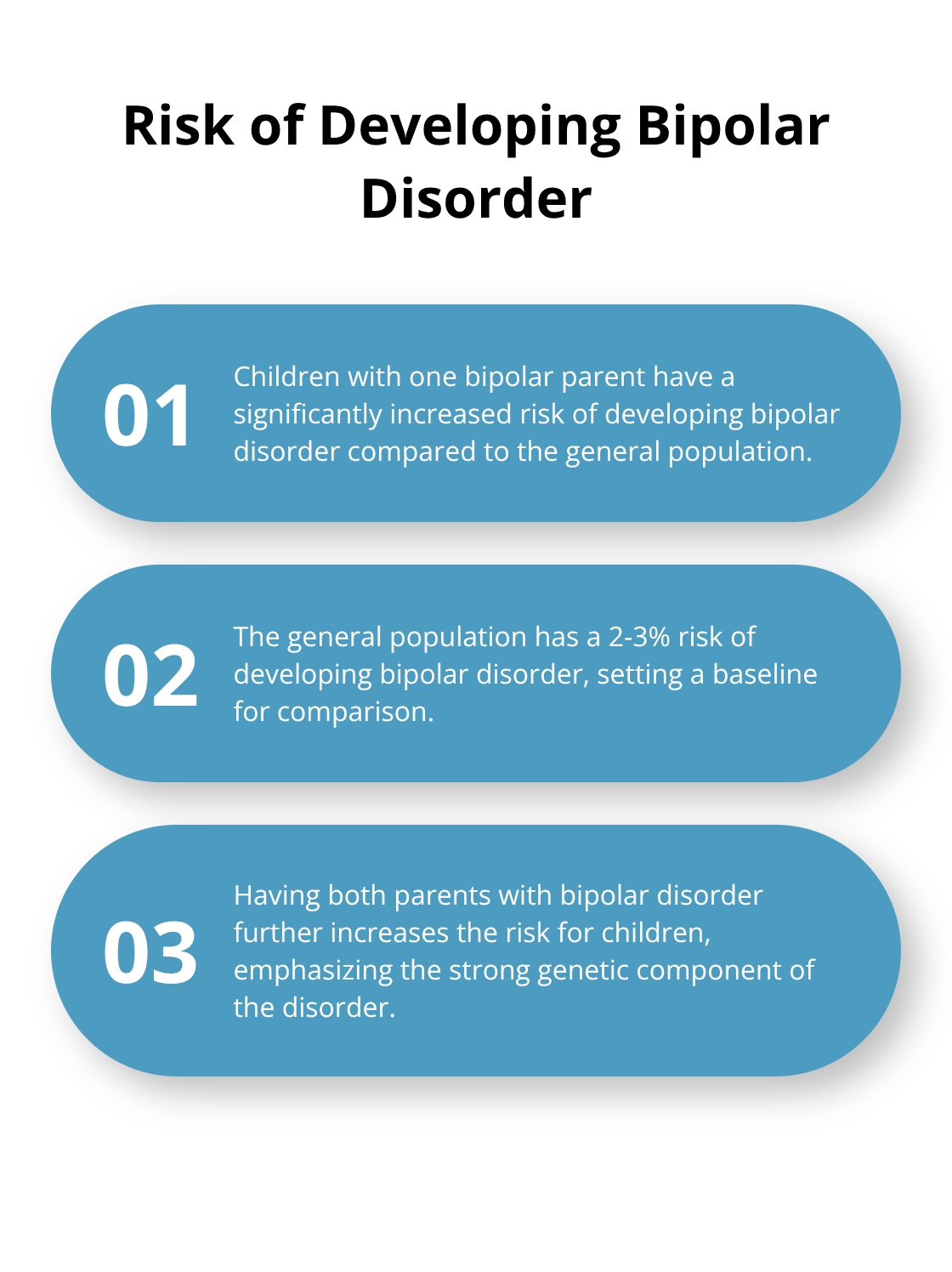
Bipolar disorder carries the strongest genetic component of any mental health condition. The National Institute of Mental Health found that children with one bipolar parent face increased risk of developing the disorder themselves, compared to 2-3% in the general population. Having both parents with bipolar disorder increases this risk significantly. Siblings of people with bipolar disorder carry elevated risk, making family history the single most powerful predictor.
Miami residents often underestimate this genetic connection. Track your family’s mental health history across three generations (including grandparents, aunts, and uncles). Ask about periods of extreme productivity, major financial decisions made impulsively, or hospitalizations for depression. Many families in Coral Gables describe relatives as energetic or creative rather than recognize past manic episodes.
Previous Episodes That Signal Future Risk
People who experienced unexplained periods of high energy, reduced sleep needs, or impulsive behavior face significantly higher bipolar depression risk. Research shows that many people with bipolar disorder experience hypomanic episodes before their first major depressive episode. These earlier episodes often get dismissed as stress responses or personality traits.
Women between ages 15-25 in South Florida show the highest risk for first bipolar episodes, with postpartum periods creating additional vulnerability. Men typically develop symptoms 2-3 years earlier than women but seek help later. The combination of family history plus any previous mood episode warrants immediate professional evaluation rather than waiting for symptoms to worsen.
Age and Gender Patterns in Miami
The average age of onset for bipolar disorder is 25 years, but symptoms can begin as early as childhood or as late as the 40s and 50s. Women in Pinecrest and surrounding areas often experience their first episode during major hormonal changes (puberty, pregnancy, or menopause). Men tend to have more severe manic episodes, while women experience more depressive episodes overall.
When Daily Life Becomes Impossible
Professional help becomes essential when symptoms prevent basic functioning for more than two weeks. Missing work or school, inability to maintain personal hygiene, or complete social isolation indicate severe depression requiring immediate intervention. The earlier treatment begins, the better long-term outcomes become for managing bipolar disorder effectively. For comprehensive care, consider consulting with Miami psychiatry specialists who understand the unique challenges faced by South Florida residents.
Final Thoughts
Early detection of the first signs of bipolar depression saves years of misdiagnosis and ineffective treatment. The distinct patterns of sleep disruption, cognitive changes, and genetic risk factors we discussed require immediate professional attention. Mental health specialists can differentiate between bipolar and regular depression through comprehensive evaluation and proper diagnostic tools.
We at Equilibrium Mental Health Services provide specialized care for individuals who experience these complex mood patterns. Our approach combines medication management with evidence-based therapy to address the unique challenges that bipolar depression presents. Professional treatment significantly improves outcomes when symptoms first appear (rather than waiting for them to worsen).
Don’t wait if you recognize these warning signs in yourself or someone you care about. Contact Equilibrium Mental Health Services today to speak with our experienced team about comprehensive evaluation and treatment options. Take the first step toward better mental health by reaching out to qualified Miami psychiatry professionals who understand bipolar disorder.


